Is It Normal for Cats to Drool While Sleeping?
By Dr. Zubair Khalid, DVM, MS, PhD ·
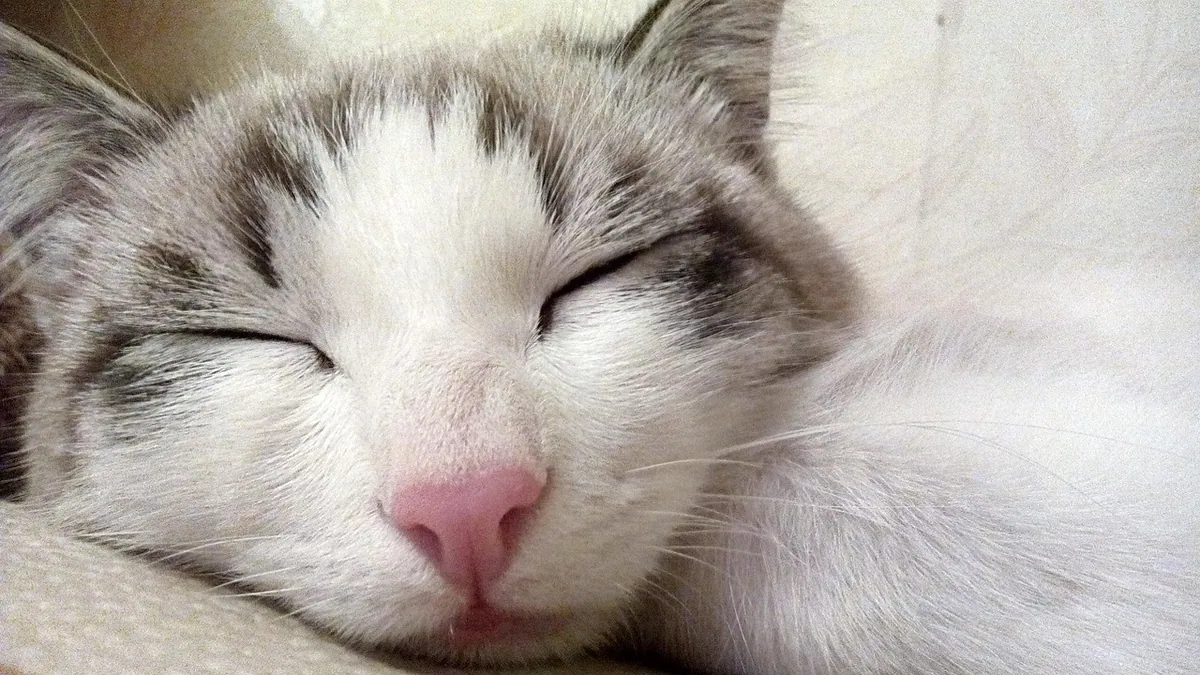
Drooling in cats while sleeping is usually normal and harmless, especially in relaxed cats who sleep with their mouths slightly open. Some cats simply produce more saliva than others, and a deep sleep can loosen the jaw enough for a little drool to escape. The problem starts when drooling is new, heavy, or comes with other signs like vomiting, bad breath, or trouble eating.
This article is educational and is not a substitute for veterinary diagnosis or treatment.
Quick Answer
- A small wet spot under the chin during deep sleep is common and not a health concern.
- Sudden drooling in cats, especially when the cat is awake or drooling heavily, points to nausea, mouth pain, or toxin exposure.
- Drooling with vomiting, lip smacking, or a tucked belly often means nausea, and that cat needs a vet visit.
- Drooling with bad breath, dropping food, or pawing at the mouth suggests dental or oral disease.
- Drooling with tremors, wobbliness, vomiting, or collapse is an emergency, so call a vet or poison control right away.
What Normal Sleep Drooling Looks Like in Cats
A relaxed cat in deep sleep can let their jaw go slack. Saliva pools in the mouth and a little may dribble onto the bedding or the cat's chin. You might notice a small damp patch, a wet chin, or a thin string of saliva when your cat wakes up. This kind of drooling in cats while sleeping stops once the cat is awake and alert.
Normal sleep drooling tends to be light, occasional, and easy to wipe away. It does not smell foul, and it does not come with coughing, gagging, or a change in appetite. Older cats and cats with loose skin around the jaw may drool a bit more. Flat-faced breeds like Persians and Himalayans can also drool more because of how their mouths and airways are shaped.
One thing to keep in mind is that flat-faced cats may have a higher chance of stomach acid flowing back into the esophagus, which can cause drooling and other signs [1]. If your flat-faced cat drools often, mention it to your vet at the next visit.
Main Causes of Drooling in Cats
Drooling has many causes, and the clues around it usually point to the reason. Use this table to sort out what you are seeing.
| Cause | Typical clues | How urgent |
|---|---|---|
| Deep sleep relaxation | Light drool only while asleep, normal when awake, no other signs | Not urgent |
| Nausea or stomach upset | Lip smacking, vomiting, drooling while awake, hiding, not eating | Vet visit within 24 hours |
| Dental or gum pain | Bad breath, drooling with food, dropping food, pawing at mouth, chewing on one side | Vet visit within a few days |
| Oral mass or growth | Drooling that gets worse over weeks, visible lump, blood in saliva, weight loss | Vet visit soon, within days |
| Toxin exposure | Sudden heavy drooling, vomiting, tremors, wobbliness, collapse | Emergency now |
| Medication side effect | Drooling right after a pill or liquid, sometimes with foaming | Call your vet, see below |
| Airway or throat problem | Noisy breathing, hoarse meow, drooling, trouble swallowing | Emergency now |
| Foreign object in mouth | Pawing at mouth, gagging, drooling, refusing food | Emergency now |
Nausea and Stomach Upset
Nausea is one of the most common reasons a cat drools. Cats cannot say they feel sick, so they smack their lips, swallow hard, and drool. You may also see vomiting, a tucked belly, or a cat who hides under the bed. Drooling that comes with these signs is not normal sleep drooling.
Dental Pain and Oral Disease
Dental disease is another frequent cause. A cat with a sore tooth or inflamed gums may drool, especially around meals. Watch for bad breath, dropping food, chewing on one side, or flinching when you touch the face. If you notice these along with drooling, see Cat Bad Breath Drooling for more detail.
Oral Masses and Growths
Growths in the mouth or throat can cause drooling that slowly gets worse. In one report, a cat with a laryngeal mass had drooling during treatment that was controlled with a steroid [2]. Drooling from a mass often comes with weight loss, a changed meow, or trouble swallowing. Any drooling that worsens over weeks deserves a vet exam.
Toxin Exposure
Toxins can cause sudden, heavy drooling. In one case, a cat who ate black snake fireworks had acute drooling, a slow heart rate, and trouble breathing [3]. That cat had no known toxin exposure in the history, which shows how sneaky poisoning can be. If your cat drools heavily and seems off, treat it as an emergency.
Medication Effects
Some cats drool after taking pills or liquids. This can happen because of taste, stress, or the medication itself. If your cat drools right after a dose, see What to Do If Your Cat Is Drooling After Taking Medication. Never give a medication dose on your own. Your vet calculates the dose from your cat's weight and health.
Airway and Throat Problems
Cats with airway disease may drool along with noisy breathing or a hoarse voice. A cat with a laryngeal mass had a two-month history of noisy breathing and hoarseness before treatment [2]. Drooling with breathing changes is serious and needs prompt care.
Red Flags That Mean an Emergency
Some signs mean you should stop reading and call for help. Call your vet or an emergency clinic right away if your cat has any of these:
- Heavy drooling that started suddenly
- Drooling with vomiting, tremors, wobbliness, or collapse
- Trouble breathing, open-mouth breathing, or a blue tint to the gums
- A swollen face, hives, or swelling around the eyes
- Drooling after contact with a toxin, medication, or unknown substance
- Drooling with a foreign object visible in the mouth
- Drooling with a fever, severe pain, or a cat who will not move
If you suspect poisoning, call your veterinarian or a pet poison hotline immediately. Do not wait to see if it passes.
What You Can Do at Home While You Wait
You cannot diagnose the cause at home, but you can keep your cat safe and gather useful information.
- Wipe the drool gently with a soft cloth. Do not stick your fingers in your cat's mouth, since a painful cat may bite.
- Note when the drooling started and whether it happens only during sleep or also when awake.
- Check for other signs like vomiting, bad breath, drooling with food, or changes in drinking and urinating.
- Offer water, but do not force food or water if your cat seems nauseated.
- Keep your cat indoors and away from plants, medications, and chemicals.
- Take a photo or short video of the drooling and any odd behavior to show your vet.
- Do not give human medications, including pain relievers, without veterinary guidance.
If your cat is drooling and also seems painful or sick, see Cat Drooling Suddenly: When to Call the Vet for a step-by-step guide.
What Your Veterinarian Will Check
Your vet will start with a full history and a physical exam. They will look at your cat's mouth, teeth, gums, tongue, and throat. They will also check the eyes, ears, and breathing. A cat who is stressed or painful may need gentle handling, and some cats need medication to relax for a full exam. A review of oral sedative and anxiolytic medications in cats found that many agents can reduce fear-based behavior or produce sedation when given by mouth, though palatability and other factors vary [4].
Your vet may also recommend:
- Blood work to check organ function, blood sugar, and electrolyte levels
- Dental X-rays if they suspect tooth or gum disease
- Imaging such as X-rays or ultrasound if they suspect a mass, foreign object, or stomach problem
- A closer look at the throat or airway if breathing is noisy or your cat has trouble swallowing
In some cases, your vet may use a topical numbing agent before certain procedures. A study in cats found that topical prilocaine and lidocaine reduced laryngeal reactivity compared with saline, with prilocaine working sooner and lidocaine working later [5]. This kind of information helps vets plan safe exams and procedures.
Treatment depends on the cause. Nausea, dental disease, masses, and toxin exposure all need different plans. Your vet will explain the options and the expected timeline.
Preventing and Monitoring Drooling
You cannot prevent every cause of drooling, but you can lower the risk and catch problems early.
- Brush your cat's teeth or use vet-approved dental products to reduce dental disease.
- Schedule regular vet visits, especially for senior cats and flat-faced breeds.
- Keep medications, cleaners, and small objects out of reach.
- Watch for changes in eating, drinking, and grooming.
- Track drooling episodes in a notebook or phone app so you can spot patterns.
- If your cat drools only during sleep and is normal when awake, mention it at the next routine visit.
If your cat has bad breath along with drooling, see Cat Bad Breath and Drooling: When to See the Vet. For comparison with dogs, you can also read Why Is My Dog Drooling?.
Limitations and When to Contact a Veterinarian
This article cannot tell you what is causing your cat's drooling. Only a veterinarian can examine your cat, run tests, and make a diagnosis. Individual cases need a veterinarian, and the timing matters.
Contact your vet the same day if your cat has new drooling while awake, drooling with vomiting, drooling with bad breath or mouth pain, or drooling that keeps getting worse.
Go to an emergency clinic now if your cat has heavy sudden drooling, trouble breathing, tremors, collapse, a swollen face, or drooling after possible toxin exposure.
Book a routine visit if your cat only drools lightly during sleep and is otherwise normal, or if you have noticed a slow change over weeks.
Frequently Asked Questions
Is it normal for cats to drool in their sleep?
Yes, light drooling during deep sleep can be normal. A relaxed jaw lets a little saliva escape, and the cat is normal when awake. If drooling is heavy, new, or comes with other signs, it is not normal and needs a vet check.
Do cats drool in their sleep when they are sick?
They can. Nausea, dental pain, oral masses, and toxin exposure can all cause drooling that shows up during sleep or rest. The key difference is whether your cat also has vomiting, bad breath, trouble eating, or behavior changes.
What causes sudden drooling in cats?
Sudden drooling often points to nausea, mouth pain, a foreign object, or toxin exposure. In one reported case, a cat had acute drooling, a slow heart rate, and breathing trouble after eating fireworks [3]. Sudden heavy drooling is an emergency, so call your vet right away.
Can dental problems make a cat drool while sleeping?
Yes. Dental disease and gum pain can cause drooling, especially around meals or when the cat is relaxed. Watch for bad breath, dropping food, or chewing on one side. A vet exam and dental X-rays can find the problem.
Should I worry if my cat drools only while sleeping?
If the drooling is light, happens only during sleep, and your cat is normal when awake, it is usually not a worry. Mention it at your next routine visit. If the drooling gets heavier or starts happening while awake, book a vet visit sooner.
Related Articles
- Cat Bad Breath Drooling
- Cat Drooling Suddenly: When to Call the Vet
- What to Do If Your Cat Is Drooling After Taking Medication
- Cat Bad Breath and Drooling: When to See the Vet
- Why Is My Dog Drooling?
- Dry Heaving In Cats
- Happy Drooling in Cats: Why Do Cats Drool When Content?
- Senior Cat Drooling: Causes and When to See a Vet
- Why Do Cats Twitch in Their Sleep? Normal or Seizure?
References
- A correlation of computed tomographic esophageal hiatal cross-sectional surface area between brachycephalic and nonbrachycephalic cats. Veterinary radiology & ultrasound : the official journal of the American College of Veterinary Radiology and the International Veterinary Radiology Association, 2024.
- Long-term remission in a cat with laryngeal squamous cell carcinoma treated with stereotactic radiation therapy. JFMS open reports, 2026.
- Barium Toxicosis After Ingestion of Snake Fireworks in a Cat. Journal of veterinary emergency and critical care (San Antonio, Tex. : 2001), 2026.
- Oral use of anxiolytic, sedative, and anaesthetic medications in domestic cats (Felis catus): A scoping review. Veterinary journal (London, England : 1997), 2026.
- Time-dependent laryngeal desensitisation following topical lidocaine and prilocaine application in cats: a randomised controlled study. The Journal of small animal practice, 2026.