Why Do Rabbits Yawn? Normal Yawning vs. Warning Signs
By Dr. Zubair Khalid, DVM, MS, PhD ·
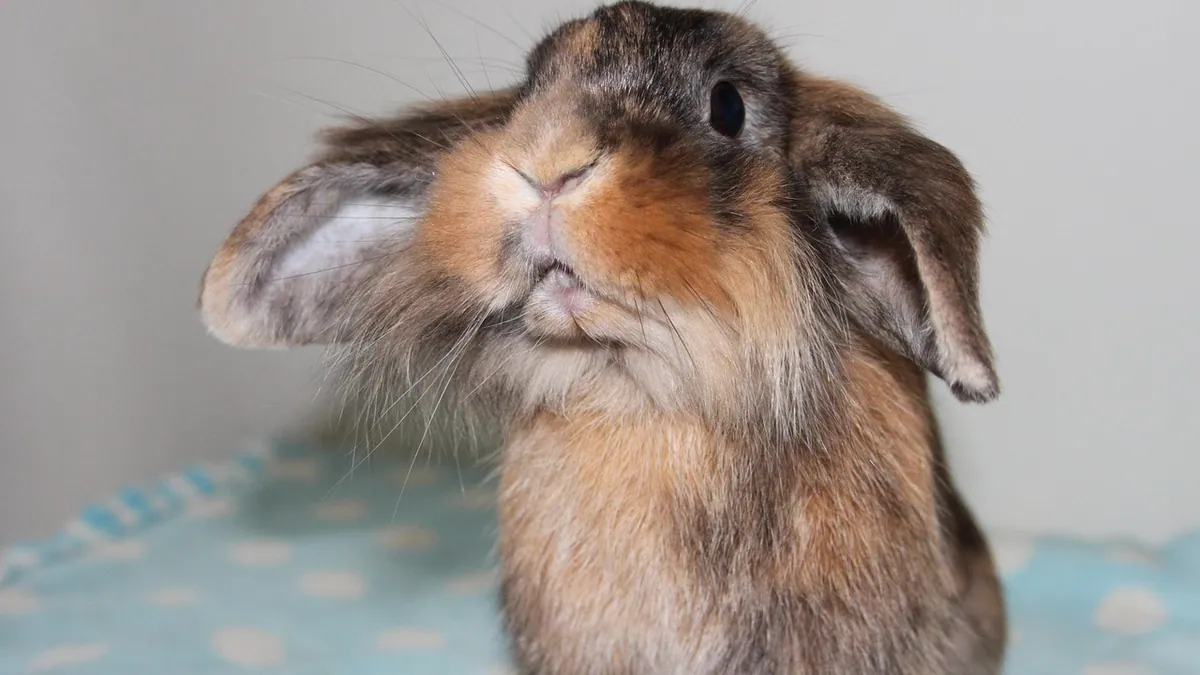
Yes, rabbits yawn, and it is usually a normal behavior. A yawn is a wide opening of the mouth with a deep breath in and a shorter breath out, and it shows up across vertebrate species at low frequencies [1]. Most of the time, a rabbit yawn is a sign of relaxation or a way to release tension. This article is educational and is not a substitute for veterinary diagnosis or treatment.
Quick Answer
- Rabbits do yawn. It is a real, documented behavior in many animals, including rabbits [1].
- A relaxed yawn often happens when your rabbit is settling down, waking up, or stretching after a nap.
- Occasional yawning is normal. Yawning many times an hour, every day, is not.
- Yawning paired with drooling, pawing at the mouth, dropping food, or eating less points to dental disease or pain.
- If you see those warning signs, book a veterinary visit. Do not wait for the next routine checkup.
Why Do Rabbits Yawn?
Do Rabbits Yawn at All?
Yes. Yawning is a stereotyped behavior pattern, meaning it looks similar each time: the mouth opens wide, the rabbit takes a deep breath in, then lets out a short breath [1]. All vertebrate species yawn, but they do it at low rates [1]. So if you have owned your rabbit for months and only caught a yawn once or twice, that fits the normal pattern.
How Do Rabbits Yawn?
A rabbit yawn looks like a slow, wide stretch of the jaw. The mouth opens fully, the nose may wrinkle, and the ears often move back or flatten slightly. It usually lasts a second or two. Some rabbits also stretch their front legs at the same time. Because rabbits are prey animals, they often yawn when they feel safe, such as after a nap in a quiet room.
Normal Reasons for Yawning
Relaxation is the most common reason. A yawn can signal a shift from alert to calm, or from sleep to awake. Yawning also appears to help with arousal and state change in the brain, and the length of a yawn tracks with brain size and neuron number across mammals [2]. That does not mean your rabbit is thinking hard. It means yawning is tied to normal shifts in alertness.
Stress release is another normal reason. Yawning can show up when a rabbit is mildly uneasy, such as during a car ride or after a loud noise. In a survey of ferret owners, yawning was one of the behaviors owners linked to boredom, though it overlapped with other states [3]. The same idea can apply to rabbits in small, bare enclosures. A single yawn after a stressful moment is not a problem. Repeated yawning in a dull environment may be a hint that your rabbit needs more to do.
Yawning can also be contagious in social animals. Contagious yawning, where seeing a yawn triggers your own yawn, is well documented in humans and a growing number of social vertebrates, and it can even cross species lines [4]. In wolves, animals that saw another wolf yawn were more likely to yawn within the next two minutes, and the effect was stronger in wolves that were more socially integrated [5]. Rabbits are social animals too, so it is possible that yawning spreads through a bonded pair. This is not a health concern.
Medical Causes to Rule Out
Dental Disease
Dental disease is the top medical reason to worry about a yawning rabbit. Rabbit teeth grow continuously, and problems with the molars or incisors can cause pain when the mouth opens. A rabbit with dental pain may yawn often, drool, paw at the mouth, or drop food while eating. You may also see weight loss, a wet chin, or a change in which foods your rabbit will eat. These signs need a veterinary exam, often with sedation for a full look inside the mouth.
Pain Anywhere in the Body
Pain in other areas can also trigger yawning. A rabbit with a painful gut, sore joints, or an abscess may yawn more than usual. Watch for hunched posture, grinding teeth, a tucked belly, or reluctance to move. If your rabbit stops eating or stops passing droppings, that is an emergency. Read more about Rabbit GI Stasis Signs so you can act fast.
Respiratory and Nasal Problems
Rabbits breathe through their noses, so anything that blocks the nose is serious. A rabbit with nasal discharge, sneezing, or noisy breathing may open the mouth more often, and owners sometimes mistake this for yawning. Learn the difference in Rabbit Sneezing Causes. If your rabbit is breathing with an open mouth and working hard for air, that is an emergency.
Neurologic and Other Conditions
Rarely, repeated mouth opening can come from a neurologic problem or from a seizure. If the episodes are stiff, repetitive, or followed by confusion, treat it as urgent. Your veterinarian can sort out whether the behavior is a yawn or something else.
When Yawning Becomes a Problem
A problem is about pattern, not a single event. Ask yourself three questions.
How often? A few yawns a day is normal. Yawning many times an hour, or in clusters, is not.
What else is happening? Drooling, pawing at the mouth, head shaking, dropping food, eating less, losing weight, or changes in droppings all point to a medical cause.
Has anything changed? A new cage mate, a move, a new pet in the home, or a boring setup can raise stress and yawning. If the behavior started after a change and there are no physical signs, stress or boredom is more likely.
If the yawning is frequent and comes with any physical sign, see a veterinarian. If it is frequent but your rabbit eats, drinks, and poops normally, improve the environment first and track the behavior for a few days. If it does not settle, book a visit.
What to Do Step by Step
Step 1: Observe and Record
Write down when the yawns happen, how many you see, and what your rabbit was doing just before. Note food intake, water intake, and droppings. A short video on your phone is very helpful for your veterinarian. Rabbits hide pain well, so small changes matter.
Step 2: Check the Mouth Without Forcing It
Look at the front teeth if your rabbit will let you. Do not pry the mouth open. If you see drool, a wet chin, swelling, or broken teeth, call your veterinarian. Back teeth cannot be seen without special tools, so a normal-looking front set does not rule out dental disease.
Step 3: Improve the Environment
Give your rabbit more to do. Offer hay in a rack, safe chew toys, tunnels, and a digging box. Rotate toys every few days so the setup stays interesting. Boredom is a real welfare concern in caged pets, and owners who doubt their pets can get bored tend to provide fewer enrichment items [3]. Assume your rabbit can get bored, and act on it.
Step 4: Protect Quiet Time
Rabbits need a hiding spot and a predictable routine. Keep loud pets and sudden noise away from the enclosure. A relaxed rabbit yawns less from stress.
Step 5: Feed a Dental-Friendly Diet
Unlimited grass hay is the base of a rabbit diet. Hay wears the teeth and supports gut movement. Limit pellets and sugary treats. Good nutrition lowers the risk of dental disease, which is the main medical cause of problem yawning.
Step 6: Book the Right Appointment
If physical signs are present, ask for a dental exam. Many rabbits need sedation for a full oral exam and dental work. If your rabbit needs anesthesia, read Anesthesia and Analgesia in Rabbits and Rodents before the visit so you know what to expect. If a complication happens during recovery, Anesthetic Complications in Rabbits: Emergency Management covers what to watch for.
What Not to Do
Do not punish your rabbit for yawning. Yawning is not defiance. It is a reflex tied to arousal, stress, or pain. Punishment adds stress and can make the behavior worse.
Do not assume a yawn means your rabbit is tired. That is a common myth. Yawning can happen when a rabbit is relaxed, but it can also signal discomfort.
Do not wait on drooling. A wet chin or drool-soaked fur under the chin is not normal in a rabbit. It usually means the mouth hurts.
Do not try to trim or file your rabbit's teeth at home. This causes injury and does not fix the real problem.
Do not use over-the-counter human pain medicine. Some common drugs are toxic to rabbits. Your veterinarian will choose a safe drug and calculate the dose from your rabbit's weight and health.
When to Involve a Veterinarian or Behavior Professional
Call a veterinarian if the yawning is frequent, if it comes with drooling or pawing at the mouth, or if your rabbit is eating less. Call right away if your rabbit stops eating, stops passing droppings, breathes with an open mouth, or seems weak.
If your veterinarian finds no medical cause, a certified behavior professional can help with stress and enrichment. Look for someone with experience in rabbits. Behavior help is most useful after a health check, because pain and illness can look like a behavior problem.
Limitations and When to Contact a Veterinarian
This article cannot tell you what is happening with your specific rabbit. Only a veterinarian who examines your rabbit can do that.
Contact a veterinarian the same day if you see drooling, pawing at the mouth, dropping food, refusing favorite foods, weight loss, or a change in droppings.
Go to an emergency clinic now if your rabbit is breathing with an open mouth, gasping, limp, having a seizure, or has not eaten or passed droppings for many hours.
Schedule a routine visit if the yawning is frequent but your rabbit is eating, drinking, and pooping normally. Track the behavior for a few days first so you can give your veterinarian clear details.
Frequently Asked Questions
Do rabbits yawn?
Yes. Rabbits yawn, and the behavior follows the same basic pattern seen in other vertebrates: a wide mouth opening with a deep breath in and a short breath out [1]. Most rabbits yawn only now and then.
Is it normal for rabbits to yawn?
Occasional yawning is normal, especially when your rabbit is relaxing or waking up. Frequent yawning, or yawning with drooling or appetite loss, is not normal and needs a veterinary check.
Can rabbits yawn when they are stressed?
Yes. Yawning can appear during mild stress or boredom, and it has been linked to boredom in other caged pets [3]. If stress seems to be the trigger, add enrichment and a quiet hiding spot, then watch whether the behavior settles.
Why does my rabbit yawn so much?
Common medical reasons include dental disease, pain, and nasal or respiratory problems. A rabbit with dental pain may yawn often and also drool or drop food. Your veterinarian can examine the mouth and rule out other causes.
How do rabbits yawn?
A rabbit yawn is a slow, wide opening of the jaw that lasts a second or two. The ears may move back, and your rabbit may stretch its front legs at the same time. It often happens after a nap or during a calm moment.
Related Articles
- Rabbit Sneezing Causes
- Anesthesia and Analgesia in Rabbits and Rodents
- Anesthetic Complications in Rabbits: Emergency Management
- Rabbit GI Stasis Signs
- Why Is My Rabbit Making Weird Noises? What They Mean
- Can Rabbits Vomit? Why They Rarely Do and What to Watch For
- How to Tell If Your Small Pet Is Sick: Early Warning Signs
References
- Yawning and Penile Erection Frequencies Are Resilient to Maternal Care Manipulation in the High-Yawning Subline of Sprague-Dawley Rats. Frontiers in behavioral neuroscience, 2020.
- Yawn duration predicts brain weight and cortical neuron number in mammals. Biology letters, 2016.
- Pet Owner Perception of Ferret Boredom and Consequences for Housing, Husbandry, and Environmental Enrichment. Animals : an open access journal from MDPI, 2022.
- Interspecific Contagious Yawning in Humans. Animals : an open access journal from MDPI, 2022.
- Contagious yawning is stronger in wolves than in dog-admixed wolves. Animal cognition, 2026.