Why Is My Rabbit Not Moving? Causes and When to Worry
By Dr. Zubair Khalid, DVM, MS, PhD ·
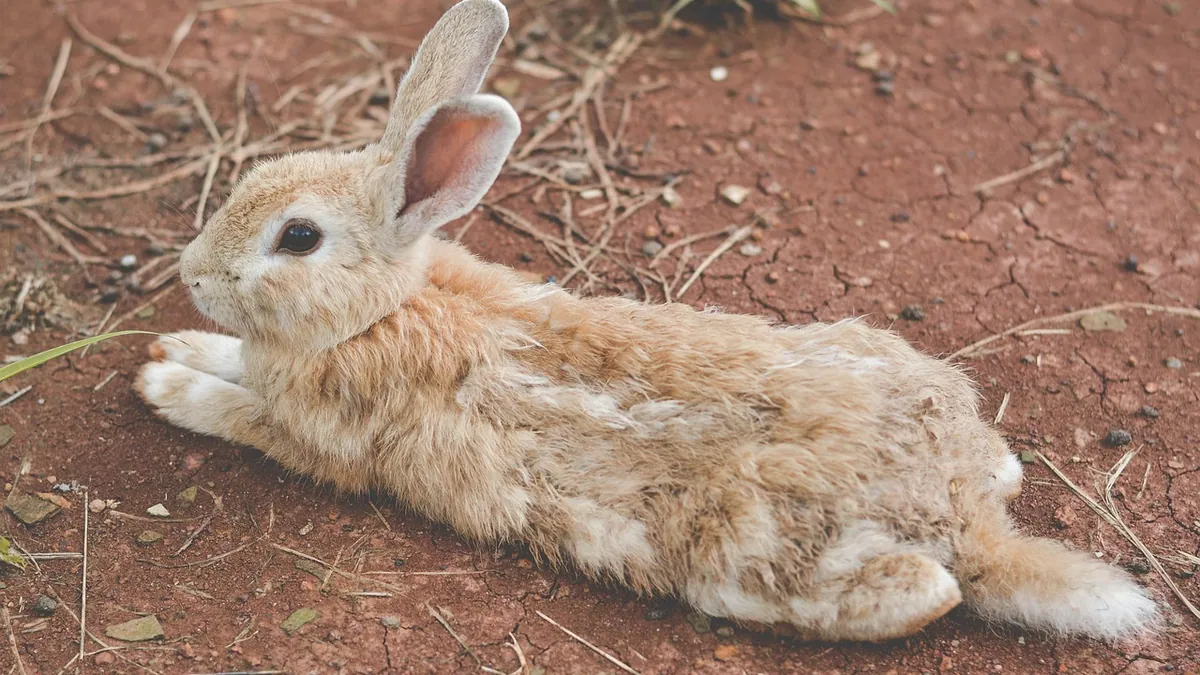
A rabbit not moving can mean many things, from a comfortable flop to a life-threatening emergency. Rabbits are prey animals, so they often hide illness until they cannot hide it anymore. If your rabbit is down and not responding normally, treat it as urgent until you know otherwise.
This article is educational and is not a substitute for veterinary diagnosis or treatment.
Quick Answer
- A relaxed flop is normal. Your rabbit may lie on its side with legs stretched out, but it will still blink, breathe normally, and get up for food.
- True lethargy means your rabbit is quiet, hunched, or unwilling to move even when you offer a favorite treat.
- Paralysis means the rabbit cannot use one or more limbs, which is a neurological emergency [1][2].
- Gastrointestinal stasis and other gut problems are common reasons rabbits become still and stop eating [3].
- If your rabbit is not moving and also not eating, not pooping, or breathing hard, call your veterinarian or an emergency clinic now.
What "Not Moving" Looks Like and What Is Normal
Rabbits rest in several positions. A healthy rabbit may flop onto its side, stretch out flat, or sit in a loaf shape with its feet tucked under. During these times it may look still, but it is not sick. You can usually tell the difference by watching for small movements. The nose twitches, the ears rotate toward sounds, and the rabbit will right itself if you offer a treat or make a sudden noise.
A rabbit that is truly not moving is different. It may sit hunched in a corner with its eyes partly closed. It may not lift its head when you open the cage. It may stay in one spot for hours and ignore food. Some rabbits become wobbly or drag their back legs. Others cannot stand at all.
Rabbits are prey animals, so they hide pain and weakness well. By the time a rabbit looks obviously sick, the problem may already be serious. That is why any sudden change in movement deserves attention.
Why Is My Rabbit Not Moving? Main Causes
Many conditions can make a rabbit stop moving. Some are mild and some are emergencies. The table below lists the most common causes and the clues that go with each one.
| Cause | Typical clues | How urgent |
|---|---|---|
| Relaxed flop or deep sleep | Lying on side, normal breathing, wakes for food | Not urgent |
| Gastrointestinal stasis | Not eating, small or no droppings, hunched posture, teeth grinding | Urgent, same day |
| Gastric dilatation and volvulus | Sudden weakness, severe belly pain, not eating, rapid decline [4] | Emergency now |
| Pain from any source | Hunched back, squinting, reluctance to move, grinding teeth | Urgent, same day |
| Paralysis or spinal problem | Cannot use back legs, dragging limbs, loss of feeling [1][2] | Emergency now |
| Heat stress | Heavy breathing, lying flat, warm environment, drooling | Emergency now |
| Infection or systemic illness | Fever, poor appetite, weight loss, discharge, labored breathing | Urgent, same day |
| Injury or fracture | Sudden lameness, swelling, crying out, reluctance to bear weight | Emergency now |
| Stress or fear | Hiding, freezing, not moving when startled | Usually short term, watch closely |
Gastrointestinal Stasis
Gastrointestinal stasis is one of the most common emergencies in pet rabbits [3]. The gut slows down or stops moving. This causes pain, gas, and a buildup of contents. Rabbits with stasis often sit hunched, stop eating, and pass few or no droppings. They may grind their teeth from pain. If stasis is not treated, it can become life threatening.
Gastric Dilatation and Volvulus
Gastric dilatation and volvulus is rare in rabbits, but it is severe [4]. In one reported case, a rabbit was presented with sudden poor appetite, lethargy, and marked abdominal pain [4]. Blood tests showed elevated liver values, and ultrasound showed the spleen pushed out of place [4]. This condition needs immediate surgical exploration [4]. If your rabbit has a suddenly swollen, painful belly and is not moving, go to an emergency clinic.
Paralysis and Neurological Problems
A rabbit that cannot move its back legs may have a spinal or neurological problem. One report described a young rabbit that developed sudden hind limb paralysis after surgery, and a congenital spine abnormality was found [1]. Neurological examination in rabbits requires special adjustments because some standard tests do not work the same way as in dogs and cats [2]. If your rabbit is dragging its legs or has lost feeling in a limb, this is an emergency [1][2].
Pain, Injury, and Stress
Rabbits in pain often go still. They may hunch, grind their teeth, or refuse to move. A fracture, a bite wound, or a muscle strain can all cause this. Stress can also make a rabbit freeze, especially after a move, a new pet, or a loud noise. If the stillness lasts more than a short time, or if your rabbit will not eat, call your vet.
Heat Stress and Environment
Rabbits do not handle heat well. A rabbit that is too warm may lie flat, breathe fast, and stop moving. Move your rabbit to a cool, quiet place and call your vet. Do not wait to see if it improves on its own.
Infections and Other Illnesses
Many infections and organ problems can cause lethargy. Rabbits with liver, kidney, or respiratory disease may become quiet and stop eating. A rabbit with a fever may sit still and feel warm to the touch. These signs need a veterinary exam and testing.
If your rabbit is not moving and also has a poor appetite, you may find it helpful to read about appetite loss in other species for general context, such as My Dog Won't Eat: When to Worry or Dog Not Eating: When to Worry and What to Do. The same principle applies to rabbits: a pet that stops eating needs prompt attention.
Red Flags That Make It an Emergency
Some signs mean you should stop reading and call an emergency clinic right now. Do not wait for a morning appointment.
- Your rabbit cannot stand or use its back legs [1][2].
- Your rabbit is breathing hard, open-mouth breathing, or gasping.
- Your rabbit has a swollen, hard, or painful belly [4].
- Your rabbit is grinding its teeth loudly and cannot get comfortable.
- Your rabbit has not eaten or pooped in 12 to 24 hours.
- Your rabbit is cold, limp, or unresponsive.
- Your rabbit had a known injury or fall.
- Your rabbit is having seizures or twitching.
If you see any of these, go to the nearest emergency veterinary hospital. Call ahead so the team can prepare.
Safe Things You Can Do at Home While Waiting
While you wait for your appointment or for the clinic to open, keep your rabbit calm and comfortable. Do not give any medication unless your veterinarian tells you to. Many human medications are toxic to rabbits.
Here are safe steps:
- Move your rabbit to a quiet, dim, warm area away from other pets.
- Keep the room temperature moderate. Avoid heat and drafts.
- Offer fresh water in a shallow bowl. Do not force water into your rabbit's mouth.
- Offer a small piece of a favorite green or a plain pellet. Do not force feed.
- Gently check for obvious wounds, swelling, or a broken limb. Do not move a limb if you suspect a fracture.
- Note the time your rabbit last ate, drank, and pooped. This helps your vet.
- If your rabbit is outside and not moving, bring it indoors right away. Outdoor rabbits face heat, predators, and stress.
- Do not bathe your rabbit. Do not apply heat packs directly to the skin.
- Do not give any over-the-counter pain medicine. The dose must be calculated by a veterinarian based on your rabbit's weight and health.
If your rabbit is sneezing or has nasal discharge along with the stillness, see Rabbit Sneezing Causes for more on respiratory signs.
What Your Veterinarian Will Check and Test
Your veterinarian will start with a full physical exam. They will check your rabbit's temperature, heart rate, breathing, and hydration. They will feel the belly for gas, a mass, or pain. They will check the eyes, ears, teeth, and gums. They will also test how your rabbit responds to touch and movement.
A neurological exam may be part of the visit. Rabbits need a modified exam because some standard tests do not work well in this species [2]. Your vet may check posture, gait, reflexes, and whether your rabbit can right itself [2]. These tests help localize where a problem is in the nervous system [2].
Your vet may recommend blood work. In the reported case of gastric dilatation and volvulus, blood tests showed elevated ALT, ALP, and bilirubin [4]. These values helped guide the diagnosis. Your vet may also recommend imaging such as X-rays or ultrasound. Ultrasound can show changes in the abdomen, including displacement of organs [4].
Treatment depends on the cause. A rabbit with stasis may need fluids, pain relief, and medications to restart the gut [3]. A rabbit with a surgical emergency like volvulus needs surgery [4]. A rabbit with a spinal problem may need advanced imaging and supportive care [1][2]. Your veterinarian will explain the options and the expected outcome for your rabbit.
Prevention and Monitoring
You can lower the risk of many problems by watching your rabbit closely every day. Know what is normal for your rabbit. Learn its usual appetite, droppings, and activity level. Small changes are easier to catch early.
Feed a balanced diet with plenty of hay, fresh water, and limited treats. Sudden diet changes can upset the gut. Keep the environment clean, cool, and safe. If your rabbit goes outside, supervise it and bring it in during extreme weather.
Weigh your rabbit weekly if you can. Weight loss is an early sign of illness. Check the teeth and eyes regularly. Trim nails as needed. Schedule routine veterinary visits, especially if your rabbit is older or has a known health problem.
If your rabbit takes medication and becomes lethargic, talk to your vet before stopping or changing the dose. For general guidance on medication-related lethargy in pets, see What to Do If Your Dog's Medication Is Causing Lethargy: When to Worry. The same caution applies to rabbits: never adjust a prescription on your own.
Stress can also affect behavior. If your rabbit freezes or hides after a change at home, give it time and a quiet space. For a look at how stress affects another species, see Why Is My Dog Suddenly Scared of the Vacuum?. Rabbits are sensitive to noise and routine changes too.
Limitations and When to Contact a Veterinarian
This article cannot tell you what is wrong with your specific rabbit. Only a veterinarian who examines your rabbit can do that. Individual cases need a veterinarian.
Call your veterinarian the same day if your rabbit is quieter than usual, eating less, or passing fewer droppings. These early signs often come before a rabbit stops moving completely.
Go to an emergency clinic now if your rabbit cannot stand, is breathing hard, has a painful or swollen belly, is grinding its teeth loudly, or has not eaten or pooped in 12 to 24 hours [4][3].
Schedule a routine visit if your rabbit has mild changes that come and go, or if you want to check its baseline health. Your vet can help you build a monitoring plan.
Frequently Asked Questions
How can I tell if my rabbit is just relaxed or actually sick?
A relaxed rabbit will still respond to sound, food, or touch. A sick rabbit stays hunched, ignores food, and may grind its teeth. If your rabbit does not perk up for a treat, treat it as a possible problem.
Can a rabbit recover from not moving on its own?
Some mild cases improve with rest and a calm environment, but many do not. Gut stasis and other serious conditions get worse without treatment [3]. Do not wait more than a few hours if your rabbit is not eating or pooping.
Is paralysis in a rabbit always permanent?
No, but it is always serious. Some causes of paralysis can be treated or managed, while others have a poor prognosis [1]. Your veterinarian will need to examine your rabbit and may recommend advanced imaging to find the cause [2].
What should I do if my rabbit is outside and not moving?
Bring your rabbit indoors right away. Check for wounds, heat stress, or signs of a predator attack. Call your veterinarian. Outdoor rabbits are at risk from heat, stress, and injury.
Can I give my rabbit pain medicine at home?
No. Never give human pain medicine or any medication without veterinary guidance. The dose must be calculated by a veterinarian based on your rabbit's weight and health. Some common pain medicines are toxic to rabbits.
Related Articles
- Rabbit Sneezing Causes
- Why Is My Rabbit Lying on Its Side and Not Moving?
- Rabbit Not Moving but Breathing: What to Do Right Now
- Rabbit Not Using Back Legs: Causes and What to Do
References
- Haemorrhagic myelopathy causing acute post-operative paralysis in a rabbit (Oryctolagus cuniculus) with a congenital lordosis. The Journal of small animal practice, 2026.
- Neurological examination and neuroanatomical localization in companion rabbits - an important step for diagnosis. Tierarztliche Praxis. Ausgabe K, Kleintiere/Heimtiere, 2026.
- Rabbit Gastroenterology. The veterinary clinics of North America. Exotic animal practice, 2025.
- Gastric dilatation and volvulus in a 5-year-old intact female Holland lop rabbit. The Canadian veterinary journal = La revue veterinaire canadienne, 2025.