Do Chinchillas Drink Water? Bathing and Hydration Facts
By Dr. Zubair Khalid, DVM, MS, PhD ·
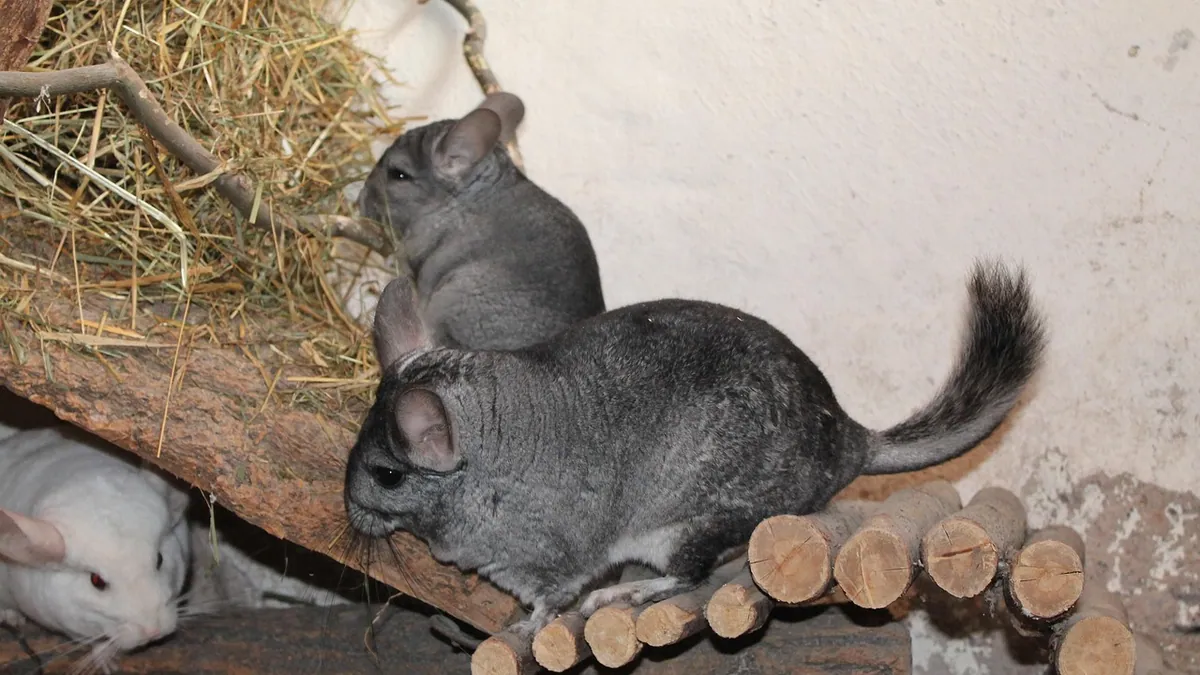
Yes, chinchillas drink water, but they drink far less than most other pets their size. They are desert-adapted rodents, so their bodies are built to conserve water, and they get much of their moisture from hay and fresh greens. What they must never do is bathe in water, because their dense coat traps moisture and can grow fungus or cause dangerous chilling.
This article is educational and is not a substitute for veterinary diagnosis or treatment.
Quick Answer
- Their water needs track with what they eat. Daily intake has been measured between 30 and 40 mL depending on the type of feed, which works out to roughly 1.5 to 3 mL of water per gram of dry matter eaten [1].
- Chinchillas prefer to drink from an open, heavy dish instead of a bottle with a nipple. In one study, every chinchilla tested chose the dish [2].
- Never bathe a chinchilla in water. They clean themselves with dust baths, and a wet coat can lead to skin and fur problems.
- A sudden, large increase in drinking is not normal for this species and can point to diabetes, kidney disease, or another medical problem.
How Much Water Does a Chinchilla Normally Drink?
Chinchilla water intake is small compared with rabbits, guinea pigs, and other small mammals. In a study that measured daily food and water intake, healthy chinchillas drank a mean of 15.9 mL of water per day alongside about 20.7 grams of food [3]. Another set of measurements found daily water intake ranging from 30 to 40 mL depending on the feed offered, averaging 1.5 to 3 mL per gram of dry matter consumed [1].
That range sounds wide, and it is. Water intake rises when the diet is dry (like alfalfa cubes) and falls when the feed holds more moisture [1]. Ambient temperature matters too, along with how much calcium and other kidney-cleared substances the chinchilla is eating [4].
So do chinchillas drink a lot of water? No. Compared with other small pets, chinchillas take in significantly less water, which reflects their natural adaptation to dry, semi-arid habitats [2]. A chinchilla that suddenly starts draining a large water bottle is not being healthy. That is a change worth investigating.
Do Chinchillas Like Water?
No, chinchillas do not like water on their bodies. They are not swimmers, and they do not seek out water to play in or cool off. Their natural response to a wet coat is stress, not enjoyment.
Their fur is extremely dense, and that density is the problem. Water does not evaporate quickly from it, so a soaked chinchilla stays damp for a long time. Damp fur is a setup for skin infections, fungal growth, and loss of body heat. A chinchilla that gets wet and cannot dry off can become chilled, which is a genuine health risk for a small animal.
This is why the answer to "do chinchillas bathe in water" is a firm no. Chinchillas bathe in dust, not water. A dust bath lets them absorb oils and debris from the coat without wetting it. If you want the full method, see our Chinchilla Dust Bath Guide and the Complete Veterinary Guide to Chinchilla Dust Baths.
Setting Up Water and Bathing: Step by Step
Step 1: Choose the right water source
Offer fresh, clean water at all times. Based on drinking preference research, an open heavy dish is the better choice for most chinchillas, since all chinchillas in one study favored an open dish over a nipple drinker [2]. A dish that cannot be tipped is safest.
If your chinchilla already uses a bottle well and drinks reliably from it, that can work. Just check the nozzle daily for clogs and leaks. A blocked bottle is a common cause of a chinchilla quietly going without water.
Step 2: Change and clean water daily
Refresh the water every day. Scrub the dish or bottle with hot water and a pet-safe cleaner, then rinse well. Biofilm builds up fast in a dish that sits out, especially in warm rooms.
Step 3: Keep the water cool and out of the sun
Chinchillas overheat easily. Place the water source in a shaded part of the enclosure, away from direct sun and heat sources. Cool, clean water supports normal intake.
Step 4: Feed a diet that supports healthy hydration
Most of a chinchilla's moisture comes from food, so diet and water are linked. Offer unlimited timothy hay, a small amount of pellets (1 to 2 tablespoons daily), and a handful of fresh dark green lettuce plus vegetables like bell peppers, carrot tops, or celery each day [5]. This fresh produce adds water along with fiber.
Avoid high-calcium vegetables such as kale, parsley, and dandelion greens, and skip alfalfa hay, because they can cause bladder stones [5]. Keep fruit to less than 10% of the diet, and avoid dried fruits, grains, seeds, and nuts, which can upset the stomach [5].
Step 5: Provide a dust bath, never a water bath
Give a dust bath a few times a week in a shallow container, and remove it after 10 to 15 minutes so it does not become a litter box. Never submerge your chinchilla or wash it with shampoo. If your chinchilla gets wet by accident, towel it dry gently and keep it warm until the coat is fully dry.
Daily and Weekly Chinchilla Care Checklist
| Task | How Often | Why It Matters |
|---|---|---|
| Fresh water | Daily | Supports normal intake and prevents stagnation |
| Clean water dish or bottle | Daily | Stops biofilm and bacterial growth |
| Fresh timothy hay | Daily | Fiber, dental wear, and moisture from food [5] |
| Pellets (1 to 2 tablespoons) | Daily | Balanced nutrients without excess calories [5] |
| Fresh greens and vegetables | Daily | Adds water and fiber to the diet [5] |
| Dust bath | A few times weekly | Cleans the coat without water |
| Weigh your chinchilla | Weekly | Early weight loss often signals illness |
| Check water level | Daily | A drop in drinking can mean a sick chinchilla |
For a broader routine, our Chinchilla Care Guide walks through housing, handling, and enrichment.
Signs Something Is Wrong
Drinking too much
A chinchilla drinking noticeably more than usual is a red flag. Because normal intake is so low, a real increase stands out. Possible causes include diabetes and kidney problems, and your veterinarian will need to run tests to sort out which one is happening. Do not wait weeks to see if it settles on its own.
Drinking too little
A chinchilla that stops drinking or drinks very little can dehydrate quickly. Insufficient water intake in these species has been linked to conditions such as urolithiasis (bladder stones) and constipation [2]. Check that the bottle is not clogged and the dish is not empty, then call your veterinarian if intake does not improve within a day.
Other warning signs
Watch for these along with any change in drinking:
- Weight loss or a bony spine and hips
- Sunken eyes or skin that stays tented when gently pinched
- Fewer or smaller droppings, or no droppings
- Drooling, pawing at the mouth, or trouble chewing (often dental)
- Lethargy, hiding, or a hunched posture
- Fur chewing, which raises heat loss and can push food and water intake up by roughly 25% and 33% [3]
- Straining to urinate or blood in the urine
Fur chewing is worth a closer look because it changes the body's heat balance. Chinchillas that chew their fur lose heat faster through damaged coat areas, and their measured food and water intake runs higher than in unaffected animals [3]. If you see patchy or chewed fur, treat it as a medical and welfare concern, not a grooming quirk.
Common Mistakes Owners Make
Bathing a chinchilla in water. This is the biggest one. Water baths strip the coat, trap moisture, and risk chilling. Dust baths are the correct method.
Assuming a chinchilla needs lots of water. They do not. Normal daily intake is small, so a big jump is meaningful, not a sign of good health.
Ignoring a clogged bottle. A silent bottle failure can leave a chinchilla without water for a day or more. Check the nozzle every morning.
Feeding too many pellets and treats. Pellets can be high in carbohydrates and calories, and they crumble instead of wearing down the teeth [5]. Hay does the dental work.
Giving high-calcium greens or alfalfa. These raise the risk of bladder stones [5], which ties directly into urinary health and water balance.
Skipping the dust bath. Without dust, oils and debris build up in the coat. A dirty coat is more prone to skin problems.
Missing subtle dehydration. Small mammals hide illness well. Weighing your chinchilla weekly catches problems earlier than waiting for obvious symptoms.
Supplies and Setup That Support Healthy Hydration
A few items make a real difference:
- A heavy ceramic water dish that will not tip, plus a backup bottle if your chinchilla uses one
- Unlimited fresh timothy hay, stored dry and well ventilated, replaced daily [5]
- A small scoop for measured pellets, so you stay in the 1 to 2 tablespoon range [5]
- A shallow dust bath container with chinchilla-safe dust
- A digital kitchen scale for weekly weigh-ins
- A thermometer to keep the room cool, since heat drives water loss and stress
If you travel, chinchillas do not handle it well. Use a knowledgeable pet sitter or a boarding facility, leave detailed care instructions and emergency contacts, and provide plenty of food, hay, bedding, and toys [6]. For car travel, use a hard plastic, chew-proof, well-ventilated carrier, keep it out of the sun, and bring water, food, hay, bedding, and toys [6]. Handle your chinchilla gently and calmly, since rough grabbing triggers fur slip, and the lost fur takes months to grow back [6].
Limitations and When to Contact a Veterinarian
This article gives general guidance. Every chinchilla is an individual, and only a veterinarian who examines your pet can diagnose and treat a specific problem.
Contact a veterinarian the same day if your chinchilla:
- Drinks far more or far less than usual for more than a day
- Has sunken eyes, tented skin, or a dry mouth
- Produces few or no droppings
- Stops eating or shows drooling and trouble chewing
- Loses weight between weekly weigh-ins
- Strains to urinate or has blood in the urine
Seek emergency care right away if your chinchilla:
- Collapses, cannot stand, or seems unresponsive
- Breathes with obvious effort or open-mouth breathing
- Has a seizure or sudden weakness
- Cannot urinate at all despite straining
- Becomes soaked and cannot be dried and warmed
Schedule a routine visit if you notice a slow trend, such as gradually increasing water intake, mild fur chewing, or a small but steady weight drop. Early lab work makes conditions like diabetes and kidney disease easier to manage.
Frequently Asked Questions
Do chinchillas drink water every day?
Yes, chinchillas drink water every day, but the amount is small. Always keep fresh water available so your chinchilla can drink when it needs to.
Do chinchillas like water?
No, chinchillas do not like water on their bodies. They are adapted to dry habitats and have no natural urge to swim or play in water. A wet coat stresses them and can lead to skin problems and chilling, so keep water for drinking only.
Can I give my chinchilla a water bath?
No, you should never give a chinchilla a water bath. Their dense coat holds moisture and dries slowly, which invites fungal and skin infections and can drop their body temperature. Use a dust bath instead, and if your chinchilla gets wet by accident, dry it gently and keep it warm.
Why is my chinchilla drinking so much water all of a sudden?
A sudden jump in drinking is not normal for a chinchilla and deserves a veterinary visit. Possible causes include diabetes and kidney disease, and testing is needed to tell them apart. Track how much your chinchilla drinks and how much it urinates, then call your veterinarian.
How can I tell if my chinchilla is dehydrated?
Signs of dehydration include sunken eyes, skin that stays tented when gently pinched, a dry mouth, weight loss, and fewer droppings. A dehydrated chinchilla may also be lethargic or refuse food. These signs mean you should contact a veterinarian promptly, because small mammals can decline quickly.
Related Articles
- The Complete Veterinary Guide to Chinchilla Dust Baths
- Chinchilla Dust Bath Guide
- Chinchilla Care Guide
- Chinchilla Peeing and Pooping a Lot: What's Normal?
- My Chinchilla Got Wet: What to Do
- What Do Chinchillas Eat? Safe Foods and Daily Diet
References
- The nutrition of the chinchilla as a companion animal--basic data, influences and dependences. Journal of animal physiology and animal nutrition, 2003.
- Drinking preferences in chinchillas (Chinchilla laniger), degus (Octodon degu) and guinea pigs (Cavia porcellus). Journal of animal physiology and animal nutrition, 2014.
- Infrared Thermography as an Indicator of Heat Loss in Fur-Chewing Chinchillas (Chinchilla Lanigera). Journal of applied animal welfare science : JAAWS, 2020.
- Water consumption in small mammals (dwarf rabbits, Guinea pigs and chinchillas): New data about possible influencing factors. Research in veterinary science, 2020.
- Diet for a Chinchilla - All Other Pets. Merck Veterinary Manual.
- Special Considerations for Chinchillas - All Other Pets. Merck Veterinary Manual.