How to Tell If Your Chinchilla Is Male or Female
By Dr. Zubair Khalid, DVM, MS, PhD ·
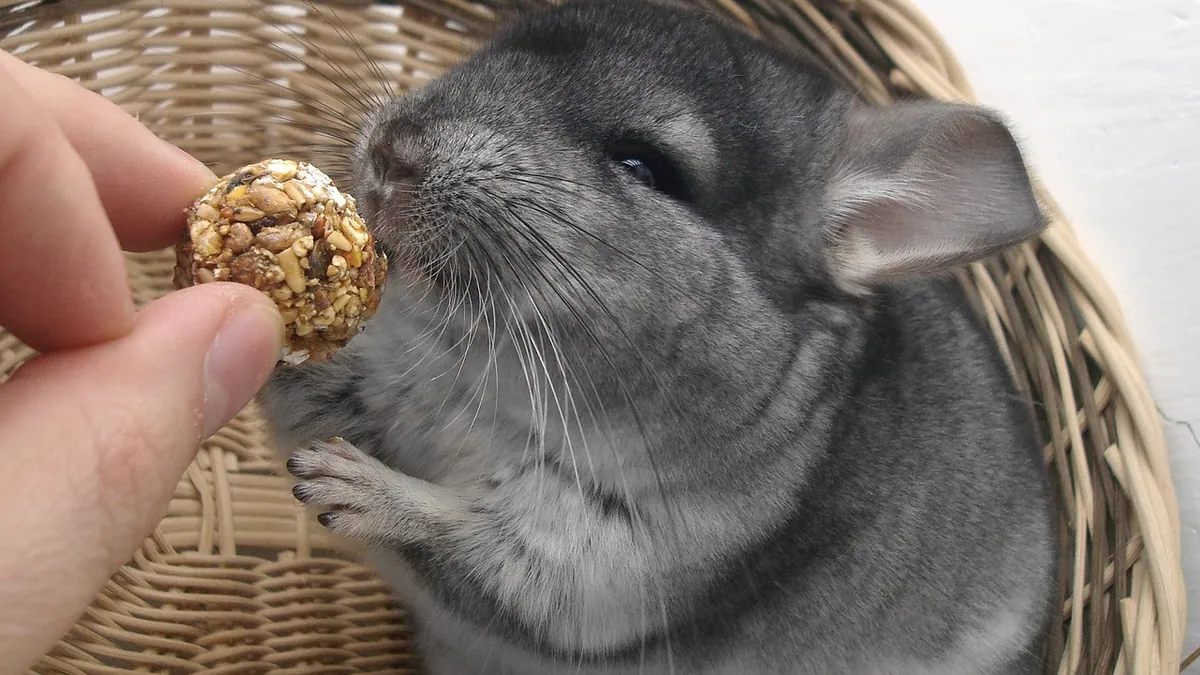
If you want to know how to tell if my chinchilla is a boy or girl, the answer comes down to one measurement: the gap between the anus and the genital opening. Males have a noticeably larger space between the two openings, while females have almost none. This article is educational and is not a substitute for veterinary diagnosis or treatment.
Quick Answer
- Look at the gap, not the shape. A wide space (roughly the width of a pencil eraser or more) points to male. A tiny space, where the two openings almost touch, points to female.
- Do the check with the chinchilla on a flat surface, not held up in the air, so it feels stable and you can see clearly.
- Never squeeze or press the belly to make the genitals "pop out." That is a common internet trick that can hurt your pet.
- Check both chinchillas if you have a pair. Same-sex pairs are often sold incorrectly, and a mis-sexed pair can produce kits within months.
- If you cannot see clearly, stop and let a veterinarian confirm. A two-minute exam is far safer than a guess.
How to Tell If Your Chinchilla Is Male or Female: Step by Step
Chinchillas are rodents native to the Andes Mountains in South America, and they are now bred widely across the United States and Canada as pets [1]. They are usually calm and curious, and they rarely bite unless they feel stressed [1]. That calm nature works in your favor here. A short, gentle handling session is usually all you need.
Step 1: Pick a calm moment
Choose a time when your chinchilla is awake and relaxed, not right after a loud noise or a chase around the cage. Move slowly and quietly so you do not scare it, let it sniff your fingers, then lift it by supporting its body with both hands and hold it close so it feels safe [2]. If it cries and struggles when you pick it up, it may not be used to handling yet, and gentle daily handling over a few weeks can change that [2].
Step 2: Set up your viewing position
Sit down and rest the chinchilla on your lap or on a towel on a table. Turn it so its rear end faces you and its front paws rest on your forearm. This position keeps the hindquarters still without dangling the animal. A second person can hold a small flashlight at an angle so the area is well lit.
Step 3: Find the two openings
Part the fur gently with two fingers. You are looking for two separate features:
- The anus, which sits closest to the tail and looks like a small round opening.
- The genital opening, which sits closer to the belly.
On a male, the penis sits inside a small sheath, so you may see a rounded nub or a short slit instead of an obvious hole. On a female, you will see a slit or a small cone-shaped opening, and the urinary and genital openings are close together.
Step 4: Measure the distance
This is the part that settles the question. Compare the space between the anus and the genital opening:
- Male: a clear gap, often described as roughly the width of a pencil eraser or wider. The two openings look like separate landmarks.
- Female: almost no gap. The openings sit close together, sometimes appearing as one combined area with a small slit.
Step 5: Confirm and record
Look two or three times from slightly different angles before you decide. Write down what you saw and the date. If you plan to house chinchillas together, this record matters later.
Comparison Table: Male vs Female Chinchilla
| Feature | Male | Female |
|---|---|---|
| Ano-genital distance | Wide gap between anus and genital opening | Very small gap, openings nearly touching |
| Genital appearance | Rounded nub or short slit over a sheath | Slit or small cone-shaped opening |
| Urine stream | Directed forward from the sheath | Directed backward toward the tail |
| Typical body size | Often slightly larger | Often slightly smaller |
| Behavior during handling | May drag hindquarters or leave a scent trail | May urinate when startled |
Size differences between the sexes are not reliable on their own. In related rodent species, sexual dimorphism in the skull is linked to the development of chewing muscles, and even there the differences are subtle [3]. Use the gap, not the body size, as your main clue.
When a Same-Sex Pair Is Actually a Breeding Pair
This is the most common reason owners end up with an unexpected litter. Pet stores and even some breeders mis-sex young chinchillas, and the error is easy to make when the animals are small and wriggling.
If you have two chinchillas and one turns out to be male, assume breeding is possible immediately. Chinchillas can breed year-round, and a male can be mated to multiple females over his lifetime [4]. A single missed check can turn a "pair of girls" into a family of five or six within a few months.
What to do right away:
- Separate them. House the male in a separate cage with no shared playtime until you have a plan.
- Assume the female may already be pregnant. Gestation in chinchillas runs roughly 111 days, so a pregnancy may not be obvious for weeks.
- Weigh the female weekly on a kitchen scale and keep a log. A steady rise is a signal to call your veterinarian.
- Do not rehome kits hastily. Kits need their mother, and a veterinarian can help you plan.
If you are unsure about the sex of either animal, have a veterinarian confirm before you put them back together. For general housing and husbandry basics, see our Chinchilla Care Guide.
Signs Something Is Wrong
Sexing itself should not cause problems if you are gentle. But the exam can reveal issues you did not expect, and some of those need veterinary attention.
Watch for these signs:
- Redness, swelling, or discharge around either opening.
- A crusty or matted area under the tail that does not clean up with a soft damp cloth.
- Straining to urinate or crying out when passing urine.
- Wet fur around the mouth or chin, which can point to dental problems [2].
- Cloudy, watery, or discharging eyes, or any discharge from the ears or nose, which can mean the chinchilla is sick [2].
- Weight loss in a female you thought was pregnant.
- Blood on the bedding or on the fur around the genitals.
Any of these findings is a reason to book a veterinary visit. A hands-off exam by a veterinarian is safer than repeated home checks on a sore animal.
Common Mistakes Owners Make
Pressing the belly to "make it show"
This is the single most common mistake. Pressing on the abdomen of a small rodent can cause pain, and in a pregnant female it can be dangerous. You do not need to do this. The gap between the openings tells you what you need to know.
Relying on the pet store's label
Retail labels are frequently wrong. Treat the label as a starting point, then verify yourself or with your veterinarian.
Checking a squirming chinchilla alone
If the animal will not hold still, you will misread the anatomy. Ask someone to help, or wait for a calmer moment. Stressed chinchillas may urinate or nip, and a frightened animal is harder to read accurately.
Assuming behavior tells you the sex
Mounting, humping, and chasing happen in both sexes. A female in heat may mount a cagemate, and a male may mount anything nearby. Behavior is not a reliable sexing method.
Forgetting that young chinchillas change
Kits and very young chinchillas have small anatomy that is easy to misread. If you sex a kit, recheck at 8 to 12 weeks and again at 6 months.
Skipping the pre-introduction vet visit
Before bringing a chinchilla home, have a veterinarian examine it and test for parasites, and ask whether you can return the animal if it becomes sick [2]. This is also the perfect time to have the sex confirmed.
Supplies and Setup That Make This Easier
You do not need much, but a few items make the check safer and faster.
- A nonslip towel or mat. It gives the chinchilla footing and keeps it from scrambling.
- A small flashlight or a phone light. Good lighting is the difference between a clear read and a guess.
- A kitchen scale that reads in grams. Weekly weights are the best early warning for pregnancy or illness.
- A soft damp cloth. For gentle cleanup if fur is soiled.
- A second pair of hands. Optional, but helpful for wriggly animals.
- A notebook or phone note. Track the date, what you saw, and any changes.
Keep handling sessions short. Chinchillas that are handled often when young become tame and bond with their owners, while animals that are not handled regularly can become nervous and fearful [1]. A calm, brief check builds trust instead of breaking it.
If you are also managing other pets in the house, our guides on how to know if your dog has worms and chinchilla care for shell and skin health cover common household concerns.
Limitations and When to Contact a Veterinarian
Home sexing has real limits. Young animals, overweight animals, and stressed animals are all hard to read. If you have checked twice and still are not sure, stop and let a veterinarian settle it. Individual cases need a veterinarian, and no article can replace an in-person exam.
Contact a veterinarian the same day if you see:
- Bleeding from the genital area or anus.
- A swollen, red, or discharging opening.
- Straining to urinate, or no urine for several hours.
- A female that was housed with a male and is now losing weight or acting unwell.
- Any chinchilla that stops eating or drinking.
Go to an emergency clinic now if:
- Your chinchilla is breathing with its mouth open, gasping, or lying on its side and unresponsive.
- There is heavy bleeding or a prolapsed tissue visible at the rear end.
- Your chinchilla has collapsed, is having seizures, or cannot stand.
Book a routine visit if:
- You want the sex confirmed before housing two chinchillas together.
- You suspect a pregnancy and want a plan for the birth.
- You notice a gradual change in weight, appetite, or droppings.
For general questions about how domestication has shaped chinchilla behavior and health, see Chinchilla Wild vs Domestic: Behavioral and Physiological Differences.
Frequently Asked Questions
Can I tell the sex without picking my chinchilla up?
Not reliably. You need a clear view of the rear end, and that usually means lifting the animal gently or having someone hold it steady on a towel. A hands-off approach works only if your chinchilla will stand still on a flat surface with its hindquarters angled toward you.
At what age can you sex a chinchilla accurately?
Sexing is easiest from about 8 weeks onward, once the anatomy is a bit larger. Kits can be checked earlier, but the margin for error is higher, so plan to recheck at 8 to 12 weeks and again at 6 months.
Is it true that males have a wider gap than females?
Yes. The ano-genital distance is the most dependable difference. A male has a clear space between the anus and the genital opening, while a female's openings sit very close together.
What if I bought two females and one turns out to be male?
Separate them right away and assume the female may already be pregnant. Call your veterinarian to confirm the sexes and to plan for a possible litter. Do not wait for visible signs before acting.
Can a veterinarian sex my chinchilla during a routine visit?
Yes, and it is a good idea to ask. A pre-purchase exam is also the right time to check the eyes, teeth, and overall health, and to test for parasites [2]. Ask the clinic to note the sex in your pet's record so you have it in writing.
Related Articles
- Chinchilla Care Guide
- Chinchilla Wild vs Domestic: Behavioral and Physiological Differences
- Chinchilla Care: Pyramiding & Shell Health Management
- How to Tell If Your Chinchilla Is Pregnant
References
- Description and Physical Characteristics of Chinchillas - All Other Pets. Merck Veterinary Manual.
- Selecting a Chinchilla - All Other Pets. Merck Veterinary Manual.
- Postnatal Skull Development Reveals a Conservative Pattern in Living and Fossil Vizcachas Genus Lagostomus (Rodentia, Chinchillidae). Journal of morphology, 2024.
- The analysis of chinchilla (Chinchilla lanigera, M.) male reproduction. The case of a leading polish breeding farm. Animal science journal = Nihon chikusan Gakkaiho, 2020.