Why Is My Chinchilla Crying? Causes and When to Worry
By Dr. Zubair Khalid, DVM, MS, PhD ·
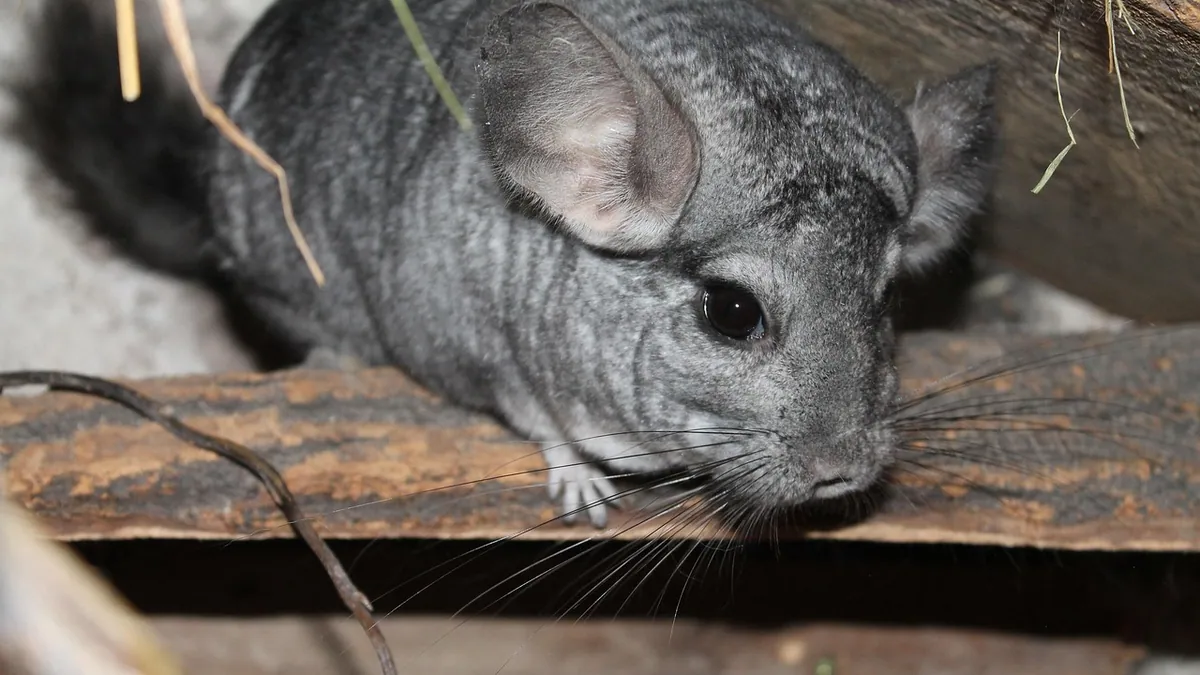
A chinchilla that sounds like it is crying is usually making a distress call, not shedding tears. Chinchillas do not cry the way people do. The sound owners describe as crying is a bark or squeal that means fear, pain, or a bid for attention. This article is educational and is not a substitute for veterinary diagnosis or treatment.
Quick Answer
- A crying or barking chinchilla is almost always vocalizing distress, not producing tears [1].
- Sudden crying with hiding, hunched posture, or not eating points to pain or illness and needs a vet visit.
- Chinchillas are social animals, and a lone chinchilla may cry more from stress or boredom [2].
- Check the basics first: cage size, a quiet room, constant hay and water, and a dust bath.
- Never punish a crying chinchilla. Punishment adds stress and makes the behavior worse.
Why Is My Chinchilla Crying? Normal Reasons First
Chinchillas are quiet most of the time. They use a range of sounds, and the bark call is the one that gets described as crying. Research on domestic chinchillas shows the bark is produced in a distress context, and each animal's bark has its own acoustic signature [1]. In other words, your chinchilla is saying something specific, and it is usually "I am not okay right now."
Common normal triggers include:
Fear or a sudden scare. A loud noise, a dropped object, a strange animal, or a fast hand movement can set off a bark. Chinchillas are prey animals, so a startle response is normal and often brief.
Being picked up incorrectly. A chinchilla should be picked up by the base of the tail while your other hand supports the body underneath [3]. Grabbing fur, scruffing roughly, or scooping without support can trigger a distress call.
Loneliness or boredom. Chinchillas are social, and keeping them alone is a welfare concern. In a survey of 336 pet chinchilla caretakers, 14.3% kept their chinchilla individually [2]. A single chinchilla with little interaction may vocalize more.
Changes in the home. A move, a new pet, a new person, or a rearranged cage can all cause stress vocalizing. Travel is stressful for chinchillas and is not recommended unless it is necessary [3].
Pain or discomfort. This is the reason that matters most. A chinchilla in pain may cry when touched, when chewing, or when passing stool or urine.
A demand for attention or food. Some chinchillas learn that a sharp bark brings a person over. If the sound happens at the same time each day and stops once you arrive, that is a strong clue.
Medical Causes to Rule Out
If the crying is new, frequent, or paired with other changes, think medical before behavioral. Chinchillas hide illness well, so a crying chinchilla may be further along than it looks.
Dental disease
Dental problems are one of the most common health issues in pet chinchillas. A study of 100 chinchillas that had skull CT scans found apical elongation of premolar or molar teeth in 97 of them, sharp dental points in 91, and tooth curvature in 92 [4]. These changes cause pain when chewing. A chinchilla with dental pain may cry while eating, drop food, drool, or lose weight. This is a strong reason to book a veterinary visit.
Gastrointestinal problems
Chinchillas have a sensitive digestive tract. Reduced appetite, small or missing droppings, and a hunched posture can accompany crying. Learn the warning signs in our guide to Chinchilla Gastrointestinal Stasis: Causes, Signs, and Management.
Respiratory disease
Labored breathing, nasal discharge, and a distressed sound can point to a respiratory infection. See Chinchilla Respiratory Infections: Causes, Signs, and Treatment for what to watch for.
Injury or fracture
Chinchillas have fragile bones and can break a leg in a fall or a cage accident. A sudden loud cry followed by limping, holding up a limb, or refusing to move needs same-day care.
Skin and fur problems
Fur biting and skin irritation can cause discomfort. In the same survey, fur biting was reported as never occurring in 82.9% of chinchillas, so it is not a normal habit [2]. If your chinchilla cries when you touch a certain area, look closely at the skin and fur.
Reproductive issues
Pregnant females should be handled only when necessary to reduce stress and the risk of miscarriage [3]. A pregnant or recently bred female that cries when handled needs veterinary advice, not home treatment.
Pain from an unknown source
Any chinchilla that cries when picked up, when urinating, or when defecating should be examined. The veterinarian will calculate any medication dose from your pet's weight and health.
When Crying Becomes a Problem
A single bark after a scare is not a problem. A pattern is.
Signs the behavior has crossed into a welfare concern:
- Crying several times a day for more than a few days
- Crying that starts when you approach the cage, which can mean handling hurts
- Crying with appetite loss, weight loss, or fewer droppings
- Crying with hiding, teeth grinding, or a hunched posture
- Crying that continues after you fix the obvious trigger
- Self-trauma such as fur biting or chewing at the skin
Cage conditions matter here. In one study, 27.6% of respondents in Austria reported undersized cages or enclosures for their chinchillas [2]. A cramped cage limits movement and can raise stress. Research on farmed female chinchillas found that cage type and complexity affect behavior and how the animals react to humans [5]. A larger enclosure with deep bedding and things to explore supports better welfare.
What to Do Step by Step
Step 1: Observe before you act
Stand back and watch for a few minutes. Note the time of day, what happened right before the sound, your chinchilla's posture, and whether it is eating and passing droppings. This information helps your veterinarian.
Step 2: Check the environment
Look for the trigger. A new object, a barking dog nearby, a draft, or a hot room can all cause distress. Chinchillas should be boarded away from barking dogs or predators if you must leave them [3].
Step 3: Review the basics
Constant access to water and hay, a dust bath, and a properly sized cage are core needs [2]. Fix gaps here before assuming a behavior problem.
Step 4: Handle gently and correctly
Support the body underneath and hold the base of the tail when you pick your chinchilla up [3]. Keep sessions short. If your chinchilla cries every time you pick it up, stop and let a veterinarian examine it.
Step 5: Add enrichment
Offer safe chew items, a hide box, a wheel sized for chinchillas, and daily out-of-cage time in a chinchilla-proofed space. Rotate toys so the cage stays interesting.
Step 6: Build trust slowly
Sit near the cage and talk softly. Offer a treat from a flat palm. Let your chinchilla come to you. For a full rundown of housing, diet, and handling, see our Chinchilla Care Guide.
Step 7: Track the pattern
Keep a simple log for one to two weeks. Write down when the crying happens, what you did, and what changed. Bring the log to your appointment.
What Not to Do
Do not punish or spray your chinchilla. Punishment does not teach a prey animal to feel safe. It increases fear and can make the crying worse.
Do not assume it is just attention seeking. Rule out pain first. Dental disease and gut problems are common and easy to miss [4].
Do not handle a pregnant female more than needed. Stress can raise the risk of miscarriage [3].
Do not travel with your chinchilla unless you must. Travel is stressful for this species, and a reliable pet sitter or a knowledgeable boarding facility is usually the better choice [3]. If boarding, leave detailed care instructions, emergency contacts, and plenty of food, hay, bedding, and toys, and have the sitter practice care before you leave [3].
Do not ignore a sudden change in droppings. Small, dry, or missing droppings with crying is a medical problem, not a mood.
Do not use home remedies or leftover medications. Chinchillas can react badly to some drugs, and dosing is not the same as for other pets. Your veterinarian will calculate the dose from your pet's weight and health.
Do not buy a second chinchilla as a quick fix. Company can help, but introductions need planning and a proper setup. A rushed pairing can lead to fighting and injury.
When to Involve a Veterinarian or Behavior Professional
Call a veterinarian who treats exotic pets if the crying is new, frequent, or comes with any change in eating, drinking, droppings, breathing, or movement. Chinchillas are small and decline quickly, so early exams matter.
A certified behavior professional can help when your veterinarian has ruled out medical causes and the crying is tied to fear, handling, or environment. Behavior work and medical care often go together. If your chinchilla is stressed by handling, a behavior plan can reduce the crying over time.
Limitations and When to Contact a Veterinarian
This article cannot tell you what is wrong with your individual chinchilla. Only a veterinarian who examines your pet can do that.
Contact a veterinarian the same day if you see:
- Crying that started suddenly and will not stop
- Not eating or not drinking for several hours
- Droppings that are small, few, or absent
- Drooling, dropping food, or weight loss
- Crying when touched on the belly, face, or mouth
- Limping or reluctance to move
- Eye or nose discharge
Go to an emergency clinic now if you see:
- Labored breathing, open-mouth breathing, or blue gums
- A seizure, collapse, or unresponsiveness
- Heavy bleeding or a visible broken bone
- A fall from height with crying and inability to stand
- Straining to urinate with no urine produced
Book a routine visit if you see:
- Crying that comes and goes over weeks
- Fur biting, barbering, or skin chewing
- A cage that may be too small or a setup that needs review
- A single chinchilla that seems withdrawn or bored
Frequently Asked Questions
Does a crying chinchilla mean it is sad?
No, a crying sound in chinchillas is a distress call, not an emotion like human sadness. It usually means fear, pain, or a request for something. Look at the context and the rest of your chinchilla's behavior to judge what it needs.
What does a chinchilla crying sound like?
It sounds like a short, sharp bark or a high squeal, sometimes repeated in a series. Owners often compare it to a small dog's bark. Each chinchilla's bark has its own acoustic pattern, so the exact pitch varies by animal.
Can a chinchilla cry tears?
No, chinchillas do not produce emotional tears. Any wetness around the eyes is discharge, which can signal irritation or infection. Eye or nose discharge with crying warrants a veterinary exam.
Is my chinchilla crying because it is lonely?
It can be, especially if it lives alone with little daily interaction. Chinchillas are social animals, and individual housing is a known welfare concern. More handling, enrichment, and time out of the cage often help, and a carefully planned companion may help too.
Should I get a second chinchilla to stop the crying?
Not as a first step. Rule out pain and illness with a veterinarian, then improve the current setup. If you do add a companion, plan a slow introduction with separate housing at first, and watch for fighting.
Can stress cause other health problems in my chinchilla?
Yes, ongoing stress can affect appetite, digestion, and overall health. A stressed chinchilla may eat less, which can lead to gut stasis. Fixing the environment and getting a veterinary check are both part of the plan.
Related Articles
- Chinchilla Respiratory Infections: Causes, Signs, and Treatment
- Chinchilla Care Guide
- Chinchilla Gastrointestinal Stasis: Causes, Signs, and Management
- Why Is My Chinchilla Making a Weird Noise? Sounds Guide
- Why Is My Chinchilla Chirping? What the Sound Means
- Why Is My Chinchilla Not Eating? Causes and What to Do
References
- Individual and sex distinctiveness in bark calls of domestic chinchillas elicited in a distress context. The Journal of the Acoustical Society of America, 2015.
- Husbandry Conditions and Welfare State of Pet Chinchillas (Chinchilla lanigera) and Caretakers' Perceptions of Stress and Emotional Closeness to Their Animals. Animals : an open access journal from MDPI, 2024.
- Special Considerations for Chinchillas - All Other Pets. Merck Veterinary Manual.
- Computed tomography findings and severity grading of acquired dental disease in chinchillas (Chinchilla lanigera): 100 cases (2007-2023). Journal of the American Veterinary Medical Association, 2026.
- The effects of age, size, and cage complexity on the behaviour of farmed female chinchillas (Chinchilla lanigera). Scientific reports, 2023.