Can Rats Eat Chocolate? Toxicity and Safety
By Dr. Zubair Khalid, DVM, MS, PhD ·
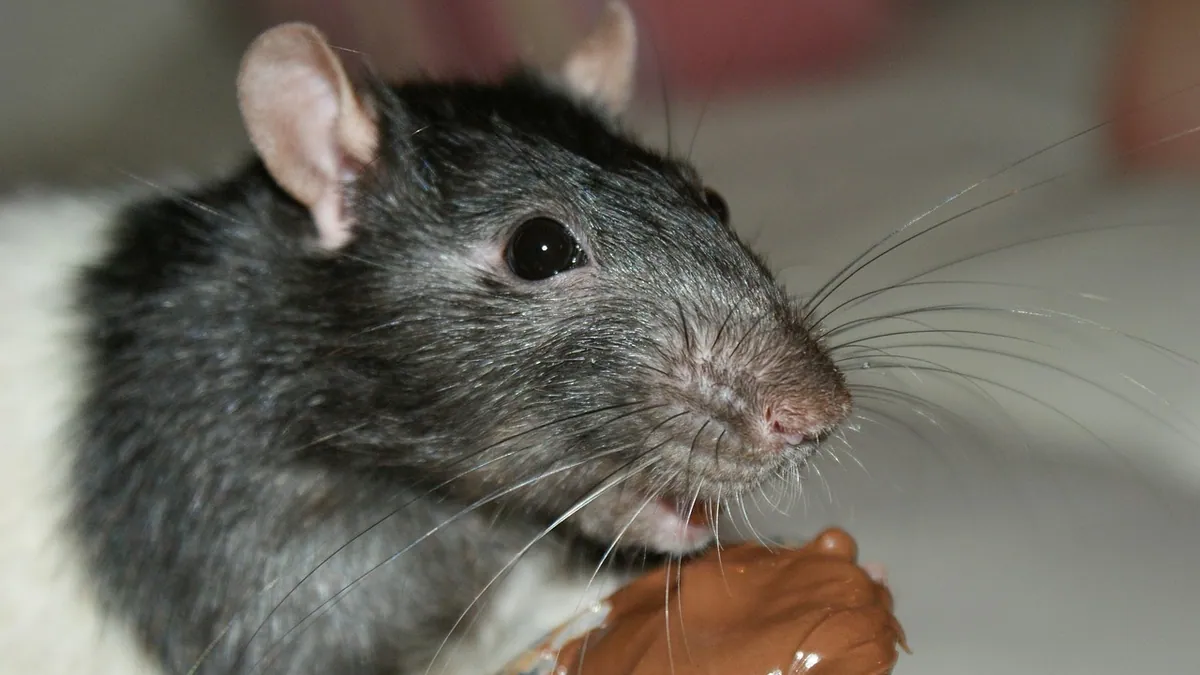
Can rats eat chocolate? No. Chocolate contains theobromine and caffeine, two stimulants that rats cannot process safely, and even a small piece can cause serious problems in a small body. If your rat ate chocolate, treat it as a possible poisoning and call for advice right away.
This article is educational and is not a substitute for veterinary diagnosis or treatment.
Quick Answer
- Chocolate is toxic to rats because of theobromine and caffeine, which overstimulate the heart and nervous system [1].
- Dark chocolate and baking chocolate are the most dangerous because they contain the highest levels of these compounds [1].
- White chocolate has very little theobromine, but it is still high in fat and sugar and offers no benefit to a rat.
- Rats cannot vomit, so never try to make your rat throw up. Call a veterinarian or a poison control hotline instead.
- Watch for drooling, restlessness, fast heartbeat, tremors, or seizures, and get help the same day.
Is Chocolate Toxic to Rats?
Yes. Chocolate toxicosis happens when an animal eats too much of the methylxanthines theobromine and caffeine, and many species are susceptible, not only dogs [1]. Dogs are the most commonly affected animals because they eat almost anything and can reach chocolate easily, but the same toxic compounds act on rats [1].
Rats are small, so the amount needed to cause harm is small too. A piece of candy that seems tiny to you can be a meaningful dose to a 300 gram rat. That is why any chocolate ingestion in a pet rat deserves a phone call, even if your rat seems fine at first.
Which Types of Chocolate Are Riskiest?
The risk depends on how much theobromine and caffeine the product contains. In chocolate, theobromine is present at 3 to 10 times the concentration of caffeine, and both contribute to poisoning [1].
- Baking chocolate and dark chocolate: Highest risk. These have the most cocoa solids and therefore the most theobromine.
- Milk chocolate: Moderate risk. It has less cocoa, but a rat does not need much.
- White chocolate: Lowest theobromine content, since it contains cocoa butter but little or no cocoa solids. The main concerns are fat, sugar, and any added ingredients like raisins, nuts, or xylitol.
- Cocoa powder, cocoa nibs, and chocolate-covered treats: Treat these like dark chocolate. They are concentrated sources.
If you are trying to compare chocolate products for another pet, our guide on how much chocolate can be toxic to dogs explains how cocoa content changes the risk. The same principle applies to rats, just at a much smaller scale.
Can Rats Eat Dark Chocolate?
No. Dark chocolate is the worst choice for a rat because it carries the highest theobromine load per gram [1]. Some owners hear that dark chocolate is "healthier" for people and assume the same for pets. For a rat, the opposite is true. The darker the chocolate, the more toxic it is likely to be.
Can Rats Eat White Chocolate?
White chocolate is not a safe treat either. It has far less theobromine than dark chocolate, but it is still a dense source of fat and sugar that can upset a rat's digestion and lead to diarrhea or bloating. There is no nutritional reason to feed it, and small rodents do not handle rich, sugary foods well.
What Theobromine and Caffeine Do in the Body
Theobromine and caffeine belong to a group of compounds called methylxanthines [1]. In people, these compounds are mild stimulants. In rats, the dose relative to body size is often much larger, and the effects hit the heart and nervous system hard.
These compounds increase heart rate, raise body temperature, and overstimulate the central nervous system [1]. In severe cases, chocolate toxicosis can cause life-threatening heart rhythm problems and nervous system dysfunction [1]. Caffeine also has measurable behavioral effects in rats, including drug discrimination and conditioned taste avoidance responses in laboratory studies [2]. That tells us rats are sensitive to caffeine's effects on the brain and behavior, not just the heart.
Theobromine is not only a toxin. Research in other contexts shows it can affect fat tissue, inflammation, and blood pressure [3]. Those findings come from studies of therapeutic use, not from treating poisoned pets, but they confirm that theobromine is biologically active in the body instead of an inert ingredient.
Signs of Chocolate Poisoning in Rats
Signs of methylxanthine toxicity include restlessness, agitation, high body temperature, fast heart rate, and in severe cases seizures [1]. In rats, you may also see:
- Drooling or pawing at the mouth
- Pacing, trembling, or unusual hyperactivity
- Hunching, lethargy, or hiding
- Not eating or drinking
- Small or no droppings
- Bloated belly or diarrhea
- Rapid breathing
- Collapse or seizure activity
Remember that rats, like rabbits and other small rodents, cannot vomit. Vomiting is a common sign in dogs with chocolate poisoning, but you will not see it in your rat, and you should never try to force it.
How Soon Do Signs Appear?
Signs usually show up within a few hours of eating chocolate, though the exact timing depends on how much was eaten and how much food was in the stomach. Some rats show mild restlessness first, then worsen. Others seem normal for hours before signs appear. Because of that delay, do not assume your rat is safe just because it looks fine right after eating chocolate.
What to Do Right Now
- Remove the chocolate. Take the rest of the product away and keep your rat in a quiet, safe space where you can watch it.
- Figure out what was eaten. Note the type of chocolate, the approximate amount, and the time it happened. Keep the wrapper if you have it.
- Call for guidance. Contact your veterinarian, the ASPCA Animal Poison Control Center at (888) 426-4435, or Pet Poison Helpline at (855) 764-7661. These services can help you decide whether your rat needs to be seen.
- Do not induce vomiting. Rats cannot vomit, and trying to make them do so can cause choking or injury.
- Do not give home remedies. Do not give milk, oil, activated charcoal, or any medication unless a veterinarian tells you to.
If you have other pets at home, keep chocolate well out of reach for all of them. Our article on can cats eat chocolate toxicity and emergency response covers the same emergency steps for cats.
How Veterinarians Treat Chocolate Poisoning in Rats
Treatment focuses on calming the heart and nervous system. Veterinarians use antiarrhythmic drugs and sedatives to reduce cardiovascular and central nervous system effects [1]. There is no simple bedside test that confirms chocolate poisoning, so diagnosis is based on the history you provide and the signs your rat is showing [1].
Depending on your rat's condition, your veterinarian may:
- Give fluids under the skin or into a vein
- Use medication to control heart rhythm or seizures
- Provide supportive care such as warmth, oxygen, or a quiet environment
- Monitor heart rate, breathing, and body temperature
Any drug doses are calculated by your veterinarian based on your rat's weight and health. There is no safe at-home dose you can give on your own.
Outlook After Chocolate Ingestion
The outlook depends on how much chocolate was eaten, what type it was, how quickly treatment started, and your rat's overall health. Mild cases often improve with supportive care. Severe cases with seizures or heart rhythm problems carry a much higher risk, since chocolate toxicosis can be life-threatening when the heart and brain are affected [1].
Rats are small and can decline quickly. If your rat is already showing tremors, collapse, or seizures, that is an emergency. Do not wait to see if it passes.
Prevention and Safer Alternatives
The simplest prevention is to treat all chocolate as off limits for your rat and to store it where your rat cannot reach it. Rats are clever climbers and chewers, so a closed bag on a low shelf is not enough.
Safe treats for rats include small pieces of plain vegetables, a bit of fruit, and plain cooked grains in moderation. Keep portions small, since rats have small stomachs and rich foods can cause digestive upset.
If you want to understand how chocolate risk is calculated for other pets, our chocolate toxicity calculator canine resource shows how weight and chocolate type factor in. The math differs for rats, but the concept is the same: smaller body, bigger risk.
Limitations and When to Contact a Veterinarian
This article cannot tell you whether your specific rat will be fine. Only a veterinarian who examines your rat can do that. Use these guidelines:
- Emergency now: seizure activity, collapse, trouble breathing, extreme restlessness, or a rat that will not respond to you.
- Same day: drooling, trembling, pacing, not eating, small or no droppings, or any known ingestion of dark or baking chocolate.
- Routine visit: your rat ate a tiny amount of milk or white chocolate and seems completely normal. Call first, since your veterinarian may still want to check it.
When in doubt, call. A phone call costs you a few minutes. Waiting can cost your rat its life.
Frequently Asked Questions
Can a rat survive eating chocolate?
Yes, some rats recover, especially with quick treatment and a small exposure. The outcome depends on the type and amount of chocolate, your rat's size, and how fast you get veterinary help. Severe cases involving seizures or heart problems are much more dangerous.
How much chocolate is dangerous for a rat?
There is no published safe amount for pet rats, so no reliable threshold exists. Because rats are so small, even a small piece of dark or baking chocolate can deliver a meaningful dose of theobromine. Your veterinarian can assess the risk based on your rat's weight and what it ate.
Does chocolate affect male and female rats differently?
Research on caffeine in rats has looked at hormonal effects, and one study found that caffeine did not act as an estrogen agonist in a validated rat model [4]. That does not mean chocolate is safe for either sex. It simply means the hormonal question is separate from the toxicity question. Both male and female rats are at risk from theobromine and caffeine.
Can I just watch my rat at home instead of calling?
You can watch your rat, but you should still call for advice. Signs can take hours to appear, and rats hide illness well. A veterinarian or poison control specialist can tell you what to watch for and whether your rat needs to be seen.
Are there any chocolate products that are safe for rats?
No chocolate product is a safe treat for a rat. White chocolate has less theobromine, but it is still high in fat and sugar, and it may contain other risky ingredients. Choose plain vegetables, small fruit pieces, or plain grains instead.
Related Articles
References
- Chocolate Toxicosis in Animals - Toxicology. Merck Veterinary Manual.
- Involvement of the α1-adrenergic receptor in caffeine-induced drug discrimination and conditioned taste avoidance in rats. Physiology & behavior, 2026.
- The Therapeutic Potential of Theobromine in Obesity: A Comprehensive Review. Nutrition reviews, 2025.
- Caffeine attenuates estradiol-stimulated uterine growth in an OECD 440-compliant bioassay using immature rats. Chemico-biological interactions, 2026.