Can Hamsters Eat Oats? Rolled, Quick, and Quaker Oats
By Dr. Zubair Khalid, DVM, MS, PhD ·
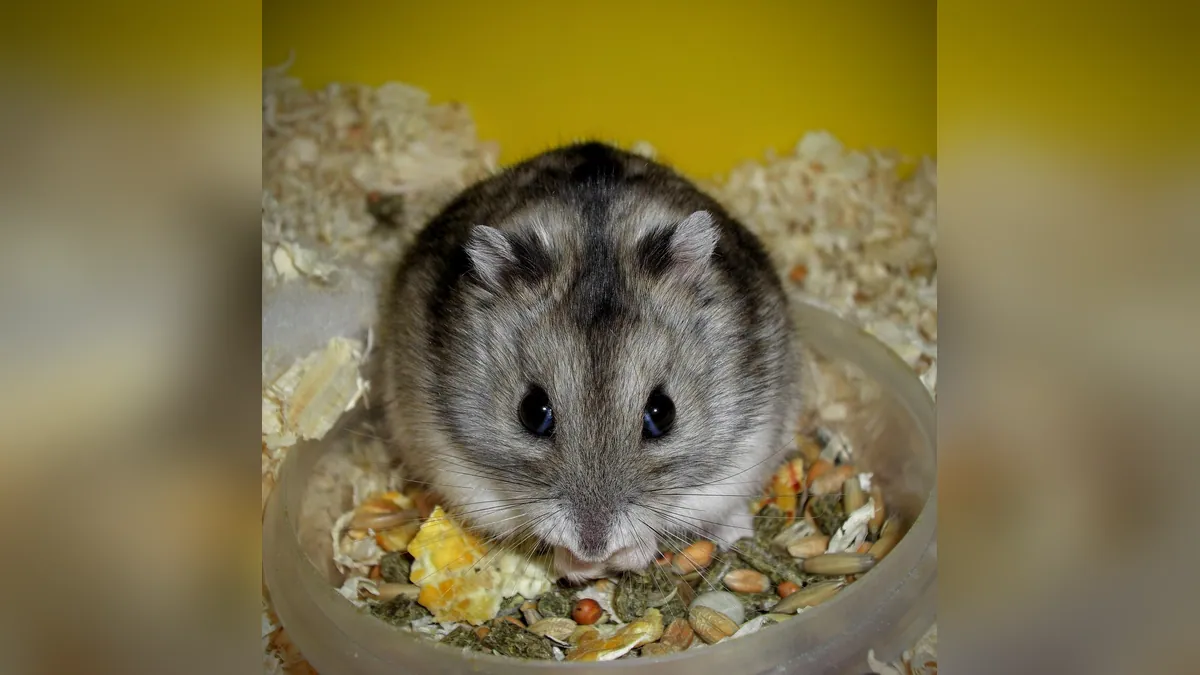
Yes, hamsters can eat oats, but only plain, unflavored types and only in small amounts. Oats are a grain, not a complete meal, so they work best as an occasional treat alongside a balanced pelleted diet. Sugary or flavored oat cereals can harm your hamster and should stay out of the cage.
This article is educational and is not a substitute for veterinary diagnosis or treatment.
Quick Answer
- Plain rolled oats, quick oats, and steel-cut oats are safe in small amounts for healthy hamsters.
- Plain Quaker Oats (the original rolled or quick variety) is safe as long as it has no added sugar, honey, salt, or flavorings.
- Honey Bunches of Oats and similar sweetened cereals are not safe because of added sugar, honey, and other ingredients.
- Offer no more than a small pinch (about a quarter teaspoon) once or twice a week, and adjust down if your hamster gains weight.
- A complete pelleted hamster diet should make up the bulk of the meal plan, with oats as a treat only [1].
Are Oats Safe for Hamsters?
Plain oats are safe for hamsters in small amounts. They are a grain, and hamsters are omnivores that eat seeds, greens, fruit, and other plant matter in the wild [1]. Oats fit into that picture as a starchy treat, not as a staple food.
The type of oat matters more than the oat itself. A plain rolled oat is just the grain. A honey-coated oat cluster is grain plus sugar, oil, and sometimes salt or other additives. The grain is fine. The coating is the problem.
Hamsters kept in captivity should eat a complete, balanced, pelleted diet made for hamsters [1]. Treats like oats should stay a small part of the total diet. If oats replace pellets, your hamster misses out on vitamins and minerals that pellets provide.
Can Hamsters Eat Rolled Oats?
Yes, rolled oats are safe for hamsters. Rolled oats are steamed and flattened whole oats, and they contain no added sugar or salt when you buy the plain kind. A small pinch once or twice a week is plenty.
Rolled oats are soft enough for most hamsters to chew without trouble. They also hold up well in a food stash, which matters because hamsters hoard food. Check the stash every few days and remove any oats that look damp or moldy.
Can Hamsters Eat Quick Oats?
Yes, quick oats are safe for hamsters. Quick oats are rolled oats cut into smaller pieces and steamed longer, so they cook faster. Nutritionally they are close to rolled oats.
The smaller pieces can be easier for a young or older hamster to eat. They can also scatter more easily, so offer them in a shallow dish instead of sprinkling them into bedding. Plain quick oats with no flavor packet are the right choice.
Can Hamsters Eat Quaker Oats?
Yes, plain Quaker Oats are safe for hamsters. The original Quaker Oats product is plain rolled oats with nothing added. The same goes for plain quick Quaker Oats.
Read the label every time. Flavored instant oatmeal packets often contain sugar, salt, dried fruit, or artificial flavors. Those packets are not a safe treat. If the ingredient list is one word (oats), it is fine. If the list is long, skip it.
Can Hamsters Eat Honey Bunches of Oats?
No, Honey Bunches of Oats is not safe for hamsters. The name tells you why. Honey and sugar are added, and the cereal also contains oil, salt, and other ingredients that a hamster does not need.
Sugar can upset a hamster's digestion and add empty calories. A hamster that fills up on sweet cereal may eat less of its pelleted food, which leads to nutrient gaps over time [1]. Keep sweetened cereals, granola with honey, and flavored instant oatmeal out of reach.
Oat Nutrition and Any Real Benefit
Oats are a source of carbohydrates, some fiber, and a small amount of plant protein. They also contain beta-glucan, a soluble fiber. In hamsters fed a high-cholesterol diet, beta-glucan from oats lowered total and LDL cholesterol in a dose-dependent way [2].
Oats also contain phenolic compounds called avenanthramides. In hamsters given oat bran phenolics, these compounds were absorbed into the blood and appeared in plasma within about 40 minutes [3]. In the lab, oat phenolics worked with vitamin C to protect LDL from oxidation [3].
These findings come from research settings, not from feeding a pet hamster a pinch of oats. They do not mean oats will lower your hamster's cholesterol or prevent disease. They simply show that oat compounds are biologically active in hamsters. For a pet, the practical benefit of oats is enjoyment and variety, not medicine.
Risks of Feeding Oats to Hamsters
Choking and Pouching Problems
Hamsters stuff food into their cheek pouches, and a sharp or sticky piece can get stuck. Plain oats are soft, so choking risk is low. Dry, hard oat clusters or cereal pieces with nuts can be harder to manage. If your hamster pouches oats and cannot empty the pouch, that needs a vet visit.
Digestive Upset
Too much oat at once can cause soft stool or diarrhea. Oats are high in starch and fiber compared with a pelleted diet. A sudden large serving is more likely to cause trouble than a small, regular treat. Introduce any new food slowly and watch the droppings for a day or two.
Weight Gain
Oats are calorie dense. Hamsters can gain weight on too many treats, and obesity raises the risk of other health problems. A high-fat diet can push some hamsters toward weight gain, while others stay stable or lose weight, so individual responses vary [4]. Weigh your hamster monthly on a small kitchen scale and cut back treats if the number climbs.
Additives That Are Dangerous
The biggest danger in oat products is what gets added to them.
- Xylitol and other sugar alcohols: These can cause serious illness in small pets. Check labels on any "sugar-free" oat product.
- Added sugar and honey: These add empty calories and can upset digestion.
- Salt: High sodium is hard on a small body.
- Garlic and onion powder: These can damage red blood cells in pets and should never be fed.
- Chocolate, raisins, and nuts: Common in cereal mixes and unsafe for hamsters.
If a product has any of these, do not feed it.
Mold and Spoilage
Oats absorb moisture. A damp stash in the corner of the cage can grow mold, and moldy food can make your hamster sick. Offer only what your hamster will eat in a day, and clean out old hoarded food during weekly cage cleaning.
How to Offer Oats Safely
Start with a tiny amount. A quarter teaspoon of plain oats once or twice a week suits most adult Syrian hamsters. Dwarf hamsters need less, about half that amount. Watch your hamster's weight and droppings for the first week and adjust.
Use a shallow ceramic dish instead of scattering oats in bedding. This keeps the food clean and lets you see how much is eaten. Remove leftovers after a few hours.
Because Syrian hamsters have broad muzzles that can make eating from feed hoppers hard, place pelleted food on the cage floor [1]. Treats can go in a dish nearby.
Never leave oats in the cage overnight in a humid room. If you see clumping, a sour smell, or fuzzy spots, throw the batch away.
Form | Safe? | Notes
| Form | Safe? | Notes |
|---|---|---|
| Plain rolled oats | Yes | Small pinch, once or twice a week |
| Plain quick oats | Yes | Same serving size as rolled oats |
| Steel-cut oats | Yes | Harder texture, offer very small amounts |
| Plain Quaker Oats | Yes | Check that oats are the only ingredient |
| Flavored instant oatmeal | No | Sugar, salt, and flavorings added |
| Honey Bunches of Oats | No | Honey, sugar, oil, and salt added |
| Oat cereal with nuts or raisins | No | Nuts and raisins are unsafe |
| Oat treats with xylitol | No | Sugar alcohols can cause serious illness |
| Cooked oatmeal with milk or sugar | No | Milk and sugar are not appropriate |
What to Do If Your Hamster Ate Too Much or a Dangerous Form
If your hamster ate a large amount of plain oats, remove the rest and watch for soft stool, bloating, or reduced eating. Most mild stomach upset from plain oats settles within a day. Offer fresh water and its normal pellets, and skip treats until droppings return to normal.
If your hamster ate a sweetened cereal, a sugar-free product with xylitol, or anything containing garlic, onion, chocolate, or raisins, call your veterinarian or a pet poison hotline right away. Do not wait for symptoms. Bring the package or a photo of the ingredient list with you.
If your hamster is gagging, pawing at its mouth, drooling, or has a bulging cheek pouch it cannot empty, treat it as an emergency. Cheek pouch problems can worsen quickly.
For routine questions about diet, weight, or how much to feed, a regular appointment works well. Your veterinarian can calculate a serving size based on your hamster's weight and health, since those numbers vary from animal to animal.
Safer Alternatives to Oats
Plain oats are fine as an occasional treat, but you have other options that fit a balanced diet.
- Plain pellets: The core of the diet, made specifically for hamsters [1].
- Small pieces of safe vegetables: A thumbnail-sized piece of broccoli, carrot, or cucumber.
- A tiny piece of apple or pear: No seeds, no core.
- Plain cooked grains: A small amount of plain cooked brown rice.
- A single mealworm: A protein treat for adult hamsters, offered rarely.
If you keep other small pets, our guide on what guinea pigs can and cannot eat covers a different species with different needs. For cats, see can cats eat oatmeal. Dog owners often ask about grains too, and can dogs eat rice explains how that fits into a dog's bowl.
Limitations and When to Contact a Veterinarian
This article covers general feeding guidance for healthy hamsters. It cannot account for your hamster's age, weight, dental health, or existing conditions. Individual cases need a veterinarian who can examine your pet.
Contact your veterinarian the same day if your hamster:
- Has diarrhea or soft stool that lasts more than 24 hours
- Stops eating or drinking
- Has a cheek pouch that looks swollen, drools, or smells bad
- Seems lethargic or sits hunched in a corner
- Has labored breathing
Go to an emergency clinic now if your hamster:
- Ate a product containing xylitol, garlic, onion, chocolate, or raisins
- Collapses, has a seizure, or cannot stand
- Has a pouch injury with bleeding or a visible wound
- Is breathing with its mouth open
For a routine visit, book an appointment if you notice gradual weight loss, dull coat, or a change in eating habits over a week or more. Bring a sample of the food or treat in question, and note how much your hamster ate and when.
Frequently Asked Questions
Can hamsters eat oats every day?
Plain oats can be offered a few times a week, not every day. Daily oats can crowd out the pelleted food your hamster needs for complete nutrition. Keep oats as a small treat and let pellets form the base of the diet.
Are oats fattening for hamsters?
Oats are calorie dense, so large or frequent servings can lead to weight gain. A small pinch once or twice a week is unlikely to cause problems in a healthy hamster. Weigh your hamster monthly and cut back if the number rises.
Can baby hamsters eat oats?
Young hamsters can eat plain oats once they are eating solid food, but only in very small amounts. Nursing pups get what they need from their mother. After weaning, a complete pelleted diet should be the main food, with oats as an occasional extra.
Do I need to cook oats before feeding them?
No, you do not need to cook plain oats. Raw rolled and quick oats are safe to offer dry. Cooked oatmeal is only safe if it is plain and cooled, with no milk, sugar, butter, or flavoring added.
Can oats help a hamster with diarrhea?
No, oats are not a treatment for diarrhea. A small amount of plain oat may be gentle on the stomach, but diarrhea in hamsters can signal a serious problem. If diarrhea lasts more than a day, contact your veterinarian.
Related Articles
- Can Hamsters Eat Oatmeal? Raw, Cooked, and Plain
- Can Hamsters Eat Rice? Raw, Cooked, and Brown
- Do Hamsters Eat Hay? Which Types Are Safe
References
- Hamsters - Exotic and Laboratory Animals. Merck Veterinary Manual.
- Beta-glucan fractions from barley and oats are similarly antiatherogenic in hypercholesterolemic Syrian golden hamsters. The Journal of nutrition, 2003.
- Avenanthramides and phenolic acids from oats are bioavailable and act synergistically with vitamin C to enhance hamster and human LDL resistance to oxidation. The Journal of nutrition, 2004.
- Individual differences in response to a chronic high-fat diet in striped hamsters (Cricetulus barabensis). Comparative biochemistry and physiology. Part A, Molecular & integrative physiology, 2025.