Can Guinea Pigs Eat Watermelon and Melon?
By Dr. Zubair Khalid, DVM, MS, PhD ·
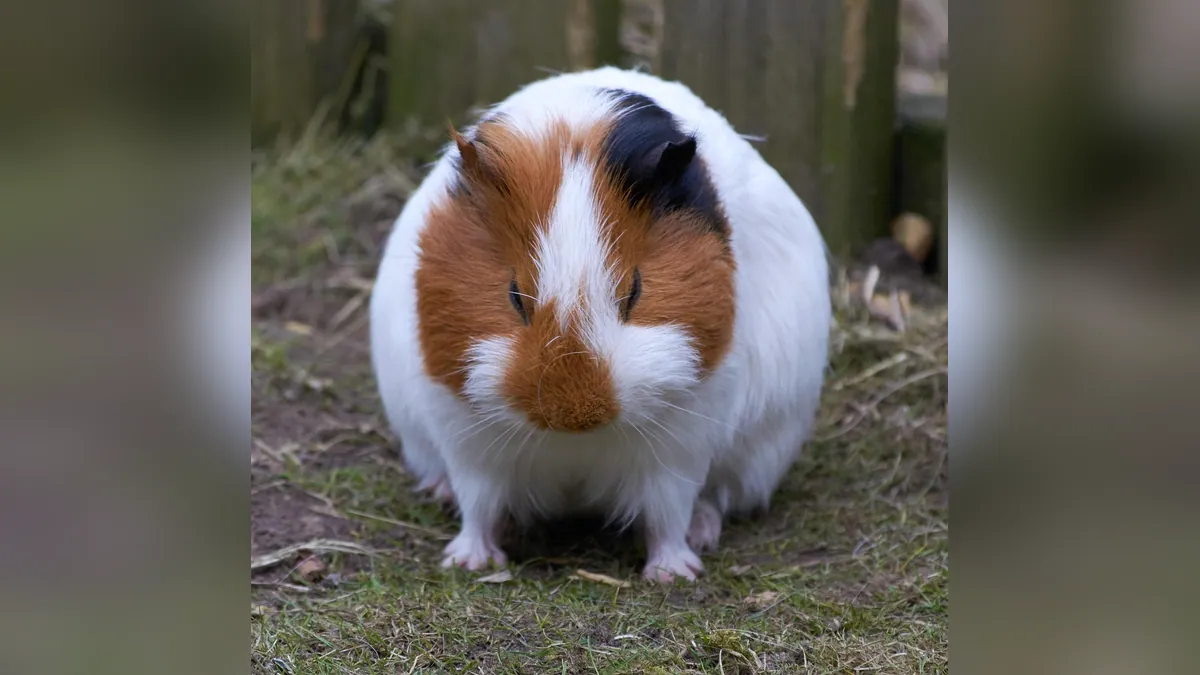
Yes, guinea pigs can eat watermelon and other melons, but only in small amounts and only as an occasional treat. Watermelon is mostly water and sugar, so it should never replace hay, pellets, or vegetables in your guinea pig's daily diet. A few small pieces now and then are fine for most healthy adult guinea pigs.
This article is educational and is not a substitute for veterinary diagnosis or treatment.
Quick Answer
- Plain, fresh watermelon flesh is safe for guinea pigs in small amounts, roughly a 1 inch cube or a thin slice per treat.
- Offer melon no more than once or twice a week, and keep the total fruit portion small.
- Remove all seeds and cut away the rind. Seeds can be a choking risk and the rind is hard to digest.
- Introduce any new fruit slowly, since guinea pigs form food preferences early and sudden diet changes can upset the gut [1].
- Stop feeding melon and call your vet if you see diarrhea, bloating, or a drop in eating.
Can Guinea Pigs Eat Watermelon? The Safe Verdict
Watermelon is not toxic to guinea pigs. The flesh is safe to feed in small, occasional portions. The catch is the water and sugar content. Watermelon is roughly 90 percent water, which makes it a poor staple food for a small herbivore that needs fiber from hay.
Guinea pigs are herbivores, and their diet should center on grass hay, a measured amount of pellets, and small amounts of vegetables, with fruit limited to occasional treats [1]. A healthy daily routine looks like unlimited grass hay such as timothy or orchard grass, about 2 tablespoons (1/8 cup) of good-quality pellets, and a modest serving of vegetables [1]. Fruit like watermelon sits outside that core plan.
So the answer is yes, but with strict limits. Think of watermelon as a rare dessert, not a meal.
Can Guinea Pigs Eat Cantaloupe and Watermelon?
Yes, cantaloupe is safe in the same small amounts as watermelon. Cantaloupe is also high in water and natural sugar, so the same rules apply. Cut it into a small cube, remove the seeds and the rind, and offer it no more than once or twice a week.
Some owners rotate melon types to add variety. That is fine as long as each fruit stays a small, occasional treat. If your guinea pig has never had cantaloupe, start with a piece about the size of a pea and watch for any digestive upset over the next day.
Can Guinea Pigs Eat Honeydew Watermelon?
Yes, honeydew melon is also safe in small, occasional portions. Honeydew is sweet and watery, much like watermelon and cantaloupe. The same portion and frequency limits apply.
The word "watermelon" in this search often refers to any melon the owner has on hand. The practical answer does not change much between watermelon, cantaloupe, and honeydew. All three are watery, sugary fruits that belong in the treat category.
Can Guinea Pigs Eat the Green Part of Watermelon?
No, you should not feed the green rind or the outer skin. The rind is tough and fibrous, and guinea pigs have a digestive system built for soft grass hay, not hard melon skin. The green part offers little nutritional value and can be hard on the gut.
The white inner rind is also best avoided. Stick to the red or pink flesh, cut into a small piece, with every seed removed. If you are unsure which part is safe, the simplest rule is flesh only.
Nutritional Content and Any Real Benefit
Watermelon is mostly water with a small amount of sugar and a little vitamin A and vitamin C. It does not provide meaningful fiber compared with hay, and it does not replace the nutrients in pellets or leafy greens.
The main practical benefit is hydration and enrichment. A watery treat can be appealing on a hot day, and many guinea pigs enjoy the taste. That said, guinea pigs get most of their water from drinking and from fresh vegetables, so watermelon is not needed for hydration.
There is some research interest in melon as a source of antioxidants. A study in weaned piglets looked at a melon pulp concentrate rich in the antioxidant superoxide dismutase and its effects on inflammation, antioxidant status, and growth [2]. That study was in piglets, not guinea pigs, and it used a concentrated supplement, not fresh melon. It does not mean you should feed your guinea pig melon for health benefits.
Guinea pigs do have specific dietary needs worth understanding. For a broader look at what belongs on the plate, see What Guinea Pigs Can and Cannot Eat and Guinea Pig Diet Food.
Risks of Feeding Watermelon and Melon
Digestive Upset and Diarrhea
The biggest risk is too much water and sugar at once. A sudden load of watery fruit can cause loose stool or diarrhea. Diarrhea in guinea pigs is serious because small pets dehydrate quickly.
Guinea pigs are also sensitive to diet changes in general. They often form food preferences early, and new foods should be introduced slowly [1]. A large piece of watermelon on a guinea pig that has never had it is a recipe for a stomach ache.
Choking and Blockage From Seeds
Watermelon seeds are a choking hazard and can cause blockage if swallowed. Remove every seed before offering any melon. Seedless watermelon is the easiest choice, but check for stray seeds anyway.
Sugar and Weight
Fruit sugar adds calories without much nutrition. A guinea pig that fills up on melon may eat less hay, which is the opposite of what you want. Hay keeps the teeth worn down and supports digestion [1]. Over time, too much fruit can contribute to weight gain and dental problems.
Additives and Other Ingredients
Plain fresh melon is the only safe form. Avoid anything with added sugar, syrup, salt, or artificial sweeteners. Never feed melon from a fruit salad that may contain other ingredients.
Xylitol and other sugar alcohols are toxic to many small pets and should never be offered. Also avoid any melon that has touched garlic, onion, or seasoned dishes. Those ingredients are not safe for guinea pigs.
High-Fat Diet Concerns
A high-fat diet can harm guinea pig digestive organs. One study found that a high-fat diet in guinea pigs led to elevated inflammatory markers and damage to the liver, stomach, gallbladder, and colon [3]. Watermelon itself is not high in fat, but this finding is a reminder that treats should not crowd out a balanced, hay-based diet.
How to Offer Watermelon and Melon Safely
Safe Parts and Portions
| Form | Safe? | Notes |
|---|---|---|
| Red or pink flesh, seedless | Yes | Small cube, about 1 inch, once or twice a week |
| Flesh with seeds | No | Remove all seeds first |
| Green rind or skin | No | Tough and hard to digest |
| White inner rind | No | Little nutritional value |
| Cantaloupe flesh | Yes | Same small portion and frequency |
| Honeydew flesh | Yes | Same small portion and frequency |
| Canned or syruped melon | No | Added sugar and preservatives |
| Melon with xylitol or sweeteners | No | Sweeteners can be toxic |
Step by Step
- Wash the melon and cut a small piece of flesh.
- Remove every seed, including any soft white seeds.
- Cut away all rind and skin.
- Offer a piece about 1 inch square, or smaller for a young or small guinea pig.
- Place it in a clean bowl and remove any uneaten melon after a few hours.
- Watch for diarrhea, bloating, or changes in appetite over the next day.
If your guinea pig has never had melon, start with a pea-sized piece. Wait a day before offering more. This slow approach helps you spot a problem early.
Frequency
Keep melon to once or twice a week at most. Some owners offer fruit only a few times a month. Either approach is reasonable for a healthy adult guinea pig. The total fruit portion across the week should stay small.
Young, pregnant, or nursing guinea pigs have different nutritional needs, and alfalfa-based pellets may be appropriate for them [1]. Ask your veterinarian before adding fruit for these groups.
What to Do If Your Guinea Pig Ate Too Much
If your guinea pig ate a large amount of watermelon or melon, stay calm and act quickly.
- Remove any remaining melon from the cage.
- Check for diarrhea, bloating, or a hunched posture.
- Make sure fresh water and hay are available.
- Watch for a drop in eating or activity.
If you see diarrhea, stop all fruit and call your veterinarian. Diarrhea can become dangerous fast in a small pet. If your guinea pig seems weak, is not eating, or has a bloated belly, treat it as an emergency and seek care right away.
If your guinea pig ate a seed, watch closely for choking, gagging, or signs of blockage such as not eating or straining. Call your veterinarian if any of these appear.
If your guinea pig ate melon containing xylitol or another sweetener, contact your veterinarian or a pet poison control service immediately. Do not wait for symptoms.
Safer Alternatives to Watermelon
If you want to treat your guinea pig without the water and sugar load, these options are generally safer in small amounts:
- A small piece of bell pepper, which is a good source of vitamin C.
- A leaf of romaine lettuce or a small amount of leafy greens.
- A thin slice of cucumber, which is watery but lower in sugar.
- A small piece of apple without seeds, offered rarely.
- A bit of strawberry or banana as an occasional treat.
For comparison on how other pets handle these fruits, see Can Dogs Eat Watermelon? Safe Portions, Rind and Seed Risks, Can Dogs Eat Strawberries And Bananas, and Can Dogs Eat Bananas. The rules differ by species, so never assume a dog-safe treat is guinea pig-safe.
Remember that hay should always be the main food [1]. Treats, including fruit, are a small extra.
Limitations and When to Contact a Veterinarian
This guide covers general information for healthy adult guinea pigs. Individual cases need a veterinarian who can examine your pet and review its full diet and health history.
Contact your veterinarian the same day if your guinea pig:
- Has diarrhea or very soft stool after eating melon.
- Stops eating or drinking.
- Seems bloated, hunched, or in pain.
- Has a sudden drop in energy.
Seek emergency care right away if your guinea pig:
- Is choking, gagging, or struggling to breathe.
- Collapses or cannot stand.
- Has eaten melon with xylitol or another sweetener.
- Shows signs of a blockage, such as straining or no droppings.
Schedule a routine visit if your guinea pig has repeated digestive problems after fruit or if you are unsure how much fruit is safe for its weight and health status.
Frequently Asked Questions
Do guinea pigs like watermelon?
Many guinea pigs enjoy watermelon because it is sweet and juicy. Taste varies by individual, and some guinea pigs ignore it. Offer a tiny piece and see how your pet responds.
Can guinea pigs eat watermelon every day?
No, watermelon should not be a daily food. It is high in water and sugar and low in the fiber your guinea pig needs. Keep it to an occasional treat.
Is watermelon rind safe for guinea pigs?
No, the rind is not recommended. It is tough and hard to digest, and it offers little nutrition. Feed only the flesh with all seeds removed.
Can baby guinea pigs eat watermelon?
Baby guinea pigs have different nutritional needs than adults. Ask your veterinarian before offering fruit to a young guinea pig. If approved, use a very small piece and watch for any reaction.
What happens if my guinea pig eats too much watermelon?
Too much watermelon can cause diarrhea, bloating, and a loss of appetite. Stop all fruit and call your veterinarian if symptoms appear. Diarrhea can become serious quickly in small pets.
Related Articles
- What Guinea Pigs Can and Cannot Eat
- Guinea Pig Diet Food
- Can Guinea Pigs Eat Bananas and Other Fruits?
- Can Guinea Pigs Eat Strawberries? Seeds and Serving Limits
- Can Guinea Pigs Eat Oranges? Citrus Safety and Amounts
References
- Diet for a Guinea Pig - All Other Pets. Merck Veterinary Manual.
- The effects of superoxide dismutase-rich melon pulp concentrate on inflammation, antioxidant status and growth performance of challenged post-weaning piglets. Animal : an international journal of animal bioscience, 2019.
- Comparative study on the effects of high fat diet and capsicum diet on the digestive organs of guinea pigs. Scientific reports, 2025.