Why Is My Cat Greasy? Causes of Oily Fur and What to Do
By Dr. Zubair Khalid, DVM, MS, PhD ·
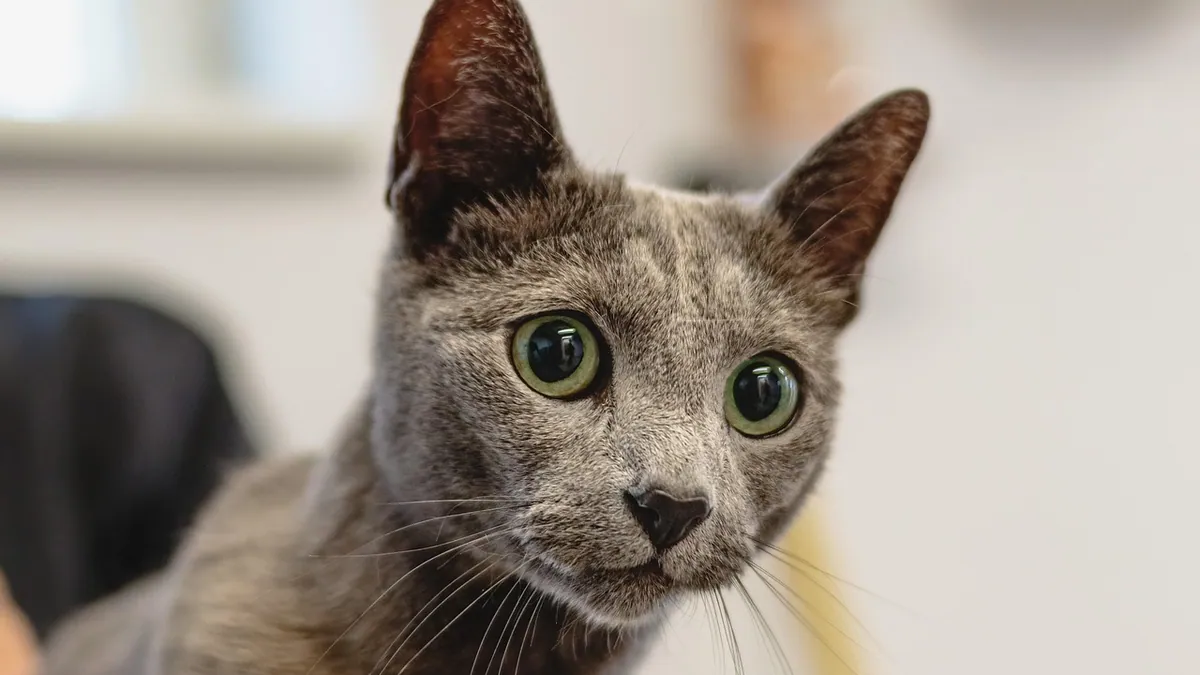
If your cat's coat feels slick, clumpy, or looks unkempt even after grooming, you are right to pay attention. A greasy coat in cats is often a visible sign that something has changed in the skin's oil balance, the cat's grooming routine, or the body's hormone system. This article explains why is my cat greasy, what causes cat fur to be greasy, and what you should do next.
This article is educational and is not a substitute for veterinary diagnosis or treatment.
Quick Answer
- Oily fur is a symptom, not a diagnosis. It can come from skin inflammation, hormone disease, parasites, diet, or a cat that has stopped grooming well [1].
- Hyperthyroidism is a common medical cause in middle-aged and older cats, and it can change how the coat looks and feels [2].
- Seborrhea is a skin condition that directly increases oil production and scaling [1].
- Do not reach for human shampoo or dish soap. Cat skin has a different pH, and harsh products can make oil rebound worse.
- Book a veterinary visit if the grease is new, spreading, or paired with weight loss, appetite changes, itching, odor, or hair loss.
What a Greasy Coat Looks Like and What Is Normal
A healthy cat coat is soft, slightly glossy, and separates easily when you run your fingers through it. Cats produce natural oils from sebaceous glands in the skin. Those oils waterproof the coat and keep the skin flexible. Normal oil is spread evenly by grooming.
A greasy coat looks different. The fur may clump into strands, feel waxy or tacky, or leave a residue on your hand. It can look flat and stringy along the back near the tail base. Some cats develop a stale or oily odor. Others get dandruff flakes mixed with the grease.
Cats are fastidious groomers, so a change in coat quality is meaningful. When a cat stops grooming well, oil builds up on the surface. When the skin itself overproduces oil, the coat gets greasy even if the cat grooms normally. Both patterns point to an underlying issue worth checking.
What Causes Cat Fur to Be Greasy?
There are two broad buckets. The first is a skin problem that changes oil production directly. The second is a body-wide illness that affects the coat indirectly. Skin inflammation from any cause can produce oil accumulation, scaling, odor, and hair loss [1].
Common Causes of an Oily Coat in Cats
| Cause | Typical clues | How urgent |
|---|---|---|
| Hyperthyroidism | Older cat, weight loss with a good or increased appetite, greasy or matted coat, restlessness | See a vet soon, within days to weeks |
| Seborrhea | Waxy or scaly skin, greasy fur, odor, dandruff | Routine visit, sooner if odor or sores |
| Poor grooming | Grease concentrated where the cat cannot reach, matting, dull coat | Routine visit, same day if the cat seems unwell |
| Skin infection (bacterial or fungal) | Redness, crusts, hair loss, itching, bad smell | See a vet soon |
| Dermatophytosis (ringworm) | Patchy hair loss, scaling, sometimes mild grease, possible spread to people | See a vet soon, it can spread to humans [3][4] |
| Allergies or parasites | Itching, scratching, over-grooming, hair thinning | Routine visit, urgent if skin is raw |
| Diet or nutritional issues | Dull coat, flaky skin, gradual change after a diet switch | Routine visit |
| Endocrine or metabolic disease | Coat change plus appetite, weight, thirst, or energy changes | See a vet soon |
Hyperthyroidism and the Greasy Coat
Feline hyperthyroidism is the most common endocrine disorder in cats [2]. It happens when the thyroid gland makes too much thyroid hormone. Common signs include weight loss, increased appetite, increased urination, and behavior changes [2]. The coat often changes too. Many hyperthyroid cats develop a greasy, unkempt, or matted coat because the excess hormone speeds up skin turnover and alters oil production.
Research continues into why so many cats develop this disease. One line of study looks at endocrine-disrupting chemicals in the indoor environment, including flame retardants and other chemicals found in consumer products [2]. Another study found that hyperthyroid cats had measurable differences in serum metabolites, with lipid metabolism pathways standing out among the changes [5]. That fits with what owners see at home, a coat that suddenly looks oily or dull.
If your cat is greasy and also losing weight while eating well, hyperthyroidism should be near the top of the list. You can read more about this pattern in Why Is My Cat having greasy matted fur? Hyperthyroidism and Seborrhea.
Seborrhea and Other Skin Conditions
Seborrhea is a disorder of the sebaceous glands. The skin makes too much oil, too many skin cells, or both. The result is a greasy, scaly, sometimes smelly coat [1]. Seborrhea can be primary (a cat is born with the tendency) or secondary to another problem like allergies, parasites, or hormone disease.
Dermatitis is a broader term for skin inflammation, and oil accumulation is one of its recognized signs [1]. Anything that inflames the skin can shift oil production. That includes external irritants, allergies, and infections from bacteria, fungi, or parasites [1].
Dermatophytosis, commonly called ringworm, is a fungal skin infection. In cats, Microsporum canis is the most commonly isolated dermatophyte [4]. Predisposing factors include young age, long hair, lifestyle, warm climates, and the Persian breed [4]. Ringworm can spread from cats to people, and one report described an entire family developing dermatophytosis after contact with their cat [3]. Greasy or scaly patches with hair loss deserve a vet visit for this reason alone.
Grooming, Diet, and Environment
Sometimes the cause is simpler. An overweight cat cannot reach the back and tail base, so oil collects there. A cat with dental pain, arthritis, nausea, or stress may stop grooming. A cat recovering from illness may not groom until it feels better.
Diet matters less often than owners expect, but a poor-quality or unbalanced diet can show up in coat condition. Sudden diet changes can also trigger a temporary coat change. If your cat is over-grooming instead of under-grooming, the problem may be itching or anxiety. See Why Is My Cat Grooming So Much? and Cat Licking Fur Off: Causes and How to Help.
Red Flags That Need Urgent Care
Most greasy coats are not emergencies. Some signs mean you should act fast.
- Trouble breathing, open-mouth breathing, or collapse. Go now.
- A cat that stops eating for more than 24 hours, especially with vomiting or diarrhea.
- Rapid weight loss with a ravenous appetite and restlessness, which can point to advanced hyperthyroidism.
- Skin that is red, oozing, raw, or has open sores.
- Severe itching that keeps your cat awake or causes self-injury.
- A cat that cannot be handled or seems painful when touched.
- Sudden greasy coat plus weakness, wobbling, or a change in mentation.
Call your veterinarian or an emergency clinic right away for any of these.
What You Can Do at Home While You Wait
You cannot diagnose the cause at home, but you can avoid making things worse.
Do not use human shampoo, dish soap, or harsh degreasers. These strip the skin and can trigger more oil production. They can also irritate already inflamed skin [1].
Brush gently. Use a soft brush or comb to remove loose hair and spread natural oils. Stop if the skin looks red or your cat shows pain.
Spot clean with a cat-safe wipe or a damp cloth. Plain warm water on a soft cloth is the safest option. Ask your vet before using any medicated wipe.
Check the whole cat. Look at the skin under the fur. Note redness, flakes, scabs, bald patches, or odor. Take photos so you can show your vet what changed.
Track the basics. Write down appetite, water intake, weight if you can, litter box habits, and energy level. These details help your vet narrow the list quickly.
Do not start supplements or new foods without asking. Some supplements interact with medications, and a diet change can confuse the picture before your visit.
Keep the environment calm. Stress can reduce grooming. Provide quiet spaces, clean litter boxes, and consistent routines.
If your cat is itchy or losing hair, see Why Is My Cat So Itchy? for more on what those signs can mean.
What Your Veterinarian Will Check and Test
Your vet will start with a full physical exam. They will look at the skin, coat, ears, teeth, and nails. They will feel the thyroid gland in the neck, check body condition, and listen to the heart. A heart rate that is fast or a heart murmur can be a clue.
Common Tests
- Blood work. A chemistry panel and complete blood count check organ function and look for signs of infection or inflammation.
- Thyroid testing. A total T4 is the standard first test for hyperthyroidism. Your vet may add a free T4 or other thyroid tests if results are borderline.
- Skin scrapings and cytology. These look for mites, bacteria, and yeast.
- Fungal culture and Wood's lamp exam. These help diagnose dermatophytosis [4].
- Skin biopsy. In some cases, a small sample of skin helps confirm seborrhea or another skin disease.
- Allergy testing or diet trials. These are used when itching and skin inflammation point to allergies.
Your vet may also ask about your cat's environment, diet, and any new products in the home. Research on hyperthyroidism has looked at chemical exposures in the indoor environment, so a careful history can be useful [2].
Treatment depends on the diagnosis. Hyperthyroidism is managed with medication, a special diet, surgery, or radioactive iodine, and your veterinarian will choose based on your cat's health. Seborrhea may be managed with medicated baths or topical products. Infections need specific antimicrobial treatment. Your vet will calculate any medication dose from your cat's weight and health status.
Prevention and Monitoring
You cannot prevent every cause of a greasy coat, but you can catch problems early.
- Weigh your cat monthly. A kitchen scale works well. Small changes add up.
- Watch appetite and water intake. Increased appetite with weight loss is a classic hyperthyroid pattern [2].
- Groom regularly. Brushing spreads oils and helps you notice skin changes.
- Keep up with wellness visits. Middle-aged and older cats benefit from annual or twice-yearly exams with blood work.
- Control parasites. Fleas and mites cause itching and skin damage.
- Feed a complete, balanced diet. Ask your vet if you are unsure about your cat's food.
- Reduce stress. Boredom and anxiety can change grooming habits.
- Follow treatment plans closely. If your cat is on thyroid medication, missed doses can bring symptoms back.
If your cat has a chronic skin condition, keep a simple log of flare-ups. Note what changed before each one. That record helps your vet adjust the plan.
Limitations and When to Contact a Veterinarian
This article covers common causes, but it cannot tell you what is happening with your individual cat. Only a veterinarian who examines your cat can do that.
Contact your veterinarian the same day if:
- Your cat stops eating or drinking.
- The skin is raw, oozing, or bleeding.
- Your cat is vomiting, has diarrhea, or seems weak.
- The greasy coat appeared suddenly along with behavior changes.
Go to an emergency clinic now if:
- Your cat is struggling to breathe.
- Your cat collapses or cannot stand.
- Your cat has a seizure.
- Your cat is in obvious pain or cannot be touched.
Schedule a routine visit if:
- The coat change is mild but persistent.
- You notice dandruff, odor, or mild matting.
- Your cat is due for a wellness exam anyway.
Do not wait months to see if a greasy coat resolves on its own. Early diagnosis often means simpler treatment.
Frequently Asked Questions
Can a greasy coat be caused by food alone?
Diet can affect coat quality, but food is rarely the only cause of a truly greasy coat. Skin disease, parasites, and hormone problems are more common explanations. Your vet can help sort out whether a diet change is worth trying.
Is greasy fur in cats contagious to other pets?
It depends on the cause. Ringworm is contagious to other pets and to people [3][4]. Seborrhea and hormone disease are not contagious. If your cat has patchy hair loss or scaling, keep it away from young children and immunocompromised people until your vet checks it.
Will bathing fix my cat's oily fur?
Bathing can help some skin conditions, but the wrong shampoo makes oil worse. Your vet may recommend a specific medicated shampoo and a schedule. Never use human shampoo or dish soap on a cat.
Do older cats get greasy coats more often?
Yes, older cats are more likely to have hyperthyroidism, which is the most common endocrine disorder in cats [2]. They are also more likely to have arthritis or dental pain that reduces grooming. Any new coat change in a senior cat deserves a vet visit.
How long does it take for a greasy coat to improve after treatment?
It varies with the cause. Some cats improve within weeks of starting thyroid treatment. Skin conditions may take longer and often need ongoing management. Your veterinarian will set expectations based on your cat's diagnosis.
Related Articles
- Why Is My Cat having greasy matted fur? Hyperthyroidism and Seborrhea
- Cat Licking Fur Off: Causes and How to Help
- Why Is My Cat So Itchy?
- Why Is My Cat Grooming So Much?
- Why Is My Cat pulling out fur in clumps? Psychogenic Alopecia and Over-Grooming
- Why Is My Cat Losing Hair?
- Seborrhea in Cats: Greasy or Flaky Skin and How to Treat It
- Why Is My Cat's Skin Flaky? Causes and What to Do
- Cat Not Grooming: Why It Happens and What to Do
References
- Dermatitis and Dermatologic Problems in Cats - Cat Owners. Merck Veterinary Manual.
- Unraveling the environmental links to feline hyperthyroidism: Insights from silicone passive samplers. Environmental research, 2025.
- Microsporum canis infection from a cat : A source of tinea capitis and dermatophytosis in an entire family. Dermatologie (Heidelberg, Germany), 2025.
- Epidemiological and Clinical Features of Dermatophytosis in a Referral Practice in Italy: A Retrospective Study in Different Feline Breeds. Veterinary dermatology, 2026.
- Investigating changes in serum metabolome and urinary endocrine disrupting chemicals in cats with hyperthyroidism. Veterinary research communications, 2026.