Senior Cat Hair Loss: Why Older Cats Lose Fur
By Dr. Zubair Khalid, DVM, MS, PhD ·
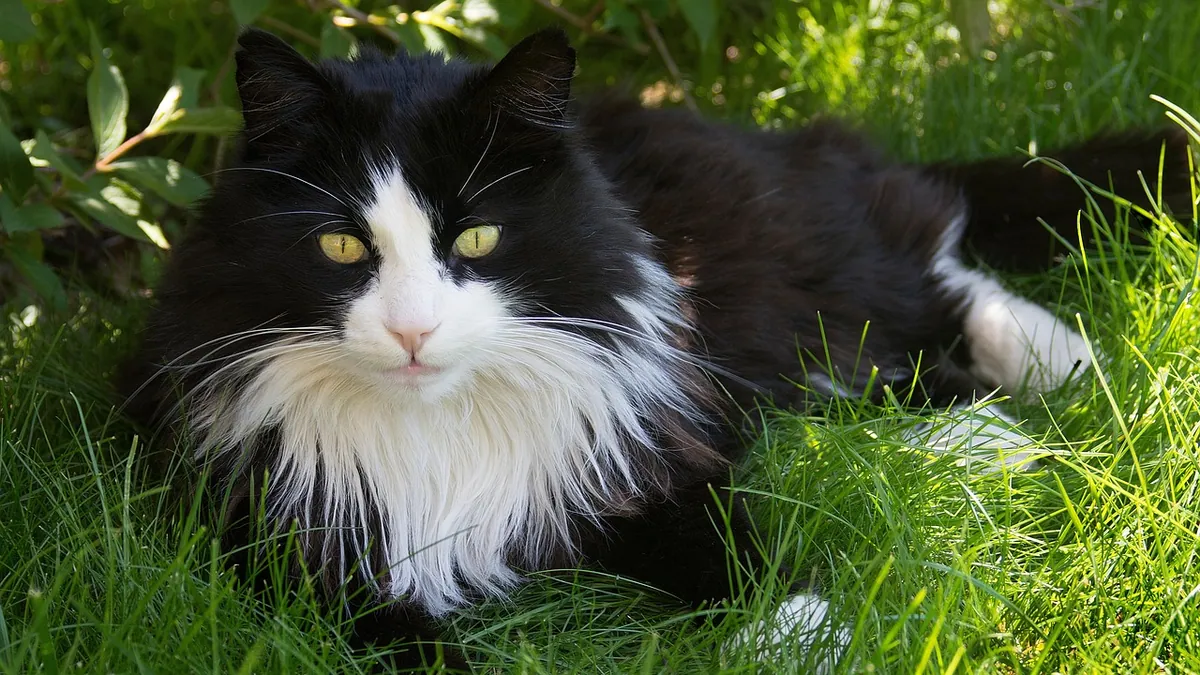
Senior cat hair loss is common and usually has a physical cause. Older cats may stop grooming because of pain, or they may over-groom because of itch, stress, or hormone disease. Some fur loss is a direct sign of an internal illness, so it deserves a veterinary workup.
This article is educational and is not a substitute for veterinary diagnosis or treatment.
Quick Answer
- Hair loss (alopecia) is a sign, not a diagnosis. The underlying cause must be found before it can be treated [1].
- Inflammatory skin disorders are the most common cause of acquired hair loss in cats [1].
- Senior cats often have hidden disease. In one study of 129 cats aged 12 and older whose owners said they were healthy, every cat had an abnormality on physical exam, and testing found chronic kidney disease in about 61% of those tested [2].
- A cat who stops grooming the back and hind end is often painful, not lazy. Arthritis is a top reason senior cats develop a dull, patchy coat.
- Any bald patch with redness, sores, scabs, or intense scratching needs a vet visit. So does sudden or widespread fur loss.
What Senior Cat Hair Loss Looks Like
Alopecia means a partial or complete lack of hair in an area where hair normally grows [1]. In senior cats, it rarely looks like one neat bald spot. More often you notice thinning, a scruffy coat, dandruff, or bare patches on the belly, flanks, back, or legs.
Some cats lose fur in a symmetric pattern on both sides of the body. Others develop small crusted spots or pull hair out in tufts. You may find clumps of fur on the floor or in the bedding.
What Is Normal for an Older Cat
Aging changes the coat. Many senior cats grow a thinner, drier, less glossy coat. Grooming may become less frequent, so the fur looks slightly greasy or flaky. This slow change is not the same as true alopecia.
Normal aging does not cause raw skin, scabs, bald circles, or frantic scratching. It also does not cause fur to fall out in large patches over days. Those signs point to a medical problem.
Grooming Changes Are a Clue
Cats are fastidious groomers. When an older cat stops grooming the rear half of the body, something is usually wrong. Pain from arthritis, dental disease, or another condition can make it too uncomfortable to twist and reach. Dental problems were found in 100% of the senior cats in one study, and orthopedic disease in about 78% of those examined [2].
The opposite problem matters too. A cat who licks, chews, or scratches one area constantly will wear the fur away. That self-trauma is a sign of itch, pain, or stress, and the itching problem should be investigated first [1].
Main Causes of Hair Loss in Older Cats
Acquired hair loss means the cat was born with a normal coat and lost hair later [1]. Disease can destroy the hair follicle, damage the hair shaft, or interfere with hair growth. It can also cause discomfort that leads to self-trauma [1].
| Cause | Typical clues | How urgent |
|---|---|---|
| Arthritis and reduced grooming | Dull, greasy, or matted coat on the back and hind end, dandruff, overgrown nails, stiffness | Routine visit soon |
| Over-grooming from stress or itch | Symmetric thinning on belly or flanks, excessive licking, hairballs | Routine visit soon |
| Fleas, mites, and other parasites | Intense scratching, scabs, tiny specks in the coat, hair loss near the tail base | Soon, same week |
| Skin infections (bacterial or fungal) | Redness, crusts, round bald patches, bad odor | Soon, same week |
| Allergies | Itchy face, ears, belly, or paws, seasonal or year-round | Soon, same week |
| Hormonal disease (such as hyperthyroidism or diabetes) | Weight loss or gain, increased appetite or thirst, poor coat, thin skin | Routine visit soon |
| Chronic kidney disease | Weight loss, increased drinking and urination, poor coat, vomiting | Routine visit soon, sooner if severe |
| Cancer or immune disease | Rapidly growing bald areas, lumps, ulcers, illness | Same day to urgent |
Pain and Arthritis
Arthritis is one of the most underrecognized causes of a poor coat in senior cats. A painful cat may skip grooming entirely or only reach the front half of the body. The result is a shaggy, unkempt rear end with flakes and mats.
This is a comfort problem, not a cosmetic one. Treating the pain often improves the coat without any skin treatment at all.
Over-Grooming and Stress
Some cats go the other way and groom too much. Stress from a new pet, a move, or a change in routine can trigger this. So can itchy skin. The fur thins in a symmetric pattern, often on the belly and inner thighs.
If your cat is scratching or licking hard enough to lose fur, the itch needs to be addressed first [1]. You can read more about the general causes of fur loss in Why Is My Cat Losing Hair?.
Parasites and Skin Infections
Fleas remain a common cause of hair loss in cats of any age. Mites, ringworm, and bacterial infections also cause patches of fur loss, often with redness, crusts, or scabs. These are inflammatory disorders, and inflammatory causes are the most common type of acquired alopecia in cats [1].
Hair loss on the tail base or ears can point to specific problems. See Cat Hair Loss on Tail: Causes and Solutions and Cat Hair Loss on Ears: Causes and What to Do for more detail.
Hormonal and Metabolic Disease
Hormone problems can change the coat. Hyperthyroidism, diabetes, and other endocrine disorders are more common in older cats. They often come with other signs such as weight change, appetite change, or increased thirst and urination.
These conditions are diagnosed with blood tests. Treating the underlying disease is what allows the coat to recover.
Kidney Disease and Other Internal Illness
Chronic kidney disease is common in senior cats and can affect how a cat looks and feels [3]. Early stages often cause few or no signs, which delays diagnosis [3]. A cat with kidney disease may lose weight, drink more, urinate more, and develop a dull coat.
Kidney disease is progressive and irreversible, and it is a leading cause of death in geriatric cats [4]. Catching it early lets your vet stage the disease and start management that can slow progression and protect quality of life [3]. For background, see Why Do Older Cats Get Kidney Disease and Kidney Problems In Older Cats.
Red Flags That Need Prompt Care
Some signs mean your cat should be seen quickly, not watched at home.
- Sudden, widespread fur loss over hours or days
- Bald patches with open sores, ulcers, bleeding, or pus
- Severe itching that keeps your cat awake or causes constant chewing
- A lump or swelling under a bald area
- Weight loss, vomiting, diarrhea, or not eating
- Drinking and urinating much more than usual
- Weakness, wobbling, hiding, or crying out
- Trouble breathing, collapse, or a seizure
Breathing difficulty, collapse, seizures, and uncontrolled bleeding are emergencies. Call your veterinarian or an emergency clinic right away.
Safe Home Care While You Wait
You can make your cat more comfortable without guessing at a diagnosis.
- Brush gently with a soft brush. Stop if the skin looks red or your cat flinches.
- Check for fleas and flea dirt with a fine-tooth comb. Use only flea products labeled for cats and approved by your vet.
- Keep the coat clean. A warm, damp cloth can wipe away flakes on cats who cannot groom.
- Trim overgrown nails if your cat will allow it. Long nails catch on fabric and cause stress.
- Warm the sleeping area. Soft, heated bedding helps stiff joints.
- Raise food and water bowls slightly if your cat seems stiff.
- Keep the routine steady. Sudden changes in food, litter, or schedule add stress.
- Do not apply human creams, shampoos, or steroid products to your cat. Many are toxic or harmful to cats.
- Do not give any medication, including pain relievers, without veterinary guidance. Your veterinarian calculates the dose from your pet's weight and health.
If your cat is not eating or drinking, or seems painful, skip home care and call your vet.
What Your Veterinarian Will Check
Your vet will start with a full history. Expect questions about when the fur loss began, whether it is itchy, what your cat eats, how much your cat drinks, and any changes in behavior.
The physical exam covers the whole cat, not just the skin. Your vet will look at the coat pattern, check for fleas and mites, feel for lumps, and assess joints and teeth. In senior cats, dental and orthopedic findings are very common even when owners report good health [2].
Tests Your Vet May Recommend
- Skin scrapings and hair samples to look for mites and fungal infections
- A Wood's lamp exam or fungal culture for ringworm
- Skin cytology or a biopsy for stubborn or unusual cases
- Blood work, including a complete blood count and chemistry panel
- Thyroid testing, especially if weight or appetite has changed
- Urine testing, including urine specific gravity
- Blood pressure measurement
- Imaging such as X-rays or ultrasound if your vet suspects internal disease
Urine concentration matters. Poorly concentrated urine in apparently healthy mature cats is linked to a higher risk of later kidney disease, so your vet may track this over time [5]. Newer markers such as symmetric dimethylarginine and fibroblast growth factor-23 can improve early detection of kidney changes [4].
Prevention and Monitoring
You cannot prevent every cause of senior cat hair loss, but you can catch problems earlier.
- Schedule twice-yearly wellness exams for cats 12 and older. Hidden disease is common in this group [2].
- Track your cat's weight at home if you can. Ask your vet to weigh your cat at every visit.
- Watch water intake and litter box output. Changes here often show up before coat changes.
- Keep up parasite prevention year-round.
- Feed a complete and balanced diet made for your cat's life stage and health needs.
- Ask about dental care. Dental disease was found in every senior cat in one study [2].
- Ask about joint comfort at each visit. Many cats hide arthritis well.
- Note any new bald spot, scab, or change in grooming and mention it at the next visit.
Coat changes often follow internal changes. A cat who suddenly looks scruffy is telling you something.
Limitations and When to Contact a Veterinarian
This article cannot tell you what is causing your cat's hair loss. Only a veterinarian who examines your cat can do that. Individual cases need a veterinarian, and treatment depends on the diagnosis.
Contact your veterinarian the same day if your cat has sudden fur loss, open sores, severe itching, a new lump, or stops eating. Call an emergency clinic now if your cat is struggling to breathe, collapsing, having a seizure, bleeding heavily, or seems unable to stand.
Book a routine visit soon if you notice a dull coat, dandruff, mats, reduced grooming, or a small bald patch. Early visits are how senior cats get the most from treatment.
Frequently Asked Questions
Is hair loss in older cats always a sign of serious illness?
No, but it should never be ignored. Common causes include arthritis, parasites, allergies, and skin infections, and many of these are treatable. Because senior cats often have hidden disease, a vet visit is the safest way to sort out which problem you are dealing with.
Why did my senior cat stop grooming?
Pain is the most common reason. Arthritis, dental disease, and other conditions make it hard for a cat to twist and reach the back half of the body. A vet exam can find the source of discomfort and often improve the coat with pain management alone.
Can stress cause my older cat to lose fur?
Yes. Stress can trigger over-grooming, which wears the fur thin, often in a symmetric pattern on the belly and flanks. Changes such as a new pet, a move, or a schedule shift are common triggers. If the skin is red or scabbed, itch or infection may also be involved.
Should I change my cat's food to fix the coat?
Not without veterinary advice. Diet changes can help some conditions, but the wrong diet can worsen others, especially kidney disease. Ask your vet which diet fits your cat's diagnosis, weight, and lab results.
How often should a senior cat see the vet?
Twice a year is a reasonable routine for cats 12 and older. Senior cats can look healthy while carrying significant disease, and regular exams plus lab work catch problems earlier. Your vet may recommend a different schedule based on your cat's health.
Related Articles
- Why Is My Cat Losing Hair?
- Cat Hair Loss on Tail: Causes and Solutions
- Why Do Older Cats Get Kidney Disease
- Cat Hair Loss on Ears: Causes and What to Do
- Kidney Problems In Older Cats
- Cat Hair Loss with Itching: Causes and Treatment
- Cat Losing Clumps of Fur: Causes of Patchy Hair Loss
- Cat Losing Fur and Skin Color: Causes to Know
- Why Is My Cat Ripping Out His Fur? Over-Grooming Causes
References
- Hair Loss (Alopecia) in Cats - Cat Owners. Merck Veterinary Manual.
- Clinically important abnormalities are common in senior cats perceived to be healthy by owners. Journal of the American Veterinary Medical Association, 2026.
- 2026 iCatCare consensus guidelines on the diagnosis and management of chronic kidney disease in cats. Journal of feline medicine and surgery, 2026.
- Understanding the Progression of Chronic Kidney Disease in Cats: From Pathophysiology to Emerging Biomarkers. Veterinary sciences, 2026.
- Poorly concentrated urine is associated with an increased risk of developing chronic kidney disease in apparently healthy cats. Journal of the American Veterinary Medical Association, 2026.