Peanut Allergy in Cats: Food Allergies and Peanut Butter
By Dr. Zubair Khalid, DVM, MS, PhD ·
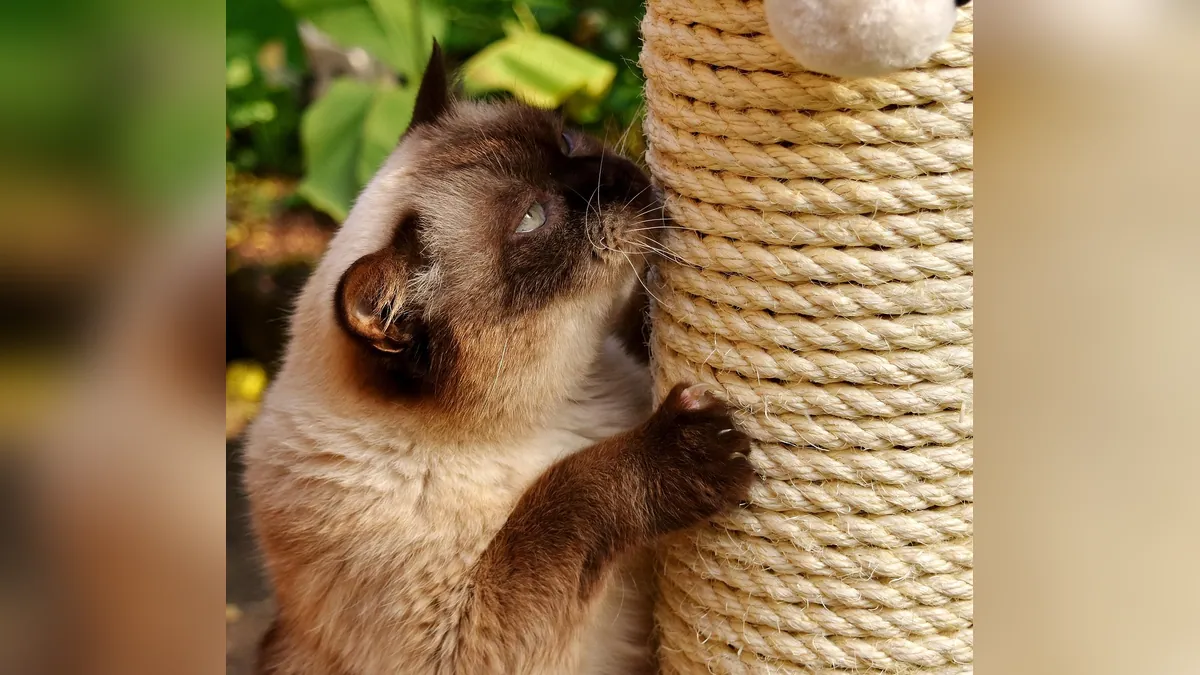
Peanut allergy in cats is possible but very uncommon. Most cats with food allergies react to beef, fish, or chicken, not peanuts. If your cat is itching, licking, or losing hair, a food allergy is one possibility your veterinarian can investigate.
This article is educational and is not a substitute for veterinary diagnosis or treatment.
Quick Answer
- True peanut allergy in cats is rare. The most common feline food allergens are beef, fish, and chicken [1].
- Food allergies are the third most common type of allergy in cats, behind flea bites and inhaled allergens like pollen and dust [2].
- Peanut butter is not a natural food for cats and is not recommended, even though most cats are not allergic to it.
- Itchy skin, especially around the head and neck, is the most common sign of a food allergy in cats [2].
- The only reliable way to diagnose a food allergy is a diet elimination trial followed by a controlled food challenge [1].
What Is a Peanut Allergy in Cats?
A peanut allergy in cats is an immune reaction to proteins found in peanuts. The immune system mistakes these proteins for a threat and releases chemicals that cause itching, skin inflammation, and sometimes digestive upset. This is called a hypersensitivity reaction [1].
Peanuts are legumes, not true nuts. The proteins in peanuts that trigger allergies in people are well studied, but cats are a different species with different immune responses. In cats, the most common food allergens are beef, fish, and chicken [1]. Peanut is not on that list.
That does not mean a cat can never react to peanut. It means the odds are low compared to the foods cats eat every day. If your cat has eaten peanut butter without a problem, peanut is probably not the cause of any itching you are seeing.
Food allergens can hide in places you might not expect. Flavored medications, supplements, and treats can all contain ingredients that trigger a reaction [1]. So if your cat is reacting to something, the culprit may not be the main food bowl at all.
Signs Owners Notice: Food Allergy Dermatitis in Cats
Food allergy dermatitis in cats is the skin inflammation caused by an allergic reaction to food. Itching is the hallmark. The itching comes from small, pale, fluid-filled lumps that form in the skin in response to the allergen [2].
Where does it show up? The head and neck are the most common areas [2]. You may see your cat scratching at the ears, face, or neck more than usual. Some cats also develop hair loss, open sores from scratching, or repeated skin and ear infections [1].
Signs to watch for include:
- Constant scratching, especially around the head and neck
- Hair loss or thinning coat
- Red, irritated, or crusty skin
- Recurring ear infections
- Vomiting or diarrhea (seen in about 10 to 15 percent of affected cats) [2]
- Food avoidance or weight loss in severe cases [2]
The itching itself is not dangerous, but the scratching can cause secondary wounds. Those wounds can become infected with bacteria, which makes the problem worse [2]. Gastrointestinal signs can also lead to weight loss if your cat avoids eating [2].
If you are seeing skin changes and want to compare notes, this article on Cat Food Allergy Skin Rash: Symptoms and Management covers the skin side in more detail.
Causes and Risk Factors
Why Peanut Allergy Is Rare in Cats
Cats evolved as obligate carnivores. Their natural diet is meat, not plants. Peanut is a plant food that most cats never eat. The immune system tends to react to proteins it encounters repeatedly. Since peanut is not a regular part of a cat's diet, the chance of developing a peanut allergy is low.
The most common food allergens in cats are beef, fish, and chicken [1]. These are the proteins cats eat most often, which is likely why they trigger the most reactions. If you are wondering whether your cat's diet is the problem, this overview of Cat Allergy Food explains how common ingredients stack up.
What About Peanut Butter?
Peanut butter is not a safe treat for cats for several reasons. It is high in fat and calories, which can lead to weight gain and digestive upset. Many peanut butters also contain added sugar, salt, or xylitol. Xylitol is toxic to dogs and should never be given to pets. Cats are not adapted to digest peanut butter well.
If you want to know more about whether peanut butter is ever okay, this article on Can Cats Have Peanut Butter? Risks and Healthier Alternatives walks through the risks and safer options.
Other Risk Factors for Food Allergies
Food allergies can develop at any age, even in cats that have eaten the same food for years. There is no single cause. Genetics, immune system differences, and repeated exposure to the same proteins all play a role. Some cats also have other allergies at the same time, such as flea allergy or environmental allergies, which can make the itching worse.
How Food Allergies Are Diagnosed
The Elimination Diet Trial
The only reliable way to prove a food allergy is a dietary elimination trial followed by a controlled dietary challenge [1]. This means feeding your cat a diet with proteins it has never eaten before, or a hydrolyzed diet where proteins are broken down so small the immune system does not recognize them.
During the trial, your cat eats only the special diet for a set period. No treats, no table scraps, no flavored medications. Everything that goes into your cat's mouth must be part of the trial. This is harder than it sounds. Many owners do not realize how many hidden sources of allergens exist [3].
If the itching improves during the trial, the next step is a challenge. You reintroduce the old food and watch for symptoms to return. If they do, the diagnosis is confirmed [1].
Why Blood Tests and Skin Tests Are Not Reliable
Blood tests for food allergies in cats are not reliable. They can show sensitivity to many foods, but sensitivity does not equal allergy. A cat can test positive for a food and never react to it. The elimination diet is the standard because it tests the real thing: what happens when your cat actually eats the food.
What to Expect During the Trial
Your veterinarian will guide you on how long the trial should last and what diet to use. A successful trial requires a high level of compliance from you and your cat [3]. That means no cheating, no matter how much your cat begs.
Common pitfalls include:
- Giving treats or table food during the trial
- Using flavored medications or supplements
- Switching foods too early
- Not keeping a symptom diary
If you want a deeper look at how diet trials work, this article on Cat Food Allergies: Signs, Diagnosis, and Safe Diet Trials is a good next read.
Table: Common Food Allergens in Cats vs. Dogs
| Species | Most Common Food Allergens |
|---|---|
| Cats | Beef, fish, chicken [1] |
| Dogs | Beef, dairy, chicken, wheat, lamb [1] |
Treatment Options
Avoiding the Allergen
Once you know what your cat is allergic to, the treatment is simple in theory: avoid that food. In practice, it takes careful label reading and strict control over what your cat eats. Food allergens can hide in flavored medications, supplements, and treats [1].
Managing Itching and Skin Infections
If your cat has skin infections from scratching, your veterinarian may prescribe antibiotics or antifungal medication. Managing concurrent causes of dermatitis is part of food allergy management [1]. Your veterinarian may also recommend medications to control itching while you figure out the trigger.
Diet Selection
Your veterinarian will help you choose a diet that works for your cat. Options include novel protein diets (proteins your cat has never eaten) and hydrolyzed diets. The right choice depends on your cat's history, other health conditions, and what you can realistically feed long term.
What About Peanut Allergy Treatment?
If a cat were truly allergic to peanut, the treatment would be the same as any other food allergy: avoid peanut entirely. There is no desensitization therapy approved for cats with peanut allergy. Research into peanut allergy treatments is focused on humans, not cats [4][5].
Recovery, Outlook, and Long-Term Management
Food allergies in cats are manageable but not curable. Once a cat is allergic to a food, it stays allergic. The good news is that most cats do very well once the offending food is removed from the diet.
Itching usually improves within weeks of starting the right diet, though it can take longer for the skin to fully heal. If your cat had gastrointestinal signs, those often improve too.
Long-term management means:
- Sticking to the safe diet every day
- Reading labels on all treats, supplements, and medications
- Telling your veterinarian about the allergy so they can avoid triggering ingredients
- Watching for new symptoms, since cats can develop new allergies over time
If your cat has other allergies too, such as flea allergy or environmental allergies, you will need to manage those as well. Food allergy is often one piece of a bigger picture.
For a broader look at managing allergies in cats, see Cat Allergy Treatment.
Prevention
There is no sure way to prevent food allergies in cats. You cannot predict which cat will develop one. But you can reduce the risk of problems by feeding a consistent, balanced diet and avoiding unnecessary treats and table food.
If you have a cat with known food allergies, prevention means strict avoidance. That is the single most effective strategy. Keep the safe food separate from other pets' food. Double-check labels every time you buy something new. Even small amounts of the allergen can trigger a reaction.
Do not give your cat peanut butter as a treat. It is not a natural food for cats, and it offers no nutritional benefit. If you want to give your cat a treat, choose something formulated for cats and approved by your veterinarian.
Limitations and When to Contact a Veterinarian
This article gives general information. Every cat is different. Your veterinarian needs to examine your cat, ask about the full history, and decide on the right diagnostic and treatment plan.
Contact your veterinarian if you notice:
- Your cat is scratching constantly or has open sores on the skin
- Hair loss that is getting worse
- Repeated ear infections or skin infections
- Vomiting or diarrhea that lasts more than a day or two
- Your cat is losing weight or refusing to eat
Call right away if your cat has trouble breathing, swelling of the face or throat, or collapses. These are emergency signs.
If your cat has eaten something toxic, call your veterinarian or a pet poison control hotline immediately. Do not wait for symptoms to appear.
Frequently Asked Questions
Can cats be allergic to peanut butter?
Yes, but it is rare. The most common food allergens in cats are beef, fish, and chicken [1]. Peanut is not a typical trigger. If your cat reacts to peanut butter, the reaction could also be to another ingredient in the peanut butter, such as added sugar or preservatives.
How do I know if my cat has a food allergy or something else?
You cannot know for sure without a veterinary workup. Food allergies cause itching, especially around the head and neck, and sometimes digestive signs [2]. Other allergies, like flea allergy or environmental allergies, can look similar. Your veterinarian will use history, physical exam, and possibly a diet trial to sort it out.
Is peanut butter safe for cats?
No, peanut butter is not recommended for cats. It is high in fat and calories, and many brands contain added sugar, salt, or xylitol. Cats do not need peanut butter in their diet. If you want to give a treat, choose something made for cats.
How long does a food elimination diet take?
Your veterinarian will set the timeline based on your cat's case. A successful trial requires strict compliance and patience [3]. Many owners get frustrated and quit too early. Follow your veterinarian's instructions and keep a symptom log to track progress.
Can food allergies in cats be cured?
No, food allergies cannot be cured. They can be managed by avoiding the allergen. Once you identify the trigger and remove it from your cat's diet, symptoms usually improve. Long-term success depends on strict avoidance of the offending food.
Related Articles
- Cat Allergy Food
- Can Cats Have Peanut Butter? Risks and Healthier Alternatives
- Cat Food Allergy Skin Rash: Symptoms and Management
- Cat Food Allergies: Signs, Diagnosis, and Safe Diet Trials
- Cat Allergy Treatment
- Flea Allergy Dermatitis In Cats: Comprehensive Veterinary Reference Guide
- Can Cats Eat Peanuts? Salt, Shells and Safety
- Is My Cat Allergic to Grain, Rice, or Nuts?
- Cat Allergic to Dry Food: Signs and What to Feed
References
- Cutaneous Food Allergy in Animals - Integumentary System. Merck Veterinary Manual.
- Food Allergies. Cornell University College of Veterinary Medicine.
- Conducting a successful diet trial for the diagnosis of food allergy in dogs and cats. Veterinary dermatology, 2024.
- Immunization with Virus-Like Particles Displaying Ara h 2-Derived Peptides to Mitigate Peanut Allergy. ACS nano medicine, 2026.
- Peanut-specific IgG subclasses as biomarkers of peanut allergy in LEAP study participants. The World Allergy Organization journal, 2024.