Home Remedies for Cat Dry Skin and Itching
By Dr. Zubair Khalid, DVM, MS, PhD ·
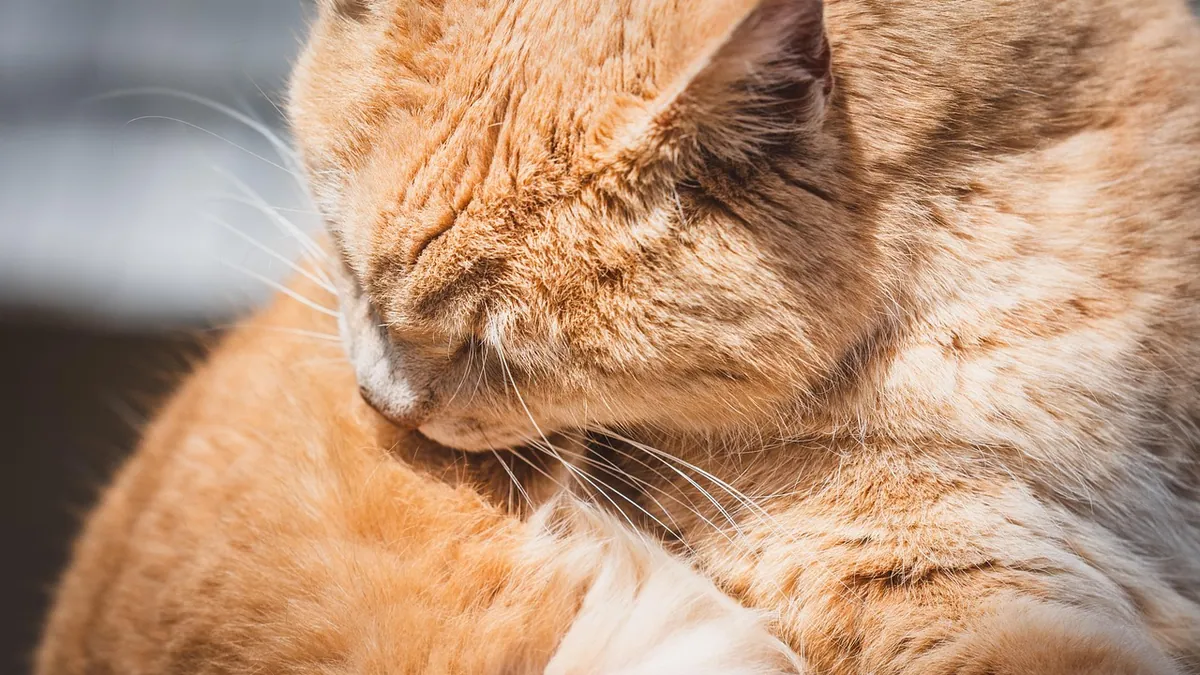
Dry, itchy skin in cats is often a sign of something treatable, not a disease on its own. A home remedy for cat dry skin usually means improving diet, adding moisture to the air, and reducing irritants while you watch for signs that point to allergies, parasites, or infection. Mild flaking can improve with simple changes, but itching that lasts or comes with sores needs a veterinarian.
This article is educational and is not a substitute for veterinary diagnosis or treatment.
Quick Answer
- Dry skin and itching are signs, not a diagnosis. The most common causes of itching are parasites, infections, and allergies [1].
- Raising indoor humidity, offering more water, and feeding a complete and balanced diet are safe first steps for mild flaking.
- Never use human lotions, essential oils, or over-the-counter steroid creams on a cat without veterinary guidance.
- If your cat scratches until the skin is red, scabby, or bald, that points to a medical cause that needs testing.
- Any new medication, including antihistamines or steroids, must be dosed by your veterinarian based on your cat's weight and health [2].
What Cat Dry Skin and Itching Look Like
Dry skin in cats shows up as white flakes in the coat, a dull coat, or small scabs along the back near the tail. Itching, called pruritus, is an unpleasant skin sensation that makes your cat want to scratch [1]. You may notice more grooming, chewing at the paws, or hair loss in patches.
Some flaking is normal, especially in winter when indoor air is dry. Mild dandruff that brushes out and does not bother your cat is usually not a crisis. The picture changes when your cat scratches, bites, or licks the same spot repeatedly. That behavior suggests an underlying trigger, and the skin may already be inflamed.
Dermatitis is the general word for skin inflammation. Signs include itching, scaling, redness, thickened skin, color changes, oil buildup, odor, and hair loss [3]. A skin problem often starts with a trigger that causes bumps, scabs, scales, or blisters, and secondary infections can follow [3].
Main Causes of Dry, Itchy Skin in Cats
Itching is a sign, not a specific disease [1]. That means the same scratching behavior can come from very different problems. Some are simple and some are serious.
| Cause | Typical clues | How urgent |
|---|---|---|
| Dry indoor air or low humidity | Flaking along the back, worse in winter, no redness or sores | Routine, try home steps |
| Poor diet or missing nutrients | Dull coat, flaking, no intense scratching | Routine, talk to your vet about diet |
| Fleas and other parasites | Scratching near the tail base, tiny dark specks, visible insects | Soon, parasites spread and cause anemia in kittens |
| Harvest mites | Orange larvae on the skin, lesions mostly on the head and neck | Soon, treatable with prescription medication [4] |
| Allergies (flea, food, environmental) | Itching of the face, ears, paws, or belly, often seasonal | Routine to soon, needs a workup |
| Bacterial or yeast infection | Odor, greasy coat, redness, thickened skin | Soon, infections need treatment |
| Ringworm (fungal) | Circular bald patches, scaling, sometimes mild itching | Soon, contagious to people and other pets |
| Systemic disease | Weight loss, appetite change, thirst, or lethargy with skin signs | Same day, these need blood work |
Allergies deserve special attention. Cats with feline atopic skin syndrome can have itching along with seborrhea, a condition where the skin is either greasy or dry and flaky [5]. Seborrhea and keratinization disorders are treatable, and topical products have been studied for these problems [6]. If your cat's itching is mostly on the face, ears, or paws, an allergy workup is a reasonable next step. For more on that path, see Cat Skin Allergy Home Remedies: Safe Options and What to Avoid.
Red Flags That Mean Emergency or Same-Day Care
Most dry skin is not an emergency. Some signs are. Call your veterinarian right away or go to an emergency clinic if you see any of these.
- Open sores, deep scratches, or skin that looks infected (pus, foul odor, spreading redness).
- Your cat stops eating, hides, vomits, or seems painful when touched.
- Sudden severe swelling of the face, lips, or eyelids, or trouble breathing.
- Weakness, pale gums, or collapse, which can point to anemia from heavy flea or parasite loads.
- A cat that cannot stop scratching and is injuring itself.
If you are unsure whether a product or plant your cat contacted is toxic, call the ASPCA Animal Poison Control Center at (888) 426-4435 or the Pet Poison Helpline at (855) 764-7661. These lines may charge a consultation fee.
Safe Home Steps While You Wait
These steps will not cure every cause, but they are safe and can ease mild dryness. They also help your veterinarian see the problem more clearly.
Add moisture to the air and the diet
Dry indoor heat pulls moisture from the skin. A room humidifier can help. Make sure your cat has fresh water available at all times, and consider a water fountain if your cat prefers moving water. Some cats drink more when water is offered in several places around the home.
Diet matters for coat health. A complete and balanced cat food that meets the nutritional needs for your cat's life stage is the foundation. In a study of Ragdoll cats, a diet with sodium hyaluronate and eggshell membrane was linked to better coat gloss, skin elasticity, and lower transepidermal water loss, which is a measure of moisture escaping through the skin [7]. That does not mean every cat needs these ingredients, but it supports the idea that nutrition affects the skin barrier. If you want to change foods, do it slowly over about a week and ask your veterinarian which diet fits your cat.
Groom gently and skip harsh products
Brushing removes loose flakes and spreads natural oils through the coat. Use a soft brush and keep sessions short. Most cats dislike baths, so shampoo treatment is less often recommended for cats than for dogs [2]. Your veterinarian may instead suggest local warm packs or washing only the affected area, such as the chin [2].
Do not use human shampoos, dish soap, or medicated human products on your cat. Do not apply essential oils, tea tree oil, or human lotions. Cats groom themselves and will swallow anything on their coat. Local ointments, gels, and sprays should be used sparingly so your cat does not lick off too much [2].
Control parasites and irritants
Keep flea prevention current year-round, even for indoor cats. Wash bedding in hot water and vacuum carpets and furniture. If you notice orange specks or tiny insects on your cat, save a sample in a sealed bag for your veterinarian. Harvest mite infestations cause inflammatory skin lesions and itching, mostly on the head and neck, and they respond to prescription treatment [4].
Do not give human medications
Never give your cat antihistamines, steroids, pain relievers, or supplements meant for people unless your veterinarian tells you to. Doses for cats are calculated from body weight and health status, and some human drugs are toxic to cats. If your cat needs medication for itching, your veterinarian will choose the drug and dose [2].
What Your Veterinarian Will Check and Test
A skin diagnosis starts with a history and a physical exam. Your veterinarian will ask when the itching started, which body areas are involved, whether it is seasonal, what your cat eats, and what flea prevention you use. Bring notes and photos, since cats often hide signs at the clinic.
Expect some of these tests.
- Skin scraping or tape prep to look for mites and other parasites.
- Flea combing and examination of the coat.
- Wood's lamp exam and fungal culture if ringworm is suspected.
- Skin cytology to check for bacteria and yeast.
- A food trial if a food allergy is possible, using a prescription diet for a set number of weeks.
- Blood work if a systemic disease is possible.
Treatment depends on the cause. Options include topical products, medicated shampoos or mousses, antibiotics, antifungals, antiparasitics, antihistamines, corticosteroids, and other anti-inflammatory drugs [2]. Some cats with allergic itching need long-term medication. In one retrospective study, cats with allergic pruritus were managed with oclacitinib for a median of 15.5 months, and about half needed a maintenance dose at least 50 percent lower than the starting dose [8]. Blood test changes during that treatment were mild and often temporary [8]. This is a prescription decision, so your veterinarian will decide whether it fits your cat.
If your cat also has flaking and dandruff, these guides may help: How To Treat Cat Dandruff Home Remedies and How Can I Treat My Cat's Dandruff At Home. If you see circular bald patches, read Home Remedies For Cats Ringworm Infection.
How to Prevent Dry Skin and Track Itching
Prevention is mostly about consistency. Keep the air from getting too dry, feed a complete diet, and stay on parasite prevention all year. Brush your cat a few times a week to remove loose hair and flakes. Check the skin under the coat monthly, especially along the back, tail base, ears, and belly.
Track your cat's itching with a simple log. Note the date, the body areas involved, how much scratching you saw, and anything new in the home (new food, new litter, new detergent, a move, or a season change). This record helps your veterinarian spot patterns and choose the right tests. If the itching is mild and stable, a routine visit is fine. If it is getting worse each week, book sooner.
Limitations and When to Contact a Veterinarian
Home care can improve mild dryness, but it cannot diagnose or cure allergies, infections, or parasites. Individual cases need a veterinarian, and no article can replace an exam and testing.
Contact your veterinarian the same day if your cat has open sores, a bad odor, spreading redness, sudden hair loss, or stops eating. Go to an emergency clinic now for breathing trouble, facial swelling, collapse, or severe pain. Schedule a routine visit if flaking or scratching has lasted more than a week or two, if it comes back after home steps, or if you are unsure what is causing it. Early treatment is usually simpler and less expensive than waiting for a secondary infection to develop.
Frequently Asked Questions
What can I give my cat for dry skin?
Start with water, a complete diet, and higher indoor humidity. Do not give human supplements or medications unless your veterinarian approves them, because cats metabolize drugs differently and doses depend on weight and health. If flaking continues, your veterinarian can check for parasites, infection, or allergies.
Is coconut oil safe for cat dry skin?
There is no reliable veterinary evidence that coconut oil treats dry skin in cats, and it is high in fat. Small amounts may cause stomach upset or diarrhea, and large amounts can add unwanted calories. Ask your veterinarian before using any oil or supplement on your cat's skin or in its food.
Can I bathe my cat to help with dry skin?
Most cats dislike baths, so shampoo treatment is less often recommended for cats than for dogs [2]. Your veterinarian may suggest washing only the affected area or using warm packs instead. If a medicated shampoo is prescribed, follow the instructions exactly and rinse well.
How long does it take for dry skin to improve at home?
Mild flaking from dry air or grooming often improves within a few weeks of adding humidity and brushing regularly. If there is no change after two to three weeks, or if itching is getting worse, see your veterinarian. Diet changes can take longer, and food trials are usually run for a set number of weeks.
Can dry skin in cats be a sign of a serious problem?
Yes, sometimes. Itching is a sign, not a diagnosis, and causes include parasites, infections, allergies, and other diseases [1]. Skin problems can also result from body-wide disorders [3]. If your cat has weight loss, appetite changes, or lethargy along with skin signs, contact your veterinarian promptly.
Related Articles
- Cat Skin Allergy Home Remedies: Safe Options and What to Avoid
- How To Treat Cat Dandruff Home Remedies
- Sneezing Cat Remedy
- Home Remedies For Cats Ringworm Infection
- How Can I Treat My Cat's Dandruff At Home
- How To Get Rid Of Cat Dandruff Home Remedies
- Cat Dry Flaky Skin: What Helps and What to Avoid
- Itchy Skin in Cats: Causes and Safe Relief at Home
- Cat Skin Rash Treatment: Safe Home Remedies and Vet Care
References
- Itching (Pruritus) in Cats - Cat Owners. Merck Veterinary Manual.
- Treatment of Skin Disorders in Cats - Cat Owners. Merck Veterinary Manual.
- Dermatitis and Dermatologic Problems in Cats - Cat Owners. Merck Veterinary Manual.
- Oral lotilaner in 21 cats with naturally acquired harvest mite infestation. Journal of feline medicine and surgery, 2026.
- An open-label pilot study on an adsorbent mousse containing adelmidrol in client-owned cats with feline atopic skin syndrome and associated seborrhoea. Veterinary dermatology, 2025.
- Evaluation of safety and efficacy of an ophytrium and seboliance-containing mousse with or without shampoo in cats with keratinisation disorders. The Journal of small animal practice, 2026.
- Dietary sodium hyaluronate and eggshell membrane improve skin barrier function and coat health in Ragdoll cats. Frontiers in veterinary science, 2026.
- Long-term oclacitinib administration for the control of feline allergic pruritus: A retrospective study of 14 client-owned cats. The Canadian veterinary journal = La revue veterinaire canadienne, 2025.