Cat Skin Rash Treatment: Safe Home Remedies and Vet Care
By Dr. Zubair Khalid, DVM, MS, PhD ·
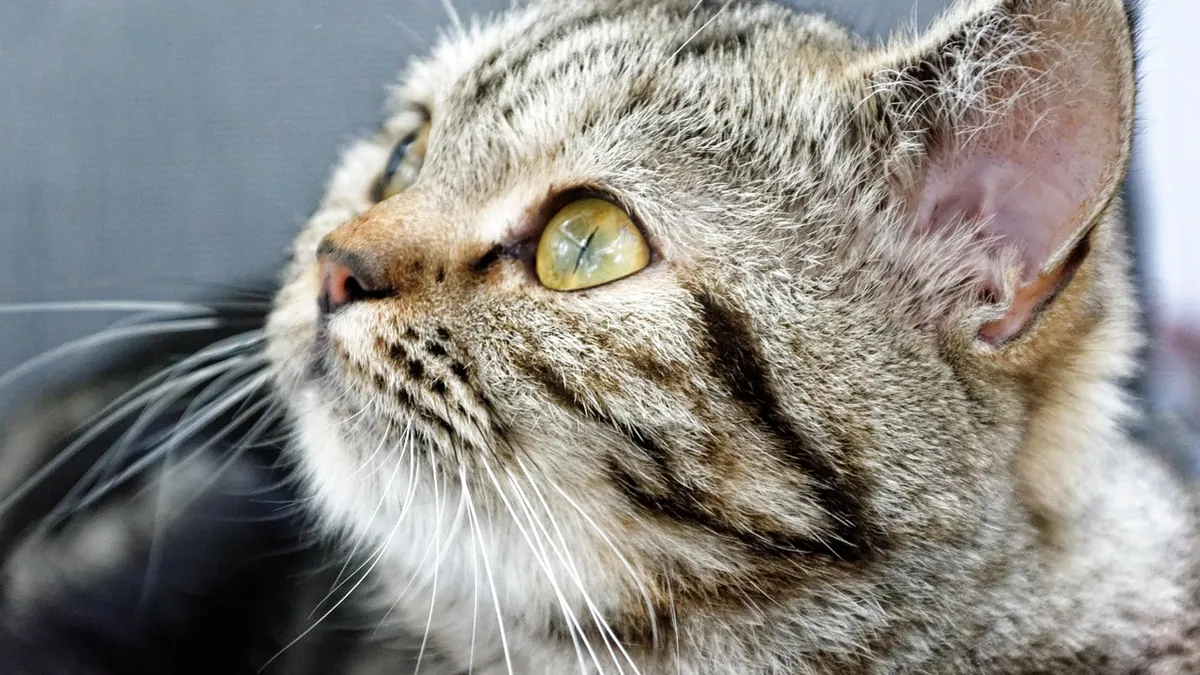
A cat skin rash is any area of red, swollen, or irritated skin, and treatment depends on what is causing it. Most rashes in cats come from allergies, parasites, infections, or contact irritants, so the right cat skin rash treatment starts with a diagnosis instead of a guess. This article is educational and is not a substitute for veterinary diagnosis or treatment.
Quick Answer
- Do not use human creams, hydrocortisone, or antibiotic ointments on your cat unless your veterinarian prescribes them. Cats lick topical products off, and some human medicines are toxic to cats [1].
- A simple rash with no broken skin, no swelling, and a normal appetite can often wait for a routine vet visit within a few days.
- A rash with facial swelling, trouble breathing, vomiting, or sudden collapse is an emergency. Hives can be life threatening when swelling affects the head, legs, or respiratory tract [2].
- Flea control, a limited-ingredient diet trial, or a medicated wash are common first steps, but each one is chosen based on the diagnosis [1][3].
- Never give your cat an over-the-counter or human allergy pill. Your veterinarian calculates any dose from your cat's weight and health.
What Is a Cat Skin Rash?
Dermatitis is the general medical word for any inflammation of the skin, and it is used until a specific diagnosis is reached [4]. A rash is the visible part of that inflammation. It can look like red patches, small raised bumps, scabs, scales, or blisters [4].
Cats rarely get the classic raised welts that people call hives. True urticaria is very rare in cats and is most often linked to insect bites or stings or to medications [2]. When it does happen, the wheals appear within minutes to hours of exposure [2].
Because so many skin conditions look alike, a rash on your cat is a symptom, not a diagnosis. Immune-mediated skin diseases, for example, can look almost identical to allergies or infections, with redness, hair loss, scaling, crusting, and sometimes itching [5][6]. That overlap is exactly why guessing at treatment often fails.
Signs Owners Notice
Watch for these changes on your cat's skin and coat:
- Itching, scratching, chewing, or overgrooming
- Redness or darkened, thickened skin
- Scaling, crusting, scabs, or greasy coat
- Hair loss, either patchy or widespread
- Bumps, pustules, or small open sores
- Unusual odor from the coat or skin
- Restlessness, hiding, or crankiness when touched
The usual progression of a skin disease starts with an underlying trigger that produces bumps, boils, scabs, scales, or blisters [4]. Signs can also include oil accumulation and color changes from increased pigmentation [4].
Location matters. Rashes on the face, paws, belly, and flanks often point in different directions. If the problem is centered on the face, see Cat Skin Rash on Face: Common Causes and Home Care. If your cat is licking its feet raw, Cat Skin Rash on Paws: Causes and Home Care covers that pattern.
Causes and Risk Factors
Skin inflammation has many causes. They include external irritants, burns, allergens, trauma, and infection from bacteria, viruses, parasites, or fungi [4]. Dermatitis can also come from internal or body-wide disorders [4].
| Cause | Typical clues | First step |
|---|---|---|
| Fleas and other parasites | Itching at the tail base, neck, or belly, visible flea dirt | Year-round flea prevention for every pet in the home |
| Environmental allergies | Itching without much visible rash, often seasonal or after contact with a trigger | Vet exam, then allergy management plan |
| Food allergy | Itching plus digestive signs, or itching that never fully clears | Strict diet trial chosen by your vet |
| Bacterial or fungal infection | Crusts, odor, circular patches, spreading lesions | Skin testing, then prescription treatment |
| Contact irritant | Rash where the skin touches a substance or surface | Remove the trigger, wash the area as directed |
| Immune-mediated disease | Redness, scaling, crusting, erosions, sometimes severe | Biopsy and specialist-guided therapy |
Immune-mediated skin diseases in cats are rare, but they can come with serious body-wide signs and a poor quality of life if untreated [5][6]. They are diagnosed by their characteristic features, not by appearance alone [5][6].
Allergies are a common driver. Cats with atopic skin syndrome are often managed long term, and some need allergen-specific immunotherapy to reduce their sensitivity over time [3]. Food allergy is a separate possibility, and it is covered in Cat Food Allergy Skin Rash: Symptoms and Management.
One more risk to know about: fleas do more than cause itching. Fleas spread Bartonella henselae between cats, and that bacterium causes cat scratch disease in people, with a papule or pustule at the scratch site and tender lymph nodes nearby [7]. Good flea control protects your cat and your household.
How It Is Diagnosed
Your veterinarian will start with a full history and a hands-on exam. Expect questions about diet, flea prevention, recent medications, new bedding or cleaners, and whether other pets or people are itchy.
From there, common steps include:
- Skin scrapings to look for mites
- Tape preps or cytology to check for bacteria and yeast
- A flea comb and close inspection of the coat
- A Wood's lamp or fungal culture if ringworm is suspected
- A limited-ingredient or hydrolyzed diet trial for suspected food allergy
- Blood work if a body-wide disorder is possible
- A skin biopsy for suspected immune-mediated disease
Successful treatment requires identifying the underlying cause [1]. That is why a diagnosis comes before a prescription. If your cat has a rash with no clear trigger, a general workup is described in Cat Skin Rash: Causes, Home Care, and When to See the Vet.
Cat Skin Rash Treatment: What Your Vet May Prescribe
Treatment splits into two groups: products applied to the skin and medicines given by mouth or injection [1].
Topical Treatment
Topical products include antibiotic ointments, corticosteroid preparations, medicated shampoos, and topical insecticides [1]. These work well for some conditions and can add to the effect of systemic drugs [1].
Two practical points matter for cats. First, use local ointments, gels, and sprays sparingly so your cat does not lick off excessive amounts [1]. Second, most cats dislike baths, so shampoo therapy is recommended less often for cats than for dogs. Your veterinarian may instead suggest local warm packs or washing just the affected area, such as the chin [1].
Systemic Treatment
Systemic drugs travel through the body after being taken by mouth or injected. Options include whole-body antibiotics, antifungals, antiparasitics, hormones, antihistamines, corticosteroids, and other anti-inflammatory drugs [1]. Which one your cat needs depends entirely on the diagnosis.
For allergic itching, newer options exist. One retrospective study of 14 cats with allergic pruritus found that oclacitinib controlled itching, with a median starting dose of 1.1 mg/kg twice daily and a median treatment duration of 15.5 months [8]. In 7 of those cats, the maintenance dose could be cut by at least half, usually after 15 days [8]. Blood test changes during treatment were mild and often temporary, including higher cholesterol, raised liver or kidney values, and higher blood sugar, plus brief shifts in some blood cell counts [8]. This is not a dose for you to use at home. It is a prescription decision your veterinarian makes and monitors with lab work.
Allergen-specific immunotherapy is another long-term route for cats with atopic skin syndrome. A 2026 review of rush immunotherapy, which gives increasing allergen doses over a single day to reach maintenance faster, looked at 47 cats and evaluated how often and what kind of adverse events occurred [3]. Safety data in cats is still limited, so this is a specialist-level conversation [3].
Home Care That Is Actually Safe
Home care supports treatment. It does not replace it.
- Follow the prescription exactly, including how long to give it.
- Keep the area clean and dry unless your vet says otherwise.
- Use an Elizabethan collar if your cat will not stop licking a treated spot.
- Do not apply human steroid creams, antibiotic ointments, or pain relievers.
- Do not use essential oils, tea tree, or herbal salves. Cats groom them off and can become sick.
- Keep up flea prevention year round, for every pet in the home.
If you want a fuller list of what is and is not safe to try at home, see Cat Skin Allergy Home Remedies: Safe Options and What to Avoid.
Recovery, Outlook, and Long-Term Management
How fast a rash clears depends on the cause. Parasite and infection cases often improve within days to a few weeks once the right treatment starts. Allergies and immune-mediated diseases are usually managed, not cured, and they need ongoing care.
Some conditions require months of treatment before you see real change. Diet trials in particular take strict feeding with no table scraps and no other pets' food. If you break the trial, you restart the clock.
Long-term management often means:
- Scheduled rechecks so your vet can adjust treatment
- Periodic blood work if your cat takes a systemic drug [8]
- Continued flea prevention
- Environmental changes, such as new bedding or air filtration, if allergies are involved
- Watching for flare-ups and calling early instead of waiting
Immune-mediated diseases can be severe and hard to control, and in the worst cases they can lead owners to consider euthanasia [5][6]. Early diagnosis gives your cat the best chance, which is another reason not to wait on a rash that keeps spreading.
Prevention
You cannot prevent every rash, but you can lower the odds.
- Use flea prevention all year for every cat and dog in the house.
- Keep up with routine vet visits and mention any skin change early.
- Introduce new foods, litters, and cleaners one at a time so you can spot a trigger.
- Wash bedding regularly and dry it fully.
- Keep your cat indoors to reduce contact with parasites and irritants.
- Treat any underlying medical condition your vet finds.
Limitations and When to Contact a Veterinarian
Home care has real limits. You cannot diagnose a rash by looking at it, and many conditions look alike [5][6]. Every individual case needs a veterinarian to examine your cat and set the plan.
Call your veterinarian the same day if you see:
- A rash that is spreading quickly
- Open sores, pus, or a bad smell
- Your cat is not eating or is hiding more than usual
- Itching that keeps your cat awake or causes self-injury
- A rash that has not improved after a week of the prescribed plan
Go to an emergency clinic now if you see:
- Swelling of the face, eyelids, lips, or paws
- Trouble breathing, wheezing, or noisy breathing
- Vomiting, drooling, or collapse after a possible exposure
- Hives with fluid accumulation in the head, legs, respiratory tract, or genitals, which can be life threatening [2]
If you think your cat ate a medication, cream, or plant, call your veterinarian or a pet poison hotline right away. Do not wait for symptoms.
Frequently Asked Questions
What is the best cat medicine for rashes?
There is no single best medicine, because the right drug depends on the cause. Your veterinarian may prescribe a topical antibiotic, a steroid, a medicated wash, or a systemic drug such as an antibiotic, antifungal, antiparasitic, antihistamine, or anti-inflammatory [1]. Giving the wrong one can delay real treatment or cause harm.
How do I treat a cat rash at home?
Keep the area clean, stop your cat from licking it, and follow any prescription your vet has given. Do not use human creams, steroid ointments, or essential oils, and use topical products sparingly so your cat does not lick off too much [1]. If you have not seen a vet yet, book a visit before trying anything else.
Can I give my cat Benadryl or another human allergy pill?
No. Do not give human medications to your cat unless your veterinarian prescribes that exact drug and dose for your cat. Antihistamines are among the systemic drugs vets may use for skin disorders, but the choice and dose are medical decisions based on your cat's weight and health [1].
How long does a cat skin rash take to heal?
It depends on the cause. Parasite and infection cases often improve within days to a few weeks of correct treatment, while allergies and immune-mediated diseases are managed long term. One study of cats on a prescription anti-itch drug reported a median treatment duration of 15.5 months, which shows how long some allergic cats need support [8].
Is a cat skin rash contagious to people or other pets?
Some causes are contagious and some are not. Ringworm and fleas can spread to people and other animals, while allergies and immune-mediated diseases do not spread. Fleas also transmit Bartonella henselae among cats, and that bacterium causes cat scratch disease in people [7]. Ask your veterinarian whether anyone in your home needs extra precautions.
Related Articles
- Cat Skin Rash: Causes, Home Care, and When to See the Vet
- Cat Skin Rash on Face: Common Causes and Home Care
- Cat Food Allergy Skin Rash: Symptoms and Management
- Cat Skin Rash on Paws: Causes and Home Care
- Cat Skin Allergy Home Remedies: Safe Options and What to Avoid
- Cat Skin Rash on Back: Causes and Treatment
- Itchy Skin in Cats: Causes and Safe Relief at Home
- Home Remedies for Cat Dry Skin and Itching
- Hives and Skin Allergies in Cats: Treatment Options
References
- Treatment of Skin Disorders in Cats - Cat Owners. Merck Veterinary Manual.
- Hives and Rashes (Urticaria) in Cats - Cat Owners. Merck Veterinary Manual.
- Retrospective Review of Rush Allergen-Specific Immunotherapy Safety in Cats With Atopic Skin Syndrome. Veterinary dermatology, 2026.
- Dermatitis and Dermatologic Problems in Cats - Cat Owners. Merck Veterinary Manual.
- Feline immune-mediated skin disorders: Part 2. Journal of feline medicine and surgery, 2025.
- Feline immune-mediated skin disorders: Part 1. Journal of feline medicine and surgery, 2025.
- Cat Scratch Disease. 2025.
- Long-term oclacitinib administration for the control of feline allergic pruritus: A retrospective study of 14 client-owned cats. The Canadian veterinary journal = La revue veterinaire canadienne, 2025.