Cat Skin Fungus: Treatment Options for Ringworm and More
By Dr. Zubair Khalid, DVM, MS, PhD ·
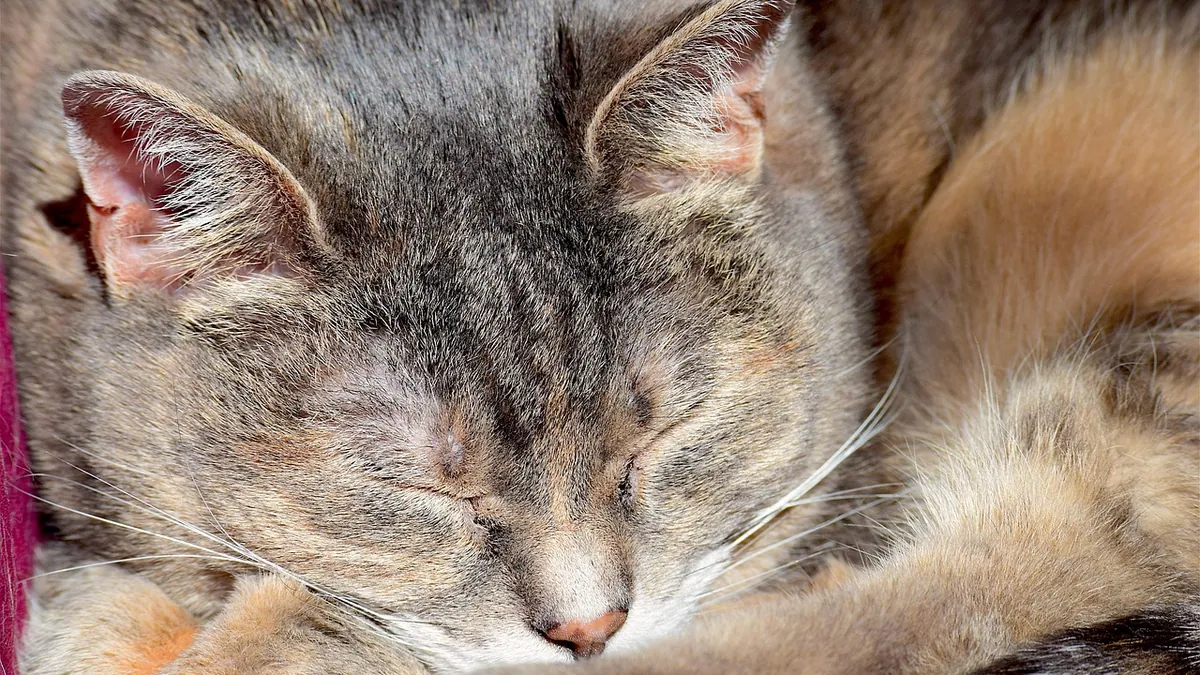
Cat skin fungus treatment almost always means two things at once: medicine that kills the fungus on your cat and cleaning that removes spores from your home. Ringworm is the most common fungal skin infection in cats, and it is contagious to people and other pets, so treating the cat alone often fails. This article is educational and is not a substitute for veterinary diagnosis or treatment.
Quick Answer
- Ringworm is a fungal infection, not a worm, and about 98% of feline cases are caused by Microsporum canis [1].
- Most cats need both a topical antifungal (medicated baths, dips, or ointments) and an oral antifungal pill or liquid, because topical products alone rarely reach the hair follicles where the fungus lives.
- Ringworm spreads through broken hairs and spores on furniture, bedding, and grooming tools, so environmental cleaning is part of treatment, not an optional extra [1].
- Kittens, longhaired cats, and cats with other illnesses tend to have more stubborn or widespread infections [1].
- Never use a human antifungal cream or an old pet medication without veterinary guidance, and never guess an oral dose. Your veterinarian calculates the dose from your cat's weight and health.
What Cat Skin Fungus Actually Is
"Cat skin fungus" is a broad phrase. In everyday use, it usually means ringworm, which is a fungal infection of the skin, hair, or claws caused by organisms called dermatophytes [1]. Despite the name, ringworm has nothing to do with worms. The "ring" refers to the circular, sometimes itchy rash that can appear on infected skin [2].
In cats, about 98% of ringworm cases are caused by Microsporum canis [1]. Other fungi can affect cats too. Aspergillosis is primarily a respiratory infection that can occasionally spread, and candidiasis is a rare yeast-related disease of mucous membranes and skin [3]. These are much less common than ringworm and are diagnosed differently.
Dermatophytes generally grow only in dead cells of the skin and hair. Infection stops when the fungus reaches living cells or inflamed tissue, and as inflammation and immunity build, spread slows. That process can take several weeks [1].
Signs Owners Notice
Ringworm in cats does not always look like a neat circle. Signs vary widely, and some cats carry the fungus with no visible problems at all.
Common things you may see:
- Patches of hair loss, often on the head, ears, or front legs
- Scaly, crusty, or reddened skin
- Broken or stubby hairs
- Mild itching, or no itching at all
- Brittle or thickened claws if the claws are involved
Some cats show no reaction even when the fungus is present. When dermatophytes contact healthy feline tissue, they may be groomed off, outcompeted by other microorganisms, or live on the skin without causing any reaction. In other cases they settle in large numbers and cause dermatitis [2].
Causes and Risk Factors
Ringworm spreads mainly through contact with infected cats and contaminated objects such as furniture or grooming tools. Broken hairs carrying spores are an important source of spread [1].
Exposure does not guarantee infection. Whether a cat gets sick depends on the fungal species and on host factors including age, health, immune status, skin condition, grooming habits, and nutrition [1].
Known risk factors include young age, a long hair coat, lifestyle, warm climates, and the Persian breed [4]. Kittens and longhaired cats may develop more persistent and widespread infections [1]. Cats already stressed by disease or with weakened immune systems are more vulnerable to fungal infections in general [3].
One more point matters for your household: cats that look completely healthy can still carry dermatophytes. In a study of 113 dermatologically healthy cats, researchers cultured dermatophyte strains from skin and hair samples, which suggests healthy cats can act as carriers and spreaders [5]. That is one reason ringworm can keep reappearing in a multi-pet home.
How Ringworm Is Diagnosed
Diagnosis is not something you can do reliably at home, because several skin conditions look alike.
Your veterinarian may use:
- A Wood's lamp, a special light that makes some infected hairs glow
- Microscopic examination of hair shafts to look for spores
- Fungal culture, which grows the organism and confirms which fungus is present
- PCR testing, which detects fungal DNA and can identify the species
In a referral practice study, cases were confirmed using microscopic examination of hair shafts, Wood's lamp examination, and positive fungal culture [4]. In another study, researchers used direct microscopy and fungal culture first, then PCR targeting a specific gene to identify Microsporum canis and Trichophyton rubrum [6]. If your cat's infection is not responding to treatment, your veterinarian may recommend antifungal susceptibility testing to see which drugs the fungus is sensitive to [7].
Cat Skin Fungus Treatment Options
Treatment is almost always a combination approach. Your veterinarian will tailor the plan to your cat's age, weight, overall health, other medications, and how much of the body is affected.
Topical Therapy
Topical treatment reduces spores on the coat and helps prevent spread to other pets and people. Options include medicated shampoos, rinses, dips, and ointments. Topical therapy alone is usually not enough for a cure because the fungus lives deep in the hair follicles, but it is a core part of most treatment plans.
For a step-by-step look at topical products and home spore cleanup, see How to Treat Ringworm in Cats: Antifungal Therapy, Lime Sulfur Dips & Home Spore Cleanup.
Oral Antifungal Medication
Oral antifungals treat the infection from the inside and reach the hair follicles where topical products cannot. These are prescription drugs. Your veterinarian calculates the dose from your cat's weight and health, and the exact drug, dose, and duration are set for your individual cat. Never split a human pill or reuse a leftover prescription.
Oral antifungals are not risk-free. They can affect the liver, so many veterinarians recommend blood work before starting and sometimes during treatment. Keep every recheck appointment.
Treatment for Stubborn or Resistant Cases
Some infections do not clear with standard therapy. This is called refractory dermatophytosis, and it is defined by chronicity, recurrence, or persistence despite adequate treatment [7]. In one reported case in a dog, standard itraconazole and topical antifungals failed, and treatment was changed to a different antifungal based on susceptibility testing [7]. If your cat is not improving, ask your veterinarian about culture and susceptibility testing instead of simply repeating the same protocol.
Researchers are also studying new options. A 2025 laboratory study evaluated copper oxide nanoparticles against Microsporum canis isolates from dogs and cats, driven by concerns about drug-resistant strains [8]. This is early research, not a treatment you can buy or request today.
A Quick Comparison
| Treatment layer | What it does | Who usually does it |
|---|---|---|
| Topical antifungal (shampoo, dip, rinse, ointment) | Kills fungus and spores on the coat and skin surface | You, at home, on a schedule set by your vet |
| Oral antifungal | Reaches hair follicles and treats infection from within | Prescribed by your vet, given by you |
| Environmental cleaning | Removes spores from bedding, furniture, and tools | You, daily during treatment |
| Rechecks and lab work | Confirms cure and monitors drug safety | Your veterinarian |
Recovery, Outlook, and Long-Term Management
Ringworm is treatable, but it is not fast. As inflammation and immunity develop, further spread stops, and that process may take several weeks [1]. Kittens and longhaired cats often take longer and may need treatment for an extended period.
Expect your veterinarian to recheck your cat before declaring the infection cured. A cat can look completely normal while still carrying spores, so visual improvement alone is not proof of cure. Treatment usually continues until testing is negative.
Infection leads to temporary resistance to reinfection, but that protection is not permanent [1]. A cat that recovers can get ringworm again later.
If you are looking for home-based approaches, read Ringworm Treatment For Cats At Home and How To Treat Cat Ringworm At Home. Be cautious with natural remedies. Some can be toxic to cats or ineffective, and they should never replace prescription therapy. For a careful look at that topic, see How To Treat Ringworm In Cats Naturally.
Prevention and Household Spread
Ringworm is zoonotic, meaning it spreads between animals and people. Children under 5 are among the most at-risk human groups, and dermatophytosis is the zoonosis most frequently contracted by veterinary professionals from their patients in the UK [9]. This is not a reason to panic. It is a reason to clean well and wash your hands.
Steps that help:
- Wash your hands after handling your cat, especially before eating or touching your face.
- Vacuum carpets, rugs, and furniture regularly. Discard the vacuum bag or empty the canister outside.
- Wash bedding, blankets, and cat beds in hot water.
- Disinfect grooming tools, food bowls, litter boxes, and carriers.
- Keep infected cats separated from other pets and from young children when possible.
- Wear gloves when applying topical treatments if you have broken skin.
- Ask your veterinarian how long to continue cleaning after treatment ends. Spores can survive in the environment for a long time.
If anyone in your household develops a new itchy, circular rash, see a human healthcare provider. Treating the cat and the person at the same time helps prevent ping-pong reinfection.
Limitations and When to Contact a Veterinarian
No article can tell you what is causing your cat's skin problem. Individual cases need a veterinarian who can examine your cat, run tests, and prescribe treatment safely.
Contact your veterinarian the same day if:
- Your cat has open sores, bleeding, or signs of a skin infection
- Your cat is scratching so much that it cannot eat or rest
- You have a kitten, a senior cat, or a cat with another illness showing new skin lesions
- A person in your home with a weakened immune system has been exposed
Seek emergency care now if:
- Your cat has trouble breathing, collapses, or has a seizure
- Your cat has facial swelling with difficulty breathing
- You think your cat swallowed a topical or oral antifungal product
Call a routine visit if:
- You notice new hair loss, scaling, or crusting
- A previous ringworm infection seems to be coming back
- Your cat is not improving after several weeks of prescribed treatment
If you suspect poisoning from a medication or topical product, contact the ASPCA Animal Poison Control Center at (888) 426-4435 or the Pet Poison Helpline at (855) 764-7661. These lines may charge a consultation fee.
Frequently Asked Questions
Can I catch ringworm from my cat?
Yes. Ringworm spreads to people mainly through contact with infected cats and contaminated objects like furniture or grooming tools [1]. Children under 5 are among the most at-risk groups [9]. Wash your hands often and see a doctor if you develop a new circular rash.
How long does ringworm treatment take?
It varies by cat, but the immune process that stops fungal spread can take several weeks [1]. Kittens and longhaired cats often need longer. Your veterinarian decides when to stop based on follow-up testing, not on how the skin looks.
Do I really need oral medication, or is a shampoo enough?
Most cats need both. Topical products reduce spores on the coat but do not reliably reach the hair follicles where the fungus lives. Oral antifungals treat the infection from within, which is why combination therapy is standard.
Can a cat with no symptoms still spread ringworm?
Yes. Researchers cultured dermatophytes from skin and hair samples of cats that had no skin lesions at all [5]. Healthy-looking cats can act as carriers and pass the fungus to other pets and to people.
What if treatment is not working?
Ask your veterinarian about culture and antifungal susceptibility testing. Refractory dermatophytosis is defined by chronicity, recurrence, or persistence despite adequate treatment [7]. In one reported case, treatment was changed to a different antifungal based on susceptibility results [7].
Related Articles
- How to Treat Ringworm in Cats: Antifungal Therapy, Lime Sulfur Dips & Home Spore Cleanup
- Ringworm Treatment For Cats At Home
- How To Treat Ringworm In Cats Naturally
- How To Treat Cat Ringworm At Home
- How To Treat Ringworm At Home Cats
- Ringworm on a Cat's Ear: Signs, Treatment, and Cleaning
- Fungal Skin Infections in Cats: Signs and Treatment
- Ketoconazole for Cats: Ringworm and Ear Infection Use
- Cat Skin Parasites, Fungus, and Worms: What to Know
References
- Ringworm (Dermatophytosis) in Cats - Cat Owners. Merck Veterinary Manual.
- Ringworm: A Serious but Readily Treatable Affliction. Cornell University College of Veterinary Medicine.
- Fungal Infections in Cats - Cat Owners. Merck Veterinary Manual.
- Epidemiological and Clinical Features of Dermatophytosis in a Referral Practice in Italy: A Retrospective Study in Different Feline Breeds. Veterinary dermatology, 2026.
- Antifungal susceptibility testing of Microsporum canis isolated from the skin of dermatologically healthy cats. Open veterinary journal, 2025.
- Prevalence of dermatophytosis in cats and dogs in türkiye: dominance of Microsporum canis and first detection of Trichophyton rubrum. BMC veterinary research, 2025.
- Refractory Dermatophytosis in a Spitz Dog Successfully Managed with Posaconazole: A Case Report. Animals : an open access journal from MDPI, 2026.
- Antifungal potential of copper oxide nanoparticles against Microsporum canis isolates in canine and feline dermatophytosis. Current medical mycology, 2025.
- A comparison of the existing recommendations for human and veterinary clinicians on the management and prevention of the zoonotic aspects of dermatophytosis: A scoping review. PloS one, 2026.