Acne in Cats' Ears: Causes, Treatment, and Prevention
By Dr. Zubair Khalid, DVM, MS, PhD ·
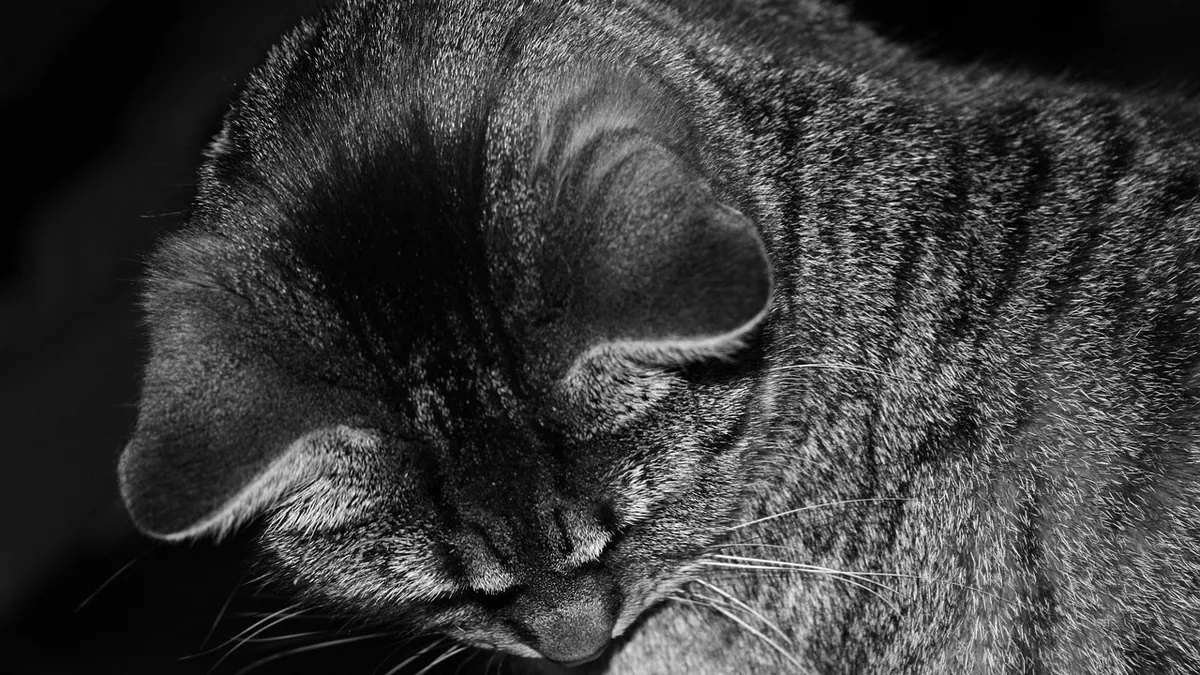
Acne in cats' ears is a form of feline acne that shows up as blackheads, small pimples, or crusty bumps on the ear flaps (pinnae) and often on the chin at the same time. It happens when hair follicles and oil glands get clogged, and it is usually mild and manageable at home. Some cats need veterinary treatment when the skin becomes inflamed or infected.
This article is educational and is not a substitute for veterinary diagnosis or treatment.
Quick Answer
- Feline acne most often appears on the chin, and the ear flaps can be affected too, usually as blackheads or small bumps along the edge and outer surface.
- Plastic food and water bowls are a common trigger because scratches in the plastic trap bacteria and oils that irritate the skin.
- Mild cases often improve with twice-daily cleaning using a veterinarian-approved wipe or diluted chlorhexidine product, plus switching to stainless steel, glass, or ceramic bowls.
- Do not squeeze, pick, or pop the bumps. This pushes bacteria deeper and can cause a painful infection or an abscess.
- See a veterinarian if the skin is red, swollen, oozing, bleeding, or if your cat is scratching, shaking its head, or losing hair around the ears.
What Is Acne in Cats' Ears?
Feline acne is a disorder of the hair follicles and sebaceous (oil) glands. In cats, it classically affects the chin, but the lips and the pinnae of the ears can be involved as well. The basic problem is a clogged follicle, which forms a comedo, better known as a blackhead. When bacteria multiply inside the clogged follicle, a red pimple or a crusty sore can develop.
Many skin diseases affect the outer ear, and most of them also affect other areas of skin, so a problem that looks like acne on the ears may actually be part of a broader skin condition [1]. That is one reason a veterinarian will examine your cat's whole body, not just the ears, before settling on a diagnosis.
Ear acne is not the same as an ear infection. Acne sits on the skin of the ear flap. An infection lives in the ear canal, behind the flap, and usually causes discharge, odor, and head shaking. Cats can have both at once, and scratching at an itchy ear can make acne worse.
Signs Owners Notice
The signs of acne on a cat's ears are usually visible before they become serious. Watch for:
- Small black specks that look like dirt but do not wipe away easily (blackheads)
- Tiny red or pink bumps along the edge or outer surface of the ear flap
- Crusty, scabby, or thickened patches of skin
- Swelling or a puffy area on the ear flap
- Hair loss around the affected skin
- Scratching at the ears or shaking the head
- Chin bumps appearing at the same time
If your cat is losing hair on the ears along with the bumps, that can point to several different conditions, including allergies, mites, or ringworm. You can read more about that pattern in Cat Hair Loss on Ears: Causes and What to Do.
Cat Chin Acne vs Ear Acne
Chin acne and ear acne are the same underlying condition in different locations. Chin acne is far more common and is what most owners notice first. Ear involvement tends to appear as blackheads or crusts on the pinna, sometimes spreading from the chin upward. If your cat has chin bumps, our guide to Feline Chin Acne: Causes, Home Care, and When to See a Veterinarian covers the daily routine in more detail.
When It Looks Like Something Else
Some ear conditions mimic acne but need very different treatment. Ear mites cause intense itching and dark, coffee-ground debris in the canal, and they are common even in indoor cats. In one study of owned cats, mites were found in 6% of the cats examined, and about half of those cats were exclusively indoor and completely asymptomatic [2]. You can learn more in Ear Mites in Cats: Otodectes cynotis Treatment and Prevention.
Ringworm, a fungal infection, can also cause crusty patches on the ear flap. See Ringworm on a Cat's Ear: Signs, Treatment, and Cleaning if the crusts are circular, scaly, or spreading.
A rare condition called proliferative and necrotizing otitis externa (PNOE) causes thick, dark red, brown, or black crusts, most often on the inner surface of both ear flaps and in the vertical ear canals [3]. It is thought to be immune-mediated and does not respond to acne treatment [3].
Causes and Risk Factors
Veterinarians do not fully understand why some cats develop acne and others do not. The likely contributors include:
Plastic bowls. Plastic scratches easily, and those scratches hold bacteria, food oils, and debris against the skin of the chin and lower face. Many cats improve simply by switching bowls.
Poor grooming or oily skin. Cats with greasy coats or those who cannot groom well may have more clogged follicles.
Stress and immune suppression. Stress can change oil production and skin health.
Allergies and other skin disease. A dermatological history and itching are linked to ear disease in cats. In a study of owned cats, the prevalence of otitis externa was 17%, and it correlated with a dermatological history, pruritus, and multiple clinical signs [2].
Bacterial and yeast overgrowth. Abnormal ear cytology was found in 19% of cats in that same population, with bacteria or yeast at problematic levels in 15% [2]. Staphylococcus species, including antibiotic-resistant strains, can colonize cats and cause skin infections, which matters when choosing treatment [4].
Parasites. Notoedric mange, caused by Notoedres cati, is a rare but severe parasitic skin disease that can cause crusting and ear inflammation, mainly in stray cats, and it can spread to people [5].
Ear hematoma. If your cat scratches hard enough, a blood vessel in the ear flap can break and the pinna fills with blood. The swollen ear feels soft and fluid-filled, and the cat can be uncomfortable [1]. This is a medical problem, not acne.
How It Is Diagnosed
Diagnosis is best based on medical history, a full exam of the skin and ears, and targeted tests [1]. Your veterinarian will likely:
- Look at the whole coat and skin, not only the ears
- Examine the ear canals with an otoscope
- Take a skin impression or tape prep to look for bacteria, yeast, or mites
- Do a skin scraping if parasites are suspected
- Use a Wood's lamp or fungal culture if ringworm is possible
- Recommend blood work or a food trial if allergies are suspected
Ear cytology is a simple, quick test. In the cat population studied, cytology was abnormal in 19% of cats, which shows how often a visual exam alone would miss the real problem [2].
Treatment Options
Treatment depends on how mild or severe the acne is and whether infection is present.
Home Care for Mild Cases
For simple blackheads with no redness or swelling, most veterinarians recommend:
- Cleaning the affected skin once or twice daily with a soft pad or cotton ball
- Using a product your veterinarian approves, such as a diluted chlorhexidine wipe or a medicated pad made for cats
- Switching to stainless steel, glass, or ceramic bowls, and washing them daily
- Keeping the chin and ear flaps dry after meals and after cleaning
- Never squeezing or picking at the bumps
Do not use human acne products on your cat. Benzoyl peroxide, salicylic acid, and similar ingredients can irritate or poison cats.
Prescription Treatment
If the skin is inflamed or infected, your veterinarian may prescribe:
- Topical antibiotics or antifungal creams
- Medicated shampoos or wipes with a specific active ingredient
- Oral antibiotics for deeper bacterial infection
- Oral medication for yeast or mites if those are found
- Anti-itch medication if scratching is driving the problem
Antibiotic choice matters. Staphylococcus species in cats can carry resistance to common antibiotics, including methicillin-resistant strains, so your veterinarian may want a culture before choosing a drug [4]. Give the full course exactly as directed, even if the skin looks better in a few days.
For immune-mediated ear conditions like PNOE, treatment is different. These cases respond to topical and systemic immunomodulatory drugs instead of antibiotics or acne cleaners [3]. One report described two cats with refractory PNOE that improved with oclacitinib, including one cat with middle ear involvement and another with skin lesions beyond the ear [6]. This is a specialist-level diagnosis and not something to treat at home.
What Not to Do
- Do not use hydrogen peroxide, alcohol, or harsh soaps on the ear flap.
- Do not use ear cleaning solutions designed for the ear canal on the outer skin unless your vet says so.
- Do not stop antibiotics early.
- Do not assume every bump is acne. Crusts, discharge, and odor point to other diagnoses.
| Situation | Likely Cause | First Step |
|---|---|---|
| Blackheads only, no redness | Mild feline acne | Switch bowls, clean twice daily |
| Red bumps with pus | Bacterial infection | Veterinary visit for diagnosis and antibiotics |
| Dark debris in the canal, intense itching | Ear mites | Veterinary exam and parasite treatment |
| Circular scaly crusts | Ringworm | Veterinary testing and antifungal treatment |
| Thick dark crusts on both ear flaps | Possible PNOE | Veterinary referral, immune-mediated treatment |
| Soft, fluid-filled swelling on the flap | Ear hematoma | Same-day veterinary care |
Recovery, Outlook, and Long-Term Management
Mild feline acne often clears with consistent home care, but it can come back. Many cats need ongoing bowl hygiene and periodic cleaning to keep the skin calm. If a bacterial infection was treated, improvement usually shows within days, but the full course of medication still needs to finish.
If an ear hematoma is left untreated, the fluid is eventually absorbed by the body, but healing can take several months, and the ear flap often scars and shrinks into a crinkled "cauliflower ear" appearance [1]. Surgery to drain and flush the swelling, sometimes with a soft tube drain, is the usual treatment and gives a better cosmetic result [1].
Long-term management usually means:
- Daily bowl washing and non-plastic dishes
- Weekly checks of the chin and ear flaps for new blackheads
- Prompt cleaning at the first sign of bumps
- Regular veterinary exams if your cat has a history of skin disease
- Keeping allergies, parasites, and other skin conditions under control
Prevention
You cannot always prevent feline acne, but you can lower the odds.
- Use stainless steel, glass, or ceramic bowls, and wash them every day.
- Wipe your cat's chin and the outer ear flaps after meals if food or saliva collects there.
- Keep the coat clean and brushed, especially in cats that groom poorly.
- Manage stress and keep a consistent routine.
- Treat ear infections, mites, and allergies early so your cat does not scratch the ear flap raw.
- Check the ears weekly as part of your normal home exam.
Limitations and When to Contact a Veterinarian
Home care has limits. Acne that does not improve in one to two weeks of consistent cleaning needs a veterinary visit. Individual cases need a veterinarian to confirm the diagnosis and set treatment.
Contact your veterinarian the same day if you see:
- Redness, swelling, warmth, or pus on the ear flap
- A soft, fluid-filled swelling on the ear (possible hematoma)
- Bleeding, open sores, or a foul odor
- Your cat scratching constantly, shaking its head, or holding the ear down
- Hair loss that is spreading
Go to an emergency clinic now if:
- Your cat is lethargic, not eating, or has a fever
- The ear is severely swollen and painful to touch
- There is heavy bleeding from the ear
- Your cat is tilting its head, losing balance, or walking in circles
Schedule a routine visit if:
- Blackheads keep returning after cleaning
- The chin and ears are both affected
- You are unsure whether the bumps are acne, mites, or ringworm
Frequently Asked Questions
Can I use human acne cream on my cat's ears?
No. Human acne products contain ingredients that are irritating or toxic to cats, and the skin on the ear flap is thin and absorbs quickly. Ask your veterinarian for a cat-safe cleaner or prescription product instead.
Are blackheads on cat ears contagious to other pets or to me?
Feline acne itself is not contagious. Some conditions that look similar, such as notoedric mange and ringworm, can spread to other animals and to people, so a veterinary exam matters when the skin looks crusty or inflamed [5].
Will switching bowls really help my cat's ear acne?
It often helps, especially if you have been using plastic. Plastic scratches hold bacteria and oils against the skin. Switching to stainless steel, glass, or ceramic and washing the bowls daily removes that trigger for many cats.
How long does feline acne take to clear up?
Mild cases often improve within one to two weeks of consistent cleaning and bowl changes. If a bacterial infection is present and treated with antibiotics, the skin may look better in a few days, but the full medication course must be completed to prevent relapse.
Can ear acne cause hearing loss in my cat?
Acne on the ear flap does not affect hearing because it stays on the outer skin. Hearing loss is a concern with deeper ear problems, and most feline ear disorders are treatable and will not cause permanent hearing loss if they are recognized and treated early [7].
Related Articles
- Cat Hair Loss on Ears: Causes and What to Do
- Feline Chin Acne: Causes, Home Care, and When to See a Veterinarian
- Cat Ear Infection with Hair Loss: Causes and Treatment
- Ear Mites in Cats: Otodectes cynotis Treatment and Prevention
- Ringworm on a Cat's Ear: Signs, Treatment, and Cleaning
- Ear Mite Treatment For Cats
- Cat Bump on the Chin: Acne, Cysts, and Other Causes
- Blackheads in Cats: Causes and Treatment
- Cat Acne Treatment: Chin Breakouts and Home Care
References
- Disorders of the Outer Ear in Cats - Cat Owners. Merck Veterinary Manual.
- Prevalence of Otitis Externa in a Population of Owned Cats in Northern Italy. Animals : an open access journal from MDPI, 2026.
- Proliferative and Necrotizing Otitis Externa of Cats and Kittens. The Veterinary clinics of North America. Small animal practice, 2025.
- Emerging threats and zoonotic implications of antibiotic-resistant Staphylococcus spp. in domesticated cats: a review. Antonie van Leeuwenhoek, 2026.
- Notoedres cati-induced bilateral erythemato-ceruminous otitis externa in a cat. Parasitology international, 2026.
- Oclacitinib therapy in two cats with refractory proliferative and necrotising otitis externa. Veterinary dermatology, 2024.
- Feline Ear Disorders. Cornell University College of Veterinary Medicine.