Red Paws and Red Skin in Dogs: Causes and Safe Home Care
By Dr. Zubair Khalid, DVM, MS, PhD ·
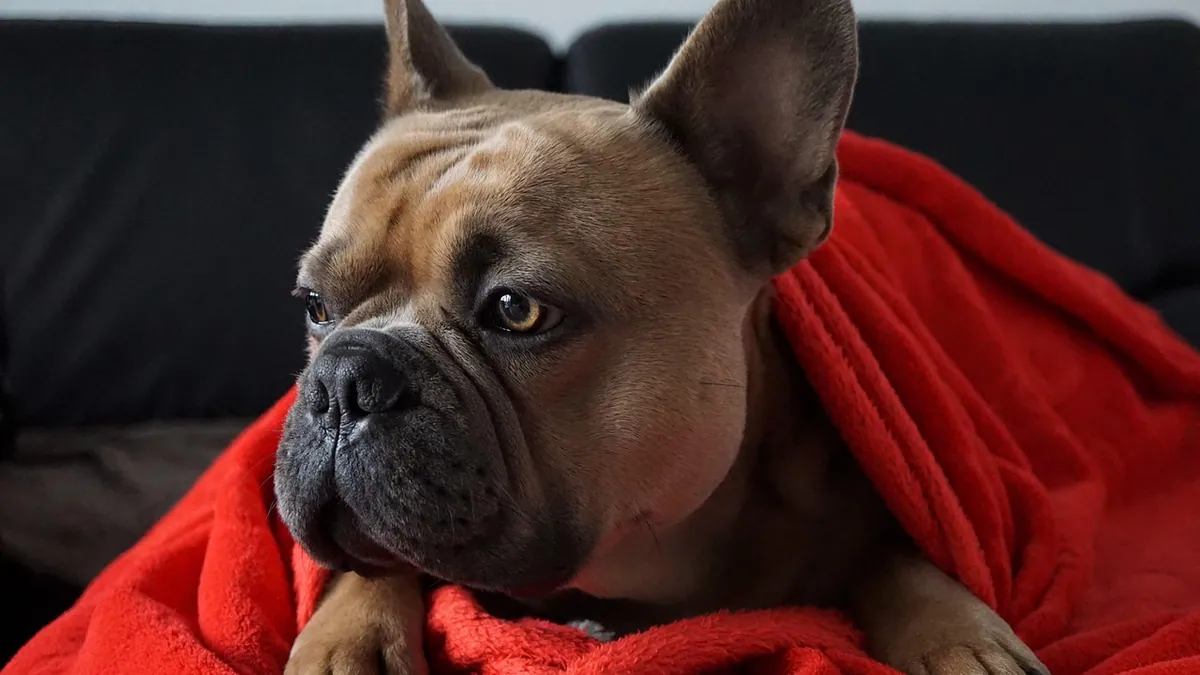
Red paws and red skin in dogs usually mean inflammation, and the most common triggers are allergies, infections, and contact irritants. A simple home remedy for dog red paws can calm mild irritation, but redness that keeps coming back or comes with swelling, odor, or limping needs a veterinarian. This article is educational and is not a substitute for veterinary diagnosis or treatment.
Quick Answer
- Redness alone is not a diagnosis. Dermatitis is a general term for skin inflammation from irritants, allergens, burns, trauma, or infection, and it shows up as itching, scaling, redness, thickening, odor, or hair loss [1].
- The most common causes of itching and licking are parasites, infections, and allergies, and your vet will rule out parasites first [2].
- Stop the licking. A cone or a clean sock can prevent your dog from making red paws worse while you figure out the cause.
- Rinse and dry. Cool water rinses off irritants, and thorough drying matters because wet paws are linked to paw problems [3].
- See a vet if redness is severe, one-sided, painful, oozing, or paired with limping, because those signs point to infection or injury that home care cannot fix.
What Red Paws and Red Skin Look Like
Red skin in dogs is called erythema. It can look pink, angry red, or bruised, and it may be patchy or cover a whole paw. The skin might also feel warm, look shiny, or have a greasy film. Some dogs have redness with no other signs. Others have redness plus itching, chewing, licking, hair loss, scabs, or a sour smell.
Normal paw pads are usually dark gray, black, or pink depending on the dog, and the skin between the toes should be dry and clean. A little pink after a long walk on hot pavement or a romp in wet grass can be normal and fades within a day. Redness that lasts more than a day, spreads, or keeps your dog licking is not normal.
The skin's response to any insult follows a pattern. An underlying trigger causes scabs, scales, blisters, or boils, and the visible redness is the surface sign of that process [1]. That is why treating only the color rarely works. You have to find the trigger.
Main Causes of Red Paws and Red Skin
| Cause | Typical clues | How urgent |
|---|---|---|
| Allergies (environmental, food, contact) | Itching on paws, face, ears, and belly. Redness flares with seasons or after contact with grass, carpet, or cleaners. | Routine visit, sooner if severe |
| Bacterial infection | Redness, odor, discharge, hair loss, and worsening itch. Often follows an allergy flare. | Routine to urgent, needs antibiotics |
| Yeast infection | Musty smell, brownish discharge, thickened red skin, especially in ears and between toes. | Routine visit |
| Parasites (fleas, mites) | Intense itching, hair loss, scabs, and sometimes visible fleas or flea dirt. | Routine visit, urgent if severe |
| Contact irritants | Redness on the parts that touch the ground or floor. No itching elsewhere. | Home care, vet if it persists |
| Wet or rough flooring | Wet paws, matted fur, calluses, and redness on the bottom of the feet. | Routine visit |
| Trauma or foreign body | Sudden redness, swelling, limping, or a wound on one paw. | Same day |
| Immune or drug reactions | Rapidly spreading red patches, ulcers, or crusts, sometimes with fever or lethargy. | Emergency |
Allergies are the most common reason dogs lick their paws until they are red. The itch starts the licking, the licking damages the skin, and bacteria or yeast move in. That cycle explains why a dog can have red paws for months even when the original allergen is gone. Itching may develop because of a secondary bacterial or yeast infection, and the first cause may already be gone by the time you notice [2].
Infections are common and often hidden. Bacterial and fungal infections cause itching and are frequently accompanied by hair loss, scaling, odor, and fluid discharge. Dogs with combined yeast and bacterial infections often scratch, rub, or lick their feet and face [2]. A vet may prescribe a 21 to 30 day course of antibiotics when a bacterial infection is suspected [2].
Environmental factors matter too. In one study of dogs housed on concrete, gravel, and metal flooring, examiners found wet paws in 12.6 percent of dogs, calluses in 11.26 percent, and erythema in 6.97 percent [3]. Wet paws were linked to other paw problems, which is a good reason to dry your dog's feet after every walk, swim, or bath [3].
Rare causes exist. A Maltese dog with four months of crusty, ulcerative skin lesions turned out to have erythema multiforme triggered by a drug-resistant Pseudomonas infection, and the lesions cleared once the infection was treated [4]. This is uncommon, but it shows why spreading or ulcerated redness deserves a real diagnosis.
Red Flags That Mean Emergency
Some redness cannot wait. Go to an emergency clinic now if you see any of these:
- Redness that spreads within hours, especially with blisters, ulcers, or peeling skin.
- Swelling that makes the paw look like a balloon, or a paw that is hot and painful to touch.
- Sudden severe limping or a paw that your dog will not put down.
- Bleeding that will not stop, a deep cut, a broken nail, or a foreign object stuck in the pad.
- Redness with vomiting, diarrhea, lethargy, trouble breathing, or a fever.
- Red eyes with redness on the skin, especially if your dog is squinting or the eye looks cloudy.
Red eyes and red skin together often point to allergies, but eye redness can also mean conjunctivitis, an ulcer, or something stuck in the eye. Do not put human eye drops or skin creams near the eye. Call your vet or an emergency service.
Safe Home Care for Dog Red Paws
A home remedy for dog red paws works best for mild, recent redness with no swelling, odor, or limping. If your dog has any red flag sign, skip home care and call your vet.
Rinse and Dry
Rinse the paws with cool, clean water after walks. This removes pollen, grass sap, road salt, and cleaning products. Pat dry with a clean towel, then dry between the toes. Damp fur between the toes keeps skin soft and irritated, and wet paws are associated with paw abnormalities [3]. Dry feet are boring, and boring feet heal faster.
Stop the Licking
Licking feels good to your dog and terrible for the skin. A soft cone, an inflatable collar, or a clean cotton sock taped loosely at the ankle can break the cycle. Check the sock every few hours for dampness and change it if it gets wet. If your dog is licking paws raw, that is a sign the itch is out of control and needs veterinary help.
Cool Compress
A cool, damp washcloth held on the paw for a few minutes can reduce surface heat and calm the itch. Use cool water, not ice, and never leave a wet wrap on for long. Dry the paw fully afterward.
Gentle Cleansing
A mild, fragrance-free pet shampoo or a plain lukewarm water soak can remove surface debris. Medicated shampoos are different. They often do not lather well and do not work unless the coat is clean first, so wash with a cleansing shampoo and rinse well before using any medicated product [5]. Only use a medicated shampoo if your vet recommends one.
Protect the Paw
Booties or a clean sock on walks can limit contact with grass, pavement, and chemicals. Avoid hot pavement, which burns pads, and icy sidewalks treated with salt. If your dog has a grass allergy, rinse after every outing.
What Not to Do
Do not use human antibiotic ointments, steroid creams, or pain relievers without veterinary guidance. Dogs lick topical products off, and local ointments, gels, and sprays should be used sparingly for that reason [5]. Never give human medications by mouth. Your veterinarian calculates any dose from your dog's weight and health, and some common human drugs are toxic to dogs.
Do not use essential oils, vinegar soaks, or bleach solutions on red paws. These can burn already inflamed skin. If you want to try an over-the-counter pet product, ask your vet first.
What Your Veterinarian Will Check
Your vet starts with a full skin history and physical exam, then looks for parasites such as mites and fleas as the first possible cause of itching [2]. Next comes the search for infection. Bacterial and fungal infections are common causes of itching, and your vet may take skin scrapings, tape impressions, or swabs to identify organisms [2].
Expect questions about diet, seasonality, flooring, cleaning products, and how long the redness has lasted. Bring notes. A photo of the paw on a bad day helps too.
Treatment depends on the cause. Topical treatments may be preferred for some diseases or used alongside medications taken by mouth or injection [5]. Examples include antibiotic ointments, corticosteroid preparations, medicated shampoos, and topical insecticides [5]. Follow the administration instructions exactly, because topical products work only when used correctly [5].
Some newer options exist for stubborn cases. A small study of dogs with atopic interdigital dermatitis found that focal cryotherapy at minus 5 degrees Celsius for 10 seconds improved redness and severity scores [6]. A separate trial tested a whey protein, vitamin, and mineral supplement in dogs with atopic dermatitis and tracked itching with a visual scale and skin lesions with a severity index [7]. These are veterinary decisions, not home remedies, but they show that hard-to-treat paw redness has options.
If your dog's redness comes with a rash pattern, see Dog Skin Rash on Paws: Causes and Treatment. If licking is the main problem, Dog Licking Paws Red and Dog Licking Paws Very Red explain how licking drives the cycle.
Prevention and Monitoring
Prevention is mostly about breaking the itch-lick-infection loop.
- Dry the paws after every walk, bath, or swim. Pay attention to the spaces between the toes.
- Rinse off allergens and irritants after outings, especially in spring and fall.
- Keep nails trimmed so they do not press into neighboring toes.
- Wash bedding weekly in fragrance-free detergent.
- Use pet-safe cleaners on floors, and rinse well.
- Check the paws weekly. Look between the toes, at the nail beds, and at the pads.
- Track flares in a notebook or phone app. Note the date, the paws involved, the weather, and any new food or product.
- Keep up with flea, tick, and mite prevention as directed by your vet.
If redness returns every time your dog walks in the same field, that is a clue. If it returns every summer, that is another clue. Patterns help your vet choose the right tests and treatments.
Limitations and When to Contact a Veterinarian
Home care has limits. It can soothe mild redness, but it cannot cure allergies, clear a deep infection, or remove a foreign object. Every case is different, and your dog needs a veterinarian to get an accurate diagnosis and safe treatment plan.
Call for a same-day appointment if redness is getting worse over 24 to 48 hours, if one paw is affected and your dog is limping, if there is a bad smell or discharge, if your dog is licking constantly, or if redness keeps coming back after home care.
Go to an emergency clinic now if you see spreading red patches, ulcers, blisters, severe swelling, nonstop bleeding, a wound that goes deep, or redness with lethargy, vomiting, or trouble breathing.
Schedule a routine visit if redness is mild, both sides match, and your dog is otherwise acting normal, but the redness has lasted more than a few days or keeps returning.
Frequently Asked Questions
Can I use coconut oil on my dog's red paws?
Coconut oil can moisturize dry pads, but it will not treat infection or allergy, and your dog will likely lick it off. If the redness is from licking, adding oil may make the area more attractive to lick. Ask your vet before using any oil on inflamed skin.
Are red paws always a sign of allergies?
No. Allergies are common, but parasites, bacterial infections, yeast infections, contact irritants, wet flooring, and injuries also cause red paws. Your vet will rule out parasites first, then look for infection, because those causes need specific treatment [2].
Should I cover my dog's paws with socks?
A clean, dry sock can block licking and reduce contact with irritants for short periods. Change it if it gets damp, and check the paw underneath. Do not leave a tight sock or bandage on for hours, because moisture and pressure can worsen the skin.
Can red skin spread to other parts of my dog's body?
Yes. Contact irritants usually stay on the paws and belly, but allergies and infections often affect the ears, face, armpits, and groin too. Spreading redness, especially with ulcers or crusts, needs prompt veterinary care.
How long does red paw skin take to heal?
Mild irritation from a rinse-off irritant can improve in a few days with cleaning, drying, and no licking. Infections typically need weeks of treatment, and a suspected bacterial infection may require a 21 to 30 day course of antibiotics [2]. Allergies need ongoing management, not a one-time fix.
Related Articles
- Dog Skin Rash on Paws: Causes and Treatment
- Dog Licking Paws Red
- Dog Licking Paws Very Red
- Dog Licking Paws Raw Home Remedy
- Dog Licking Paws Until They Are Red
- Why Are My Dog's Eyes Red?
- Dog Itchy Paws: Causes and How to Stop the Itching
- Red and Itchy Dog Skin: Causes and How to Soothe It
- Bump on Your Dog's Paw or Paw Pad: Causes and Care
- Canine Cutaneous Parasitic Infections: Diagnosis and Management of Skin Parasites in Dogs
References
- Dermatitis and Dermatologic Problems in Dogs - Dog Owners. Merck Veterinary Manual.
- Itching (Pruritus) in Dogs - Dog Owners. Merck Veterinary Manual.
- A cross-sectional study to investigate associations between flooring substrates and prevalence of limb and paw abnormalities of dogs housed in commercial breeding facilities. Frontiers in veterinary science, 2025.
- Pseudomonas aeruginosa infection-associated erythema multiforme in a Maltese dog. The Canadian veterinary journal = La revue veterinaire canadienne, 2024.
- Treatment of Skin Disorders in Dogs - Dog Owners. Merck Veterinary Manual.
- Effect of localized cryotherapy on interdigital pruritus of dogs with canine atopic dermatitis. Journal of veterinary science, 2025.
- Lymph food to improve canine atopic dermatitis: a randomized, double-blinded, controlled trial in dogs with standard-care treatment. Frontiers in veterinary science, 2025.