Dog Cyst on the Mouth, Lip, or Chin: What to Do
By Dr. Zubair Khalid, DVM, MS, PhD ·
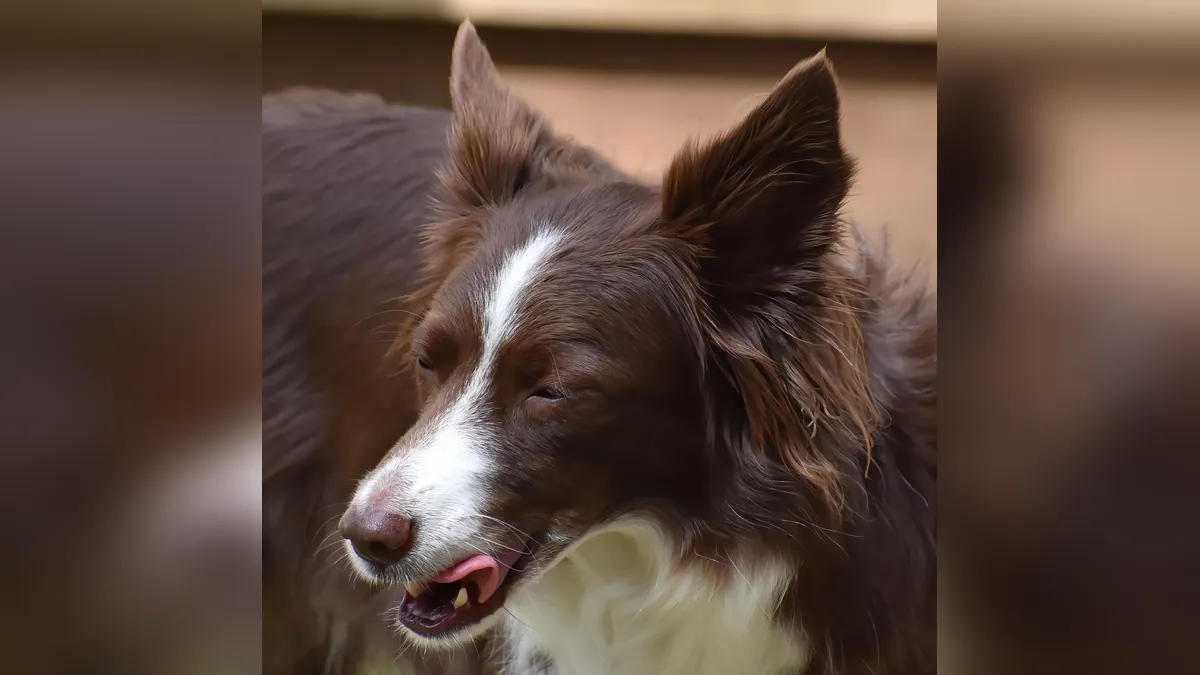
A dog cyst on the mouth is a fluid-filled or firm bump that can appear on the lips, chin, cheek, or anywhere around the head. Most are benign and harmless, but growths in this area deserve a closer look because the mouth is a busy place for eating, chewing, and grooming. Some lumps here turn out to be cysts, while others are infections, salivary issues, or tumors that need treatment.
This article is educational and is not a substitute for veterinary diagnosis or treatment.
Quick Answer
- A cyst on the mouth, lip, chin, or cheek is often a benign fluid-filled sac, but only a veterinarian can confirm what it is.
- Location matters. Lumps near the teeth, gums, or salivary glands behave differently than lumps on the outer skin.
- Any growth that is growing fast, bleeding, ulcerated, or painful needs a vet visit soon.
- Your vet may sample the lump with a fine needle or biopsy to tell a cyst from a tumor.
- Do not squeeze, poke, or try to drain a lump at home. You can cause infection or delay diagnosis.
What a Cyst on the Mouth Looks Like and What Is Normal
A cyst is a pocket of tissue that contains fluid, air, or semi-solid material. On the outside of the lip or chin, it often looks like a smooth, rounded bump under the skin. It may be soft or firm, movable or fixed. Some cysts are the color of your dog's skin, and some look slightly blue or dark if fluid shows through.
Inside the mouth, cysts can look different. They may appear as a swelling on the gum, under the tongue, or along the inner lip. Some are painless. Others make eating uncomfortable.
Normal bumps around a dog's mouth include small warts, harmless skin tags, and minor insect bites that fade in a few days. A cyst is not the same as an abscess, which is a pocket of pus from infection and is usually painful and warm.
Your dog's mouth is also a common site for contact sores. Canine stomatitis causes inflammation of the mucous membranes, and it can create large sores where the lip rubs against the teeth. These are sometimes called "kissing ulcers" because they form where the lips touch the tooth surface, most often on the inner upper lip next to the canine and carnassial teeth [1]. Breeds like Greyhounds, Maltese, Miniature Schnauzers, and Labrador Retrievers are commonly affected [1].
If your dog has a lump plus bad breath, drooling, or trouble eating, the mouth itself may be inflamed, not just the bump [1].
Main Causes of Lumps Around a Dog's Mouth and Head
Many things can cause a bump on a dog's mouth, lip, chin, cheek, or head. The table below groups the most common ones.
| Cause | Typical clues | How urgent |
|---|---|---|
| Benign cyst (follicular, sebaceous, or dermoid) | Smooth, round, slow-growing, not painful | Routine visit |
| Salivary gland cyst (sialocele) | Soft, fluid-filled, often under the jaw or tongue | See vet within days |
| Abscess or tooth root infection | Painful, warm, may drain pus, bad breath | See vet within 1 to 2 days |
| Contact ulcer or stomatitis | Sore where lip meets tooth, drooling, gum inflammation | See vet soon |
| Foreign body (grass awn, splinter) | Sudden swelling, pawing at mouth, drooling | Same day |
| Benign tumor (papilloma, histiocytoma) | Small, cauliflower-like or button-shaped | Routine visit |
| Malignant tumor (mast cell tumor, squamous cell carcinoma) | Fast-growing, ulcerated, bleeding, irregular shape | See vet urgently |
Inflammation of the mouth can cause loss of appetite, bad breath, drooling, and saliva tinged with blood. Dogs may paw at their mouth and resist having it examined because of pain, and lymph nodes in the region may be enlarged [1].
Some tumors in the head and nose are more likely to spread into nearby bone. In dogs with nasal neoplasia, epithelial tumors were more likely to show extension into the skull and destruction of the cribriform plate than mesenchymal tumors [2]. This is why imaging matters when a growth is near the nose or sinuses.
If you notice other lumps on your dog's body, it helps to understand the difference between common fatty tumors, cysts, and more serious growths. Our guide on why dogs get lumps on the skin and how lipomas, mast cell tumors, and cysts differ walks through what vets look for.
Cysts on the Chin
The chin is a common spot for hair follicle cysts and acne-like bumps. These are often small, firm, and slow to change. A cyst on the chin can also form after a minor injury or insect bite. If the chin lump is deep and connected to the jawbone, your vet will want to check the teeth and lymph nodes.
Cysts on the Lip
Lip cysts may be on the outer lip or the inner mucosal surface. Inner lip lumps are more likely to be contact ulcers or salivary issues. Outer lip cysts are often skin-based. Either way, a lip lump that interferes with eating or drinking should be checked.
Cysts on the Cheek
Cheek lumps sit close to the salivary glands, jaw muscles, and lymph nodes. A swelling here can be a salivary mucocele, an infected tooth root, or a lymph node problem. Because the cheek is near the eye and ear, fast-growing lumps here need prompt attention.
Cysts on the Head
A dog cyst on the head may be a simple skin cyst, but the head also holds the sinuses, ear canals, and skull bones. Growths that cause sneezing, nosebleeds, or facial swelling can involve the nasal cavity. CT imaging is often used to evaluate these areas, though imaging alone cannot always tell tumor types apart [2].
Red Flags That Make It an Emergency
Some signs mean you should stop watching and waiting.
- The lump is growing quickly, doubling in size over days.
- It bleeds, ulcerates, or has an open sore that will not heal.
- Your dog cannot eat, drink, or swallow normally.
- There is heavy drooling, blood in the saliva, or severe bad breath [1].
- Your dog paws at the mouth or cries when the area is touched [1].
- The face looks swollen or asymmetric.
- Your dog has trouble breathing or makes noisy breathing sounds.
- There is a foul odor coming from the mouth.
Any of these signs can point to infection, a foreign body, or a tumor. Do not wait for a routine appointment if your dog is in pain or cannot eat.
Safe Things You Can Do at Home While Waiting
You cannot diagnose or treat a mouth cyst at home, but you can keep your dog comfortable and avoid making things worse.
- Do not squeeze, pop, or lance the lump. This can introduce bacteria and turn a simple cyst into an abscess.
- Do not apply human acne creams, hydrogen peroxide, or essential oils to the mouth area.
- Keep the area clean with a soft, damp cloth if there is discharge.
- Offer soft food if chewing seems painful.
- Check the lump daily and take a photo with a ruler or coin next to it so you can track size changes.
- Note any new symptoms like drooling, bad breath, or dropping food.
If your dog has a seizure or any neurologic sign along with a head lump, treat it as an emergency. Our step-by-step guide on what to do when a dog has a seizure can help you respond safely while you call your vet.
Good dental care also reduces mouth problems over time. Gum disease and tooth root infections can create swelling that looks like a cyst. Learning how to treat gum disease in dogs can lower the risk of infection-related lumps.
What Your Veterinarian Will Check and Test
Your vet will start with a full physical exam, including the mouth, teeth, gums, tongue, and lymph nodes. They will feel the lump to judge its size, depth, and whether it is attached to bone or skin.
Common tests include:
- Fine needle aspiration. A thin needle collects cells or fluid from the lump. This is quick and often done without sedation.
- Cytology. The sample is examined under a microscope. This can identify cysts, inflammation, or tumor cells.
- Biopsy. A tissue sample gives the most accurate diagnosis, especially for solid lumps.
- Dental radiographs. X-rays of the teeth and jaw can reveal tooth root abscesses or bone involvement.
- Blood work. This checks overall health and can rule out other causes of mouth inflammation, such as advanced kidney disease [1].
- Imaging. CT or other imaging may be used for lumps near the nose, sinuses, or skull [2].
Cytology is not perfect for every lump, but it is a useful first step. In one study of middle ear disease in dogs, cytology had high specificity but lower sensitivity, meaning a positive result was reliable but a negative result did not fully rule out disease [3]. The same principle applies to many lump evaluations. If cytology is inconclusive, your vet may recommend a biopsy.
If the lump turns out to be a cyst, treatment may be as simple as monitoring. If it is infected, your vet may drain it and prescribe antibiotics. If it is a salivary mucocele, surgery may be needed. If it is a tumor, the treatment plan depends on the type and stage.
Your vet will calculate any medication dose based on your dog's weight and health. Never give human pain relievers like ibuprofen or acetaminophen to a dog.
Prevention and Monitoring
You cannot prevent every cyst or growth, but you can lower some risks and catch problems early.
- Brush your dog's teeth regularly and schedule professional dental cleanings. Healthy gums mean fewer infection-related lumps.
- Check your dog's mouth, lips, chin, and cheeks once a week. Run your fingers gently along the jawline and look inside the lips.
- Keep a lump journal. Note the date you first saw it, its size, and any changes.
- Avoid letting your dog chew on sharp sticks or bones that can injure the mouth.
- Keep up with wellness exams. Older dogs and breeds prone to mouth inflammation may need more frequent checks [1].
- If your dog has a known cyst, ask your vet how often it should be rechecked.
Some breeds are more prone to mouth inflammation and contact ulcers, including Greyhounds, Maltese, Miniature Schnauzers, and Labrador Retrievers [1]. If you have one of these breeds, pay extra attention to the inner lip area.
Limitations and When to Contact a Veterinarian
This article cannot tell you what your dog's lump is. Only a veterinarian can examine, sample, and diagnose it. Individual cases need a veterinarian's hands-on assessment.
Contact your vet the same day if:
- The lump appeared suddenly and is growing.
- Your dog is drooling more than usual or has bad breath [1].
- Your dog is pawing at the mouth or resisting mouth exams [1].
- The lump is bleeding or has an open sore.
- Your dog is eating less or dropping food.
Go to an emergency clinic now if:
- Your dog cannot breathe normally.
- There is heavy bleeding from the mouth.
- Your dog cannot swallow or is choking.
- The face is swelling rapidly.
- Your dog collapses or has a seizure.
Schedule a routine visit if:
- The lump is small, soft, and unchanged for weeks.
- Your dog is eating, drinking, and acting normally.
- You simply want peace of mind.
If your dog ate something potentially toxic, like a CBD gummy, contact your vet or a pet poison hotline right away. Our guide on what to do if your dog ate a CBD gummy explains the steps.
Frequently Asked Questions
Is a cyst on a dog's mouth dangerous?
Most mouth cysts are benign and not dangerous. However, some lumps that look like cysts are actually tumors or infections. A vet visit with a sample is the only way to know for sure.
Can I pop a cyst on my dog's lip myself?
No. Popping a cyst at home can cause infection, pain, and scarring. It can also make it harder for your vet to diagnose the lump correctly.
Why does my dog keep getting cysts on the chin?
Some dogs are prone to hair follicle cysts or acne on the chin. Repeated cysts can also be linked to allergies, friction, or skin infections. Your vet can check for underlying causes.
Does a mouth cyst need surgery?
Not always. Many cysts can be monitored if they are small and not bothering your dog. Surgery is more likely if the cyst is infected, growing, or affecting eating.
Can a cyst on the head be cancer?
Yes, a lump on the head that looks like a cyst can sometimes be a tumor. Growths near the nose or sinuses may need imaging to check for spread into bone [2]. Early sampling gives you the best information.
Related Articles
- Why Is My Dog having lumps on skin? Lipoma vs Mast Cell vs Cyst Diagnosis
- Dog Has Seizure What To Do
- Dog Had Seizure What To Do
- How To Treat Gum Disease In Dogs
- My Dog Ate a CBD Gummy: What Should I Do?
- My Dog Is Having Seizures What To Do
- Lump on Your Dog's Gums, Jaw, or Mouth
- Bumps on Your Dog's Lips and Mouth: Causes and Care
- Bump on Your Dog's Chin or Jaw: Causes and Next Steps
References
- Disorders of the Mouth in Dogs - Dog Owners. Merck Veterinary Manual.
- Comparison of Computed Tomographic Features of Confirmed Nasal Neoplasia in Dogs. Veterinary radiology & ultrasound : the official journal of the American College of Veterinary Radiology and the International Veterinary Radiology Association, 2025.
- Middle Ear Aspiration Cytology via Otoendoscope-Guided Myringotomy Reliably Confirms Tympanokeratoma in Dogs. Journal of the American Animal Hospital Association, 2026.