Chlorhexidine for Cats: Safe Use on Skin and Acne
By Dr. Zubair Khalid, DVM, MS, PhD ·
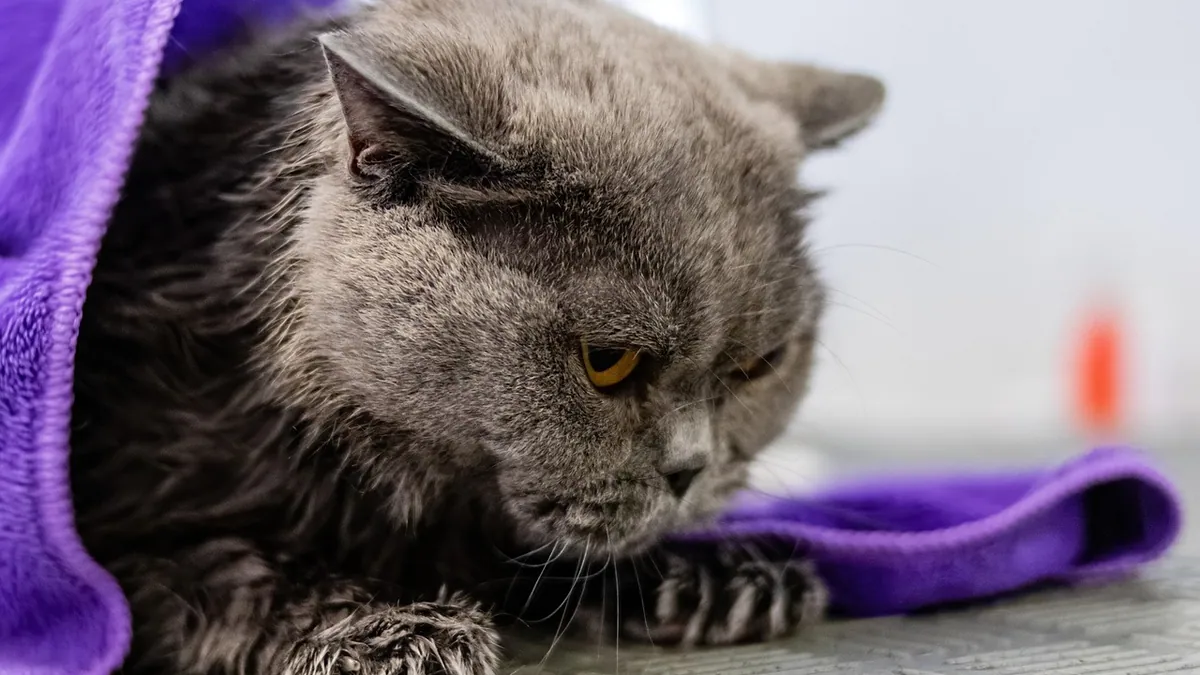
Chlorhexidine is a disinfectant that kills bacteria and yeast on contact, and it is safe for most cats when it is diluted to a strength your veterinarian recommends. It is commonly used on feline skin for chin acne, minor wounds, and skin infections. The main risk is irritation from a product that is too strong or left on too long.
This article is educational and is not a substitute for veterinary diagnosis or treatment.
Quick Answer
- Chlorhexidine is an antiseptic, not a steroid or antibiotic. It works on the surface of the skin to reduce bacteria and yeast [1].
- A 2% chlorhexidine solution combined with alcohol is used on feline skin for surgical preparation, and a 1% chlorhexidine solution with alcohol also reduces bacteria on cat skin [2].
- Medicated shampoos and pads containing chlorhexidine are used in cats with bacterial or yeast overgrowth on the skin [3].
- Chin acne in cats is often managed with local washing or warm compresses instead of full baths, because most cats dislike being bathed [1].
- Stop using the product and call your veterinarian if you see redness, swelling, itching, or open sores where you applied it.
What Chlorhexidine Is and What Veterinarians Use It For
Chlorhexidine is an antiseptic that comes in several forms, including chlorhexidine digluconate, chlorhexidine gluconate, and chlorhexidine diacetate. It is sold as shampoos, wipes, pads, sprays, and scrubs. In veterinary medicine, it is used to lower the number of microorganisms on the skin and to help manage skin conditions where bacteria or yeast have overgrown.
Veterinarians use chlorhexidine for cats in a few main situations. One is chin acne, where the chin becomes dirty, bumpy, or inflamed. Another is minor cuts, scrapes, or hot spots. A third is skin infections caused by bacteria or Malassezia yeast. A study of cats with bacterial or yeast overgrowth on the skin found that using a shampoo or pads containing chlorhexidine digluconate helped resolve the overgrowth in the cats that completed the study [3].
Chlorhexidine is also used in surgical preparation. In one study, surgical field antisepsis in cats using 2% chlorhexidine with 70% ethyl or isopropyl alcohol, or 1% chlorhexidine with 70% ethyl alcohol, effectively reduced the bacterial load on the skin [2]. That is a stronger, one-time use, not something you would apply at home every day.
For skin allergies and itching that lead to scratching and secondary infections, chlorhexidine may be part of a larger plan. Your veterinarian might combine it with other treatments. You can read more about prescription options in Cat Skin Allergy Medicine: What Your Vet Might Prescribe and about steroid risks in Cat Prednisolone for Allergies: Side Effects and Safe Use.
How Chlorhexidine Works on Cat Skin
Chlorhexidine attaches to the skin surface and disrupts the outer membrane of bacteria and yeast. This kills many organisms on contact and leaves a residue that keeps working for a while after application. That residue is why chlorhexidine is useful for skin infections and for preparing skin before surgery.
It does not treat the underlying cause of a skin problem. If your cat has allergies, parasites, or a hormonal condition, chlorhexidine only reduces the microbes on the surface. The itching or hair loss will continue until the root cause is addressed. That is why veterinarians often pair chlorhexidine with other treatments. For ideas on safe at-home support, see Cat Skin Allergy Home Remedies: Safe Options and What to Avoid.
Chlorhexidine for Cats Skin: Dosing Basics
Who decides the dose
Your veterinarian decides the strength, the form (wipe, shampoo, spray), and how often to use it. The right strength depends on your cat's weight, the condition being treated, and where on the body it will be applied. Never guess a dilution or use a human product without asking your vet first.
How it is given
For chin acne, your veterinarian may recommend washing the chin with a medicated product or using warm compresses on the area [1]. For localized skin problems, wipes or pads are often easier than a full bath. Most cats do not like being bathed, so shampoo treatment is less often recommended for cats than for dogs [1]. When a shampoo is used, it is typically applied, lathered, left on for the contact time your vet specifies, and rinsed thoroughly.
For wounds, chlorhexidine may be used to clean the area, but only at a strength your veterinarian approves. Do not pour undiluted chlorhexidine on an open wound. It can sting and damage tissue.
What to do about a missed dose
If you miss a scheduled application, apply it when you remember unless it is almost time for the next one. Do not double up. If you are unsure, call your veterinarian's office for guidance.
Chlorhexidine for Cats Side Effects
Most cats tolerate chlorhexidine well when it is used correctly. Problems usually come from using a product that is too strong, leaving it on too long, or applying it to broken skin.
| Side effect | How common or serious | What to do |
|---|---|---|
| Mild redness or dryness at the application site | Uncommon, usually mild | Stop using the product and call your vet |
| Itching or scratching at the treated area | Uncommon, can be a sign of irritation | Stop using it and contact your vet |
| Swelling, hives, or open sores | Rare, serious | Stop use and seek veterinary care the same day |
| Drooling, vomiting, or mouth irritation after licking the area | Possible if the cat grooms the treated skin | Call your vet or poison control |
| Severe allergic reaction (trouble breathing, collapse) | Very rare, emergency | Go to an emergency clinic immediately |
Minor adverse skin reactions were reported in a study of antiseptic use in dogs, with about 25% of cases showing minor reactions [4]. That study was in dogs, not cats, so the exact rate in cats is not known. Still, it shows that skin reactions can happen even with proper use.
If your cat has a skin condition that keeps coming back, chlorhexidine alone may not be enough. Ask your vet whether other medications are needed. For a comparison of options, see Cat Itchy Skin Medication: Over-the-Counter vs. Prescription.
Who Should Not Use Chlorhexidine and What Interacts With It
Do not use chlorhexidine on a cat with a known allergy to it. Do not use it in the eyes, inside the ears unless your vet specifically instructs you, or on large open wounds without veterinary guidance.
Chlorhexidine can be irritating to tissue, and products made for dogs or humans may contain other ingredients that are toxic to cats. Never use a product that contains alcohol, essential oils, or other additives on your cat unless your veterinarian approves it.
There is limited information on drug interactions for topical chlorhexidine in cats. Because it is applied to the skin, it is not expected to interact with most oral medications the way systemic drugs do. Still, tell your veterinarian about every product you use on your cat, including shampoos, flea treatments, and supplements.
If your cat is scheduled for surgery, follow your surgical team's instructions about bathing and skin preparation. Do not apply chlorhexidine on your own before a procedure unless they tell you to.
Overdose and When to Call for Help
Overdose with topical chlorhexidine usually means your cat licked a large amount off the skin or you used a product that was too strong. Signs can include drooling, vomiting, mouth irritation, or skin burns.
If you see these signs, call your veterinarian right away. If your regular vet is closed, call an emergency clinic or a pet poison control hotline. Have the product label ready so you can tell them the concentration and ingredients.
There is no specific antidote for chlorhexidine. Treatment is supportive and depends on the signs. Do not try to make your cat vomit unless a veterinarian tells you to.
Limitations and When to Contact a Veterinarian
Chlorhexidine is a surface antiseptic. It cannot diagnose or cure allergies, parasites, hormonal disease, or autoimmune skin conditions. If your cat's skin problem does not improve with proper use, or if it gets worse, your cat needs a veterinary exam.
Contact your veterinarian the same day if you see new redness, swelling, oozing, or pain at the treated area. Contact them soon if your cat is scratching more, losing hair, or developing new bumps.
Go to an emergency clinic now if your cat has trouble breathing, swelling of the face or throat, collapse, severe vomiting, or burns on the skin.
Schedule a routine visit if the chin acne or skin problem has not improved after the course of treatment your vet recommended, or if it keeps returning.
Every cat is different. Your veterinarian needs to examine your cat to choose the right product and strength.
Frequently Asked Questions
Is chlorhexidine safe for cats to lick?
Small amounts left on the skin after proper use are usually not a problem, but licking a lot of it can cause drooling, vomiting, or mouth irritation. Rinse the area well if your cat is grooming it heavily, and call your vet if you see signs of illness.
Can I use human chlorhexidine wipes on my cat?
Only if your veterinarian approves the exact product. Human wipes may contain alcohol, fragrances, or other ingredients that irritate feline skin or are toxic if licked. Your vet can recommend a feline-safe wipe or pad.
How often should I clean my cat's chin acne?
Your veterinarian will set the schedule based on how inflamed the chin is. Some cats need daily cleaning, others need it every few days. Over-cleaning can dry out and irritate the skin, so follow your vet's plan.
Will chlorhexidine cure my cat's skin infection?
It reduces bacteria and yeast on the skin, which helps the infection clear, but it may not be enough on its own. If the infection is deep or caused by an underlying condition, your cat may also need oral medication or other treatment.
What should I do if my cat's skin gets red after using chlorhexidine?
Stop using the product and call your veterinarian. Redness can mean irritation or an allergic reaction. Your vet may switch you to a different product or a lower strength, or prescribe something to calm the skin.
Related Articles
- Cat Skin Allergy Medicine: What Your Vet Might Prescribe
- Cat Prednisolone for Allergies: Side Effects and Safe Use
- Cat Skin Allergy Home Remedies: Safe Options and What to Avoid
- CBD Oil for Cats: Feline Safety Profile and THC Toxicity
- Cat Itchy Skin Medication: Over-the-Counter vs. Prescription
- Cat Skin Infection: Signs and Treatment Options
- Chlorhexidine for Cats: Ears, Mouth, Teeth, and Ringworm
- Miconazole for Cats: Acne, Shampoos, and Skin Use
- Hydrogen Peroxide for Cat Acne: Does It Help or Harm?
References
- Treatment of Skin Disorders in Cats - Cat Owners. Merck Veterinary Manual.
- Effectiveness of two scrub methods with different chlorhexidine combinations for surgical field antisepsis in cats. The Canadian veterinary journal = La revue veterinaire canadienne, 2024.
- Evaluation of the performance of topical products containing Ophytrium and chlorhexidine digluconate in cats with local cutaneous bacterial and/or Malassezia pachydermatis overgrowth. Journal of feline medicine and surgery, 2025.
- Effectiveness of chlorhexidine diacetate and povidone-iodine in antiseptic preparation of the canine external ear canal prior to total ear canal ablation with bulla osteotomy procedure: A preliminary study. Veterinary medicine and science, 2023.