Cat Skin Hot to Touch: Causes of Warm Skin and Hot Spots
By Dr. Zubair Khalid, DVM, MS, PhD ·
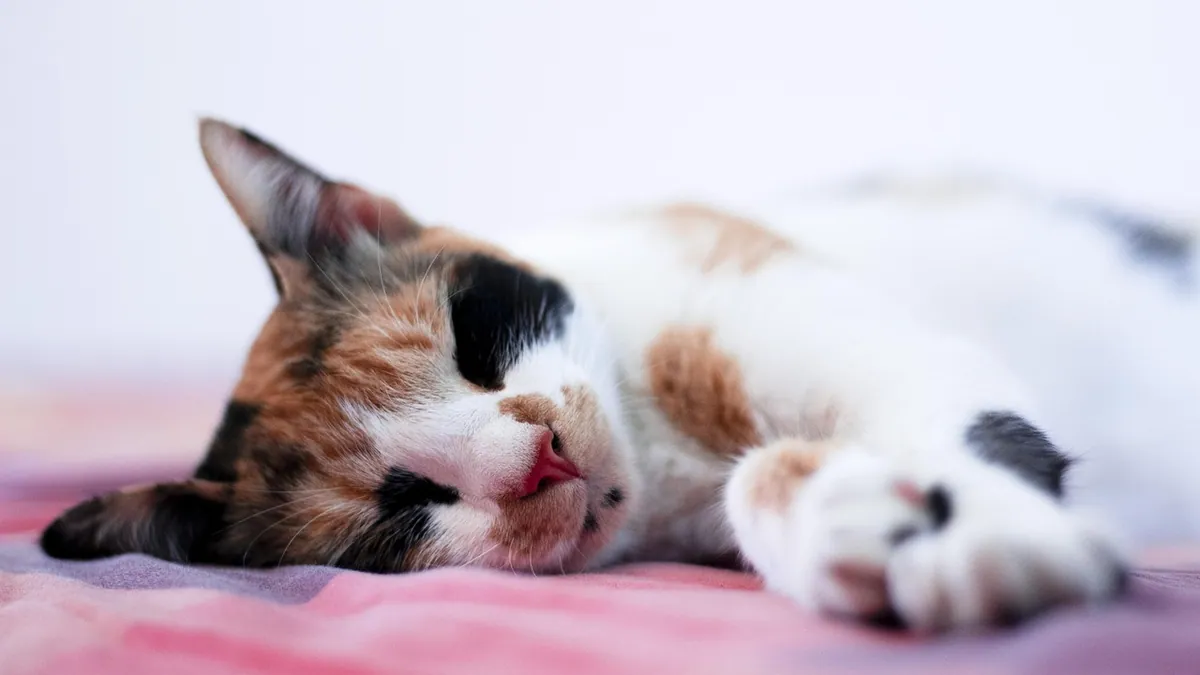
A cat's skin can feel hot to touch for many reasons, and most of them are not serious. Normal cats often feel warm on the ears, belly, and paw pads, and a cat's normal body temperature runs higher than a person's. The trick is telling a genuine fever or an infected hot spot from ordinary warmth, and knowing when a warm patch needs same-day veterinary care.
This article is educational and is not a substitute for veterinary diagnosis or treatment.
Quick Answer
- A cat's normal body temperature is higher than a human's, so warm skin is often normal, especially on the ears, belly, and paws.
- A single hot, moist, hairless patch that your cat licks or scratches is likely a hot spot (acute moist dermatitis), which needs a vet visit.
- Whole-body warmth plus lethargy, hiding, not eating, or vomiting points toward fever or a body-wide illness, and that needs same-day care.
- Never give your cat human fever medicine. Acetaminophen and ibuprofen are toxic to cats.
- Take a photo of the area and note your cat's other signs before you call the vet.
What Warm Skin Looks Like and What Counts as Normal
Cats normally run warmer than people. Their core temperature sits above the human average, so when you pet your cat, the skin can feel noticeably warm and still be completely healthy. The ears, belly, armpits, and paw pads often feel warmest because they have less fur and more blood flow near the surface.
Normal warm skin has some features you can check at home. The coat looks even. There is no redness, no swelling, no crust, and no bad smell. Your cat is eating, drinking, playing, and using the litter box as usual. When you part the fur, the skin underneath looks pale pink and intact.
A problem looks different. You may see redness, a moist or weeping patch, crusting, scabs, or hair loss [1]. Your cat may lick, chew, or scratch one spot over and over. The skin may feel hot in one small area while the rest of the body feels normal. Or the whole body may feel warm while your cat acts sick.
One useful habit is to compare sides. Feel the same spot on the left and right. A single warm, angry patch stands out against the matching cool area on the other side.
Causes of Cat Skin Hot to Touch
Many conditions can make a cat's skin feel hot. Some are limited to the skin. Others are whole-body diseases that show up on the skin [2]. The table below groups the most common causes and what makes each one stand out.
| Cause | Typical clues | How urgent |
|---|---|---|
| Hot spot (acute moist dermatitis) | One hot, moist, hairless patch, often on the leg, flank, or neck. Your cat licks it constantly. | Same-day vet visit |
| Flea allergy dermatitis | Intense itching near the tail base and back, small scabs, visible fleas or flea dirt | Same-day to next-day visit |
| Other parasites (mites, mange) | Crusting, scaling, hair loss, severe itching. Notoedric mange can cause facial crusts and ear inflammation [3]. | Same-day vet visit |
| Bacterial skin infection (pyoderma) | Red, oozing, crusted skin, bad odor, spreading redness | Same-day vet visit |
| Fungal infection (ringworm) | Round bald patches, scaly edges, sometimes mild warmth. Can spread to people. | Next-day vet visit |
| Allergies (food, environmental) | Itching, redness, hair loss, often on the face, ears, paws, or belly | Routine visit |
| Immune-mediated skin disease | Redness, scaling, crusting, erosions, with or without itching. These are rare but can be severe [4][5]. | Same-day vet visit |
| Fever from infection or inflammation | Whole body feels warm, plus lethargy, hiding, poor appetite | Same-day vet visit |
| Internal organ disease | Skin redness, crusting, or fragile skin, sometimes before other signs appear [2] | Same-day vet visit |
| Viral skin disease | Ulcers and crusts, often on the nose. Feline ulcerative dermatitis is uncommon and linked to felid alphaherpesvirus 1 [6]. | Same-day vet visit |
A few notes on the table. Dermatitis is a general word for skin inflammation, and it can come from irritants, burns, allergens, trauma, or infection (bacterial, viral, parasitic, or fungal) [1]. The usual pattern is an underlying trigger that leads to bumps, scabs, scales, or blisters [1].
Whole-body disorders can also change the skin. Liver disease and diabetes can rarely cause death of skin tissue in old cats, with redness, crusting, oozing, and hair loss on the face, genitals, and lower legs [2]. Itching and skin infections can occur in cats with diabetes, and the skin disease may show up before other signs of the internal problem [2]. Fragile skin syndrome has been linked to pancreatic, liver, or adrenal disorders [2].
Immune-mediated skin diseases in cats are rare, but they can come with severe systemic signs and a poor quality of life [4][5]. They can look like allergies or infections, which is why diagnosis often takes testing instead of a quick look [4][5].
If the hot area is a single moist patch, see our guide to a cat hot spot on the leg. If you see raised bumps, read about a cat skin rash with bumps. If you are unsure whether the spot is a hot spot at all, this article on a cat hot spot or something else walks through the differences.
Why Hot Spots Feel So Warm
A hot spot is a patch of inflamed, infected skin. Inflammation brings extra blood flow to the area, which raises the surface temperature. Your cat then licks and scratches the spot, which damages the skin further and feeds the cycle. The result is a rapidly growing, moist, painful patch that can double in size in a day.
Why Fever Makes the Whole Cat Feel Warm
When a cat has a fever, the entire body feels warm, not one patch. Your cat may also hide, sleep more, eat less, and seem dull. Fever itself is a sign, not a diagnosis. Your veterinarian will look for the underlying cause, which may be an infection, inflammation, or another condition.
Red Flags That Mean Emergency Care Now
Some signs mean you should stop reading and call an emergency clinic.
- Your cat is struggling to breathe, breathing fast at rest, or has blue or pale gums.
- Your cat is collapsed, unresponsive, or having a seizure.
- The skin patch is spreading fast, bleeding, or draining pus.
- Your cat is vomiting repeatedly, has diarrhea, or cannot keep water down.
- Your cat has not eaten or drunk for more than 24 hours.
- Your cat is in obvious pain, crying, or cannot be touched.
- You see swelling of the face, hives, or sudden weakness after a new food, medication, or insect sting.
- Your cat's body feels cold instead of warm, which can be a sign of shock.
Call your veterinarian the same day for these signs.
- A hot, moist patch that your cat will not stop licking.
- A fever with lethargy, hiding, or a poor appetite.
- Redness, crusting, or oozing that is getting worse.
- A bad smell from the coat or skin.
- Hair loss that is spreading.
- Any skin problem in a kitten, a senior cat, or a cat with a chronic illness.
Safe Things You Can Do at Home While You Wait
Home care is about comfort and safety, not treatment. Do these things while you arrange a vet visit.
Stop the licking. A soft cone (Elizabethan collar) or a recovery suit keeps your cat from making the spot worse. This is often the single most helpful step.
Keep the area clean and dry. Gently wipe away discharge with a clean, damp cloth and plain warm water. Do not scrub. Do not use alcohol, hydrogen peroxide, or human antibiotic creams.
Do not apply human medications. Many human creams and pain relievers are toxic to cats. Acetaminophen and ibuprofen can be fatal. Never give your cat a human fever reducer.
Do not use essential oils or tea tree oil. Cats cannot metabolize many of these compounds, and they can cause serious poisoning.
Take photos. Photograph the spot each day with something for scale, like a coin. This helps your vet see how fast it is changing.
Note the details. Write down when you first saw the spot, what your cat is doing (licking, scratching, hiding), and any changes in appetite, water intake, or litter box habits.
Keep your cat indoors and calm. Stress and activity can make itching worse.
Check for fleas. Part the fur near the tail base and look for small dark specks or live insects. Flea allergy is a common trigger for hot spots.
If your cat has a rash on the face or paws, the approach to home care is a little different. See our guides to a cat skin rash on face and a cat skin rash on paws.
What Your Veterinarian Will Check and Test
Your veterinarian will start with a full physical exam. They will take your cat's temperature with a rectal thermometer, which is the only reliable way to confirm a fever at home or in the clinic. They will check the skin, ears, eyes, mouth, lymph nodes, and abdomen.
Next, they will ask about the timeline. When did the warmth start? Is your cat itching? Has anything changed at home, such as a new food, new litter, new pet, or new cleaning product?
Common tests include:
- Skin scraping. A small sample of surface skin cells is examined under a microscope. This is how mites such as Notoedres cati are found [3].
- Cytology. A swab or impression smear looks for bacteria and yeast.
- Fungal culture. This checks for ringworm, especially in cats with round bald patches.
- Wood's lamp exam. A special light can make some ringworm infections glow.
- Blood work. A complete blood count and chemistry panel look for infection, inflammation, and organ disease [2].
- Skin biopsy. A small tissue sample is sent to a lab. This is often needed for immune-mediated diseases, which can mimic allergies and infections [4][5].
- Allergy testing or diet trial. These are used when allergies are suspected.
Treatment depends on the cause. Bacterial infections need antibiotics. Parasites need antiparasitic medication. Hot spots often need the area clipped, cleaned, and treated with a topical or oral medication, plus a cone to stop the licking. Your veterinarian will calculate any medication dose from your cat's weight and health, so never guess a dose on your own.
Prevention and Monitoring
You cannot prevent every skin problem, but you can lower the risk and catch issues early.
Control fleas year-round. Use a flea product your veterinarian recommends for your cat's weight and age. Never use a dog product on a cat.
Keep up with grooming. Brush your cat regularly and check the skin underneath. Early hot spots are much easier to treat.
Watch for itching. A little scratching is normal. Constant licking or chewing at one spot is not.
Feed a complete, balanced diet. Skin problems linked to poor diet are uncommon in cats fed modern, balanced diets [2].
Manage allergies with your vet. If your cat has known allergies, follow the treatment plan and keep follow-up visits.
Monitor chronic conditions. Cats with diabetes, liver disease, or other internal conditions may show skin changes first [2]. Regular checkups help catch these early.
Keep a simple log. Note the date, the location of any skin change, and what you did. This record is useful at every vet visit.
Limitations and When to Contact a Veterinarian
This article cannot tell you what is causing your cat's warm skin. Only a veterinarian who examines your cat can do that. Individual cases need a veterinarian, and the guidance here is general.
Call your veterinarian the same day if your cat has a hot, moist patch, a fever with lethargy or poor appetite, spreading redness or crusting, a bad skin odor, or hair loss that is getting worse.
Go to an emergency clinic now if your cat is struggling to breathe, collapsed, seizing, vomiting repeatedly, unable to drink, in obvious pain, or if the skin problem appeared suddenly with facial swelling or hives.
Schedule a routine visit if the warmth is mild, your cat is acting normal, and you see only minor redness or scaling. Even mild signs deserve a look, because skin disease can progress quickly.
Frequently Asked Questions
Is warm skin always a sign of fever?
No. Cats normally have a higher body temperature than people, so warm skin is often normal. A true fever comes with other signs, such as lethargy, hiding, poor appetite, or vomiting. Only a rectal temperature at the vet clinic can confirm a fever.
Can I take my cat's temperature at home?
You can, but it takes a rectal thermometer and a second person to hold your cat safely. Many owners find it stressful for the cat. If you are not comfortable, let your veterinarian do it. Do not rely on feeling the ears or nose to judge temperature.
What is a hot spot and why does it feel hot?
A hot spot is a patch of inflamed, infected skin that your cat has licked or scratched. The inflammation increases blood flow to the area, which makes it feel warm. Hot spots can grow quickly and are often painful, so they need a vet visit.
Can allergies make my cat's skin feel warm?
Yes. Allergies cause inflammation, and inflamed skin feels warm. Allergic cats often itch, lick, and scratch, which can lead to secondary infections. If your cat has ongoing itching or redness, ask your veterinarian about allergy testing or a diet trial.
Are some cat skin problems contagious to people?
Yes, some are. Ringworm is a fungal infection that can spread to people. Notoedric mange, caused by Notoedres cati, also has zoonotic potential [3]. Wash your hands after touching affected skin, and ask your veterinarian about precautions for your household.
Related Articles
- Cat Hot Spot on Leg: Causes, Treatment, and Prevention
- Cat Skin Rash with Bumps: Common Causes and Next Steps
- Cat Hot Spot or Something Else? How to Tell and What to Do
- Cat Skin Rash on Face: Common Causes and Home Care
- Cat Skin Rash on Paws: Causes and Home Care
- Cat Skin Rash with Odor: Causes and When to Worry
- Hot Spots in Cats: Causes, Treatment, and Home Care
- Cat Skin Red Spots: Causes and What to Do
- Itchy Skin in Cats: Causes and Safe Relief at Home
References
- Dermatitis and Dermatologic Problems in Cats - Cat Owners. Merck Veterinary Manual.
- Whole-body Disorders that Affect the Skin in Cats - Cat Owners. Merck Veterinary Manual.
- Notoedres cati-induced bilateral erythemato-ceruminous otitis externa in a cat. Parasitology international, 2026.
- Feline immune-mediated skin disorders: Part 2. Journal of feline medicine and surgery, 2025.
- Feline immune-mediated skin disorders: Part 1. Journal of feline medicine and surgery, 2025.
- Dermal inflammatory vascular changes associated with felid alphaherpesvirus 1 dermatitis in cats. Journal of comparative pathology, 2026.