Cat Paw Allergy: Why Paws Itch and How to Soothe Them
By Dr. Zubair Khalid, DVM, MS, PhD ·
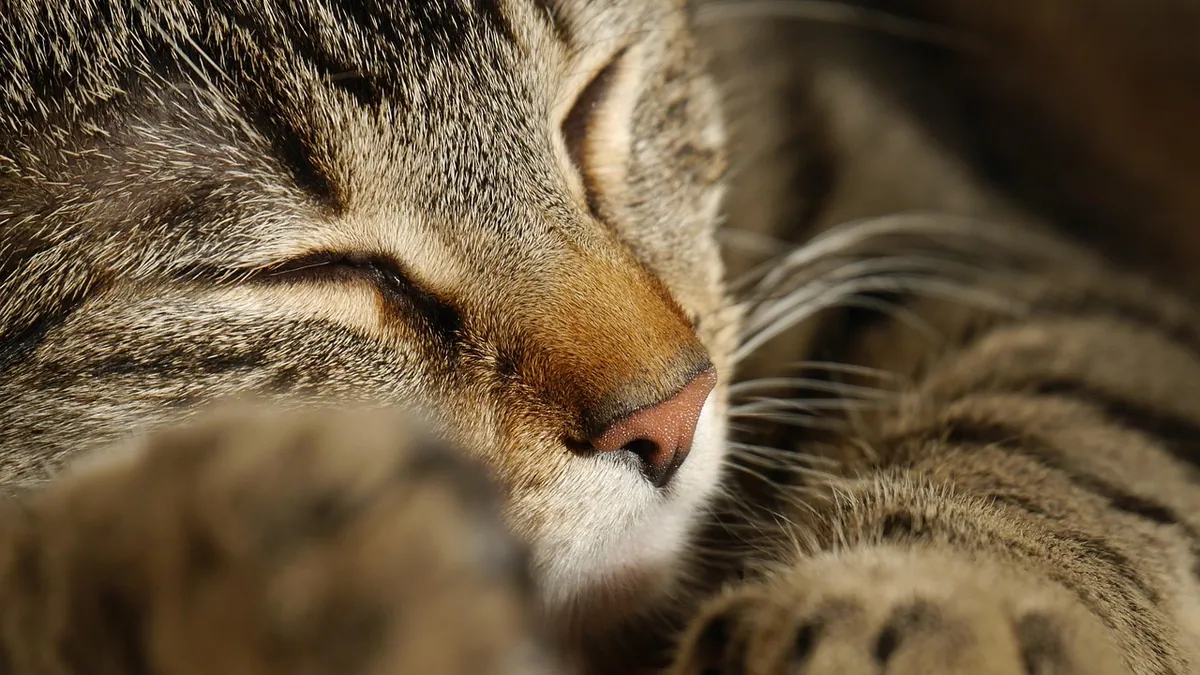
If your cat's paws are itchy, red, or swollen, a cat paw allergy is one likely cause, but irritants, infections, and even cat litter can produce the same signs. The only way to know which one you are dealing with is to look at the pattern of itching, the paws themselves, and how your cat responds to simple changes. This article is educational and is not a substitute for veterinary diagnosis or treatment.
Quick Answer
- Allergic itching in cats most often comes from insect bites, food allergy, or an inherited skin allergy called atopy [1].
- Itching that clears up completely after treating a skin infection points to infection as the cause. Itching that stays the same or only partly improves suggests an underlying allergy [1].
- Seasonal itching usually means atopy (environmental allergens). Year-round itching is more likely food allergy or house dust mite allergy [1].
- Food allergy cannot be diagnosed with a blood test or skin test. It is identified only by a strict diet trial [1].
- Paw pad swelling, ulcers, or draining tracts can come from silica (clay cat litter) lodged in the tissue, so litter choice matters [2].
What Cat Paw Allergy Means in Plain Words
An allergy is a misfire of the immune system. Your cat's body treats a harmless substance (an allergen) as a threat and releases histamine and other chemicals that cause inflammation and itch [3]. When that reaction lands on the paws, your cat licks, chews, and bites at them.
Allergens can enter the body by being inhaled, absorbed through the skin, or taken in through the gut [3]. That is why the same allergy can show up as itchy paws, itchy skin elsewhere, or sneezing. If your cat also sneezes a lot, that may point to an airborne trigger, which you can read more about in Cat Sneezing a Lot: Allergies, Infection, or Something Else?.
Paw allergies in cats are not as well studied as they are in dogs. Veterinary research notes that the way feline allergic dermatitis develops is still unclear and differs in several ways from allergic skin disease in dogs and people [4]. That means your veterinarian will rely heavily on history, exam, and response to treatment instead of a single definitive test.
Signs Owners Notice
Cats hide discomfort well, so the first clue is often behavior instead of a visible rash.
- Constant licking or chewing at one or more paws
- Redness between the toes or on the paw pads
- Swelling of the paw or paw pad
- Limping or reluctance to jump
- Hair loss on the paw from over-grooming
- Crusts, scabs, or a moist, irritated look
- Bleeding or draining tracts from the paw pad in severe cases [2]
- Brown staining of the fur from saliva
Some cats have itchy paws plus itchy face, ears, or belly. Others only bother the paws. Front paws are commonly affected when litter is involved [2].
Causes and Risk Factors
Allergic Causes
The three most common causes of allergic itching in cats are insect bites (especially fleas), food allergy, and atopy [1]. Atopy is an inherited tendency to react to things in the environment, such as pollen or dust.
Timing is a useful clue. Cats with seasonal itching are likely reacting to seasonal allergens, which fits atopy. Cats with year-round itching may have a food allergy, or allergies to house dust mites on top of seasonal triggers [1].
Flea allergy deserves special attention because it is so common and so easy to overlook. A single flea bite can set off intense itching in a sensitive cat. If you are trying to sort out whether fleas are the problem, see Cat Skin Allergy or Flea Allergy? How to Tell the Difference and Cat Flea Allergy Dermatitis: Symptoms and Relief.
Irritants and Contact Reactions
Not every red paw is an allergy. Contact irritation from litter, floor cleaners, lawn treatments, or de-icers can inflame the pads. This is sometimes called cat paw irritation, and it often improves once the exposure stops.
Cat Litter and Silica Granulomas
Clay-based cat litter contains silica. A review of paw biopsies from 13 cats found granulomatous inflammation containing silica-like material, and the material matched the Raman spectra of several brands of silica-based cat litter [2]. Ten of the 13 biopsies also showed evidence of plasma cell pododermatitis [2]. In plain terms, litter particles can work into the paw tissue and trigger a chronic inflammatory reaction.
Signs in those cats included long-standing or intermittent paw pad swelling, ulceration, bleeding, and draining tracts, especially on the front paws [2]. If your cat has stubborn paw pad swelling that does not respond to allergy treatment, litter is worth discussing with your veterinarian.
Infection
Bacteria and yeast love a damp, inflamed, over-licked paw. Infection can be the original problem or a complication on top of an allergy. This is why veterinarians sometimes treat for infection first and then reassess the itching [1].
Other Possibilities
Injuries, foreign bodies (foxtails, splinters, glass), autoimmune disease, and tumors can all cause paw swelling or pain. These are not allergies, and they need different care.
How Veterinarians Diagnose Paw Allergies
Diagnosis is a process of elimination, not a single test.
Step 1: History and Physical Exam
Your veterinarian will ask when the itching started, whether it is seasonal or year-round, what your cat eats, what litter you use, whether there are fleas, and what cleaning products touch the floor. They will examine the whole body, not just the paws [3].
Step 2: Skin Testing for Infection and Parasites
Expect flea combing, microscopic analysis of skin samples and scrapings, and fungal cultures [3]. If infection is found and treated, the response tells your veterinarian a lot. If itching goes away completely, infection was the cause. If itching is unchanged or only somewhat better, an allergy is likely behind it [1].
Step 3: Allergy Testing
Intradermal allergy tests (skin tests) can identify which allergens your cat reacts to, but they cannot diagnose allergies on their own [3]. Their main purpose is to help build an allergen-specific immunotherapy program, sometimes called allergy shots [3]. Your veterinarian will rule out other causes of itching before diagnosing feline atopy [3].
Step 4: Diet Trial for Food Allergy
Food allergy is identified by response to a diet trial, where your cat eats a diet that does not include foods it has eaten before [1]. Your veterinarian will specify the diet. You must follow it fully and avoid all non-compliant treats for the trial to mean anything [1]. Blood tests and skin tests cannot diagnose food allergy [1].
Comparison Table
| Cause | Typical Pattern | Key Clue | Main Diagnostic Step |
|---|---|---|---|
| Flea or insect bite allergy | Often seasonal, worse in warm months | Fleas or flea dirt found | Flea control trial [1] |
| Atopy (environmental) | Often seasonal | Itching tracks pollen season | History plus intradermal testing [3] |
| Food allergy | Usually year-round | No response to flea or seasonal control | Strict diet trial [1] |
| Contact irritation | Starts after exposure | Improves when exposure stops | Removing the trigger |
| Silica (litter) granuloma | Chronic or intermittent | Paw pad swelling, ulcers, draining tracts, front paws [2] | Biopsy [2] |
| Infection | Sudden or worsening | Discharge, odor, moist skin | Skin scrapings and cultures [3] |
Treatment Options
Treatment depends on the cause, so the first job is getting the diagnosis right.
Treat Infection First
If your veterinarian finds a bacterial or yeast infection, treating it is often step one. The response also helps confirm or rule out allergy as the root cause [1].
Flea Control
For cats with suspected insect bite sensitivity, consistent flea control is both treatment and a diagnostic test. Sensitivity to insect bites can be judged by how the cat responds to insect control [1].
Diet Trial
A proper diet trial means feeding only the prescribed diet and no other treats [1]. This takes commitment, but it is the only reliable way to diagnose food allergy [1].
Allergy Shots
If intradermal testing identifies your cat's triggers, allergen-specific immunotherapy can be formulated [3]. This is a long-term approach, and your veterinarian will monitor how your cat responds [3].
Medications
Veterinarians use several classes of medication for allergic itching, including steroids, antihistamines, and other immune-modulating drugs. Doses are calculated by your veterinarian based on your cat's weight and health, and cats metabolize some drugs very differently from dogs. Never give your cat a human allergy medication or a dog medication without veterinary guidance.
Paw Care at Home
Gentle paw washing after outdoor time can remove allergens and irritants. Keep the paws dry. Use only pet-safe cleaners on floors. If litter seems to be a trigger, ask your veterinarian about switching to a low-dust or non-clay option, especially if paw pad swelling has been chronic [2].
Managing the Itch Itself
Breaking the itch-lick cycle matters. A cone or soft collar, paw booties, or a light bandage can reduce self-trauma while treatment takes effect. Ask your veterinarian before bandaging, since a tight bandage can cause serious harm.
Recovery, Outlook, and Long-Term Management
Allergies are usually managed, not cured. Most cats do well with a combination of trigger control, medication during flares, and regular checkups.
If infection was the only problem, itching typically resolves once the infection clears [1]. If an allergy is behind it, expect a longer road. Atopy tends to be lifelong, and food allergy requires permanent diet changes.
Silica-associated paw disease can be chronic. In the reported cases, lesions were often long-standing or intermittent, and diagnosis required biopsy [2]. If your cat has this problem, long-term litter management and veterinary follow-up are part of the plan.
Keep a simple log of flares, seasons, foods, and litter changes. Patterns are powerful diagnostic tools, and your veterinarian will use them.
Prevention
You cannot prevent an inherited tendency like atopy, but you can reduce triggers.
- Stay consistent with flea control year-round.
- Wash food and water bowls and keep the floor free of harsh cleaners.
- Choose a low-dust litter and scoop daily.
- Rinse and dry paws after walks or outdoor access.
- Keep your cat's weight healthy to reduce strain on sore paws.
- Schedule checkups so small paw problems do not become chronic ones.
If your cat is itchy all over, not just on the paws, the broader picture may help. See Why Is My Cat So Itchy? for a wider look at itching causes. Owners of dogs sometimes notice the same paw-licking pattern, which is covered in Dog Constantly Licking Paws Allergies.
Limitations and When to Contact a Veterinarian
No article can diagnose your cat. Individual cases need a veterinarian who can examine the paws, test for infection, and set a treatment plan for your pet.
Contact your veterinarian the same day if you see:
- Sudden swelling of one paw, especially with limping
- Bleeding or an open wound on a paw pad
- A bad smell, pus, or discharge from the paw
- Your cat stops eating or seems painful when touched
Seek emergency care now if:
- Your cat cannot bear weight on a leg at all
- The paw is cold, pale, or blue
- There is heavy bleeding that does not stop
- Your cat is lethargic, vomiting, or having trouble breathing
Call a routine visit if:
- Itching has lasted more than a few days
- Over-grooming is causing hair loss
- Paw pad swelling keeps coming back
- You have tried flea control and paw cleaning with no improvement
If you think your cat swallowed a medication, a human product, or a toxin, call the ASPCA Animal Poison Control Center at (888) 426-4435 or the Pet Poison Helpline at (855) 764-7661 right away.
Frequently Asked Questions
Can I give my cat Benadryl for itchy paws?
No, not without veterinary direction. Cats handle many medications differently than dogs and people, and your veterinarian will decide whether an antihistamine is appropriate and what dose fits your cat's weight and health.
Is cat paw allergy contagious to my other pets?
No. Allergies are an individual immune response, not an infection, so they do not spread between cats. However, fleas and skin infections can spread, so treat those promptly.
Will switching cat food cure my cat's itchy paws?
Only if a food allergy is the cause, and only with a proper diet trial. Your veterinarian will prescribe a diet that avoids foods your cat has eaten before, and you must avoid all other treats for the trial to be valid [1].
Do grain-free diets help paw allergies?
There is no evidence that grain-free diets treat allergies. Food allergy in cats is diagnosed by a controlled diet trial, not by avoiding a single ingredient [1].
Can paw allergies be cured?
Most allergies are managed instead of cured. With the right trigger control, medication, and follow-up, most cats can stay comfortable long term.
Related Articles
- Why Is My Cat So Itchy?
- Cat Skin Allergy or Flea Allergy? How to Tell the Difference
- Cat Flea Allergy Dermatitis: Symptoms and Relief
- Cat Sneezing a Lot: Allergies, Infection, or Something Else?
- Dog Constantly Licking Paws Allergies
- Cat Skin Rash on Paws: Causes and Home Care
- Itchy Skin in Cats: Causes and Safe Relief at Home
- Dry Paw Pads in Cats: Causes and Home Care
- Cat Bump on the Paw Pad: Causes and When to Worry
References
- Itching (Pruritus) in Cats - Cat Owners. Merck Veterinary Manual.
- Cutaneous silica-associated (cat litter) granulomas in the paws of 13 domestic cats. Veterinary pathology, 2026.
- Allergies of Cats - Cat Owners. Merck Veterinary Manual.
- Cytokine expression in feline allergic dermatitis and feline asthma. Veterinary dermatology, 2021.