Are Ear Infections and Ear Mites in Cats Contagious?
By Dr. Zubair Khalid, DVM, MS, PhD ·
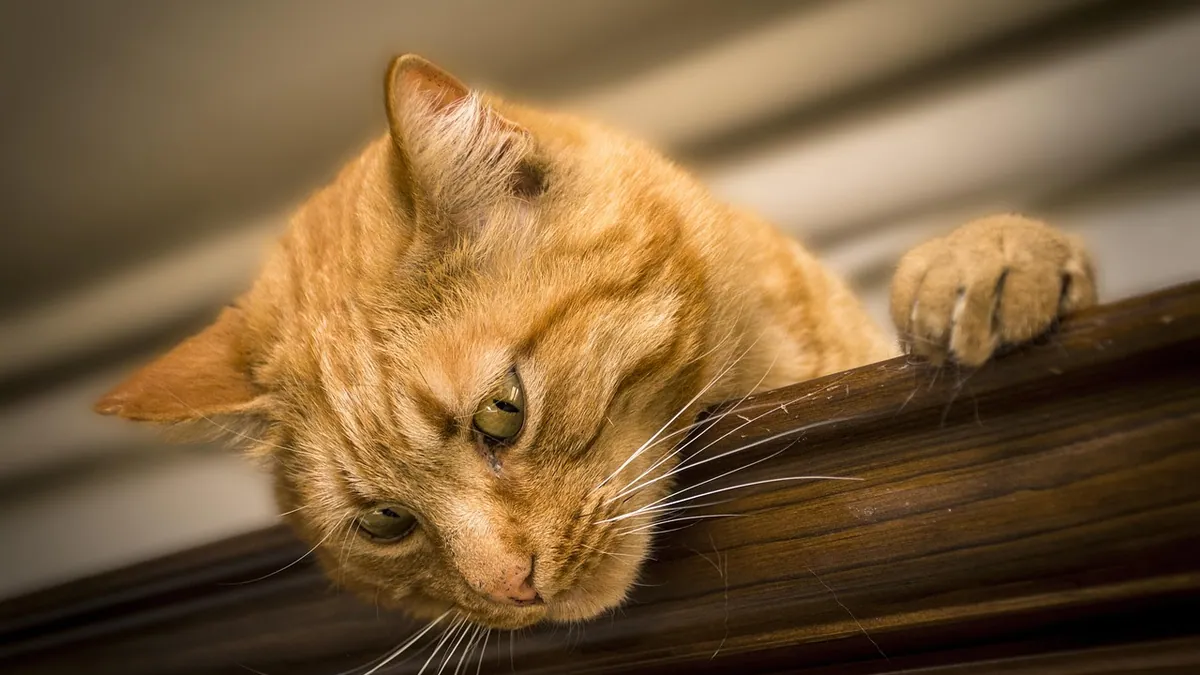
Ear mites spread easily between cats, and some mites that cause ear problems can also move to dogs and people. Bacterial and yeast ear infections are not contagious in the usual sense, but the itchy, damaged ear they cause can set up the same problem in pets with allergies. This article is educational and is not a substitute for veterinary diagnosis or treatment.
Quick Answer
- Ear mites (Otodectes cynotis) are highly contagious between cats, especially in catteries and multi-cat homes [1][2].
- Bacterial and yeast ear infections are not passed directly from cat to cat, but an underlying cause like allergies or mites can affect more than one pet [3][4].
- Ear mites can move between cats and dogs, and some mange mites that affect cat ears can also infest people [5][2].
- Any cat with head shaking, scratching, or dark debris needs a vet visit, because mites and infections look alike and need different treatments [3][6].
- Wash bedding, vacuum, and clean food and water bowls while treating all pets in the home.
What Is an Ear Infection in Cats?
Otitis externa is inflammation of the ear canal lining, and it is the most common ear canal disorder in cats [3]. The ear flap (pinna) can also be affected. Signs include head shaking, odor, redness, swelling, scratching, increased discharge, and scaly skin [3]. One or both ears can be involved, and signs can be sudden or long-lasting [3].
Ear infections in cats usually have more than one cause. Parasites, foreign objects, and allergies can directly trigger inflammation, and bacteria, yeasts, and middle ear infections can add to the problem [3]. That is why a vet needs to look at the whole picture, not just the discharge in the ear.
Middle ear infections (otitis media) usually result from infection spreading from the external canal or a foreign object piercing the eardrum, and inflammatory polyps are a common cause in cats [7]. Otitis media can lead to otitis interna, which causes balance problems and deafness, and that damage might not be reversible [7].
If you are trying to sort out what you are seeing, this guide on Cat Ear Infection or Ear Mites? Key Differences can help you compare the two.
Are Ear Infections in Cats Contagious?
The short answer depends on the cause. Ear mites are contagious. Bacterial and yeast infections generally are not.
Ear mites are the most common cause of feline otitis externa, and they are highly contagious, which makes them a real concern in catteries [1]. They are especially common in young cats between 3 and 6 months of age [1]. In one study of free-roaming cats, Otodectes cynotis was found in about 26% of the cats and was the primary cause of ear inflammation in most of those cases [8].
Bacteria and yeasts are a different story. These organisms are often already present on a cat's skin and in the ear canal, and they overgrow when the ear environment changes. A study of owned cats found abnormal numbers of bacteria or yeasts on ear cytology in 15% of cats, with Malassezia yeasts, cocci, or a mix of both [6]. You cannot catch a yeast overgrowth from your cat, and your other cat will not catch it either. What can be shared is the underlying trigger, such as allergies or mites, that lets those organisms take over.
One more point: ear mites can also affect dogs. The same mite, Otodectes cynotis, is a global cause of otitis externa and itching in both cats and dogs [2]. So if your cat has mites, your dog may need treatment too.
Can Cats Catch Ear Infections From Each Other?
Cats can catch ear mites from each other very easily. Direct contact is the main route, and mites can also move through shared bedding and grooming [5]. This is why mites spread quickly in shelters, catteries, and homes with several cats.
Cats do not catch bacterial or yeast ear infections from each other in the way they catch a cold. Those infections grow because of the cat's own ear environment. However, if two cats in the same home both have allergies, both may develop ear infections. The shared factor is the allergy, not the infection itself.
Some mange mites are also highly contagious. Canine scabies can occur in cats that come in contact with infected dogs, and those mites can also infest people and other animals [5]. Notoedric mange, caused by Notoedres cati, is a severe parasitic skin disease that mainly affects stray cats and has zoonotic potential, meaning it can spread to people [9]. In one reported case, a cat with notoedric mange had bilateral erythemato-ceruminous otitis externa along with severe skin lesions [9].
If you have multiple pets, ask your vet whether every pet in the home needs treatment at the same time. Treating one cat and leaving the others untreated is a common reason mites come back.
Signs Owners Notice
Watch for these signs, which can appear in one or both ears [3][7]:
- Head shaking or repeated head tilting toward one side
- Scratching or rubbing at the ear
- Redness, swelling, or warmth of the ear flap
- Dark, waxy, or bad-smelling discharge
- Scaly skin around the ear
- Pain when you touch the ear
- Balance problems or wobbling, which point to a deeper ear problem [7]
Some cats with mites show no signs at all. In one study, mites were found in about 6% of owned cats, and about half of those were exclusively indoor cats that were completely asymptomatic [6]. That is one reason a vet visit matters even when your cat seems fine but another pet in the home is scratching.
Causes and Risk Factors
Ear problems in cats have several possible causes, and more than one can be present at once [3].
| Cause | Contagious to other pets? | Contagious to people? | Notes |
|---|---|---|---|
| Ear mites (Otodectes cynotis) | Yes, to cats and dogs [1][2] | Rarely a concern, but mites can move to people in close contact [5] | Most common cause of feline otitis externa [1] |
| Canine scabies (Sarcoptes) | Yes, to cats and dogs [5] | Yes [5] | Cats can get it from infected dogs [5] |
| Notoedric mange (Notoedres cati) | Yes, between cats | Yes, zoonotic potential [9] | Severe skin disease, mainly in stray cats [9] |
| Bacteria (for example Staphylococcus spp.) | No | No | Often secondary to another cause [3][4] |
| Yeasts (Malassezia spp.) | No | No | Often secondary to another cause [3][6] |
| Allergies | No | No | A common primary cause in cats [4] |
| Polyps or growths | No | No | Inflammatory polyps are a common cause of middle ear disease in cats [7] |
Risk factors for ear inflammation include a dermatological history, itching, and multiple clinical signs at once [6]. In a study of 103 cats with otitis, Maine Coon, Sphynx, Turkish Angora, and Selkirk Rex cats were significantly overrepresented, and cases clustered in cats younger than 6 years and again at 12 to 14 years of age [4]. Chronic otitis made up 71.8% of those cases, and a primary cause was identified in 66% of them, most often feline atopic syndrome, inflammatory polyps, neoplasia, isolated otitis media, or ear mites [4].
How It Is Diagnosed
Your vet will start with a detailed history and a thorough exam. Scratching, redness, skin changes, ear deformities, abnormal tissue growth, and head shaking all point to ongoing discomfort [3].
Cats might need sedation or anesthesia to let the vet use an otoscope, especially if the ear is painful, blocked with discharge, or the cat is uncooperative [3]. The otoscope helps identify foreign objects, polyps, impacted debris, parasites, and eardrum problems [3].
Ear swabs can be examined under a microscope to detect bacteria, yeast, or mites [3]. Your vet may also send a sample for culture. In one study, Staphylococcus species predominated in cultures from cats with otitis [4]. If the eardrum may be torn or a polyp is suspected, imaging may be needed.
Treatment Options
Treatment depends on what is actually causing the problem. Ear mites are treated with antiparasitic drugs [3]. Several options can lead to parasitological cure and improvement of clinical signs, including isoxazolines (sarolaner, fluralaner, or esafoxolaner), tigolaner, and macrocyclic lactones (selamectin, eprinomectin, or moxidectin) [1]. Side effects are rare and mainly skin-related, with mild lesions that resolve on their own [1].
In one study, a single oral dose of lotilaner at 7.0 to 11.8 mg/kg body weight reduced mites by 99.6% in experimentally infested cats [2]. Your vet will calculate the right dose and product for your cat based on weight and health. Never use a dog product on a cat unless your vet specifically prescribes it.
If bacteria or yeast are involved, your vet may prescribe a medicated ear cleaner or ear drops. If allergies are the root cause, that needs its own plan. Middle ear and inner ear infections are more serious and may need longer treatment, and some damage might not be reversible [7].
For a deeper look at mite treatment, see Ear Mites Cats.
Recovery, Outlook, and Long-Term Management
Most cats with uncomplicated ear mites improve quickly once treatment starts. The mites die, the itching settles, and the discharge clears over days to weeks. Follow your vet's instructions exactly, including any repeat treatments, because missing a dose is a common reason mites return.
Chronic otitis is common, making up 71.8% of cases in one study of cats seen at a veterinary teaching hospital [4]. That means many cats need ongoing management instead of a one-time fix. If allergies are the trigger, expect a long-term plan that may include diet changes, medication, or regular ear cleaning.
Keep checking your cat's ears at home. If you see debris or smell odor returning, call your vet before the problem gets worse. If your cat has a middle or inner ear infection, watch for head tilt and balance problems, since those signs mean the infection has moved deeper [7].
Prevention
Prevention starts with treating every pet in the home at the same time. If one cat has mites, assume the others are exposed, especially in a multi-cat home [1].
Here are practical steps:
- Wash all pet bedding in hot water and dry it thoroughly.
- Vacuum carpets, furniture, and cat trees, then throw away the vacuum bag or empty the canister outside.
- Wipe down hard surfaces and clean food and water bowls daily.
- Use a separate towel or cloth for each pet, and wash your hands after handling an affected cat.
- Keep new cats separated from resident cats until a vet checks their ears.
- Use flea and mite prevention as directed by your vet, especially for cats that go outdoors or live with outdoor pets.
Mange spreads easily between animals by contact, and indirect spread through infested bedding is less common but possible [5]. Cleaning is not a substitute for treatment, but it lowers the number of mites in the environment while treatment does its job.
If your cat is scratching a lot, this article on Symptoms Of Ear Mites In Cats walks through what to look for.
Limitations and When to Contact a Veterinarian
This article covers general information, but every cat is different. Your cat needs a veterinarian who can examine the ears, run tests, and choose the right treatment.
Contact your vet the same day if you notice:
- Sudden head tilt, wobbling, or loss of balance
- Your cat stops eating or seems depressed
- The ear is swollen, very red, or bleeding
- There is pus, a foul smell, or a large amount of discharge
- Your cat cries or pulls away when the ear is touched
Go to an emergency clinic now if your cat:
- Cannot stand or walk without falling
- Has a seizure
- Has sudden hearing loss or does not respond to sound
- Has a swollen, fluid-filled ear flap that appeared quickly
Call your vet for a routine visit if:
- Your cat shakes its head or scratches its ears often
- You see dark debris in the ear canal
- Another pet in the home has been diagnosed with ear mites
- Your cat has a history of allergies or skin problems
Frequently Asked Questions
Can I catch an ear infection from my cat?
You cannot catch a bacterial or yeast ear infection from your cat. You can catch certain mites, including canine scabies and notoedric mange, which have zoonotic potential [5][9]. If you develop an itchy rash after handling a cat with mange, see your doctor.
Can my dog catch ear mites from my cat?
Yes. Otodectes cynotis affects both cats and dogs and is highly contagious [2]. If your cat is diagnosed with ear mites, ask your vet whether your dog needs treatment too.
Do I need to treat all my cats if one has ear mites?
Yes, treating every cat in the home at the same time is the standard approach. Ear mites spread easily through direct contact and shared bedding, and untreated cats can reinfect treated ones [5][1].
How long do ear mites live off a cat?
The entire life cycle of canine scabies mites, which is 17 to 21 days, is spent on the infested animal [5]. Ear mites behave similarly and do not survive long away from a host, but bedding and grooming tools can still carry them briefly.
Can ear infections come back after treatment?
Yes, especially when the underlying cause is not fixed. Chronic otitis made up most cases in one study, and a primary cause was found in only about two-thirds of cats [4]. If allergies, polyps, or another trigger remain, the infection can return.
Related Articles
- Cat Ear Infection or Ear Mites? Key Differences
- Ear Mites Cats
- Symptoms Of Ear Mites In Cats
- Cat Ear Infection
- Cat Ear Scratching Mites
- Ear Mite Treatment For Cats
- Is a Dog Ear Infection Contagious to Other Pets or People?
- Are Cat Worms Contagious to Other Cats? What Owners Should Know
- Is Conjunctivitis in Cats Contagious? What to Know
References
- The most effective systemic treatment in cats with otodectic mange: A critically appraised topic. The Canadian veterinary journal = La revue veterinaire canadienne, 2025.
- Efficacy evaluation of lotilaner (Credelio™) in experimentally induced Otodectes cynotis infestations in cats. Parasites & vectors, 2025.
- Otitis Externa (External Ear Infection) in Cats - Cat Owners. Merck Veterinary Manual.
- Epidemiological, clinical and diagnostic aspects of feline otitis: a retrospective study of 103 cases from the dermatology service of a veterinary teaching hospital (2020-2022). The Journal of small animal practice, 2026.
- Mite Infestation (Mange, Acariasis, Scabies) of Cats - Cat Owners. Merck Veterinary Manual.
- Prevalence of Otitis Externa in a Population of Owned Cats in Northern Italy. Animals : an open access journal from MDPI, 2026.
- Otitis Media and Interna in Cats (Middle and Inner Ear Infections) - Cat Owners. Merck Veterinary Manual.
- Otitis externa in free-roaming cat population: Clinical examination, cytology, and mycology culture. Open veterinary journal, 2025.
- Notoedres cati-induced bilateral erythemato-ceruminous otitis externa in a cat. Parasitology international, 2026.