Can a Torn ACL in a Cat Heal on Its Own?
By Dr. Zubair Khalid, DVM, MS, PhD ·
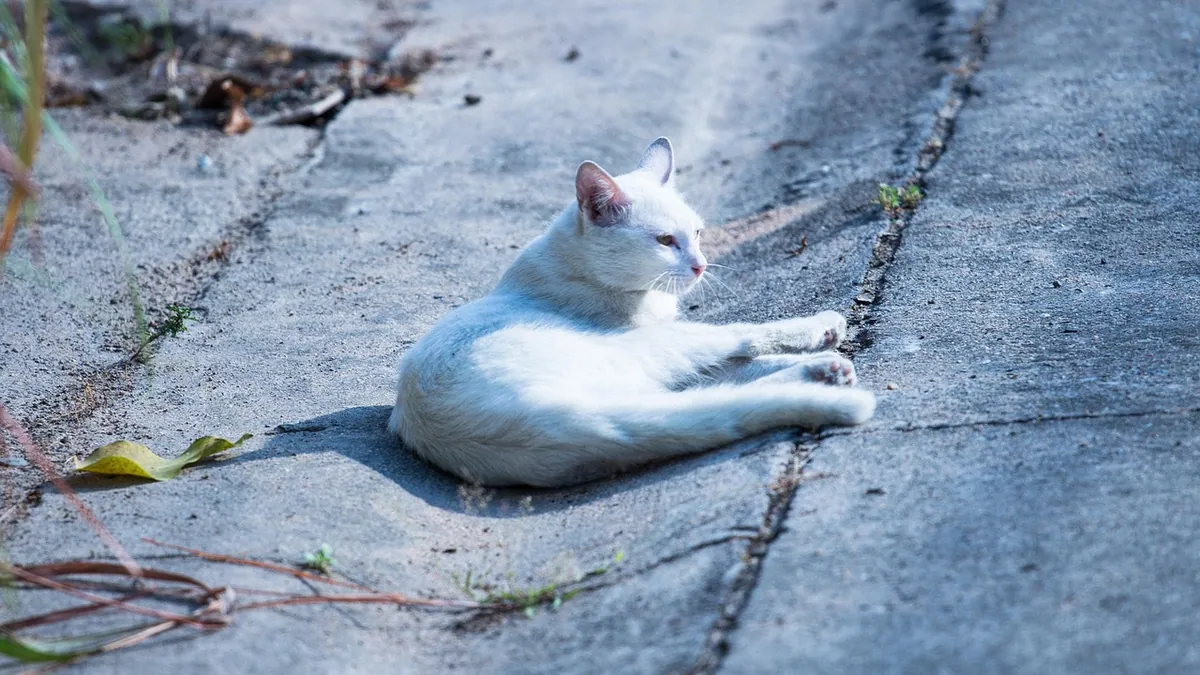
A torn ACL in a cat usually cannot heal itself the way a simple muscle strain can. The ligament does not reattach on its own, and most cats need either surgery or careful long-term management to stay comfortable. This article is educational and is not a substitute for veterinary diagnosis or treatment.
Quick Answer
- A completely torn cranial cruciate ligament (the feline version of an ACL) does not grow back together on its own.
- Some cats with partial tears or mild instability can be managed without surgery, but this depends on age, weight, other joint problems, and how much the knee is unstable.
- Nonsurgical care means weight control, restricted activity, pain medication, joint support, and sometimes physical rehabilitation.
- Surgery is often recommended when the knee is clearly unstable, when a meniscal tear is present, or when limping does not improve with medical management.
- Cats with a torn ligament and a kneecap that slips out of place often need surgery to fix both problems at once [1].
What a Torn ACL Means in a Cat
The term ACL comes from human medicine. In cats, the same structure is called the cranial cruciate ligament, or CrCL. It sits inside the knee joint (the stifle) and connects the femur to the tibia. It keeps the tibia from sliding forward when your cat walks, runs, or jumps.
When this ligament tears, the knee becomes unstable. The tibia shifts forward with each step, which stretches other structures and can damage the meniscus, the cushioning cartilage inside the joint. That instability is why a torn ligament rarely heals by itself. The torn ends do not knit back together, and the knee keeps moving abnormally.
Cats are smaller and lighter than most dogs, so their knees sometimes cope better with instability. That is one reason treatment for feline CrCL rupture is still debated among veterinarians [2]. Some cats do well without surgery. Others do not.
Signs Owners Notice
Cats hide pain well. You may not see dramatic limping at first.
Common signs include:
- A stiff or choppy gait, especially after rest
- Reluctance to jump onto counters or cat trees
- Jumping down instead of up
- Sitting with one leg tucked or out to the side
- Muscle loss on the affected back leg
- Swelling around the knee
- Crying or pulling away when you touch the back leg
- Sudden worsening after a minor slip or jump
If your cat is limping and you are not sure why, this guide on why is my cat limping can help you sort out what to watch for.
Causes and Risk Factors
In cats, CrCL rupture often happens in one of two ways.
Traumatic injury. A fall, a bad landing, or a collision can tear the ligament suddenly. These cats may also injure other ligaments in the knee at the same time. In one group of 18 cats with traumatic stifle injuries, every cat had a cranial cruciate ligament rupture, and most also had damage to the caudal cruciate ligament and the collateral ligaments [3].
Degenerative wear. The ligament weakens over time and tears with normal activity. This is more common in older, overweight cats.
Other risk factors include:
- Being overweight, which puts extra load on the knee
- Age, since ligaments lose strength over time
- A kneecap that slips out of place (medial patellar luxation), which can stress the ligament [1]
- Previous injury to the same leg
- Certain body shapes, though this is less clear in cats than in dogs
How Veterinarians Diagnose It
Your veterinarian will start with a physical exam. They will watch your cat walk, feel the knee for swelling, and check for instability by gently sliding the tibia forward. This test is called the cranial drawer sign. Many cats tense their muscles during the exam, so the veterinarian may need to sedate your cat to get a clear result.
X-rays help rule out fractures and show joint swelling or arthritis. They also let the veterinarian measure the tibial plateau angle, which is the slope of the top of the shin bone. In one cat with a torn ligament and a slipping kneecap, that angle measured 35 degrees [1]. That number matters because it guides surgical planning.
Sometimes the veterinarian will recommend arthroscopy or a small surgical exploration to look inside the joint. This is the most reliable way to confirm a meniscal tear.
If your cat recently hurt itself jumping, this article on limping after a jump explains when a sprain is more likely than a break.
Can a Torn ACL in a Cat Heal Itself?
This is the question most owners ask, and the honest answer is: it depends on the tear and the cat.
A completely torn ligament will not reconnect on its own. The tissue does not have the blood supply or the structure to bridge the gap. What can happen is that the knee forms scar tissue over time. That scar tissue may reduce instability enough for your cat to function, but it does not restore a normal knee.
Partial tears are different. Some fibers are still intact, so the knee is less unstable. These cats have a better chance of doing well with nonsurgical care.
Several things push the decision toward surgery:
- A knee that slides forward easily on exam
- A meniscal tear
- A kneecap that slips out of place [1]
- A cat that is still limping after weeks of rest and medication
- A young or active cat who needs a stable knee for jumping
Several things support trying nonsurgical care first:
- A partial tear with mild instability
- An older, quieter cat with other health problems
- A cat who cannot safely undergo anesthesia
- A cat whose limping improves steadily with rest and pain control
Your veterinarian will weigh these factors for your cat. There is no single rule that fits every case.
Treatment Options
Nonsurgical Management
Nonsurgical care does not repair the ligament. It manages the consequences of the tear.
A typical plan includes:
- Weight control. Extra pounds load the unstable knee. Even a small amount of weight loss helps.
- Activity restriction. No jumping, no stairs, no rough play. Confine your cat to a small room or a large crate during flare-ups.
- Pain and inflammation control. Your veterinarian will choose a medication and calculate the dose based on your cat's weight and health. Never give human pain relievers to a cat, since many are toxic.
- Joint support. Some veterinarians recommend joint supplements or prescription joint diets. Evidence in cats is limited, so ask your veterinarian what is worth trying.
- Physical rehabilitation. Gentle range-of-motion exercises and controlled strengthening can help maintain muscle.
- Environmental changes. Ramps, low litter box edges, and steps up to favorite spots reduce the demand on the knee.
Nonsurgical care is not a quick fix. It is an ongoing commitment, and some cats still need surgery later.
Surgical Options
Surgery aims to stabilize the knee. Several techniques are used in cats.
Osteotomy procedures. These change the angle of the tibia so the knee stops sliding forward. One study followed five cats treated with a cranial tibial wedge osteotomy. All five had complete bone healing, no implant complications, and full functional recovery with no lameness six months after surgery [2].
Combined procedures. When a cat has both a torn ligament and a slipping kneecap, the surgeon may correct both in one operation. In one 12-year-old cat, a modified tibial plateau leveling osteotomy brought the tibial plateau angle from 35 degrees down to 5 degrees, and the kneecap was stabilized at the same time [1].
Salvage procedures. For severe injuries involving multiple ligaments, surgeons sometimes use cerclage wires or other stabilization methods. In 18 cats with traumatic stifle luxation, a double cerclage wire technique was used to hold the joint in place while tissues healed [3].
Meniscal treatment. If the meniscus is torn, the surgeon removes the damaged portion during the same procedure.
Your surgeon will recommend the technique that fits your cat's injury, size, and overall health.
| Situation | Nonsurgical Care | Surgery |
|---|---|---|
| Partial tear, mild instability | Reasonable first step | Consider if limping persists |
| Complete tear, clear instability | Often not enough | Usually recommended |
| Meniscal tear present | Unlikely to control pain | Recommended |
| Torn ligament plus slipping kneecap | Rarely sufficient | Often needed to fix both [1] |
| Older cat with other serious illness | May be the safer choice | Depends on anesthesia risk |
Recovery and Outlook
Recovery depends on which path you and your veterinarian choose.
After surgery, most cats need weeks of restricted activity. Bone healing after an osteotomy is typically checked with X-rays, often around 8 and 12 weeks [2]. Your surgeon will give you a specific timeline. If you want to understand what those follow-up X-rays are looking for, this article on radiographic assessment of fracture healing explains the basics.
With nonsurgical care, improvement is slower and less predictable. Some cats stabilize over several months. Others plateau and stay mildly lame. Many develop arthritis in the knee over time, whether or not they have surgery.
Long-term management for either path looks similar:
- Keep your cat lean
- Keep the litter box and food bowl easy to reach
- Provide ramps and low landing spots
- Watch for flare-ups after extra activity
- Recheck with your veterinarian if limping worsens
If your cat is older and slowing down, it can be hard to tell a torn ligament from arthritis. This guide on cat limping: arthritis or something else walks through the differences.
Prevention
You cannot prevent every knee injury, but you can lower the odds.
- Keep your cat at a healthy weight. This is the single most useful step.
- Feed measured portions instead of free-feeding.
- Encourage gentle daily activity with wand toys and food puzzles.
- Provide sturdy scratching posts and safe landing zones.
- Use ramps or steps for cats who like high perches.
- Address a slipping kneecap early if your veterinarian finds one [1].
- Schedule routine exams so subtle lameness gets caught before it becomes severe.
Limitations and When to Contact a Veterinarian
No article can tell you whether your cat's knee will stabilize without surgery. That call needs an exam, often with X-rays, and it needs a veterinarian who can see your cat in person.
Contact an emergency clinic right away if:
- Your cat cannot bear weight on the leg at all
- The leg looks crooked or hangs oddly
- There is an open wound near the knee
- Your cat is crying, panting, or cannot settle
- You suspect a fall or a car accident
Call your veterinarian the same day if:
- Limping started suddenly and is getting worse
- Your cat is dragging the paw or knuckling over
- The knee is hot, swollen, or very painful to touch
- Your cat stops eating or hides
Schedule a routine visit if:
- Limping has lasted more than a few days
- Your cat is jumping less than usual
- You notice muscle loss on one back leg
- Your cat seems stiff after resting
Frequently Asked Questions
Can a torn ACL in a cat heal without surgery?
A completely torn ligament does not heal back together on its own. Some cats with partial tears or mild instability can be managed with weight control, rest, and pain medication. Whether that works for your cat depends on the exam findings and how the knee responds over time.
How long does it take for a cat to recover from a torn ACL?
With surgery, bone healing is often checked around 8 to 12 weeks, and full function may take longer. With nonsurgical care, improvement can take months and may never be complete. Your veterinarian will set a timeline based on your cat's specific injury.
Is surgery always necessary for a cat with a torn ACL?
No. Surgery is often recommended when the knee is clearly unstable, when the meniscus is torn, or when a kneecap is also slipping out of place. Older cats with other health problems may do better with medical management. The decision is made case by case.
Can I give my cat pain medication at home?
Only medication prescribed by your veterinarian for your cat. Many human pain relievers are toxic to cats, even in small amounts. Your veterinarian will pick a safe drug and calculate the dose from your cat's weight and health.
Will my cat get arthritis after a torn ACL?
Arthritis in the affected knee is common after this injury, with or without surgery. Keeping your cat lean, limiting high-impact jumping, and staying on top of rechecks can slow the progression. Tell your veterinarian if you notice new stiffness or a return of limping.
Related Articles
- Cranial Cruciate Ligament CCL Injury in Cats: Feline Joint Stifle Stabilization
- Cat Limping After a Jump: Is It a Sprain or a Break?
- Radiographic Assessment of Fracture Healing in Dogs and Cats
- Cat Limping: Arthritis or Something Else? How to Tell
- Why Is My Cat Limping?
- Cat Spay Recovery
- Signs of a Torn ACL in Dogs and What to Do Next
- Can a Cat Recover From Paralysis? Prognosis and Care
- Cat Biopsy Recovery: Aftercare and Healing Timeline
References
- Modified Tibial Plateau Levelling Osteotomy in a Cat With a Cranial Cruciate Ligament Rupture and a Concurrent Medial Patellar Luxation. Veterinary medicine and science, 2026.
- Cranial Tibial Wedge Osteotomy in Five Cats with Cranial Cruciate Ligament Rupture. Animals : an open access journal from MDPI, 2026.
- Complications and outcomes of traumatic stifle luxation in 18 cats treated by temporary double cerclage wires. Journal of the American Veterinary Medical Association, 2025.