Feline Pain Management Guidelines for Owners
By Dr. Zubair Khalid, DVM, MS, PhD ·
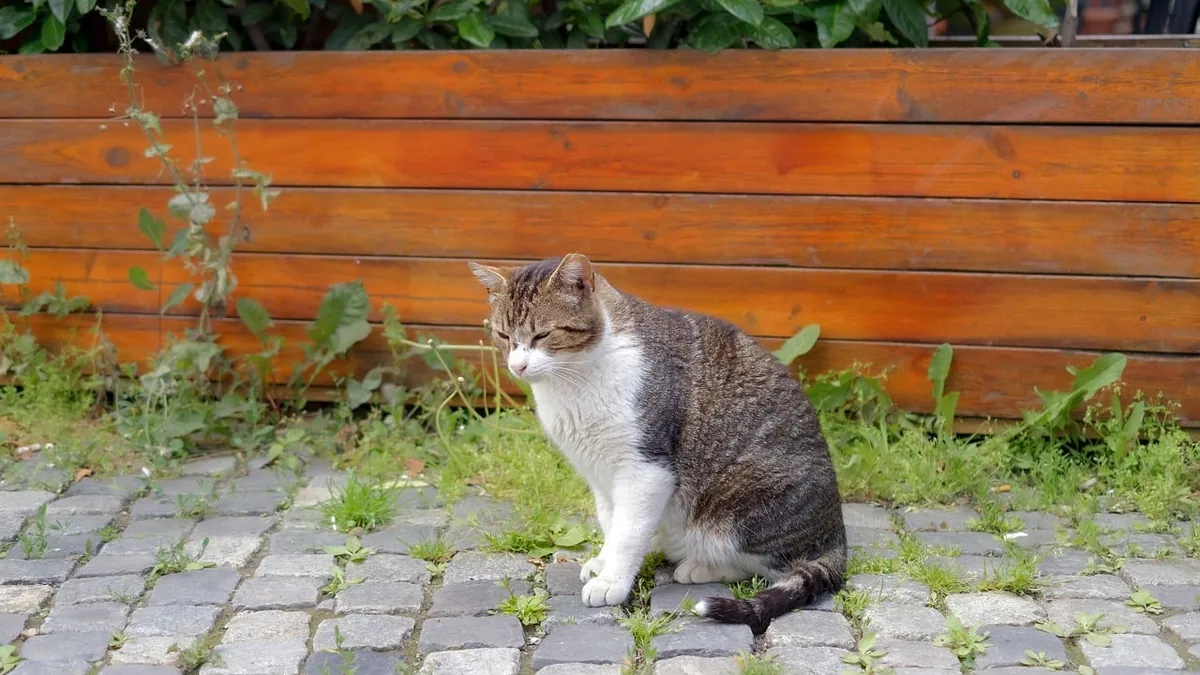
Cats hide pain well, so feline pain management guidelines focus on watching behavior changes, using validated pain scales in the clinic, and treating pain early with drugs and stress reduction [1][2]. Your veterinarian chooses the plan based on how severe the pain is, your cat's health, and what works for cats [3].
This article is educational and is not a substitute for veterinary diagnosis or treatment.
Quick Answer
- Cats often hide pain instead of crying, so subtle changes in posture, grooming, appetite, and litter box use matter most [1][2].
- Vets assess pain using vital signs, behavior, pain scales, and your cat's history, and normal vital signs do not rule out pain [2].
- Treatment usually combines drugs from different classes, and giving pain medicine on a regular schedule works better than waiting for obvious signs [3].
- The Feline Grimace Scale is the most commonly used acute pain assessment tool worldwide, though many vets still skip chronic pain scoring [4][5].
- Never give human pain medicine to a cat without asking your vet, because some common human drugs can be deadly to cats [1].
What Feline Pain Management Guidelines Actually Cover
Pain is a signal that something is wrong inside or outside the body. When a muscle strain hurts, your cat avoids using that limb, which limits further damage [1]. That warning system is useful, but ongoing pain stops being helpful and starts harming welfare.
Veterinary pain management means treating that pain with one or more pain-relieving drugs (analgesics). The drug choice depends on how bad the pain is, your cat's overall health, and which drugs work best in cats [3]. For serious injuries or surgery, vets often combine different types of pain relievers [3].
Every cat should have a pain management plan based on the expected type, amount, and length of pain, such as after surgery [3]. Because pain signs are hard to see, vets may give pain medicine and then watch for improvement [3].
Signs of Pain Owners Notice at Home
Cats are prey animals in the wild, so they tend to hide pain instead of showing it loudly [2]. That makes your daily observations more valuable than you might think.
Common behavior changes
- Hiding more, or sitting in a hunched position with a lowered head
- Less jumping, or jumping onto lower surfaces only
- Reduced grooming, or over-grooming one area
- Grumpy reactions to touch, or avoiding being picked up
- Eating less, or leaving food behind
- Changes in litter box habits, including accidents outside the box
- Less play, less interest in people, or more irritability
A study of cats after eye surgery found that a lowered head position was one measurable pain behavior, and it changed after pain medicine was given [6]. That kind of specific posture is exactly what owners can learn to spot.
Why "acting normal" is not proof of comfort
Vital signs like heart rate, breathing rate, and blood pressure can help assess pain during surgery or after serious injury [2]. But they cannot show where the pain is coming from, and cats with chronic pain may have completely normal vital signs [2]. Stress, fear, or other medical problems like anemia can also change those numbers [2]. Even if your cat's vitals look fine, it could still be in pain [2].
Causes and Risk Factors for Pain in Cats
Pain in cats falls into two broad groups.
Acute pain
Acute pain comes on suddenly and usually has a clear cause. Examples include surgery, injuries, dental disease, eye conditions, and urinary blockages. Acute pain after spay or neuter procedures is common enough that pain management around those surgeries is a standard focus in veterinary practice [7].
Chronic pain
Chronic pain lasts weeks to months or longer. It is often secondary to another long-term condition, though it can occur on its own [8]. Chronic pain is maladaptive, meaning it no longer protects the body and instead damages welfare across all domains [8]. Common drivers include osteoarthritis, dental disease, and ongoing inflammatory conditions.
Risk factors that raise the odds
- Older age and osteoarthritis, which is underdiagnosed in cats
- Recent surgery or dental procedures
- Brachycephalic (flat-faced) breeds, which showed different pain behavior patterns after eye surgery [6]
- Wearing a protective collar after surgery, which was included as a factor in pain behavior analysis [6]
- Being a cat in general, since cats receive less pain assessment than dogs in many practices [9]
How Veterinarians Diagnose and Assess Feline Pain
Diagnosis starts with your report. Your vet combines vital signs, behavior changes, pain scales, and your cat's history to assess pain [2]. No single measurement is enough on its own.
Pain scales used in practice
The Feline Grimace Scale is the most used acute pain assessment instrument worldwide, according to a survey of 2,194 veterinarians from 88 countries [4]. In that same survey, 43.6% of respondents used it for acute pain [4]. In a European study, 41.5% of participants used the Feline Grimace Scale for acute pain assessment [5].
Chronic pain scoring is a weaker spot. In the global survey, 40.8% of respondents did not use any chronic pain assessment instrument [4]. In the European study, 48.5% did not use chronic pain scoring tools [5]. In a survey of veterinarians and technicians in Ohio, only 20.5% used objective pain scoring systems before surgery, and three hours after surgery only 23% reported using one [7].
That gap matters for you as an owner. If your clinic does not routinely score chronic pain, your at-home observations become the main early warning system. Ask directly how your cat's pain is being measured.
What your vet will ask you
- Has your cat stopped jumping on furniture it used to reach?
- Is grooming, appetite, or litter box behavior different?
- Does your cat react differently when touched in specific areas?
- How long have you noticed the change, and is it getting worse?
Vets may also give a pain medicine and watch for signs of improvement, since pain can be hard to detect [3]. A positive response supports the diagnosis.
Treatment Options for Feline Pain
Treatment is usually multimodal, meaning more than one drug or approach is used together [3]. This lets each part work at a lower burden on the body while covering more of the pain pathway.
Pain-relieving drugs
The choice of drug depends on pain severity, your cat's health, and species-specific safety [3]. Your veterinarian calculates the dose from your cat's weight and health status. Never adjust or repeat a dose on your own.
Meloxicam and buprenorphine were the most frequently used analgesics for acute pain in the global survey, and meloxicam and robenacoxib were the most used NSAIDs for chronic pain [4]. Meloxicam and robenacoxib were also the top NSAIDs for chronic pain in the European study [5]. For more on safe long-term NSAID use, see NSAID Selection and Safety Monitoring in Feline Chronic Pain Management.
Anti-anxiety support
Cats in pain can also feel anxious, so vets may give anti-anxiety drugs after pain medicine [3]. Reducing fear and stress helps pain treatment work better [3].
Environmental and home care
Housing, diet, and social interaction should fit your individual cat's needs [3]. Extra attention and care can reduce stress, and lower stress helps pain treatments work better [3]. Practical steps include ramps to favorite spots, soft bedding, raised food bowls, and keeping routines predictable.
For cats with joint disease, see Feline Osteoarthritis: Diagnosis and Management. For cats with urinary pain, see Feline Idiopathic Cystitis FIC: Stress Management and Wet Food Protocol.
A simple comparison of pain types
| Feature | Acute pain | Chronic pain |
|---|---|---|
| Onset | Sudden, often after injury or surgery | Gradual, lasting weeks to months or longer |
| Common causes | Surgery, trauma, dental disease, eye conditions, urinary blockage | Osteoarthritis, dental disease, ongoing inflammation |
| Owner clues | Hiding, not eating, guarding an area, crying | Less jumping, stiffness, reduced grooming, irritability |
| Assessment | Feline Grimace Scale is most used worldwide [4] | Often not scored, 40.8% of vets used no chronic tool [4] |
| Treatment focus | Multimodal drugs, regular dosing, anxiety control [3] | Long-term NSAIDs, environment changes, team approach [8] |
Recovery, Outlook, and Long-Term Management
Most acute pain improves as the underlying problem heals, and good pain management can help a sick or injured pet recover more quickly [1]. Giving pain medicine regularly is usually best because pain signs can be hard to detect [3]. Waiting until your cat looks painful means you are always behind the pain.
Chronic pain is different. It rarely disappears, so the goal shifts to maintaining quality of life [8]. Managing it well requires a team, including client care staff, veterinarians, veterinary nurses or technicians, support staff, and clinic management, plus you and your cat [8]. The process starts with signs you notice at home and, for most cases, ends with end-of-life considerations [8].
Your role in that team is bigger than you may realize. You are the one who sees your cat every day, notices the small changes, and reports what is working. Keep a simple log of good days, bad days, appetite, and activity. Bring it to every visit.
Prevention and Reducing Pain Risk
You cannot prevent all pain, but you can lower the odds and catch problems earlier.
- Schedule regular wellness exams, especially for cats over 7 years old, so joint and dental problems are found before they become severe.
- Ask your vet to use a validated pain scale, such as the Feline Grimace Scale, around surgery and during chronic care [4].
- Keep your cat at a healthy weight, since extra weight strains joints.
- Make small home changes early: ramps, low-sided litter boxes, soft bedding, and food and water within easy reach.
- Reduce stress during recovery. Stress makes pain worse, and calm, well-matched housing and social contact help treatment work better [3].
- Never give human pain medicine or supplements without asking your vet first, because some human medicines can make pets very sick or even cause death [1].
Limitations and When to Contact a Veterinarian
Pain assessment in cats has real limits. Vital signs can be normal in a cat with chronic pain, and they cannot tell you where the pain is coming from [2]. Many clinics do not use chronic pain scoring tools at all, so subtle pain can go unrecognized [4][5]. Individual cases need a veterinarian who can examine your cat and set a plan for your pet.
Contact your veterinarian the same day if you notice:
- Your cat has not eaten for 24 hours or is eating much less than usual
- New limping, reluctance to move, or a sudden change in jumping ability
- Crying, growling, or flinching when touched
- Straining to urinate, urinating outside the box, or licking the genital area repeatedly
- Pain that seems to be getting worse despite treatment
Go to an emergency clinic now if you see:
- A male cat straining to urinate with no urine produced, which can be a life-threatening blockage (see Feline Urethral Obstruction: Emergency Management and Prevention)
- Collapse, difficulty breathing, or severe weakness
- A suspected poisoning or accidental ingestion of any human medication
- Signs of shock after trauma, such as pale gums, cold limbs, or unresponsiveness
Schedule a routine visit if you notice:
- Gradual slowing down, less grooming, or new grumpiness
- Occasional stiffness after rest that improves with movement
- Weight gain or loss without a clear reason
Frequently Asked Questions
Can I give my cat human pain medicine?
No. Some human medicines that do not need a prescription can make pets very sick or even cause death, so always check with your veterinarian before giving your pet any medicine or supplement [1]. Even a small amount of a common human pain reliever can be dangerous to a cat. If your cat swallowed any human medication, call your veterinarian or a pet poison control service right away.
How do I know if my cat is in pain if it never cries?
Watch for behavior and posture changes instead of sounds. Cats often hide pain, and a lowered head position is one measurable pain behavior seen after eye surgery [6]. Less jumping, reduced grooming, hiding, and irritability are all worth reporting to your vet.
Is it safe to give my cat pain medicine every day?
Daily pain medicine is often the right approach for chronic pain, and giving pain medicine regularly is usually best because pain signs can be hard to detect [3]. Safety depends on the drug, the dose, and your cat's organ function, so your veterinarian sets the schedule and monitoring plan. Never change the dose or frequency on your own.
Why does my vet use a pain scale instead of just looking at my cat?
Pain scales turn subtle behaviors into a score that can be tracked over time. The Feline Grimace Scale is the most used acute pain assessment tool worldwide [4]. Scoring helps your vet compare your cat before and after treatment and adjust the plan based on evidence.
Can chronic pain in cats be cured?
Chronic pain is usually managed instead of cured, and it is often secondary to another long-term condition [8]. The goal is maintaining quality of life through a team approach that includes you and the veterinary clinic [8]. Many cats do well for years with regular monitoring and adjustments.
Related Articles
- NSAID Selection and Safety Monitoring in Feline Chronic Pain Management
- Feline Osteoarthritis: Diagnosis and Management
- Feline Urethral Obstruction: Emergency Management and Prevention
- Feline Anesthesia: Unique Considerations and Protocol Adjustments
- Feline Idiopathic Cystitis FIC: Stress Management and Wet Food Protocol
- Fluid Therapy Guidelines for Dogs and Cats: A Practical Update
- Cat Pain Medication: Prescription Options and Safety
- What Can I Give My Cat for Pain? Safe Options and Risks
- Cat Pain Relief at Home: Safe Options and What to Avoid
- Refinement in Animal Welfare: Reducing Pain and Distress
References
- Pain and Pain Management in Pets - Special Pet Topics. Merck Veterinary Manual.
- Recognizing and Assessing Pain in Animals - Special Pet Topics. Merck Veterinary Manual.
- Pain Treatment in Animals - Special Pet Topics. Merck Veterinary Manual.
- A global survey of attitudes and practices of veterinarians about pain management in cats. Veterinary journal (London, England : 1997), 2026.
- EXPRESS: Attitudes and practices of veterinarians regarding feline pain management in Western versus Eastern Europe. Journal of feline medicine and surgery, 2026.
- Keeping an eye on pain: Characterization of pain behaviours in cats undergoing ophthalmic surgery. Veterinary journal (London, England : 1997), 2026.
- Survey study based on the assessment and management of pain in cats by veterinary professionals after elective sterilization procedures. Journal of feline medicine and surgery, 2025.
- Feline chronic pain management: the importance of a team approach for optimal outcomes. Journal of feline medicine and surgery, 2025.
- Analgesic practices for acute pain management in cats and dogs in Africa. The Journal of small animal practice, 2026.