Dog Aging Project Rapamycin Study: Results and Reality
By Dr. Zubair Khalid, DVM, MS, PhD ·
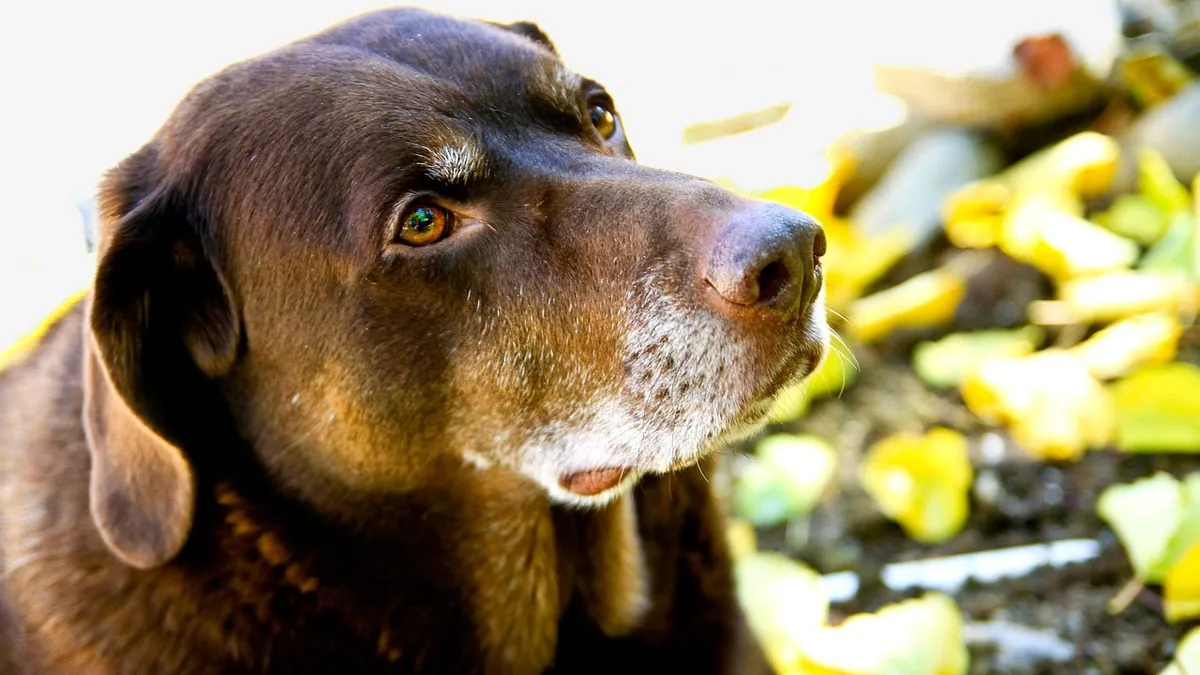
The Dog Aging Project rapamycin study is the first rigorous test of a drug given to healthy middle-aged dogs to see whether it can extend lifespan and healthspan, and it is still running, so no lifespan results have been published yet [1]. What exists now is a carefully designed trial, early safety data, and a growing body of laboratory evidence that rapamycin affects aging biology. This article is educational and is not a substitute for veterinary diagnosis or treatment.
Quick Answer
- The main trial, called TRIAD, is a randomized, double-masked, placebo-controlled study in healthy middle-aged dogs, and lifespan results are not available yet [1].
- Rapamycin is not approved as an anti-aging drug for dogs, and it is not sold or dosed as an at-home supplement.
- A published case report described severe but symptom-free high triglycerides in a healthy middle-aged Labrador given low-dose rapamycin for six months, which resolved within 15 days after the drug was stopped [2].
- In laboratory animals, rapamycin consistently extends lifespan, and a large analysis across vertebrates found rapamycin, but not metformin, produced significant lifespan extension [3][4].
- If you want your dog considered for aging research, talk to your veterinarian first and never give human rapamycin products to a dog.
What Rapamycin Is and What Veterinarians Use It For
Rapamycin, also called sirolimus, is a drug that inhibits a cellular pathway called mTOR [2]. That pathway helps cells sense nutrients, hormones, and stress, and it plays a central role in how the body regulates growth and aging [3].
In human medicine, rapamycin is used at higher doses as an immunosuppressant to prevent organ rejection after transplant [2]. In dogs, veterinarians sometimes use rapamycin or related drugs for specific medical conditions, including some cancers, because the mTOR pathway is active in certain tumors. Canine prostate cancer cells, for example, show activation of the PI3K/AKT/mTOR pathway, and treating those cells with rapamycin in the laboratory reduced their viability in a dose-dependent way [5]. That is laboratory work on cells, not proof that rapamycin treats prostate cancer in a living dog, but it explains why the drug draws interest in veterinary oncology.
What rapamycin is not, at least right now, is a proven longevity drug for pet dogs. The idea that it might slow aging is based on decades of research in laboratory organisms and on ongoing work in people, not on completed dog lifespan trials [1][3].
How Rapamycin Works
Rapamycin blocks mTOR, a protein that acts like a switch for cell growth and metabolism [3]. When mTOR activity is high, cells build and divide. When it is low, cells shift toward maintenance and repair. Many scientists think that shift is part of why dietary restriction extends lifespan in so many species.
A 2025 meta-analysis compared dietary restriction, rapamycin, and metformin across eight vertebrate species, using 911 effect sizes from 167 papers [4]. Dietary restriction extended lifespan consistently, and rapamycin produced a significant lifespan extension. Metformin did not [4]. The authors also found no consistent effect of sex across treatments [4].
That is encouraging for aging science. It is also a long way from your dog's food bowl. The doses, timing, and safety profile that might help a dog live longer and healthier are exactly what TRIAD is designed to find out [1].
Inside the Dog Aging Project Rapamycin Trial
TRIAD stands for Test of Rapamycin In Aging Dogs [1]. It is a parallel-group, double-masked, randomized, placebo-controlled, multicenter trial, which means some dogs get rapamycin and some get a placebo, neither owners nor investigators know which dog is in which group, and dogs are enrolled at more than one site [1].
The trial enrolls healthy, middle-aged dogs from Dog Aging Project participants [1]. Researchers chose this population because these dogs are old enough to be entering the years when aging problems appear but healthy enough that a preventive drug could plausibly help. The study measures both lifespan and several healthspan metrics, which makes it the first rigorous test of a drug against biological aging with those endpoints performed outside a laboratory in any species [1].
Dogs make useful subjects for this kind of research for several reasons. They vary widely in size and genetics, they develop many of the same age-related diseases people do, and they live in our homes and share our environment [1]. Their shorter lives also mean a study can produce answers on a timeline that would be impossible in human research [1].
If you are following the Dog Aging Project rapamycin results, the honest status is this: the trial is designed and underway, and lifespan findings have not been published. Anyone claiming otherwise is ahead of the evidence.
Dosing Basics for Dogs
Who decides the dose
Only a veterinarian decides whether rapamycin is appropriate for your dog and what dose to use. The dose depends on your dog's weight, health conditions, other medications, and the reason the drug is being given. There is no standard at-home anti-aging dose for dogs, and you should not calculate one yourself.
How it is given
In the TRIAD trial, rapamycin is given as an oral medication on a schedule set by the study protocol [1]. In clinical practice, veterinarians choose the form and schedule based on the condition being treated. If your dog is prescribed rapamycin for a medical reason, follow the label and your veterinarian's instructions exactly.
Missed doses
If your dog is in a study, contact the study team. If your dog is on rapamycin for a medical condition, call your veterinarian for instructions. Do not double up on a dose to make up for a missed one unless your veterinarian tells you to.
Side Effects of Rapamycin in Dogs
Rapamycin affects the immune system and lipid metabolism, so side effects are possible even at low doses [2]. The table below covers what owners most often ask about.
| Side effect | How common or serious | What to do |
|---|---|---|
| Elevated triglycerides (high blood fat) | Documented in a healthy middle-aged Labrador on low-dose rapamycin for six months, with no other symptoms [2] | Report any new lab results to your veterinarian, who may recheck blood work or stop the drug |
| Lipemia (fatty blood visible on a sample) | Same case, progressed over six months and resolved within 15 days of stopping the drug [2] | Do not stop or restart on your own. Call your veterinarian |
| Immune suppression | A known effect of rapamycin at the higher doses used in people to prevent organ rejection [2] | Tell your veterinarian about any infections, wounds, or slow healing |
| Lipid changes in people | Mild to moderate cholesterol and triglyceride rises are common, and a small subset of people develop extreme triglyceride elevations [2] | Ask your veterinarian how often your dog's blood work should be checked |
Because rapamycin can change blood fats and liver values, veterinarians who prescribe it typically monitor laboratory work over time. If your dog has liver values being tracked, the principles in Monitoring Hepatic Enzyme Trends in Dogs and Cats: Clinical Significance can help you understand what your veterinarian is watching.
Who Should Not Take Rapamycin and Drug Interactions
Rapamycin is not for every dog. Dogs with certain immune problems, active infections, or specific organ disease may not be good candidates. Your veterinarian will review your dog's history before prescribing it.
Because rapamycin suppresses the immune system at higher doses, it can interact with other drugs that affect immunity or that are processed by the same liver enzymes [2]. Tell your veterinarian about every medication, supplement, and topical product your dog receives, including anything you buy without a prescription. Do not assume a supplement is safe to combine with rapamycin just because it is sold over the counter.
Dogs with cancer deserve special caution. The mTOR pathway is active in some canine tumors, and rapamycin reduced viability of canine prostate cancer cells in the laboratory [5]. That does not mean rapamycin is safe or effective for every dog with cancer. Treatment decisions belong to your veterinarian and, when appropriate, a veterinary oncologist.
Overdose and When to Call for Help
If your dog swallows more rapamycin than prescribed, or gets into a human prescription bottle, treat it as an emergency. Call your veterinarian or a pet poison helpline right away. Have the bottle with you so you can tell them the drug name, strength, and how much you think your dog swallowed.
Do not wait for symptoms. In the published case, the dog with severe hypertriglyceridemia looked completely normal and had no clinical abnormalities other than fatty blood on testing [2]. Serious problems with this drug can be invisible to you at home.
Limitations and When to Contact a Veterinarian
The biggest limitation is simple: we do not yet know whether rapamycin extends lifespan or healthspan in pet dogs. TRIAD is built to answer that question, and until it reports, any claim about rapamycin for dog longevity is a prediction, not a result [1].
Call your veterinarian the same day if your dog vomits repeatedly, refuses food, seems unusually tired, develops diarrhea, or has any change in behavior after starting rapamycin. Go to an emergency clinic now if your dog collapses, has trouble breathing, has a seizure, or you suspect an overdose. Schedule a routine visit if you want to discuss aging, lab work, or whether your dog might qualify for a research study.
Some aging changes in dogs are worth a separate conversation. If your senior dog seems confused, paces at night, or stares at walls, read Senior Dog Cognitive Dysfunction: Is It Dementia or Just Aging?. If you are rethinking your older dog's food, Senior Dog Diet Guide: Joint Support Cognitive Health and Protein covers the basics. And if your dog is a sighthound, Greyhound Lifespan Diet and Preventive Care Guide addresses breed-specific care.
Every dog is an individual. Dosing, monitoring, and whether a drug is appropriate at all are decisions your veterinarian makes for your dog, not general rules you can apply at home.
Frequently Asked Questions
Are the Dog Aging Project rapamycin results available yet?
No. The trial has been described in detail, including its design and goals, but lifespan and healthspan results have not been published [1]. Be skeptical of anyone selling a product based on "results" that do not exist yet.
Can I give my dog rapamycin as an anti-aging supplement?
No. Rapamycin is a prescription drug, not a supplement, and it is not approved for longevity use in dogs. Giving it without veterinary supervision risks side effects such as immune suppression and dangerous changes in blood fats [2].
Does rapamycin extend lifespan in dogs?
That is exactly what the trial is testing, and the answer is not known yet [1]. In laboratory animals and across vertebrate species in a large analysis, rapamycin extended lifespan, but that does not prove the same effect in dogs at safe doses [3][4].
What happened to the dog in the rapamycin case report?
A healthy middle-aged Labrador developed severe hypertriglyceridemia after six months of low-dose rapamycin, with no other symptoms, and the problem resolved within 15 days of stopping the drug [2]. It is one case, not a prediction of what will happen to your dog, but it shows why monitoring matters.
Are there other anti-aging drugs for dogs I should ask about?
Metformin is often mentioned alongside rapamycin, but a large cross-species analysis found rapamycin, not metformin, produced significant lifespan extension [4]. No anti-aging drug is established for routine use in healthy dogs. Ask your veterinarian what is proven for your dog's age, breed, and health status.
Related Articles
- Monitoring Hepatic Enzyme Trends in Dogs and Cats: Clinical Significance
- Senior Dog Diet Guide: Joint Support Cognitive Health and Protein
- Senior Dog Cognitive Dysfunction: Is It Dementia or Just Aging?
- Decoding Hyperglycemia and Hypoglycemia in Dogs and Cats
- Greyhound Lifespan Diet and Preventive Care Guide
- Labrador Retriever Lifespan Diet and Preventive Care Guide
- Dog Lifespan Pills and Anti-Aging Drugs: Do They Work?
- Signs of Dog Aging: Normal Old Age vs. Decline
- Senior Dog Zoning Out and Pacing: Cognitive Changes
References
- Test of Rapamycin in Aging Dogs (TRIAD): study design and rationale for a prospective, parallel-group, double-masked, randomized, placebo-controlled, multicenter trial of rapamycin in healthy middle-aged dogs from the Dog Aging Project. GeroScience, 2025.
- Case report: Severe asymptomatic hypertriglyceridemia associated with long-term low-dose rapamycin administration in a healthy middle-aged Labrador retriever. Frontiers in veterinary science, 2023.
- The Mechanistic Target of Rapamycin (mTOR) Pathway as a Target of Anti-aging Therapies: The Role of Rapamycin and Its Analogs in the Regulation of Cellular Processes and Their Impact on Longevity. Cureus, 2025.
- Rapamycin, Not Metformin, Mirrors Dietary Restriction-Driven Lifespan Extension in Vertebrates: A Meta-Analysis. Aging cell, 2025.
- Canine prostate cancer cell transcriptome reveals important dysregulation in PI3K/AKT/mTOR pathway. Journal of comparative pathology, 2025.