Signs Your Cat Is Getting Old: Aging Stages Explained
By Dr. Zubair Khalid, DVM, MS, PhD ·
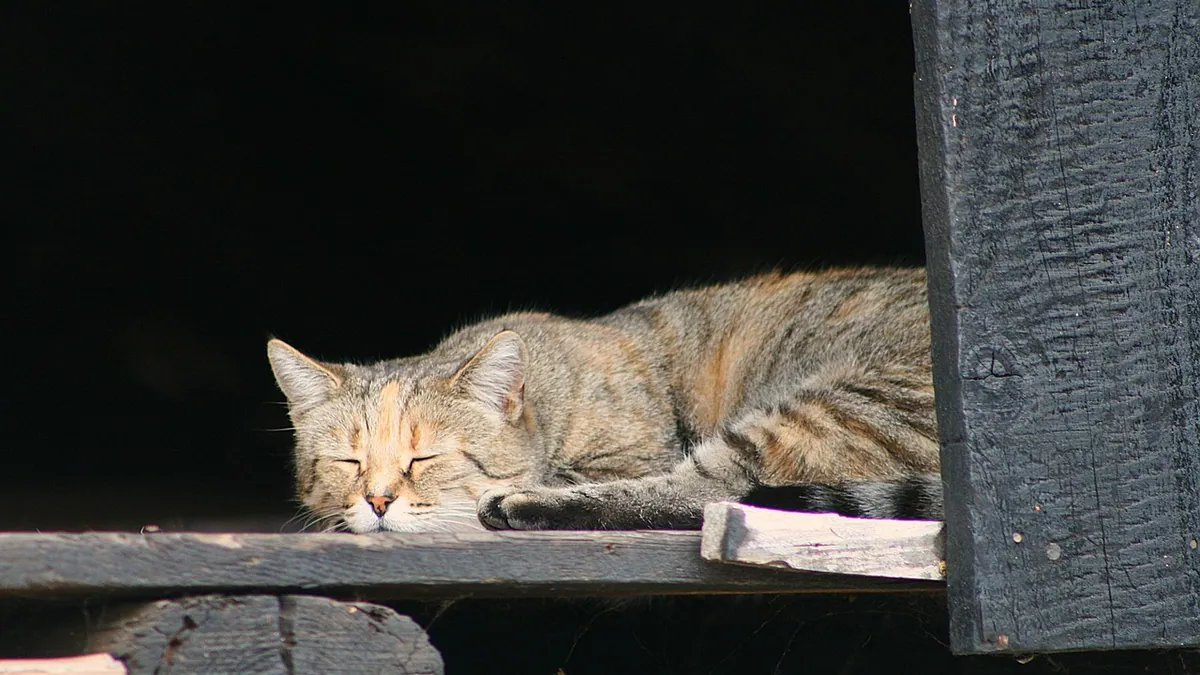
The signs of a cat getting old usually appear gradually: less jumping, more sleeping, thinner body, and sometimes nighttime yowling. Cats are now considered older at 12 to 14 years, not 8, so many of these changes are normal aging while others point to treatable disease [1]. This article is educational and is not a substitute for veterinary diagnosis or treatment.
Quick Answer
- Cats are generally considered older at 12 to 14 years, though many live well into their teens and twenties with good care [1].
- Normal aging brings less activity, more sleep, and gradual weight change, but sudden weight loss, night yowling, or litter box misses are not just old age [2][1].
- Cognitive decline affects more than 55% of cats aged 11 to 15 years and more than 80% of cats aged 16 to 20 years [2].
- Dental disease, joint problems, and heart murmurs are the most common findings in aging cats, so routine exams matter [3].
- Any new behavior change deserves a vet call, because many senior cat problems are treatable [2].
What Is Feline Aging in Plain Words
Aging in cats is a slow decline in the body's ability to resist, react to, and recover from stress, along with changes in normal body processes as cells accumulate damage over time [4]. It is not a single disease. It is a collection of changes that happen at different speeds in different cats.
Some of those changes are in the brain. Feline cognitive dysfunction, or FCD, is a decline in memory, learning, awareness, and sight and hearing perception [2]. It can disturb sleep, cause disorientation, reduce activity, and make a cat forget where the litter box or food bowl is [2]. It can also raise anxiety and make a cat more likely to react aggressively [2].
Other changes are physical. Older cats tend to be less active and playful, sleep more, gain or lose weight, and have trouble reaching favorite places [1]. Those changes can be normal. They can also be signs of common diseases or dental problems [1].
Aging is not fixed in stone. The course of aging is modifiable throughout life, and healthy aging is an achievable goal [4]. That is why monitoring matters. You are not just watching your cat get older. You are looking for the changes you can act on.
Signs of Cat Getting Old: What Owners Notice First
The earliest signs are often subtle. A cat who once met you at the door may now stay on the bed. A cat who jumped to the counter may now use a chair as a step. These shifts can look like personality changes, but they often reflect pain or sensory decline.
Behavior and sleep changes
- More sleeping and less play [1]
- Less interest in grooming or interacting
- Sleeping in warm, secluded spots, which can signal joint pain [5]
- Night yowling, pacing, or staring at walls
- Confusion about familiar places, such as the litter box [2]
- Increased anxiety or aggression [2]
Body and mobility changes
- Weight gain or weight loss [1]
- Trouble reaching favorite places [1]
- Stiffness, reluctance to jump, or hesitating on stairs
- Muscle loss along the spine and hind legs
- Bad breath, drooling, or dropping food, which can point to dental disease [3]
Eating and drinking changes
- Eating less or refusing food
- Drinking more or less than usual
- Vomiting or diarrhea
- House soiling
Feeding problems in older cats rarely come from the diet alone. They usually come from a mix of sensory decline, chronic pain, cognitive decline, mobility problems, and environmental or social stress that disrupts normal feeding behavior [6]. That is why a cat who stops eating needs a vet visit, not just a new food.
If weight loss is your main concern, see How to Tell If Your Cat's Weight Loss Is Normal Aging or a Health Problem.
Cat Aging Stages and What to Monitor
There is no single official chart, but veterinarians group cats by life stage and by what tends to show up at each point. The table below maps common stages to what you should watch.
| Stage | Typical age | What you may see | What to do |
|---|---|---|---|
| Mature adult | 7 to 10 years | Slight slowing, weight creep, early dental tartar | Annual exam, weight log, dental check |
| Senior | 11 to 14 years | Less activity, more sleep, weight change, early cognitive signs [1] | Exam every 6 months, bloodwork, watch litter box habits |
| Geriatric | 15 years and older | Higher risk of cognitive decline, joint pain, heart murmur, kidney disease [2][3] | Exam every 6 months, discuss pain control and diet |
| End of life | Varies | Poor appetite, weakness, confusion, withdrawal | Talk with your vet about comfort and quality of life |
Cognitive decline affects more than 55% of cats aged 11 to 15 years and more than 80% of cats aged 16 to 20 years [2]. That means the senior and geriatric stages are when behavior changes most often appear.
Brain aging in cats follows patterns similar to human brain aging, and an 80-year-old human roughly equates to a 15-year-old cat [7]. That comparison helps explain why a 15-year-old cat can seem suddenly old. The brain and body have been changing for years, even if the outward signs were mild.
Causes and Risk Factors for Senior Cat Changes
Aging itself is the main risk factor. The longer a cat lives, the more likely she is to develop one or more age-related conditions. In a seven-year study of 209 aging cats, most cats (96%) developed at least one abnormality on veterinary examination, and many had more than one condition at the same time [3].
The most common findings in that group were dental disease (84%), abnormalities on orthopedic examination (82%), and heart murmurs (59%) [3]. Those numbers are a useful reminder. A cat who seems "just old" may actually have sore teeth, painful joints, or a heart problem.
Chronic low-grade inflammation, sometimes called inflammaging, speeds up age-related diseases such as obesity, diabetes, vascular disease, and some cancers [8]. Cats are more prone to obesity than dogs because of how their bodies handle glucose and lipids [8]. Severely obese cats show more visceral fat and higher levels of inflammatory markers [8]. Keeping your cat at a healthy weight is one of the few things you can control.
Other risk factors include:
- Indoor versus outdoor lifestyle, since indoor cats tend to live longer [1]
- Nutrition earlier in life, which affects body condition later [1]
- Dental care history, since dental disease is so common [3]
- Genetics and breed, which you cannot change
- Access to preventive care, which shapes how early problems are found
How Veterinarians Diagnose Senior Cat Problems
Diagnosis starts with you. Your report of what has changed, and when, is often the most useful information your vet has. Do not assume your cat is "just getting old" and nothing can be done [2]. Many behavior changes are signs of treatable medical disorders [2].
Your vet will likely do the following:
- Full physical exam. This includes checking teeth, joints, heart, eyes, and body condition.
- Weight and body condition scoring. Tracking weight over time reveals trends that a single visit cannot.
- Bloodwork and urine testing. These screen for kidney disease, diabetes, thyroid problems, and other common senior conditions. For more on kidney changes, see Signs Of Kidney Disease In Old Cats.
- Blood pressure check. High blood pressure is common in older cats and can affect eyes, kidneys, and the brain.
- Imaging. X-rays or ultrasound may be needed for joints, heart, or abdominal organs.
- Behavior and cognitive assessment. Your vet will ask about sleep, litter box use, and social changes to sort FCD from other causes [2].
Because many older cats have more than one problem, your vet may need to treat several issues at once [3]. That is normal in senior care.
Treatment Options for Aging Cats
Treatment depends on what is found. There is no single pill for aging. The goal is to manage each condition and protect quality of life.
Pain and joint management
Joint pain is common and often hidden. Slowed-down, reclusive behavior is an indication of a joint problem in cats of any age [5]. An affected cat may seem lethargic and seek out comforting places to nap [5]. Treatment may include pain medication, joint supplements, weight management, and changes at home such as ramps and low-sided boxes. Your veterinarian calculates any medication dose from your cat's weight and health.
Cognitive support
For cats with FCD, treatment focuses on routine, environment, and sometimes medication or diet changes. Enriched diets with fish oil, certain vitamins, and targeted supplements have shown benefits for cognitive function, longevity, and intestinal health in some research [9]. However, there are no official nutrition guidelines for senior or geriatric cats, and recommendations are often based on adult cat needs [9]. Ask your vet before adding supplements.
Nutrition and feeding support
Older cats often need more protein and careful attention to water intake, but the research base is still thin [9]. Feeding difficulties usually have multiple causes, so the solution is rarely just a different food [6]. Your vet may recommend a specific diet, feeding schedule, or appetite support.
Dental care
With dental disease found in 84% of aging cats in one study, dental treatment is one of the most common and most helpful interventions [3]. Treating painful teeth can improve eating, grooming, and mood.
Environmental support
Small changes help a lot. Add steps to favorite spots. Keep food, water, and litter boxes on one floor. Use night lights. Keep routines steady. For more ideas, see How To Care For Elderly Cats.
Recovery, Outlook, and Long-Term Management
Most senior cat conditions are managed, not cured. The outlook depends on what is found and how early you act. Cats with treated dental disease, controlled pain, and managed kidney or heart disease can live comfortably for years.
Long-term management usually means:
- Veterinary exams every 6 months for senior and geriatric cats
- Regular weight checks at home
- Bloodwork and urine testing at least once or twice a year
- Medication and diet adjustments as conditions change
- Honest conversations about quality of life as your cat ages
The clinical goal shifts from simply extending lifespan to protecting healthspan, so the added years come with maintained function and quality of life [6]. That is a useful way to think about it. You are not chasing a number. You are protecting comfort and function.
Prevention and Slowing the Changes
You cannot stop aging, but you can change its trajectory. The course of aging is modifiable throughout life, and healthy aging is an achievable goal [4].
What helps most:
- Keep your cat lean. Obesity drives inflammation and age-related disease in cats [8].
- Feed a complete diet and adjust as your cat ages. Senior nutrition research is still developing, so work with your vet instead of guessing [9].
- Brush teeth or use vet-approved dental care. Dental disease is the most common finding in aging cats [3].
- Provide easy access. Ramps, low boxes, and soft bedding reduce joint strain.
- Keep mental stimulation. Play, food puzzles, and routine support brain health.
- Schedule regular exams. Early detection is the single best tool you have [1].
- Watch for subtle signs. Report all changes to your vet [2].
Limitations and When to Contact a Veterinarian
This article cannot tell you what is wrong with your individual cat. Only your veterinarian can do that after an exam and testing.
Contact your vet the same day if you see:
- Not eating for more than 24 hours
- Vomiting or diarrhea that lasts more than a day
- Drinking much more or much less water
- Sudden weight loss
- New litter box avoidance
- Night yowling that starts suddenly
- Limping or reluctance to move
Go to an emergency clinic now if you see:
- Trouble breathing
- Collapse or inability to stand
- Seizures
- Bleeding that will not stop
- Straining to urinate with no urine produced
- Extreme weakness or unresponsiveness
Schedule a routine visit soon if you notice:
- Gradual slowing or less jumping
- Sleeping more than usual
- Bad breath or drooling
- New confusion or anxiety
- Weight gain or gradual weight loss
- Any behavior change that worries you
For more on kidney-related symptoms, see Symptoms Of Kidney Disease In Old Cats. If your cat has been diagnosed with kidney disease, Senior Cat Kidney Disease: What Do the Stages Mean for Your Cat's Care? explains what the stages mean.
Frequently Asked Questions
At what age is a cat considered old?
Most veterinarians now consider cats older at 12 to 14 years, though this has shifted upward over time as nutrition and medicine have improved [1]. Cats in their late teens and twenties are no longer rare [1]. Age alone does not define health, so a 14-year-old cat can still be in good shape.
Is my cat's night yowling just a normal part of aging?
Night yowling can be a sign of cognitive dysfunction, but it can also come from pain, vision or hearing loss, thyroid disease, or high blood pressure [2]. It is not something to dismiss as normal. A vet visit can sort out the cause and often improve the behavior.
How can I tell normal slowing from joint pain?
Normal aging brings some slowing, but reclusive behavior and seeking out soft, warm napping spots can indicate joint pain [5]. Cats often hide discomfort, so the signs are subtle [5]. If your cat hesitates to jump or seems stiff, ask your vet about a joint assessment.
Do older cats need different food?
There are no official nutrition guidelines for senior or geriatric cats, and recommendations are often based on adult cat needs [9]. Older cats may benefit from more protein, certain fatty acids, and added water, but the research is still limited [9]. Your vet can tailor a plan to your cat's conditions and weight.
Can I prevent my cat from developing age-related problems?
You cannot prevent aging, but you can change how it unfolds. The course of aging is modifiable throughout life, and healthy aging is achievable [4]. Keeping your cat lean, treating dental disease, managing pain, and scheduling regular exams are the most practical steps [3][8].
Related Articles
- Signs Of Kidney Disease In Old Cats
- How to Tell If Your Cat's Weight Loss Is Normal Aging or a Health Problem
- Senior Cat Kidney Disease: What Do the Stages Mean for Your Cat's Care?
- How To Care For Elderly Cats
- Symptoms Of Kidney Disease In Old Cats
- Why Do Older Cats Get Kidney Disease
- How Do Cats Age? Cat Years Explained and Lifespan Stages
- When Do Cats Die? Lifespan, Aging, and End-of-Life Signs
- Signs Your Cat Is Dying: What to Expect
References
- Loving Care for Older Cats. Cornell University College of Veterinary Medicine.
- Older Cats with Behavior Problems. ASPCA Animal Poison Control Center.
- Patterns of morbidity, multimorbidity, and mortality in aging cats: findings from seven years of the Cat Prospective Ageing and Welfare Study. Frontiers in veterinary science, 2026.
- Aging is modifiable: current perspectives on healthy aging in companion dogs and cats. Journal of the American Veterinary Medical Association, 2026.
- Is Your Cat Slowing Down?. Cornell University College of Veterinary Medicine.
- EXPRESS: Beyond the bowl: behavioural, sensory and environmental strategies to support healthy ageing in cats. Journal of feline medicine and surgery, 2026.
- Cat brains age like humans: translating time shows pet cats live to be natural models for human aging. Biology open, 2026.
- Age-related obesity and inflammaging in cats. Frontiers in veterinary science, 2025.
- EXPRESS: What Goes in the Bowl? Evidence-Based Nutrition for Ageing Domestic Cats. Journal of feline medicine and surgery, 2026.