Sneezing in Cats With Kidney Disease: Causes and Care
By Dr. Zubair Khalid, DVM, MS, PhD ·
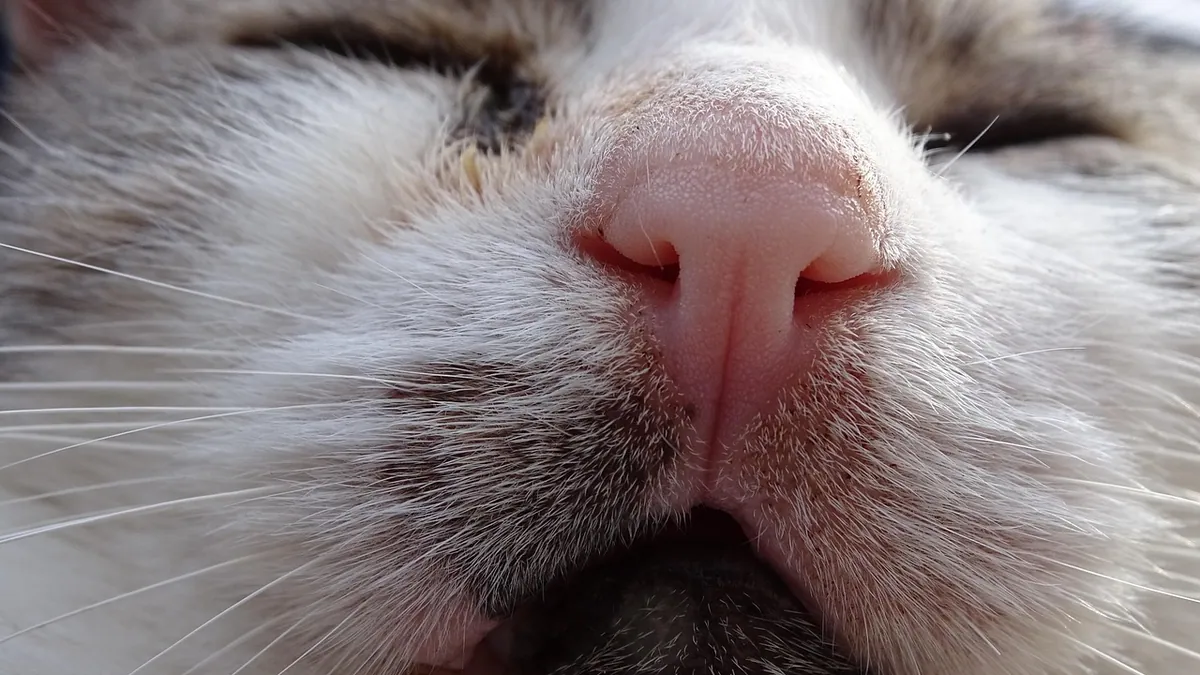
Sneezing in cats with kidney disease is usually not a direct symptom of the kidney disease itself. Most sneezing in these cats comes from a separate upper respiratory problem, an irritant, or a dental issue, though dehydration and a weakened immune system can make a cat more prone to nasal trouble. If your cat with chronic kidney disease (CKD) starts sneezing, it deserves a closer look because the two problems often need different care.
This article is educational and is not a substitute for veterinary diagnosis or treatment.
Quick Answer
- CKD does not typically cause sneezing on its own. Sneezing points more often to a nasal, sinus, dental, or viral problem [1].
- Chronic rhinitis in cats is often linked to a previous viral infection, and it can cause sneezing along with clear to thick nasal discharge [1].
- CKD is common in senior cats and often shows few or no signs early, so a new sneeze may be the first thing you notice while the kidney disease was already present [2].
- Dehydration from kidney disease can dry out nasal passages and make a cat less able to clear irritants, but this is not a well established direct cause of sneezing.
- Any new sneezing in a cat with CKD should be checked by a veterinarian, since nasal disease and kidney disease are managed differently [1][2].
What Is Chronic Kidney Disease in Cats?
Chronic kidney disease is a progressive, irreversible loss of kidney function. It is one of the leading causes of death in older cats, and it becomes more common with age [3]. The kidneys lose working nephrons over time, and the remaining tissue tries to compensate, which is why early stages can look normal on routine bloodwork [3].
Because the disease is gradual, many cats show minimal or no clinical signs in the early stages. That delay is a real problem, since early diagnosis lets your veterinarian start interventions that can slow progression and improve quality of life [2]. For a deeper look at the condition itself, see Chronic Kidney Disease in Cats.
Is Sneezing a Symptom of Kidney Disease in Cats?
Sneezing is not a recognized direct symptom of kidney disease. The classic signs of CKD relate to the kidneys and the body's fluid and waste balance, not the nose. When a cat with kidney disease sneezes, the cause is usually something separate happening in the upper respiratory tract.
That said, the two problems can overlap in practical ways. A cat with CKD may be older, may have a weaker immune response, and may be less well hydrated. Those factors can make a cat more vulnerable to nasal irritation or infection, but the sneeze itself is not coming from the kidneys.
If you are trying to sort out which signs belong to the kidney disease, Symptoms Of Kidney Disease In My Cat walks through the typical pattern.
Signs Owners Notice
Sneezing rarely happens alone. Watch for these signs, which help your veterinarian narrow down the cause.
Nasal signs
- Clear, watery discharge that later becomes thick or colored
- Discharge from one nostril or both
- Sneezing fits, sometimes with blood
- Noisy breathing or snoring
- Pawing at the face or rubbing the nose
Chronic rhinitis in cats commonly causes unilateral or bilateral serous to mucopurulent nasal discharge, and sometimes nosebleeds [1].
Kidney-related signs
- Drinking more and urinating more
- Urinating more often, with longer trips to the litter box
- Less covering of waste after elimination
- Weight loss, reduced appetite, or vomiting
A smart litter box monitor study found that cats with CKD had a distinct pattern of increased urination frequency, longer elimination durations, and reduced post-elimination covering behavior [4]. If your cat is also vomiting, How to Tell If Your Cat's Vomiting Is a Sign of Kidney Disease can help you judge how urgent it is.
General signs
- Lethargy or hiding
- Poor coat quality
- Bad breath
- Eye discharge or squinting, which often travels with upper respiratory disease [5]
Causes and Risk Factors for Sneezing in Cats With Kidney Disease
Sneezing has many possible causes, and in a cat with CKD more than one can be present at the same time.
| Cause | What it looks like | Notes for a cat with CKD |
|---|---|---|
| Chronic rhinitis | Long-term sneezing, nasal discharge, sometimes blood [1] | Often follows a previous viral infection [1] |
| Viral upper respiratory disease | Sneezing, eye discharge, squinting, nasal discharge [5] | Can flare when a cat is stressed or run down |
| Dental disease | Drooling, bad breath, one-sided nasal discharge | Dental problems can spread toward the nasal cavity [1] |
| Foreign body or polyp | Sudden sneezing, often one-sided | Needs a veterinary exam to find |
| Fungal infection or tumor | Persistent one-sided discharge, sometimes blood | Ruled out through testing [1] |
| Environmental irritants | Sneezing without discharge, linked to dust or fumes | Common and often mild |
| Dehydration | Dry nasal passages | Possible contributor, not a well established direct cause |
Chronic rhinitis is one of the most common upper respiratory diseases in cats, and its cause is usually multifactorial. In cats, it is often assumed to follow a previous viral infection [1]. Other causes of chronic nasal problems, including tumors, fungal infections, dental disease, parasites, polyps, and foreign bodies, have to be ruled out before a diagnosis of chronic rhinitis is made [1].
Age is a major risk factor for kidney disease. CKD is common in senior cats, and mature cats with poorly concentrated urine are at higher risk of developing it later [2][6]. If your cat is middle-aged or older and sneezing, both the nose and the kidneys deserve attention.
How Veterinarians Diagnose the Problem
Your veterinarian will treat the sneezing and the kidney disease as two separate questions.
For the nose
The exam starts with a full history: when the sneezing began, which nostril, what the discharge looks like, and whether your cat has had a previous respiratory infection. Your veterinarian will examine the nose, mouth, and teeth, since dental disease can cause nasal signs [1].
If signs persist, imaging of the nasal cavity and sampling may be needed. A firm diagnosis of chronic rhinitis is based on histopathological examination of nasal mucosal biopsies, after other causes have been ruled out [1]. That means your veterinarian may recommend bloodwork, imaging, and possibly a biopsy to be sure nothing else is going on.
For the kidneys
CKD diagnosis and staging follow a structured approach, and the International Renal Interest Society staging system is used to guide management [2]. Your veterinarian will check bloodwork, urine concentration, and blood pressure over time.
Traditional kidney markers can miss early disease because the remaining nephrons compensate, which is why newer markers are being studied to close that diagnostic gap [3]. A urine specific gravity that shows poorly concentrated urine in a mature cat should raise concern for future kidney disease and change how your cat is monitored [6].
Treatment Options
Treatment depends on which problem is causing the sneezing.
Nasal treatment
For chronic rhinitis, the foundation of long-term care is improving mucociliary clearance. That includes nasal lavage, inhalation therapy, and mucolytic medications [1]. Some cats respond to anti-inflammatory drugs such as corticosteroids or nonsteroidal anti-inflammatory drugs [1].
Antibiotics are debated for chronic rhinitis and do not fully resolve it on their own [1]. If a bacterial infection is making things worse, your veterinarian will decide whether antibiotics are appropriate.
For viral upper respiratory disease, treatment is supportive. One study tested intranasal maropitant in shelter cats with naturally acquired upper respiratory disease, using a diluted solution given twice daily for seven days, and measured changes in conjunctivitis, squinting, eye discharge, and nasal discharge [5]. This is a specific protocol used in a research setting, so do not try it at home. Your veterinarian will choose any medication and calculate the dose from your cat's weight and health.
Kidney treatment
CKD management is tailored to the stage of disease and to your cat's other conditions [2]. It usually includes diet changes, water intake support, blood pressure control, and regular monitoring. Because some anti-inflammatory drugs can affect the kidneys, your veterinarian will weigh the risks carefully when treating nasal disease in a cat with CKD.
Recovery, Outlook, and Long-Term Management
Chronic rhinitis is often a long-term condition instead of something that resolves completely. Many cats need ongoing nasal care, and some need periodic medication [1]. The goal is comfort and control, not a cure.
CKD is progressive and irreversible, but management according to the IRIS staging system can lead to prolonged survival and an excellent quality of life [2]. That is encouraging news. Cats with CKD can live well for a long time with the right plan.
Long-term care usually means:
- Regular veterinary visits with bloodwork and urine checks
- Monitoring at home for appetite, water intake, litter box habits, and sneezing
- Keeping the nose clear and the environment dust free
- Watching for new or worsening nasal discharge, which can signal a secondary infection [1]
- Adjusting the plan as the kidney disease stage changes [2]
Tracking litter box habits at home can help. A smart litter box monitor detected CKD-related behavior patterns with high accuracy in a research setting, which suggests continuous monitoring can support earlier detection [4]. If you notice your cat urinating more often or spending longer in the box, write it down and bring it to your next visit.
Prevention
You cannot prevent CKD, but you can slow it and catch it earlier.
- Schedule regular wellness visits, especially for cats over seven years old [2].
- Ask about urine concentration testing. Poorly concentrated urine in a mature cat is a warning sign for future kidney disease [6].
- Keep your cat hydrated with fresh water and wet food if your veterinarian recommends it.
- Keep up with vaccines and stress reduction, since viral upper respiratory infections can leave lasting nasal damage [1].
- Control dental disease, which can contribute to nasal problems [1].
For general sneezing that is not tied to kidney disease, Cat Sneezing: Common Causes and When to Worry and Why Is My Cat Sneezing? cover the common triggers.
Limitations and When to Contact a Veterinarian
It is not always possible to tell from home whether sneezing is minor or serious. Individual cases need a veterinarian to sort out the cause and set the right treatment.
Call your veterinarian the same day if your cat:
- Stops eating or drinking
- Has thick, colored, or bloody nasal discharge
- Breathes through the mouth or makes noisy breathing sounds
- Seems painful around the face or paws at the nose
Go to an emergency clinic now if your cat:
- Struggles to breathe or breathes with an open mouth
- Collapses or seems unresponsive
- Has heavy bleeding from the nose that will not stop
- Shows sudden weakness along with the sneezing
Schedule a routine visit soon if your cat:
- Has sneezed for more than a few days
- Has discharge from one nostril only
- Has bad breath or drooling along with sneezing
- Has known CKD and any new nasal sign
Frequently Asked Questions
Can kidney disease make my cat sneeze?
No, kidney disease does not directly cause sneezing. Sneezing in a cat with CKD usually comes from a separate nasal, dental, or viral problem. Because CKD weakens a cat's overall health, it can make nasal issues harder to shake.
Why does my cat with kidney disease have a runny nose?
A runny nose in a cat with CKD most often points to chronic rhinitis or a viral upper respiratory infection, not the kidneys. Chronic rhinitis in cats often follows a previous viral infection and causes clear to thick nasal discharge [1]. Your veterinarian can confirm the cause with an exam and testing.
Does dehydration from kidney disease cause sneezing?
Dehydration is not a well established direct cause of sneezing, but it can dry out the nasal passages and make it harder for your cat to clear irritants. Keeping your cat well hydrated is still important for kidney health. Ask your veterinarian how much water your cat should be taking in each day.
How do veterinarians tell the difference between nasal disease and kidney disease?
They look at the signs separately. Nasal disease shows up as sneezing, discharge, and noisy breathing, while kidney disease shows up in bloodwork, urine concentration, and litter box habits [4][2]. A full exam and testing usually make the difference clear.
Can sneezing in a cat with kidney disease be treated at home?
Mild sneezing from dust or dry air may improve with a clean, humid environment, but you should not treat a cat with CKD on your own. Nasal lavage, inhalation therapy, and mucolytic medications are the foundation of long-term nasal care, and they need a veterinary plan [1]. Your veterinarian will decide what is safe for your cat's kidneys.
Related Articles
- Cat Sneezing: Common Causes and When to Worry
- How to Tell If Your Cat's Vomiting Is a Sign of Kidney Disease
- Why Is My Cat Sneezing?
- Chronic Kidney Disease in Cats
- Symptoms Of Kidney Disease In My Cat
- Cat Sneezing a Lot: Allergies, Infection, or Something Else?
- Home Care for Cat Kidney Disease: What Actually Helps
- Cat Breathing Through Mouth and Sneezing: Causes
- Reverse Sneezing in Cats: Causes and When to Worry
- Feline Upper Respiratory Infection (URI): Etiology, Diagnosis, and Management
References
- Chronic rhinitis in dogs and cats - an overview of etiology, diagnostics and therapy. Tierarztliche Praxis. Ausgabe K, Kleintiere/Heimtiere, 2025.
- 2026 iCatCare consensus guidelines on the diagnosis and management of chronic kidney disease in cats. Journal of feline medicine and surgery, 2026.
- Understanding the Progression of Chronic Kidney Disease in Cats: From Pathophysiology to Emerging Biomarkers. Veterinary sciences, 2026.
- Enhancing Detection of Feline Chronic Kidney Disease Through Smart Litter Box Monitoring. Animals : an open access journal from MDPI, 2026.
- Effects of intranasal maropitant on clinical signs of naturally acquired upper respiratory disease in shelter cats. Journal of feline medicine and surgery, 2025.
- Poorly concentrated urine is associated with an increased risk of developing chronic kidney disease in apparently healthy cats. Journal of the American Veterinary Medical Association, 2026.