Cat Acupuncture for Arthritis: Evidence and What to Expect
By Dr. Zubair Khalid, DVM, MS, PhD ·
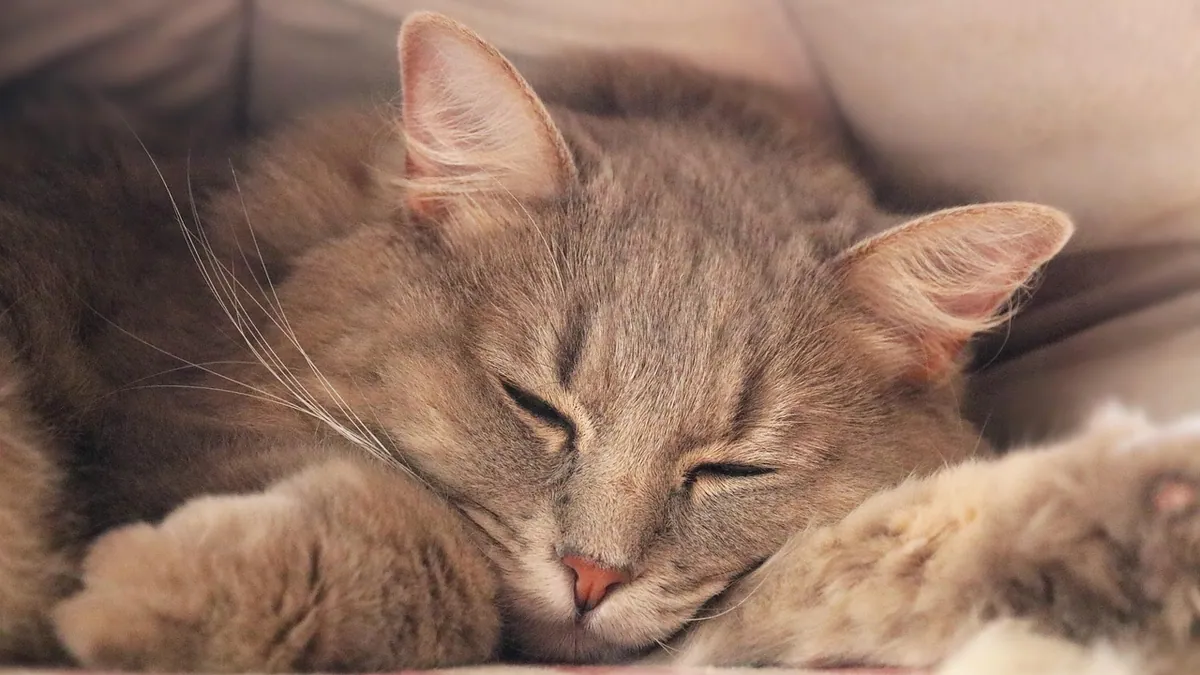
Cat acupuncture for arthritis is a needle-based treatment that some veterinarians use to reduce joint pain and improve mobility in cats who cannot take daily pain pills. The evidence in cats is still limited, but acupuncture is widely used in veterinary rehabilitation and is generally considered low risk when performed by a trained professional. This article is educational and is not a substitute for veterinary diagnosis or treatment.
Quick Answer
- Acupuncture involves inserting thin, sterile needles into specific body sites to trigger nervous system responses that can modify pain signaling [1].
- It is often chosen for arthritic cats because long-term NSAID use can be hard on feline kidneys and livers, so owners and veterinarians look for other options.
- Most cats need a series of sessions, often weekly at first, then spaced further apart as pain improves. Your veterinarian sets the exact schedule.
- Acupuncture is usually combined with other treatments, such as joint supplements, prescription pain medication, weight management, and home changes.
- Sedation is rarely needed. Most cats tolerate the needles well, and serious side effects are uncommon when a trained veterinarian performs the treatment.
What Is Cat Acupuncture for Arthritis?
Acupuncture most commonly refers to inserting thin, sterile, solid needles into specific sites on the body. When activated, these sites induce complex, self-regulating physiologic responses within the central, peripheral, and autonomic nervous systems [1]. In plain terms, the needles stimulate nerves and connective tissue in ways that can change how the body processes pain.
Modern veterinary acupuncture, often called medical acupuncture, treats the technique as part of conventional medicine. Practitioners use current knowledge of anatomy, physiology, pathology, and neuromodulation to explain how it works instead of relying on concepts like Yin, Yang, and Chi [1]. This matters for owners who want an evidence-informed approach.
Arthritis in cats, also called osteoarthritis or degenerative joint disease, causes pain and mobility impairment that negatively affects the quality of life of both cats and their owners [2]. Many cats hide this pain well, which is why screening tools like the Feline Osteoarthritis Checklist have been developed to help veterinarians find cases that physical exams alone might miss [3].
Acupuncture is one tool in a larger pain management plan. It does not replace a diagnosis, and it does not work for every cat.
Does Acupuncture Help Arthritic Cats?
This is the question most owners ask first. The honest answer is that the evidence in cats is promising but not yet as strong as the evidence in dogs and humans.
Acupuncture has been widely incorporated into rehabilitation protocols for dogs and cats because of its potential analgesic (pain-relieving) effects [4]. In a 2025 clinical study of dogs recovering from spinal surgery, dogs that received acupuncture plus physiotherapy were more likely to regain the ability to walk than dogs that received physiotherapy alone [4]. That study was in dogs, not cats, but it supports the idea that acupuncture can meaningfully reduce pain and improve function in veterinary patients.
Research into how acupuncture works is ongoing. In a laboratory model of rheumatoid arthritis, manual acupuncture reduced pathological changes in the fascia surrounding joints, with minimal impact on bone and cartilage [5]. This suggests acupuncture may act partly on the connective tissue and fascial network around painful joints, which is relevant because arthritis pain involves more than just cartilage wear.
For cats specifically, the research base is thinner. Much of what veterinarians rely on comes from feline pain research, dog studies, human studies, and clinical experience. A 2025 survey of veterinarians in the UK and Europe found that acupuncture is actively practiced across a range of conditions, with traditional Chinese medicine and Western approaches both in use [6]. That tells you the technique is established in practice, even where formal cat-specific trials are lacking.
If you want to understand your cat's pain before deciding on treatment, see Cat Arthritis: How to Tell If Your Cat Is in Pain. Limping can also have causes other than arthritis, which is covered in Cat Limping: Arthritis or Something Else? How to Tell.
Why Owners Choose Acupuncture for Arthritic Cats
The main reason is safety and drug limits. Nonsteroidal anti-inflammatory drugs (NSAIDs) can be effective for arthritis pain, but long-term use carries risks, especially for cats with kidney or liver disease. Many arthritic cats are seniors with other health problems, so veterinarians look for treatments that can reduce pain without adding drug burden.
Acupuncture is often used alongside medication, not instead of it. A reasonable integrative plan for an arthritic cat might include:
- Prescription pain control, which may include newer monoclonal antibody injections or other medications your veterinarian selects.
- Joint health supplements, discussed in Cat Joint Health Supplements.
- Weight management, since extra weight increases load on painful joints.
- Home adjustments such as ramps, low-sided litter boxes, and heated beds, covered in Cat Arthritis: How to Recognize the Signs and Make Your Home More Comfortable.
- Acupuncture or other neuromodulation techniques.
One emerging option is green light exposure. In a 2026 study, cats with osteoarthritis-associated sensory impairment showed reduced central sensitization after green light exposure, with 80% of the less sensitized cats improving [7]. This is a different treatment from acupuncture, but it shows the field is moving toward non-drug pain modulation.
If your cat is already receiving injections for joint pain, Solensia Injection for Feline Osteoarthritis: Safe Joint Pain Relief Guide explains how that option works.
How to Prepare for Your Cat's Acupuncture Session
Preparation is simple, and most of it is about reducing stress.
Feed a light meal beforehand. A full stomach is uncomfortable during handling, and an empty stomach can make some cats queasy. A normal small meal is usually fine unless your veterinarian says otherwise.
Skip the grooming and rough play that day. Your cat will be handled and positioned for treatment. A calm, rested cat tolerates needling better.
Bring your cat in a secure carrier. Use a carrier with a removable top if you have one. Many acupuncture sessions are done with the cat resting on a towel or mat, and top access makes the visit easier for everyone.
Bring a list of medications and supplements. Your veterinarian needs to know everything your cat takes, including joint supplements, because treatment planning depends on the full picture.
Ask about timing with other treatments. If your cat receives injections or oral pain medication, your veterinarian may want to coordinate timing.
Plan a quiet ride home. Minimize noise and handling after the visit. Most cats are relaxed or slightly sleepy afterward.
What Happens During Acupuncture
The session usually starts with a brief exam. Your veterinarian will check your cat's gait, feel the joints, and may ask you questions about appetite, jumping, grooming, and litter box use. This is also when they may use a screening tool like the Feline Osteoarthritis Checklist, which has been shown to help practices identify osteoarthritis cases that routine methods miss [3].
Next, the needles go in. Veterinary acupuncture needles are thin and sterile. Most cats do not react strongly, and many settle or even doze during treatment. The number of needles and the placement depend on your cat's pain pattern and the practitioner's approach.
Some veterinarians add electroacupuncture, which passes a mild electrical current through the needles. This technique was used in the dog rehabilitation study mentioned earlier. Others may use laser, moxibustion, or acupressure instead of or in addition to needles [1].
Sessions typically last 15 to 30 minutes of needle time, plus exam and setup. Your veterinarian will tell you what to expect for your cat.
Recovery Timeline and Home Care
Most cats go home the same day with no restrictions. Some are relaxed for a few hours. A few may seem slightly sore at needle sites, though this is uncommon.
| Timeframe | What to Expect | What You Should Do |
|---|---|---|
| Right after the visit | Calm, sleepy, or normal behavior | Provide a quiet, warm resting spot |
| First 24 hours | Possible mild relaxation or mild soreness | Avoid rough play and bathing, offer normal food and water |
| Days 1 to 3 | Gradual return to baseline | Watch for changes in jumping, walking, and grooming |
| First week | Early response may appear, or no change yet | Keep a simple daily log of mobility and mood |
| Weeks 2 to 4 | Response to a series of sessions becomes clearer | Continue the schedule your veterinarian set |
| Ongoing | Maintenance sessions at longer intervals | Combine with supplements, weight control, and home changes |
Keep a log. Note how easily your cat jumps onto the couch, whether they use the stairs, how much they groom, and whether they hide more or less. Owners often notice small changes before veterinarians can measure them, and this information guides the treatment plan.
Do not change any medication or supplement dose on your own. If your cat seems better, that is good news, but the plan still needs veterinary review.
Possible Complications and Warning Signs
Acupuncture is generally well tolerated. The most common issues are minor: slight bleeding at a needle site, mild bruising, or brief soreness. Serious complications are rare when a trained veterinarian performs the treatment.
Infection is possible any time the skin is broken, which is why sterile, single-use needles matter. If your cat has a bleeding disorder or a weakened immune system, tell your veterinarian before treatment.
Watch for these signs after a session:
- Swelling, redness, or discharge at a needle site.
- Persistent pain or sensitivity where needles were placed.
- Vomiting, diarrhea, or refusal to eat lasting more than 24 hours.
- Sudden weakness, wobbling, or inability to use a limb.
- Increased hiding, growling when touched, or other signs of worsening pain.
Call your veterinarian if any of these appear. Some are minor and settle on their own, but others need same-day attention.
Questions to Ask Your Veterinarian
Before starting, ask these questions so you know what you are committing to.
- Are you trained and credentialed in veterinary acupuncture, and how many cats do you treat?
- What is your recommended session frequency and total number of sessions for my cat?
- How will we measure improvement, and what counts as a good response?
- What other treatments should we combine with acupuncture?
- What are the costs per session, and is there a package price?
- What should I do if my cat seems worse after a session?
- How does acupuncture fit with my cat's current medications and supplements?
- When should we stop if we are not seeing benefit?
Limitations and When to Contact a Veterinarian
Acupuncture is not a cure for arthritis. It can reduce pain and improve comfort for some cats, but joint changes do not reverse. Response varies, and some cats do not improve. The evidence in cats is still developing, so your veterinarian's clinical judgment and your observations at home matter a great deal.
Contact your veterinarian the same day if your cat:
- Refuses food or water for more than 24 hours.
- Vomits repeatedly or has diarrhea that does not stop.
- Shows new swelling, redness, or discharge at a needle site.
- Seems more painful than before treatment.
Seek emergency care immediately if your cat:
- Cannot stand or walk.
- Cries out when touched or moved.
- Breathes rapidly or with effort at rest.
- Collapses, has a seizure, or becomes unresponsive.
- Shows sudden paralysis of one or more limbs.
Schedule a routine visit if:
- You see no improvement after the agreed number of sessions.
- Your cat's mobility slowly declines over weeks.
- You notice new signs such as accidents outside the litter box, reduced grooming, or increased hiding.
- You want to review the whole pain plan, including medications, supplements, and home setup.
Every cat is different, and individual cases need a veterinarian who can examine your cat, review lab work, and adjust treatment over time.
Frequently Asked Questions
How many acupuncture sessions does a cat usually need?
Most veterinarians start with a series of sessions, often weekly, then extend the interval as pain improves. The exact number depends on your cat's response, the severity of arthritis, and the practitioner's protocol. Your veterinarian will set a schedule and reassess after the first few visits.
Is acupuncture painful for cats?
Most cats tolerate acupuncture well because the needles are very thin. Many relax, purr, or fall asleep during a session. Some cats object to being held still, which is a handling issue more than a needle issue. Tell your veterinarian if your cat is anxious so the visit can be adjusted.
Can acupuncture replace pain medication for arthritis?
Usually not. Acupuncture is best used as part of a combined plan that may include medication, supplements, weight control, and home changes. Some cats can reduce medication over time, but that decision belongs to your veterinarian. Never stop or lower a prescribed medication on your own.
How soon will I see a difference in my cat?
Some owners notice changes within days, while others see gradual improvement over several weeks. A lack of response after the first session does not mean the treatment failed. Your veterinarian will help you decide how long to continue before judging the response.
Is acupuncture safe for older cats with other health problems?
Acupuncture is generally considered low risk, and it is often chosen for senior cats precisely because it avoids adding drug burden. Cats with bleeding disorders, skin infections, or weakened immune systems need extra caution. Your veterinarian will review your cat's full health history before starting.
Related Articles
- Cat Limping: Arthritis or Something Else? How to Tell
- Cat Arthritis: How to Tell If Your Cat Is in Pain
- Cat Arthritis: How to Recognize the Signs and Make Your Home More Comfortable
- Cat Joint Health Supplements
- Solensia Injection for Feline Osteoarthritis: Safe Joint Pain Relief Guide
- How to Prepare Your Dog for a Veterinary Visit for Arthritis
- Cat Paw Arthritis and Joint Pain: Signs, Causes, and Relief
- Senior Cat Joint Pain: Arthritis Care and Support Options
- Arthritis in Cats: Leg, Hip, and Paw Signs to Know
- Integrative Veterinary Medicine: Combining Conventional and Alternative Therapies
References
- Acupuncture in Veterinary Patients - Therapeutics. Merck Veterinary Manual.
- Development and validation of a Quality of Life and Treatment Satisfaction measure in feline osteoarthritis. Frontiers in veterinary science, 2026.
- Implementation of a prospective in-clinic validated Feline Osteoarthritis Checklist. Journal of feline medicine and surgery, 2025.
- Clinical Study on the Application of Acupuncture in the Postoperative Rehabilitation of Dogs Affected by Acute Thoracolumbar Disc Herniation. Animals : an open access journal from MDPI, 2025.
- Fibroblasts as key effectors of acupuncture in treatment of rheumatoid arthritis. Frontiers in immunology, 2026.
- A survey study on the use of veterinary acupuncture in the UK and Europe. Veterinary anaesthesia and analgesia, 2025.
- Green light exposure reduces central sensitization in cats with osteoarthritis-associated somatosensory impairment. iScience, 2026.