What Do Bearded Dragons Hate? Stressors to Avoid
By Dr. Zubair Khalid, DVM, MS, PhD ·
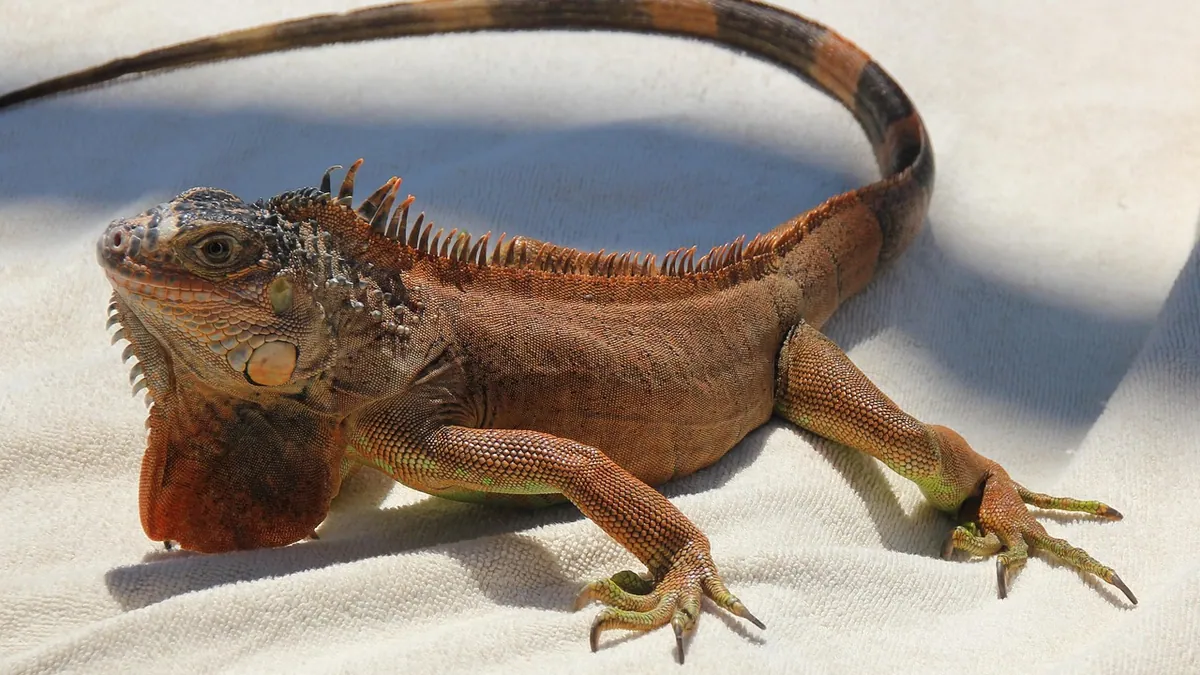
Bearded dragons hate sudden changes, rough or frequent handling, cramped or bare enclosures, and extremes of heat, cold, or noise. They are calm, territorial lizards that do best with predictable routines and a properly set up tank. When something in their world feels unsafe or uncomfortable, they show it through stress behaviors long before they get sick.
This article is educational and is not a substitute for veterinary diagnosis or treatment.
Quick Answer
- Bearded dragons dislike being grabbed in published veterinary research, woken suddenly, or handled for long stretches, especially when they are cold or trying to sleep.
- They hate enclosures that are too small, too bare, or too crowded with cage mates.
- Wrong temperatures and lighting are major stressors. They need a proper heat gradient and UVB to regulate their body and behavior.
- Loud noises, constant foot traffic, and being stared at by pets or children can keep a dragon on edge.
- Stress is measurable in reptiles. Handling and confinement can raise stress hormones, so calm, predictable care matters [1].
Why Bearded Dragons Get Stressed (Normal Reasons First)
Stress is not always a sign that you are doing something wrong. In the wild, a bearded dragon's survival depends on staying alert to predators, weather, and competition for food and basking spots. That instinct does not disappear in captivity. Your dragon is wired to notice anything new or unpredictable.
Some stress is normal and short lived. A new home, a tank move, a car ride to the vet, or a shed cycle can all cause a temporary spike in alert behavior. Most healthy dragons settle within a few days once the environment is stable.
The problem starts when stress becomes chronic. In reptiles, chronic stress is linked to changes in movement, space use, and overall condition [2]. A dragon that never fully relaxes may eat less, hide more, and show subtle health declines over time.
Understanding your dragon's natural behavior helps you tell normal caution from real distress. If you want to see how wild bearded dragons live and why certain triggers matter, read Understanding the Wild Bearded Dragon: Natural Habitat and Behavioral Insights.
What Do Bearded Dragons Hate Most? Common Stressors
Handling That Feels Like Being Caught
A hand coming down in published veterinary research looks like a predator. Most dragons tolerate gentle handling, but they hate being snatched, squeezed, or held upside down. They also dislike being passed around between several people.
Repeated handling is a real stressor in reptiles. In one study, handling and confinement raised stress hormone levels in a lizard species [1]. Another study found that acute handling stress increased corticosterone in red-eared slider turtles [3]. Your dragon may not show obvious panic, but that does not mean the experience is neutral.
Enclosure Problems
Bearded dragons hate tanks that are too small, too plain, or shared with the wrong animal. Adults need room to move, turn around, and choose between a hot basking spot and a cooler retreat. A bare glass box with no cover gives them nowhere to feel safe.
Housing design is a recognized welfare factor in captive reptiles. A study of three snake species found that stress hormone levels in shed skins varied with housing type, and the response differed by species [4]. That tells us enclosure design affects reptile stress physiology, and bearded dragons are no exception.
Temperature and Lighting Mistakes
Your dragon cannot make its own body heat. It depends on you for the right temperature range and UVB light. Cold tanks slow digestion and immune function. Overheated tanks cause restlessness and panting. No UVB leads to poor calcium use and bone problems over time.
Noise, Motion, and Predators
Bearded dragons hate barking dogs, slamming doors, and being placed in high traffic areas. They also stress when a cat or dog stares at them through the glass. Even a mirror can trigger territorial or fearful behavior in some dragons.
Sudden Changes
New substrate, a rearranged tank, a new tank mate, or a change in feeding schedule can all unsettle a dragon. They are creatures of habit. Predictability is comfort.
Medical Causes to Rule Out Before Assuming Behavior
Sometimes what looks like a personality problem is a health problem. Pain, illness, and hormonal changes can all make a dragon act stressed, aggressive, or withdrawn.
Rule out these common medical issues with your veterinarian:
- Metabolic bone disease. Weak bones, tremors, and difficulty moving often trace back to calcium and UVB problems.
- Respiratory infection. Wheezing, mucus, open mouth breathing, and lethargy need prompt care.
- Parasites and gastrointestinal illness. Diarrhea, weight loss, and poor appetite are red flags.
- Impaction. A dragon that strains or has not passed stool may have swallowed substrate.
- Mouth or dental pain. Overgrown dental spurs can make eating painful and change behavior. See Bearded Dragon Care: Overgrown Dental Spurs & Tooth Trimming Guide.
- Brumation versus illness. A dragon that sleeps for weeks may be brumating, or may be sick. Learn the difference in Bearded Dragon Brumation: Guide to Distinguishing Brumation vs Illness.
A black beard is a classic stress signal, but it can also mean illness, pain, or breeding behavior. Read Bearded Dragon Black Beard: What It Means and When to Worry to sort out what you are seeing.
When Stress Becomes a Problem
Short term stress is normal. Long term stress is not. Watch for patterns that last more than a few days.
Signs that stress has become a welfare problem include:
- Hiding constantly, even at basking time
- Refusing food or eating much less
- Glass surfing (repeatedly running into the glass)
- Head bobbing, black bearding, or open mouth gaping when not hot
- Tail whipping, hissing, or biting during routine care
- Weight loss, dull color, or poor shedding
Chronic stress in reptiles is linked to reduced body condition and immune function, and it can change how an animal moves and uses its space [2]. In birds, chronic stress is tied to lower body condition, weaker immune function, and lower reproductive success [5]. The same general principle applies across species. A dragon that stays stressed will not thrive.
What to Do Step by Step
Fix the Environment First
Start with the tank. Most behavior problems improve when the setup is right.
- Check your temperatures. Provide a clear basking zone and a cooler side so your dragon can choose. Use a digital thermometer, not a stick-on gauge.
- Replace old UVB bulbs. UVB output fades over months even when the bulb still glows. Follow the manufacturer's replacement schedule.
- Give hiding spots. At least one hide on each side of the tank. A dragon that can hide feels safer and comes out more.
- Add climbing and digging options. Branches, rocks, and a dig box give natural outlets for energy.
- Reduce cage mates. Bearded dragons are solitary. Cohousing often causes competition, injury, and chronic stress.
- Move the tank. Place it away from speakers, doorways, and staring pets.
Build Trust with Handling
Go slow. Sit near the tank and let your dragon see you. Offer food by hand. Then try short, low sessions.
- Scoop from below, supporting the belly and legs.
- Keep sessions short at first, a few minutes.
- Handle when your dragon is warm and alert, not cold or sleeping.
- Put your dragon back at the first sign of struggle.
- Never chase a dragon around the tank.
Use Enrichment
Enrichment lowers stress by giving your dragon something to do. Rotate items so the tank stays interesting without becoming chaotic.
- Offer new safe branches or rocks.
- Use a dig box with safe substrate.
- Feed insects in a way that encourages hunting.
- Try supervised time outside the tank in a safe, warm area.
Keep Routines Predictable
Feed at similar times. Clean on a schedule. Keep lights on a timer. Predictability reduces the number of surprises your dragon has to process.
What Not to Do
Do Not Punish Your Dragon
Never tap, flick, spray, or yell at a bearded dragon. Punishment does not teach a reptile anything except that you are a threat. It increases fear and makes handling harder.
Do Not Use These Myths
- "He likes being held all day." Most dragons tolerate handling. Few seek it out for hours.
- "He is just being stubborn." Refusing food or hiding is usually a signal, not a personality flaw.
- "A friend will keep him company." Bearded dragons are territorial. Another dragon is often a stressor, not a companion.
- "He will get used to the noise." Some dragons adapt, but many stay on edge in loud, busy rooms.
- "Stress is no big deal for reptiles." Stress hormones affect movement, space use, and condition in reptiles [2].
Do Not Ignore the Basics
Skipping UVB, guessing at temperatures, or feeding an unbalanced diet will cause problems no amount of gentle handling can fix. Husbandry comes first.
When to Involve a Veterinarian or Behavior Professional
Call a reptile veterinarian if stress behaviors do not improve after you fix the environment, or if your dragon shows signs of illness. A veterinarian can check for pain, infection, parasites, and metabolic problems that mimic behavior issues.
A certified behavior professional can help if your dragon shows aggression that makes safe handling impossible, or if you cannot identify the trigger on your own. In many cases, though, the fix is environmental, and your vet can guide those changes.
Bearded dragons can live for many years, and their health problems often build slowly. For a broader look at lifespan and common conditions, see Bearded Dragon Lifespan and Common Health Problems.
Limitations and When to Contact a Veterinarian
This article covers common stressors, not every possible cause of stress behavior. Individual cases need a veterinarian who can examine your dragon, review your setup, and run any needed tests.
Contact a veterinarian the same day if you see:
- Open mouth breathing, wheezing, or mucus
- Repeated vomiting or diarrhea
- A swollen limb, jaw, or eye
- A wound from a cage mate
- Sudden collapse or seizures
Go to an emergency clinic now if your dragon is unresponsive, gasping, or has a prolapse.
Schedule a routine visit if your dragon has not eaten for several days, is losing weight, has not passed stool in several days, or has stress behaviors that persist despite good husbandry.
Frequently Asked Questions
Do bearded dragons hate being held?
Most bearded dragons tolerate gentle handling but do not seek it out constantly. They dislike being grabbed in published veterinary research, squeezed, or held for long periods, especially when cold. Keep sessions short and let your dragon set the pace.
Why does my bearded dragon glass surf?
Glass surfing usually means your dragon wants out, sees a reflection, or feels the tank is too small. It can also signal stress from heat, hunger, or boredom. Check temperatures, tank size, and enrichment before assuming it is just a habit.
Do bearded dragons get stressed by other pets?
Yes. Cats, dogs, and other bearded dragons can all be stressors. A predator staring through the glass keeps a dragon on alert. Keep the tank in a calm area and block visual access to pets.
Can stress make my bearded dragon sick?
Chronic stress can wear down a reptile's condition and immune function over time. Stressed dragons may eat less, hide more, and heal slower. Fixing the environment and seeing a vet early prevents long term problems.
How long does it take a bearded dragon to adjust to a new home?
Most dragons settle within a few days to a couple of weeks if the setup is right. Give them quiet, minimal handling at first. If stress behaviors last longer than two weeks, have a veterinarian check for underlying illness.
Related Articles
- Bearded Dragon Black Beard: What It Means and When to Worry
- Understanding the Wild Bearded Dragon: Natural Habitat and Behavioral Insights
- Bearded Dragon Lifespan and Common Health Problems
- Bearded Dragon Care: Overgrown Dental Spurs & Tooth Trimming Guide
- Bearded Dragon Brumation: Guide to Distinguishing Brumation vs Illness
- Bearded Dragon Lifespan: What to Expect and How to Maximize It
- Why Is My Bearded Dragon Hiding? Normal or Concerning?
- Why Is My Bearded Dragon So Lazy? Normal vs. Concerning
- Why Does My Bearded Dragon Run Away From Me?
References
- Validation of two enzyme immunoassays for non-invasive glucocorticoid measurement in a lacertid lizard (Podarcis muralis): Effects of pharmacological and biological stimuli on faecal corticosterone metabolites and behaviour. Physiology & behavior, 2025.
- Going stressed underground: corticosterone-induced stress responses alter the movement and spatial ecology of males in a fossorial reptile. Movement ecology, 2026.
- Pharmacology reveals neuropeptide Y as a novel differential regulator of adrenal steroids in the globally invasive red-eared slider turtle (Trachemys scripta elegans). Comparative biochemistry and physiology. Part A, Molecular & integrative physiology, 2025.
- Species-specific variations in corticosterone concentrations in captive snake shed skins: implications for housing systems and welfare. BMC veterinary research, 2026.
- Disturbance history alters the development of the HPA axis in altricial nestling birds. PeerJ, 2025.