Do Turtles Carry Diseases? Zoonotic Risks for Owners
By Dr. Zubair Khalid, DVM, MS, PhD ·
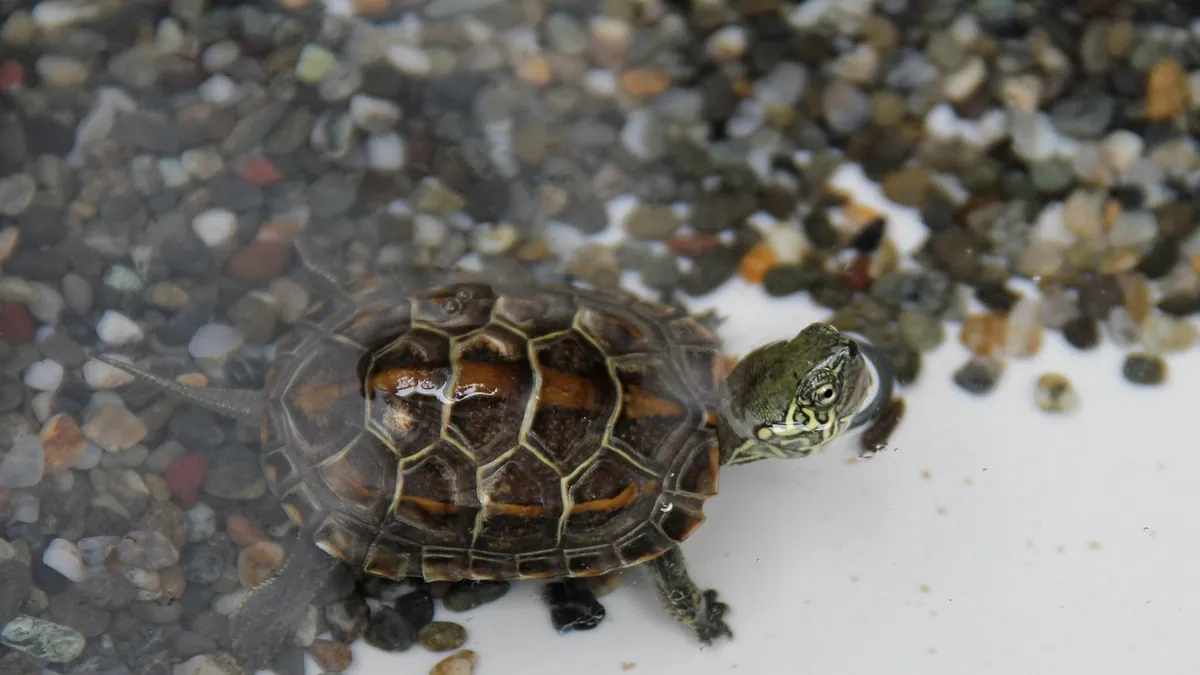
Yes, turtles carry diseases that can spread to people. The most common and best documented is Salmonella, which healthy-looking turtles can shed without ever appearing sick [1][2]. Turtles and tortoises do not carry rabies, so that particular worry does not apply to reptiles. This article is educational and is not a substitute for veterinary diagnosis or treatment.
Quick Answer
- Salmonella is the main zoonotic germ linked to pet turtles, and roughly 30% of reptiles tested worldwide carry it in their intestines [2].
- Turtles usually show no signs at all. They are silent carriers, so a healthy-looking shell and bright eyes do not mean the animal is germ-free [1][3].
- The shell and tank water are often more contaminated than the animal's stool, which means touching the turtle or its water is a real exposure route [1].
- Reptiles do not carry rabies, and there is no rabies risk from turtles, tortoises, snakes, or lizards [4].
- Handwashing after any contact, plus keeping turtles out of the kitchen and away from young children, is the core of prevention [5][6].
What "Zoonotic" Means for Turtle Owners
A zoonotic disease is an illness that can pass from animals to people [4]. When we ask "do turtles carry diseases," we are really asking whether the germs living quietly in a turtle's gut, on its shell, or in its water can make a human sick. For reptiles, the answer is yes, and the list is shorter than you might fear but more serious than many owners expect.
The headline germ is Salmonella, a bacterium that causes gastrointestinal illness in people [1]. Reptiles are recognized reservoirs of Salmonella, meaning the bacteria live in them naturally as part of their gut flora [2][3]. Other zoonotic organisms have been found in reptiles too, including Giardia and certain worm parasites [7]. These are less common but still worth knowing about.
Rabies deserves a direct answer because it comes up so often. Rabies is a virus spread through the saliva of infected mammals. Reptiles are not mammals, they do not carry rabies, and they cannot transmit it [4]. If you are bitten by a turtle, the concern is wound infection and tetanus, not rabies.
Do Turtles Carry Salmonella?
Yes. Salmonella is the single most important zoonotic germ associated with pet turtles and tortoises [6]. A large analysis of 179 studies covering more than 23,000 reptiles from 56 countries estimated that about 30.4% of reptiles carry Salmonella in their intestines [2]. That is roughly one in three animals, and most of them look completely normal.
A study of pet red-eared slider turtles found Salmonella in 58.3% of the animals tested [1]. Shell swabs were positive most often at 30.6%, followed by tank water at 28.6% and cloacal (vent) samples at 25.0% [1]. That pattern matters. It tells you the shell and the water are major sources of exposure, not just the droppings.
Reptiles shed Salmonella intermittently, which means a single negative test does not prove the animal is clear. Bearded dragons, for example, frequently carry Salmonella enterica without any signs of illness [3]. In one report, bearded dragons that did become sick developed serious internal disease, including enterocolitis, hepatitis, and pneumonia, but those cases are the exception [8].
Do Tortoises Carry Diseases?
Yes, tortoises carry the same categories of zoonotic germs as turtles. Salmonella is the primary concern, and chelonians as a group (turtles and tortoises) are specifically named as a growing source of human salmonellosis as their popularity as pets increases [6]. The illegal trade in turtles and tortoises adds to the problem because animals move through wet markets, pet shops, and homes without health screening [6].
Parasites are a second consideration. A survey of captive-bred and wild-caught reptiles found endoparasites in 21.1% of samples, with nematodes being most common [7]. Zoonotic genera including Giardia and Ophidascaris were identified [7]. Wild-caught tortoises are more likely to arrive with a parasite burden than captive-bred animals, so a veterinary check soon after purchase is wise.
Signs Owners Notice
The tricky part of reptile zoonoses is that your pet often looks fine. The signs you notice usually appear in the people in the household, not the turtle.
In people, Salmonella infection typically causes diarrhea, stomach cramps, fever, and sometimes vomiting. Most healthy adults recover without treatment, but the infection can become serious, especially in people with weakened immune systems [6]. Young children are at particular risk [6].
In turtles, signs of illness are vague and easy to miss. Watch for:
- Reduced appetite or refusing food
- Lethargy or staying in one spot
- Swollen or closed eyes
- Discharge from the nose or mouth
- Labored breathing or open-mouth breathing
- Shell softening, discoloration, or foul odor
- Abnormal droppings, diarrhea, or straining
Shell problems in particular can signal underlying infection or husbandry problems. If you notice changes to the shell, see Turtle Shell Diseases: Identification and Treatment.
Causes and Risk Factors
The cause of reptile-associated illness in people is contact with contaminated surfaces, water, or the animal itself. You do not have to touch the turtle directly to be exposed. Salmonella can be picked up from tank water, cage decor, feeding tongs, or a countertop where the turtle walked.
Risk factors that raise the chance of transmission include:
- Young children, older adults, and immunocompromised people in the home [6]
- Washing turtle items in the kitchen sink or bathtub
- Letting turtles roam free in living spaces
- Cleaning the tank without gloves
- Kissing or holding the turtle near your face
- Keeping the tank in a kitchen or food prep area
The table below summarizes the main zoonotic concerns for pet turtles and tortoises.
| Concern | Does it affect turtles? | Main route to people | Key prevention |
|---|---|---|---|
| Salmonella | Yes, very common [2] | Shell contact, tank water, droppings [1] | Handwashing, gloves, no kitchen contact |
| Giardia and worms | Yes, less common [7] | Fecal contamination of surfaces | Hygiene, veterinary fecal testing |
| Rabies | No [4] | Not applicable | None needed |
| Wound infection after bite | Possible | Bite breaks the skin | Clean wound, seek medical care |
How Zoonotic Risk Is Diagnosed
In people, diagnosis happens through a medical provider, not a veterinarian. If you develop diarrhea, fever, and cramps after handling a turtle or cleaning its tank, tell your doctor about the reptile contact. A stool sample can confirm Salmonella or other bacterial causes.
In turtles, diagnosis starts with a veterinary examination. Your veterinarian may recommend a fecal test to look for Salmonella and parasites [7]. Keep in mind that a negative fecal result does not guarantee the turtle is free of Salmonella, because shedding comes and goes. Testing is most useful when a turtle is showing signs of illness or when a new animal is being introduced to a household with high-risk people.
If your turtle is sick, your veterinarian may also recommend blood work or imaging depending on the signs. The diagnostic plan is tailored to the individual animal.
Treatment Options
Treatment depends on who is sick.
For people, most Salmonella infections are managed with fluids and rest. Antibiotics are reserved for severe cases or high-risk patients, and the decision belongs to a physician. This is one reason antibiotic resistance in reptile-associated Salmonella is taken seriously. Salmonella isolates from reptiles have shown antimicrobial resistance and multidrug resistance [9]. When antibiotics are needed, resistant strains can make treatment harder.
For turtles, treatment is different. Reptiles that carry Salmonella without signs are usually not treated with antibiotics, because antibiotics do not reliably clear the carrier state and can drive resistance. If your turtle has clinical illness, your veterinarian will decide on supportive care, fluids, warmth, and possibly other medications. Any drug dose must be calculated by your veterinarian based on your turtle's weight and health status.
Some researchers are exploring alternatives to antibiotics for reducing Salmonella in reptiles, including bacteriophages, which are viruses that attack bacteria [3]. This work is still experimental and is not a home treatment.
Recovery, Outlook, and Long-Term Management
For most healthy people, Salmonella illness resolves on its own within several days to a week. The outlook is good. People with weakened immune systems may have a longer or more complicated course, and they should seek medical care early [6].
For turtles, the carrier state is generally lifelong. Your turtle may shed Salmonella intermittently for years and still appear perfectly healthy [3]. That does not mean you cannot keep your pet. It means you manage the household to reduce exposure, the same way you would with any known carrier animal.
Long-term management looks like this:
- Designate a cleaning area away from food preparation
- Use dedicated buckets, sponges, and gloves for tank maintenance
- Wash hands for at least 20 seconds after any contact
- Supervise children around the tank and teach them not to put hands in their mouths
- Keep a separate set of clothes or an apron for tank cleaning if the tank is large
- Schedule routine veterinary checkups, especially for new animals
If you keep other exotic pets, the same principles apply. See Reptile Zoonotic Diseases: Risks and Prevention for Handlers for a broader look at reptile-specific risks.
Prevention
Prevention is the whole game with reptile zoonoses, and it is mostly about hygiene and household layout [5].
Wash your hands. This is the single most effective step. Wash well after touching your turtle, its tank, its water, or anything it uses [5].
Keep turtles out of the kitchen. Do not clean tanks, bowls, or decor in the kitchen sink or bathtub. Use a utility sink, outdoor hose, or dedicated basin.
Handle with gloves. Disposable gloves during tank cleaning reduce skin contact with contaminated water [1].
Do not kiss or nuzzle reptiles. Keep them away from your face and do not let them near food.
Manage high-risk household members. If someone in your home is immunocompromised, very young, or older, talk to your veterinarian about the risks before bringing a turtle home [5]. If your pet does get an infectious disease, keep it away from other pets and people when possible, and wash your hands after touching it or its belongings [5].
Clean and disinfect thoroughly. Clean areas where your pet spends time, and throw away items like bedding if they cannot be fully disinfected [5].
Buy responsibly. Check local and regional laws before getting an exotic pet, and talk to your vet about health risks [5]. Wild-caught animals carry a higher parasite burden than captive-bred ones [7].
Vaccinate other pets. Reptiles do not receive rabies vaccines, but your dogs, cats, and other mammals should stay current on their vaccines to prevent other zoonotic diseases in the home [5].
If you work with reptiles in therapy, classroom, or educational settings, the risk profile changes because more people handle the animal. See Zoonotic Disease Risk in Reptile-Assisted Therapy and Educational Programs for program-level guidance.
Limitations and When to Contact a Veterinarian
No article can assess your specific turtle or your household. Individual cases need a veterinarian who can examine the animal and review your setup.
Contact your veterinarian for a routine visit if:
- You just acquired a new turtle or tortoise
- Your turtle shows reduced appetite, lethargy, or shell changes
- You want fecal testing for parasites or Salmonella
- Someone in your home is immunocompromised and you want a risk assessment
Contact your veterinarian the same day if:
- Your turtle has labored breathing, open-mouth breathing, or nasal discharge
- There is blood in the droppings or the vent area looks abnormal
- Your turtle has not eaten for several days
- The shell has soft spots, a foul smell, or open wounds
Seek emergency veterinary care if your turtle is unresponsive, has prolapsed tissue, or has been attacked by another animal.
For the human side, contact a physician promptly if you or a family member develops bloody diarrhea, high fever, or signs of dehydration after reptile contact. Young children and immunocompromised people should be evaluated early [6].
Frequently Asked Questions
Can you get sick from a pet turtle?
Yes. The most common illness is salmonellosis, caused by Salmonella bacteria that turtles carry in their gut and shed in their droppings. You can also pick up the bacteria from the shell or tank water without direct handling [1]. Most healthy adults recover, but children and immunocompromised people can become seriously ill [6].
Do turtles carry rabies?
No. Rabies is a virus that infects mammals, and reptiles are not mammals, so turtles cannot carry or transmit it [4]. If a turtle bites you, clean the wound well and watch for signs of infection. Tetanus status is the medical concern, not rabies.
Can I get Salmonella from just touching the shell?
Yes, that is a real route. In one study of pet turtles, shell swabs were the most common positive sample, ahead of water and cloacal samples [1]. The shell acts as a surface that picks up bacteria from the environment and transfers them to your hands.
Should I get rid of my turtle if someone in the house is immunocompromised?
Not necessarily, but you should talk to your veterinarian and the person's doctor first. The risk is manageable with strict hygiene, but it is higher for immunocompromised people [6]. Some households decide the risk is not worth it, and that is a reasonable choice.
Can antibiotics cure Salmonella in my turtle?
Usually not, and that is why veterinarians rarely try. Antibiotics do not reliably clear the carrier state in reptiles and can promote resistance [9]. Treatment focuses on the sick animal's supportive care and on household hygiene to prevent human exposure.
Related Articles
- Reptile Zoonotic Diseases: Risks and Prevention for Handlers
- Zoonotic Disease Risk in Reptile-Assisted Therapy and Educational Programs
- Turtle Shell Diseases: Identification and Treatment
- Do Bearded Dragons Carry Salmonella? Risks and Prevention
- What Do Bearded Dragons Carry? Zoonotic Risks to Owners
- Do Leopard Geckos Carry Salmonella? Owner Safety Guide
- Zoonotic Risk: Can Humans Get Parasites from Pets? A Veterinary Public Health Perspective
References
- Animal-human interfaces and emerging zoonoses: Salmonella in pet turtles in Concepción, Chile. Frontiers in veterinary science, 2026.
- Salmonella prevalence and serovar distribution in reptiles: a systematic review and meta-analysis. Gut pathogens, 2025.
- Salmonella-specific phages from captive bearded dragons (Pogona vitticeps): temperate traits and temperature-dependent variability in inhibition across isolates. Journal of applied microbiology, 2026.
- Zoonotic Diseases - Public Health. Merck Veterinary Manual.
- Protecting Yourself From Zoonoses - Special Pet Topics. Merck Veterinary Manual.
- Reptile trade and chelonians-associated Salmonellosis in humans: A public health concern. Comparative immunology, microbiology and infectious diseases, 2025.
- A preliminary microscopic and molecular epidemiological survey of endoparasites within wild-caught and UK captive-bred reptiles: Assessing a potential parasitic disease public health risk?. International journal for parasitology. Parasites and wildlife, 2025.
- Pathological, Immunohistochemical, and Bacteriological Characterization of Salmonellosis in Bearded Dragons (Pogona vitticeps). Pathogens (Basel, Switzerland), 2026.
- Integrative phenotypic and functional genomic characterization of virulence and antimicrobial resistance in Salmonella enterica isolates from reptiles. Frontiers in microbiology, 2026.