Can Tortoises and Turtles Eat Watermelon? Safe Feeding
By Dr. Zubair Khalid, DVM, MS, PhD ·
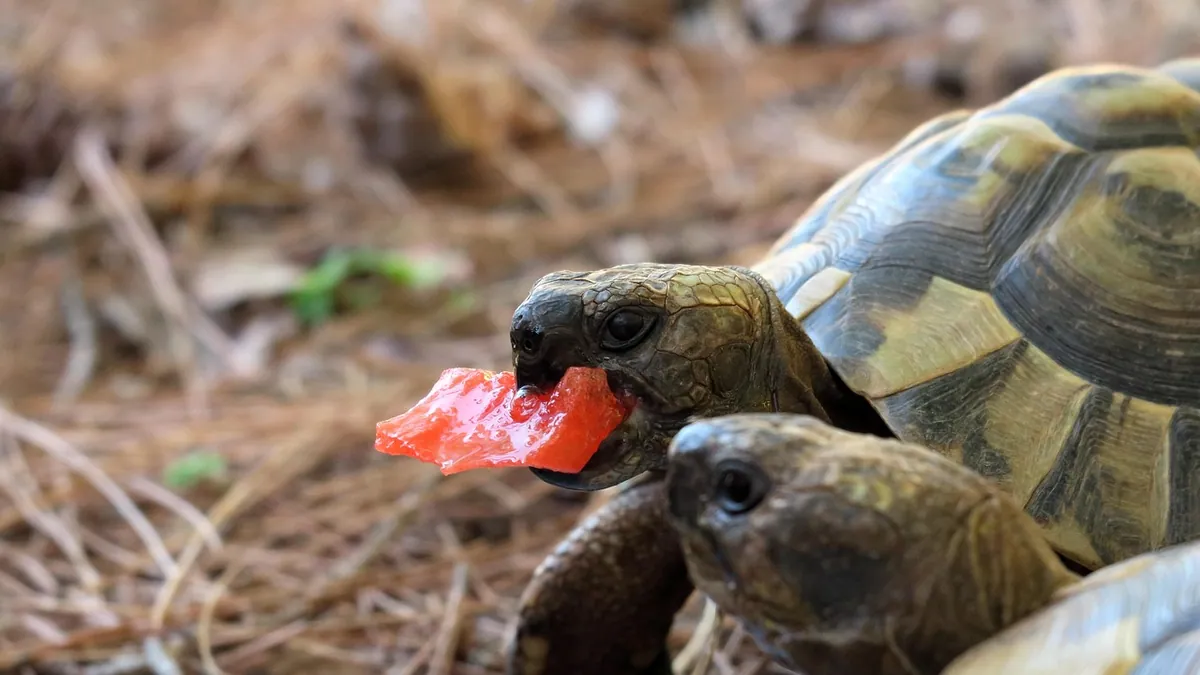
Watermelon is safe for most tortoises and turtles in small, occasional amounts. The flesh is mostly water and sugar, so it works as a rare treat and never as a meal. A few bites are plenty, and the rind and seeds need special handling. This article is educational and is not a substitute for veterinary diagnosis or treatment.
Quick Answer
- Flesh only, seedless, in a piece about the size of your reptile's head once every one to two weeks at most.
- Remove every seed. Seeds can block the gut, especially in smaller species.
- Rind is risky. It is hard to digest and may carry pesticide residue or choking hazards when cut in chunks.
- Watermelon is a treat, not a staple. Tortoises are herbivores that need high-fiber plant material for healthy gut function [1].
- If your pet eats a large amount, watch for diarrhea, lethargy, or straining, and call your veterinarian if signs last more than a day.
Can Tortoises Eat Watermelon? The Short Answer
Yes, tortoises can eat watermelon flesh in small amounts. It is not toxic to them. The problem is what watermelon is not. It is low in fiber, high in sugar and water, and almost empty of the calcium and protein that tortoises need from leafy greens and other plant material.
Tortoises are herbivorous and must consume plant material to maintain healthy gut physiology [1]. Their natural diets rely on microbial fermentation of plant fiber, which can be a major nutrient source [1]. A sugary fruit does not support that fermentation the way fibrous greens do. Think of watermelon as a birthday cake slice, not a salad.
Some tortoises do enjoy it. Red-footed tortoises are known to anticipate fruit availability and adjust their foraging around it, which tells you fruit is rewarding to them [2]. That eagerness is exactly why owners need to control the portion.
Can Turtles Eat Watermelon?
Many freshwater turtles eat mostly animal matter but also consume some plant material, and some species shift toward omnivory or herbivory as they age [3]. For those turtles, a small piece of watermelon flesh is fine as an occasional treat.
Aquatic turtles are not strict carnivores because they eat at least some plant material [3]. Commercial turtle diets often contain 30 to 50 percent protein, and omnivorous species benefit from added fruits or vegetables [3]. Watermelon can be part of that fruit addition, but it should stay a small part.
Do turtles like watermelon? Many do. The sweetness and soft texture make it easy to eat, and aquatic turtles often accept fruit readily. Do tortoises like watermelon? Most will eat it if offered, and some will seek it out. Liking it does not mean it is good for them in quantity.
Nutritional Value and Real Benefits
Watermelon is roughly 90 percent water, which makes it a mild hydration aid on a hot day. That is its main practical benefit. It also provides a small amount of vitamin A and vitamin C.
That is where the benefits end. Watermelon is high in sugar and low in fiber and calcium. A tortoise diet built on fruit can lead to loose stool, weight problems, and long-term nutritional gaps. The fiber in a proper diet supports digestion and fermentation in the hindgut [1]. Watermelon does not replace that fiber.
For a genuinely useful treat, offer dark leafy greens, weeds, and grasses as the base of the diet, with fruit as a rare extra.
Risks of Feeding Watermelon
Sugar and digestive upset
Too much watermelon can cause diarrhea, bloating, and soft stool. In red-footed tortoises, diet composition affects digestibility, fecal quality, and fermentation products in the gut [4]. A sudden load of sugar and water can shift that balance and cause loose droppings.
Choking and impaction
Seeds are the biggest physical hazard. Swallowed seeds can lodge in the mouth or throat, and in small tortoises and turtles they can contribute to intestinal blockage. Remove every seed, including the small white ones in seedless varieties.
Hard rind chunks are another choking risk, especially for hatchlings and juveniles. Rind is tough and fibrous in a way that is hard for many reptiles to chew and break down.
Pesticides and additives
Rind carries the highest pesticide residue risk because it is the outer surface. Wash fruit thoroughly, or better, avoid feeding the rind at all.
Never feed watermelon that has been prepared with xylitol, salt, garlic, onion, or artificial sweeteners. Xylitol is dangerous to many animals, and garlic and onion can damage red blood cells. Flavored or salted watermelon products are not appropriate for reptiles.
Can tortoises eat the green part of a watermelon?
The green skin and the white inner rind are not recommended. They are hard to digest, low in nutrition, and carry pesticide residue on the outer surface. A tiny sliver of white rind is unlikely to cause harm in a large tortoise, but there is no benefit and real choking risk in small ones. Skip it.
Form | Safe? | Notes
| Form | Safe? | Notes |
|---|---|---|
| Red flesh, seedless, small piece | Yes, occasionally | Head-sized portion or less, every 1 to 2 weeks |
| Flesh with seeds | No | Remove all seeds to prevent choking and blockage |
| White inner rind | Not recommended | Hard to digest, no real benefit |
| Green outer skin | No | Pesticide residue and choking risk |
| Rind cut into chunks | No | Tough, hard to chew, impaction risk |
| Juice or smoothie | No | Concentrated sugar, no fiber |
| Watermelon with xylitol, salt, garlic, or onion | No | Additives can be toxic |
| Frozen watermelon cube | Sometimes | Only for healthy adults, small pieces, never for small species |
How to Offer Watermelon Safely
- Choose a ripe, seedless watermelon and wash the outside well.
- Cut a piece of red flesh only, about the size of your reptile's head.
- Remove every seed and any rind.
- Cut it into bite-sized pieces suited to your species. Small tortoises and turtles need very small pieces.
- Offer it on a clean dish, separate from the main meal.
- Remove leftovers within a few hours so they do not spoil.
- Limit frequency to once every one to two weeks, or less.
For small tortoises, feed smaller portions more often, since small animals use plant fiber differently than large ones [1]. For aquatic turtles, place the piece in the water or on a feeding ledge where you can remove what is not eaten.
If you also keep mammals, the rules differ by species. Dogs handle watermelon differently than cats, and the portion math changes. See Can Dogs Eat Watermelon? Safe Portions, Rind and Seed Risks and Can Cats Eat Watermelon? Hydration & Seed Hazards for those species.
What to Do If Your Pet Ate Too Much
If your tortoise or turtle ate a large amount of flesh, do not panic. Remove any remaining fruit and offer fresh water. Watch for diarrhea, bloating, lethargy, or straining over the next 24 to 48 hours.
If your pet ate seeds, rind, or watermelon prepared with xylitol, salt, garlic, or onion, call your veterinarian or a pet poison control hotline right away. Bring the packaging or a photo of what was eaten if you can.
Signs that need same-day attention include repeated vomiting, a swollen or hard abdomen, straining with no stool, or refusing food for more than a day. These can point to impaction or serious digestive upset.
Safer Alternatives
Better treats for tortoises include dark leafy greens, dandelion greens, endive, and small amounts of grated carrot or squash. These give fiber and calcium without the sugar load.
For omnivorous turtles, small amounts of leafy greens, aquatic plants, and occasional fruit like melon or berries work well alongside a balanced commercial diet [3]. Insects and other animal matter remain important for many species.
If you want to offer fruit, keep it to a small piece and rotate among options. A little variety is fine. A fruit-heavy diet is not.
Limitations and When to Contact a Veterinarian
This guidance covers general watermelon safety. It cannot account for your pet's species, size, age, or health conditions. Individual cases need a veterinarian who can examine your animal and review its diet.
Call your veterinarian the same day if your tortoise or turtle shows diarrhea lasting more than 24 hours, bloating, straining, or a sudden drop in appetite after eating watermelon.
Go to an emergency clinic now if your pet is gasping, has a swollen or rigid abdomen, is passing no stool, is vomiting repeatedly, or is unresponsive. These signs can indicate a blockage or serious illness.
Schedule a routine visit if you are unsure whether your current diet meets your reptile's needs. A veterinarian can help you build a balanced plan with the right fiber, calcium, and protein levels for your species.
Frequently Asked Questions
Can tortoises eat watermelon every day?
No, watermelon should not be a daily food. It is high in sugar and low in fiber, so daily feeding can cause digestive upset and nutritional gaps. Offer it as a rare treat, no more than once every one to two weeks.
Do tortoises like watermelon?
Many tortoises eat watermelon eagerly because of its sweetness and soft texture. Red-footed tortoises can learn to predict when fruit will be available, which shows how motivating fruit is to them. Liking it does not change the fact that it should stay a small, occasional treat.
Can turtles eat watermelon rind?
Rind is not recommended for turtles. It is tough, hard to digest, and may carry pesticide residue on the outer surface. Stick to small pieces of red flesh with all seeds removed.
What happens if a tortoise eats watermelon seeds?
Seeds can lodge in the mouth or throat and may contribute to intestinal blockage, especially in small species. If your tortoise ate seeds, watch closely for straining, bloating, or appetite loss. Call your veterinarian if any of those signs appear.
Is watermelon good for hydration in reptiles?
Watermelon is mostly water, so it can add a little moisture to the diet on a hot day. It is not a substitute for clean drinking water or a proper soaking routine. Always provide fresh water and keep the fruit portion small.
Related Articles
- Russian Tortoise Diet Guide
- Can Turtles and Tortoises Eat Tomatoes? Fruit and Leaves
- Can Tortoises and Turtles Eat Apples? Seeds and Sugar
- Can Tortoises and Turtles Eat Carrots? Sugar and Calcium
References
- Nutrition in Tortoises - Management and Nutrition. Merck Veterinary Manual.
- Anticipation of cyclical resource availability in the red-footed tortoise (Chelonoidis carbonaria): Implications for seed dispersal. Learning & behavior, 2026.
- Nutrition in Turtles - Management and Nutrition. Merck Veterinary Manual.
- Effects of fibre, starch and fat intake on gastrointestinal transit time, digestibility, and microbial fermentation products in red-footed tortoise (Chelonoidis carbonaria). Archives of animal nutrition, 2025.