How Long Should a Bearded Dragon Bask? Lighting Basics
By Dr. Zubair Khalid, DVM, MS, PhD ·
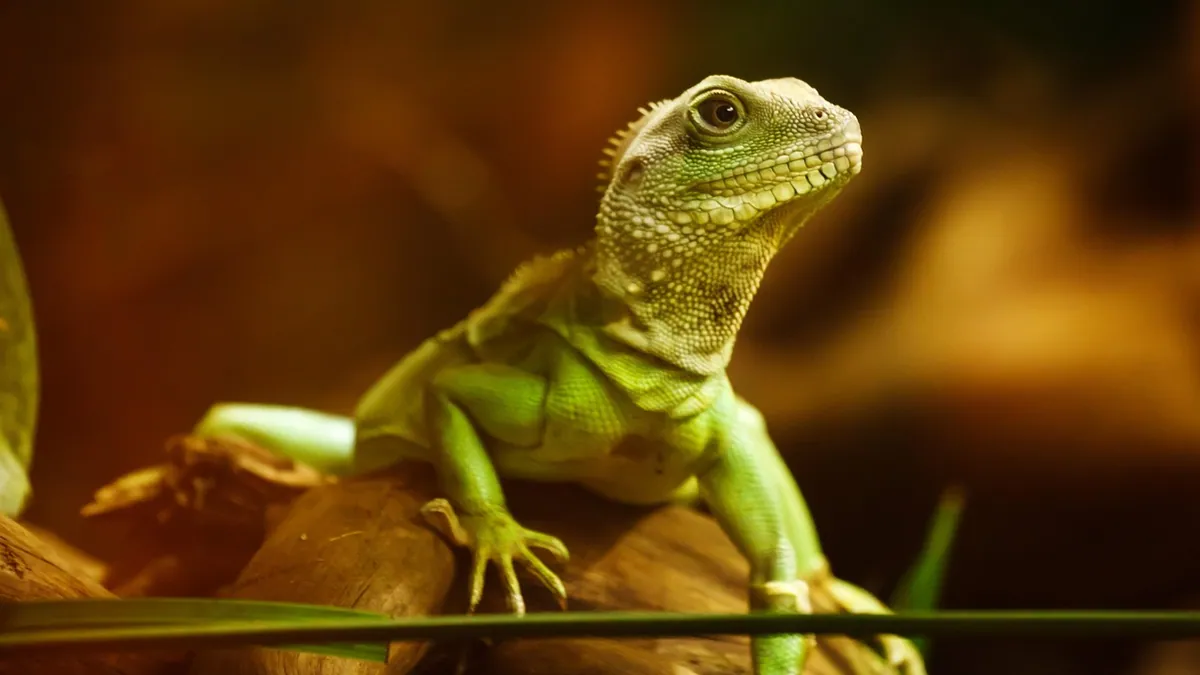
Bearded dragons typically bask for about 2 to 4 hours a day, usually in a few sessions, with the longest stretch in the morning after waking. That number is not a strict rule. How long do bearded dragons bask depends on their age, the temperature gradient in the enclosure, and whether they are digesting a meal or getting ready to shed.
This article is educational and is not a substitute for veterinary diagnosis or treatment.
Quick Answer
- A healthy adult usually basks 2 to 4 hours total per day, often split into a morning session and a shorter afternoon session.
- Babies and juveniles bask longer and more often because they are growing and digesting frequent meals.
- Your dragon should be able to choose its own temperature. A proper gradient lets it move from a hot basking spot to a cooler zone whenever it wants.
- Basking drives digestion and helps the skin make vitamin D3, which supports calcium use. UVB exposure raised both calcium and ionized calcium levels in a controlled study of young bearded dragons [1].
- A dragon that stops basking, hides all day, or never leaves the cool side is telling you something is wrong with the setup or its health.
Why Basking Matters for Digestion and Health
Basking is not laziness. It is how a bearded dragon runs its body.
Reptiles are ectotherms, which means they rely on outside heat to reach the body temperature their organs need. Digestion, immune function, and healing all speed up when the body is warm enough. A dragon that cannot warm up properly will eat less, digest poorly, and lose condition over time.
Light matters as much as heat. When UVB reaches the skin, the body uses it to make vitamin D3, and vitamin D3 is what allows calcium from food to be absorbed and used. In a study of young bearded dragons, animals exposed to UVB had higher blood calcium and ionized calcium than those without it [1]. That is the same calcium your dragon needs for strong bones, normal nerve function, and healthy muscle movement.
This is why a basking light and a UVB light are two different jobs. A heat lamp warms the body. A UVB lamp supports vitamin D3 production. You need both, positioned so your dragon gets them at the same time while it basks. If you are still sorting out the lighting side, start with this guide on whether bearded dragons need UVB light.
How Long Do Bearded Dragons Need to Bask? A Practical Schedule
There is no timer you can set and forget. Watch your dragon instead.
Step-by-step guidance
- Set the lights on a consistent daily cycle, roughly 12 hours on and 12 hours off. A steady light schedule gives your dragon a predictable routine.
- Turn the heat and UVB lamps on together in the morning. Many dragons bask within the first hour of lights on.
- Give your dragon a basking spot it can fully flatten out on. The whole body should fit under the beam, not just the head.
- Offer a clear temperature gradient so the dragon can cool down. It should be able to move from the hot zone to a much cooler zone without leaving the enclosure.
- Feed in the morning or early afternoon so there is plenty of light left for digestion. A large meal right before lights out gives the dragon no time to bask.
- Let the dragon decide. If it basks for 3 hours and then moves to the cool side, that is normal. If it never basks, check your temperatures and bulbs.
A sample daily rhythm
| Time of day | What usually happens | What you should do |
|---|---|---|
| Lights on | Dragon wakes, may be sluggish | Confirm heat and UVB are both on |
| First 1 to 2 hours | Long basking session, often after a meal | Leave it alone, let it warm up |
| Midday | Moves between hot and cool zones | Check that the gradient feels right |
| Afternoon | Shorter basking bouts, may explore | Offer food if it is a feeding day |
| Evening | Moves to the cool side, settles | Keep handling calm and brief |
| Lights off | Sleep | No lights overnight, including colored bulbs |
What changes basking time
Age is a big factor. Juveniles eat more often and grow fast, so they bask more. Older adults may bask less, especially if they are healthy and well fed.
Digestion is another factor. After a big meal, expect a longer session. After a shed, some dragons bask more to loosen skin. A female carrying eggs may bask heavily for days.
Season and health also matter. A dragon that is slowing down for winter may bask less. A sick dragon may bask constantly or not at all, and both are worth a call to your vet.
Setting Up the Basking Zone Correctly
The setup decides whether basking works. Get these pieces right and the behavior usually follows.
Temperature gradient
You want a warm end and a cool end, with a range in between. Your dragon self-regulates by moving along that range. If the whole enclosure is one temperature, the dragon has no control, and that is when problems start.
Measure with a digital thermometer or an infrared gun, not a stick-on dial. Check the surface of the basking spot, not just the air. Recheck whenever you change a bulb or the room temperature shifts with the seasons.
UVB placement
The UVB bulb should overlap the basking area so your dragon gets heat and UVB at once. Replace bulbs on the schedule the manufacturer gives, because UVB output drops over time even when the bulb still glows.
Be careful about which UVB product you choose. A spectral analysis of UVB-emitting LED lamps sold for reptiles found that all the tested lamps had spectra quite different from natural sunlight, and some emitted short-wavelength radiation linked to eye irritation [2]. The same analysis raised concerns about overproduction of vitamin D because these lamps lacked output in the range that normally helps the skin self-regulate [2]. If you use LED UVB, follow the maker's mounting distance and exposure guidance closely, and watch your dragon for eye or skin changes.
Basking platform and enclosure size
The platform should be wide enough for the whole body and rough enough for a secure grip. Height matters too, since it sets the distance to the bulb. For more on platforms, substrate, and rigging lights safely, see this guide to bearded dragon enclosure sizing and lighting rigging.
Hydration and bathing
Basking dries a dragon out. Offer fresh water and consider occasional soaks, especially if your dragon looks dull or is shedding. Here is how to give a bearded dragon a bath safely.
Signs Something Is Wrong
Basking behavior is one of the best early warning systems you have. Watch for these changes.
- No basking at all for more than a day or two
- Basking nonstop and never using the cool side
- Hiding in the cool zone for most of the day
- Eyes squinting, swelling, or staying closed
- Refusing food for more than a few days
- Weakness, trembling, or trouble gripping the platform
- Soft jaw or curved spine, which can point to calcium and vitamin D problems
- Diarrhea, bloating, or a dragon that seems to strain
Some of these are setup problems. Some are medical. You cannot always tell the difference from the outside, so a veterinary visit is the safest move when behavior changes last more than a day or two.
Common Mistakes Owners Make
Using one thermometer in the middle of the tank. That tells you almost nothing. You need readings at the basking spot and at the cool end.
Assuming a bright bulb means UVB is working. UVB output fades with age. Track the install date and replace on schedule.
Skipping the cool zone. Without a cool area, your dragon cannot regulate its temperature and may overheat.
Feeding right before lights out. Your dragon needs light and heat to digest. Late meals sit in the gut.
Handling during the morning bask. That first long session is when your dragon warms up for the day. Let it finish.
Ignoring a dragon that suddenly basks all day. Constant basking can mean the enclosure is too cool, or it can mean the dragon feels unwell. Check temperatures first, then call your vet if nothing changes.
Mixing species or crowding. Competition for the best basking spot causes stress and can keep a lower-ranking animal from warming up at all.
Supplies and Setup Details That Matter
A few items do most of the work.
- A heat lamp with a dome fixture rated for the wattage you use
- A UVB tube or bulb sized to the enclosure, mounted at the correct distance
- A digital thermometer or infrared temperature gun
- A wide, textured basking platform
- A timer for the light cycle
- A hide on the cool side so your dragon can retreat
For a full walkthrough of enclosure size, heating, and layout, read this bearded dragon enclosure setup guide. If you are planning long term, this article on bearded dragon lifespan explains how husbandry choices affect how many years you get with your pet.
One more point on supplements. A study of young bearded dragons given different dietary supplements found that UVB exposure, not supplements alone, was what raised blood calcium levels [1]. Supplements have a place, but they do not replace proper lighting. Ask your veterinarian what your individual dragon needs, since the right amount depends on diet, age, and health.
Limitations and When to Contact a Veterinarian
This article gives general guidance. Every dragon is an individual, and individual cases need a veterinarian who can examine your pet, review your setup, and run tests if needed.
Call your veterinarian the same day if your dragon:
- Has not basked or eaten in 48 hours
- Shows a new head tilt, tremor, or trouble walking
- Has swollen or closed eyes
- Has a soft or rubbery jaw
- Has bloody or unusually foul stool
Go to an emergency clinic now if your dragon:
- Is limp, unresponsive, or cannot right itself
- Has labored breathing or an open mouth gasp while resting
- Has a prolapse, a severe burn, or a deep wound
- May have eaten something toxic or swallowed an object
Book a routine visit if your dragon is eating and moving normally but you cannot get the temperatures or UVB right, or if you are unsure whether the setup meets its needs. A veterinary exam plus a review of your lighting schedule solves most basking problems faster than guesswork.
Frequently Asked Questions
Do baby bearded dragons bask longer than adults?
Yes, babies and juveniles usually bask more than adults. They eat more often and grow quickly, so they need more time at the warm spot to digest and use calcium. Expect a young dragon to spend a larger share of its day under the heat and UVB.
Should I turn the basking light off at night?
Yes, turn it off. Bearded dragons need a dark, cool period to sleep well. If your room gets cold at night, use a ceramic heat emitter that produces no light, and keep it on a thermostat.
What if my bearded dragon never uses the cool side?
That usually means the cool side is not cool enough, or the enclosure is too small to create a real gradient. Check the surface temperature at both ends with a digital thermometer. If the cool end reads close to the warm end, adjust the setup.
Can my dragon get too much UVB?
It is possible with some lamp types. A spectral analysis of UVB-emitting LED lamps found that all tested models differed substantially from natural sunlight, and some emitted short-wavelength radiation associated with eye irritation [2]. The same analysis raised a concern about excess vitamin D because these lamps lacked the wavelength range that normally helps the skin regulate production [2]. Follow mounting instructions and watch for eye or skin changes.
Does basking help with shedding?
Yes, warmth helps loosen shed skin and supports normal shedding. A dragon that is about to shed often basks more and may rub against rough surfaces. If shed skin stays stuck around the toes, tail tip, or eyes, contact your veterinarian.
Related Articles
- Comprehensive Bearded Dragon Enclosure Sizing: Substrates, Basking Platforms, and Lighting Rigging
- How to Give a Bearded Dragon a Bath
- Bearded Dragon Enclosure Setup, Sizing, and Heating
- Bearded Dragon Lifespan: What to Expect and How to Maximize It
- Do Bearded Dragons Need UVB Light?
- Bearded Dragon Lifespan and Common Health Problems
- Why Is My Bearded Dragon Opening Its Mouth While Basking?
- Why Is My Bearded Dragon Hiding and Not Basking?
- Is It Normal for Bearded Dragons to Sleep During the Day?
References
- Effect of different dietary supplements on the growth and blood parameters of bearded dragons (Pogona vitticeps). Acta veterinaria Hungarica, 2026.
- UVB-emitting LEDs for reptile lighting: Identifying the risks of nonsolar UV spectra. Zoo biology, 2024.