Why Does My Bearded Dragon Poop on Me? Causes and Fixes
By Dr. Zubair Khalid, DVM, MS, PhD ·
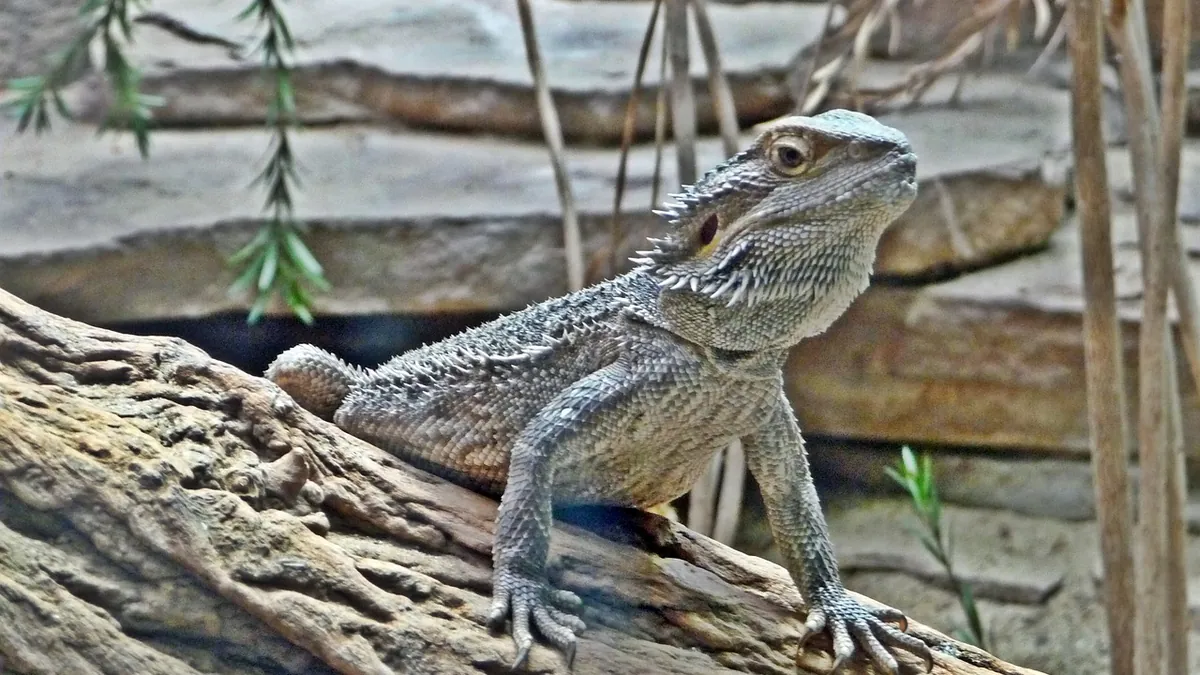
Why does my bearded dragon always poop on me? Most of the time, it is not personal. Handling raises activity and stress, and a warm lap or hand often triggers the urge to go. Some dragons also learn that pooping ends the handling session, so the behavior repeats.
This article is educational and is not a substitute for veterinary diagnosis or treatment.
Quick Answer
- Bearded dragons often defecate during handling because being picked up increases activity, body temperature, and stress, all of which can stimulate a bowel movement.
- A dragon that poops the moment you pick it up may simply have a full colon, especially if it has not defecated in its enclosure that day.
- Some dragons learn that pooping gets them put back down, so the behavior can become a habit if you always end handling right after an accident.
- Sudden changes in stool frequency, consistency, or color, or straining with no stool, point to a health problem and need a veterinary visit.
- You can reduce accidents by timing handling after a normal bowel movement, keeping sessions short, and using a towel or easy-to-clean surface.
Why Does My Bearded Dragon Poop on Me? Normal Reasons First
Handling Stress and Arousal
Reptiles are sensitive to handling, and routine procedures like being picked up can act as a stressor [1]. Stress affects the gut. When a bearded dragon is nervous, gut motility can increase, and the colon may empty. That is one reason a dragon that seems perfectly calm in its tank may poop within a minute or two of being held.
Your dragon may also be more active when you hold it. Movement, climbing on your arm, and a change in temperature all stimulate the body. A full colon plus a little activity often equals an accident.
Timing and a Full Colon
Many bearded dragons have a predictable bathroom schedule. If you handle yours before it has had its daily bowel movement, you are holding a dragon with a loaded colon. The odds of an accident go up sharply.
Watch for a pattern. If your dragon poops on you at roughly the same time each day, you are probably handling it right before its normal defecation time.
Warmth Speeds Up Digestion
Your body heat warms your dragon. Warmer temperatures support digestion and gut movement. A dragon that has been basking and eating well may be ready to go, and your warm hand or lap can be the final nudge.
Learning and Association
Bearded dragons can learn simple associations. If every time it poops on you, you put it back in the enclosure, it may connect pooping with getting what it wants. This is not spite or revenge. It is basic learning. Over time, the behavior can become a habit, which is why owners often ask why their bearded dragon keeps pooping on them.
Scent and Marking
Reptiles use feces and scent cues in their environment. A dragon may defecate on a surface that smells familiar or that it has used before. If you always hold your dragon in the same chair or on the same towel, that spot may become a learned bathroom area.
Medical Causes to Rule Out
Not every accident is behavioral. Several health problems can increase defecation frequency or make a dragon unable to hold its stool.
Gastrointestinal Parasites
Parasites such as pinworms (oxyurids) are common in captive reptiles. Stress and husbandry changes can affect parasite loads. In one study, a change in diet or housing alone had no effect on fecal parasite load, but both changes combined did increase parasite load [1]. That matters for you because moving a dragon to a new home, changing its food, or frequent handling during a transition can add up. A fecal exam at your veterinarian can check for parasites.
Impaction and Constipation
If your dragon is straining, passing small amounts, or not passing stool at all, impaction is a concern. Impaction can cause discomfort and abnormal defecation. Learn the warning signs in our guide to bearded dragon impaction.
Diet and Hydration Problems
A diet that is too low in fiber, too high in certain foods, or low in water can change stool quality and frequency. Dehydration makes stool dry and harder to pass. Soaking can help some dragons, and you can read how in our article on how to give a bearded dragon a bath.
Infection or Inflammation
Bacterial, viral, or inflammatory conditions in the gut can cause frequent, loose, or bloody stool. A chronic abscess near the cloaca is also possible in reptiles, and in one sea turtle case the mass required surgical removal after three years [2]. While that case involved a different species, it shows that chronic masses near the vent can occur and need veterinary evaluation.
Environmental Stressors
Housing and cleaning practices affect reptile welfare. In one study, snakes housed on newspaper were less likely to eat, had lower fecal quality, and showed higher stress hormones in feces and shed skin compared with snakes on mulch [3]. Substrate and cleaning routines matter for stool quality and stress. If your dragon's enclosure is bare, dirty, or too small, its gut and behavior can suffer.
Hormones and Individual Variation
Stress hormones affect reptile health. In one study, hatchling caimans with higher corticosterone levels had lower body condition [4]. Chronic stress can affect appetite, digestion, and defecation. Male snakes in one study were more likely to defecate and had shorter intervals between defecations than females [3]. Individual and sex-based differences exist in reptiles, so your dragon may simply have a more active gut than another dragon.
When Pooping on You Becomes a Problem
An occasional accident during handling is common and usually harmless. It becomes a problem when:
- It happens every single time you hold your dragon, even right after a normal bowel movement.
- Your dragon shows signs of pain, straining, or discomfort.
- Stool consistency, color, or smell changes suddenly.
- Your dragon stops eating, loses weight, or becomes lethargic.
- You cannot handle your dragon at all without a mess, which affects bonding and routine care.
If any of these apply, the behavior may be a symptom, not a habit.
What to Do Step by Step
Step 1: Track the Pattern
Keep a simple log for two weeks. Note the time of day, what your dragon ate, when it basked, when it defecated, and when you handled it. Patterns reveal whether you are handling at the wrong time or whether something medical is going on.
Step 2: Time Handling After a Bowel Movement
If your dragon usually poops in the morning after basking, wait until after that. Handling a dragon with an empty colon greatly reduces accidents. This single change solves the problem for many owners.
Step 3: Keep Sessions Short and Calm
Start with short handling sessions, a few minutes at a time. Support the body and legs. Avoid sudden movements or passing your dragon between people. Calm, brief sessions build tolerance.
Step 4: Use a Predictable Surface
Hold your dragon over a towel, a easy-to-clean mat, or in a shallow bin for the first few minutes. If an accident happens, cleanup is simple and you do not reinforce a specific piece of furniture as a bathroom spot.
Step 5: Do Not End Handling Immediately After an Accident
This is the hardest step. If you put your dragon back the second it poops, you may teach it that pooping ends handling. Clean up calmly, wait a short moment, then return it to the enclosure. Keep the ending neutral.
Step 6: Improve the Enclosure
Check temperature, humidity, substrate, and cleaning schedule. A more natural substrate and regular cleaning can support better welfare and stool quality [3]. Provide a proper basking area and enough space to move.
Step 7: Support Digestion
Offer a balanced diet with appropriate fiber and hydration. Soaking in shallow, warm water can help some dragons pass stool. Our guide on how to give a bearded dragon a bath covers safe soaking.
Step 8: Get a Fecal Exam
If accidents continue despite good timing and husbandry, bring a fresh stool sample to your veterinarian. Parasites and other gut problems are common and treatable.
What Not to Do
Do Not Punish Your Dragon
Never yell at, tap, or punish a bearded dragon for pooping on you. Reptiles do not learn from punishment the way mammals do. Punishment increases stress, and stress can make the problem worse.
Do Not Assume It Is Spite
Bearded dragons do not plan revenge. They are responding to body signals, stress, or learned associations. Treating the behavior as a personal attack leads to frustration and poor care.
Do Not Withhold Food or Water
Some owners try to control accidents by limiting food or water. This is dangerous. Dehydration and poor nutrition cause serious health problems. Never restrict water.
Do Not Skip Veterinary Care
If you see blood, parasites, weight loss, or straining, do not wait. Gut problems can worsen quickly in reptiles.
Do Not Rely on Myths
You may hear that a dragon poops on you to "mark territory" or because it "hates" you. There is no evidence for these claims. Focus on stress reduction, timing, and health checks.
When to Involve a Veterinarian or Behavior Professional
Call a veterinarian who treats reptiles if:
- Your dragon has not defecated in several days and is straining or bloated.
- Stool is bloody, black, or unusually foul.
- Your dragon is losing weight, not eating, or acting lethargic.
- You see worms or unusual material in the stool.
- The behavior started suddenly after months of normal handling.
A certified behavior professional can help if medical causes are ruled out and the behavior persists. Look for someone with reptile experience.
Limitations and When to Contact a Veterinarian
This article gives general information. Individual cases need a veterinarian who can examine your dragon, review its history, and run tests.
Contact a veterinarian the same day if your dragon:
- Strains to defecate with no stool produced.
- Has a swollen or painful belly.
- Passes stool with blood or mucus.
- Stops eating or drinking.
- Becomes suddenly lethargic.
Seek emergency care now if your dragon:
- Collapses or cannot right itself.
- Has trouble breathing.
- Has a prolapse (tissue protruding from the vent).
- Shows severe weakness or unresponsiveness.
Schedule a routine visit if:
- Accidents during handling continue despite timing changes.
- You notice a gradual change in stool frequency or consistency.
- You want a fecal exam and a husbandry review.
For poisoning concerns, contact the ASPCA Animal Poison Control Center at (888) 426-4435 or the Pet Poison Helpline at (855) 764-7661. These numbers are for animal poison emergencies.
Frequently Asked Questions
Why does my bearded dragon only poop on me?
Your dragon likely associates handling with a full colon and a warm, active body. If it only poops on you, the trigger is probably the handling itself, not a medical problem. Try handling after it has already defecated in its enclosure.
Is it normal for a bearded dragon to poop when picked up?
Yes, it is common. Being picked up increases activity and stress, and both can stimulate a bowel movement. A dragon with a full colon may go within minutes of being held.
Can stress cause my bearded dragon to poop more often?
Stress can affect gut motility and stool quality. In one study, snakes on newspaper substrate had lower fecal quality and higher stress hormones than snakes on mulch [3]. Reducing stressors in the enclosure and during handling may help.
How do I stop my bearded dragon from pooping on me?
Time handling after a normal bowel movement, keep sessions short, and do not put your dragon back immediately after an accident. Track the pattern for two weeks. If it continues, get a fecal exam to rule out parasites.
When should I worry about my bearded dragon's poop?
Worry if you see blood, black stool, straining with no stool, weight loss, or a sudden change in frequency. These signs point to a health problem, not a behavior issue. Contact a reptile veterinarian promptly.
Does my bearded dragon poop on me because it hates me?
No. Bearded dragons do not experience hate or spite toward owners. The behavior comes from body signals, stress, or simple learning. Punishment will not help and can make things worse.
Related Articles
- Healthy Bearded Dragon Poop: A Veterinary Observation Guide
- Bearded Dragon Impaction: Signs, Causes, and Veterinary Care
- How to Give a Bearded Dragon a Bath
- Bearded Dragon Lifespan and Common Health Problems
- Why Is My Bearded Dragon Not Pooping?
- Bearded Dragon Runny Poop: Causes and When to Worry
- Do Bearded Dragons Pee? Urination and Poop Frequency
References
- Changes in housing and diet combined increase fecal oxyurid load in captive tokay geckos. PeerJ, 2026.
- Successful Surgical Excision of a Chronic Abscess in a Hawksbill Turtle (Eretmochelys imbricata): A Case Report. Veterinary sciences, 2025.
- Effects of Substrate Provision and Associated Cleaning Practices on Welfare Indicators in Eastern Long-Nosed Vipers (Vipera ammodytes meridionalis) During Growth and Development. Zoo biology, 2025.
- Embryonic exposure to mercury contamination is associated with elevated corticosterone and lower body condition in wild Smooth-fronted caiman hatchlings. Environmental research, 2026.