Bearded Dragon Not Opening Its Eyes: Causes and Care
By Dr. Zubair Khalid, DVM, MS, PhD ·
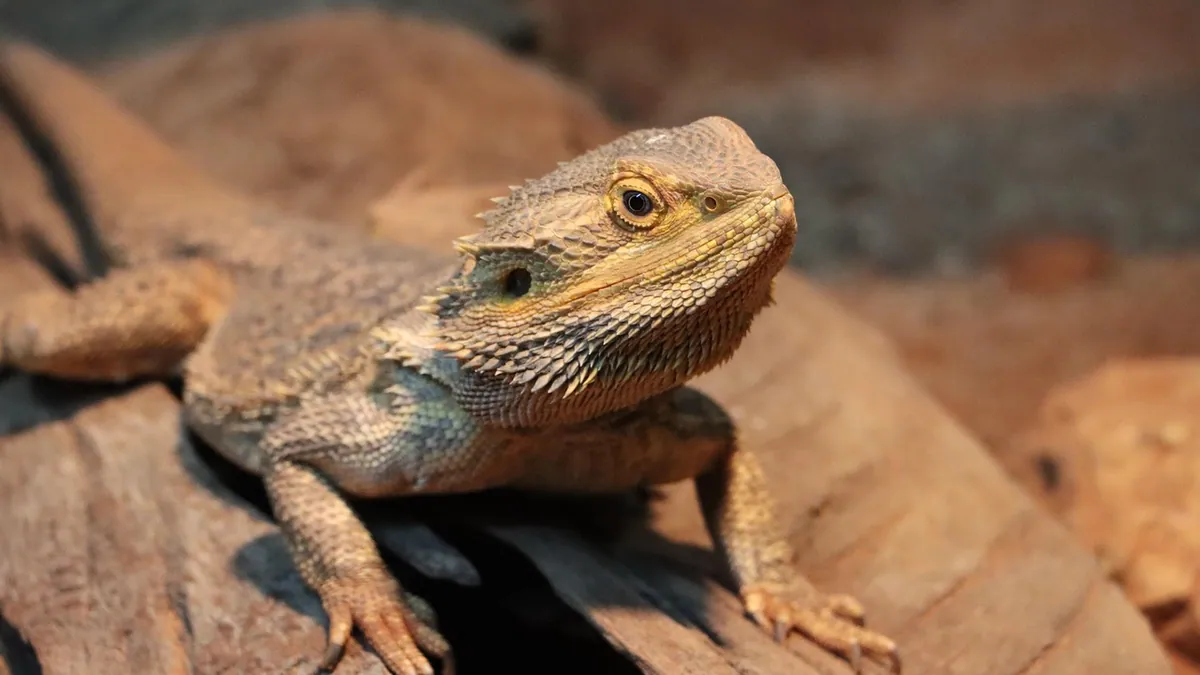
A bearded dragon not opening its eyes is usually a sign of an underlying problem, not a behavior. The most common causes are vitamin A deficiency, eye or respiratory infection, and retained shed around the eyelids. Some cases are mild and resolve with habitat and diet fixes, but others need veterinary care quickly.
This article is educational and is not a substitute for veterinary diagnosis or treatment.
Quick Answer
- Closed eyes that last more than a day or two, or that come with swelling, crusting, or discharge, are not normal and need a vet visit.
- Vitamin A deficiency is a leading cause in dragons fed mostly insects or produce without a proper supplement.
- Stuck shed on the eyelids can look like a closed eye and should never be pulled off by hand.
- A dragon that is also lethargic, not eating, or breathing with its mouth open needs to be seen the same day.
- Fix lighting, temperature, and diet now, but do not use human eye drops or leftover medications on your dragon.
What Closed Eyes Look Like and What Is Normal
A healthy bearded dragon closes its eyes when it sleeps, when it is very relaxed, and briefly when it blinks or cleans its eyes. That is normal. What you want to watch for is a dragon that keeps one or both eyes shut while it is awake, especially during the day when the enclosure lights are on.
Owners often describe it as "my bearded dragon will not open his eyes." Sometimes the eye is simply shut. Other times the eyelids look puffy, the tissue around the eye is red, or there is a crusty or yellow discharge. You may also see the dragon rubbing its face against cage furniture or holding its head at an odd angle.
A dragon that is not moving or opening its eyes is a more serious picture. Lethargy and lack of appetite are two of the most common reasons bearded dragons are brought in for emergency evaluation, and both are linked to a lower chance of surviving to discharge [1]. That does not mean your dragon cannot recover. It means the sooner it is examined, the better.
Main Causes of a Bearded Dragon Not Opening Its Eyes
Vitamin A Deficiency
Vitamin A deficiency (hypovitaminosis A) is one of the classic causes of swollen, closed eyes in pet reptiles. It happens most often when a dragon eats a diet low in vitamin A or gets no reptile multivitamin. Insects alone are not a complete diet, and some feeders are low in vitamin A. The eyelids swell, sometimes on both sides, and the dragon may squint or keep the eyes shut.
This problem is preventable with a balanced diet and a proper supplement schedule. It is also treatable, but the correction has to be done carefully. Too much vitamin A can be toxic, so the dose and product should come from your veterinarian, not from guesswork.
Infection (Bacterial, Viral, or Respiratory)
Eye infections can start in the eye itself or spread from the respiratory tract. Bearded dragons with respiratory disease often have discharge from the nose or eyes, and they may breathe with the mouth open. If you see those signs along with closed eyes, read our guide to respiratory infection open mouth breathing treatment and respiratory infection symptoms and antibiotic protocol.
Infectious disease can also cause eye signs without obvious respiratory symptoms. A microsporidian parasite called Encephalitozoon pogonae has been reported in a juvenile bearded dragon that first came in with one-sided eyelid and conjunctival inflammation [2]. That case shows how an eye problem can be the visible tip of a systemic disease.
Mycoplasma pogonae is another infectious agent seen in captive bearded dragons. In one outbreak, affected dragons showed dehydration, lethargy, poor appetite, weight loss, neck extension, and open mouth breathing, and six of 33 died [3]. Eye or eyelid involvement can appear alongside these signs, so a dragon with a swollen eye and any breathing change needs prompt care.
Retained Shed (Dysecdysis)
Bearded dragons shed in patches, and the eyelids are a common spot for skin to stick. If a ring of old skin stays around the eyelid, it can hold the eye partly or fully closed. It can also trap debris and irritate the surface of the eye.
Never pick at or pull shed off the eyelid. You can tear the delicate skin or scratch the cornea. A veterinarian can remove it safely and check the eye underneath.
Injury, Foreign Body, or Substrate Irritation
Sand, bark chips, and other loose substrate can get into the eye. So can a scratch from a cage mate or from rubbing against a rough surface. Any of these can cause swelling, tearing, and a closed eye. If only one eye is affected and it happened suddenly, injury or a foreign body moves up the list.
Other Systemic Disease
Sometimes the eye is a mirror of a bigger problem. A three-year-old male bearded dragon with sudden loss of appetite was found to have a systemic T-cell leukemia and lymphoma that had spread through its organs [4]. Eye changes are not the main feature of that disease, but the case is a reminder that a dragon that stops eating and looks unwell can have serious internal disease. Bloodwork and imaging help your vet sort this out.
Cause Table
| Cause | Typical clues | How urgent |
|---|---|---|
| Vitamin A deficiency | Both eyes puffy or shut, poor diet history, no multivitamin | See a vet soon, within a few days |
| Eye or respiratory infection | Discharge, redness, sneezing, open mouth breathing | Same day if breathing is affected |
| Retained shed | Visible flakes or a ring of skin at the eyelid | Routine visit, do not pull it off |
| Injury or foreign body | One eye only, sudden onset, pawing at the face | Same day |
| Systemic disease | Lethargy, not eating, weight loss, eye signs | Emergency now |
Red Flags That Make It an Emergency
Call an emergency clinic or your exotics vet right away if your bearded dragon has any of these:
- Not moving or not opening its eyes for more than a few hours
- Open mouth breathing, wheezing, or neck stretching
- Refusing all food for more than a day or two
- Weight loss or a thin, bony look
- Both eyes swollen shut with discharge
- Blood from the mouth, nose, or eye
- Sudden collapse or unresponsiveness
Lethargy, poor appetite, and poor body condition are each linked to a lower chance of surviving to discharge in bearded dragons brought in for emergency care [1]. Do not wait to see if it improves on its own.
Safe Things You Can Do at Home While Waiting
You cannot treat the cause at home, but you can keep your dragon stable and comfortable until the appointment.
Check the Basics
- Confirm the basking spot is at the right temperature for your dragon's age, and that the cool end gives a real gradient.
- Make sure the UVB bulb is the right type, is mounted at the correct distance, and is replaced on schedule. UVB output drops over time even when the bulb still glows.
- Remove loose substrate if you suspect a foreign body, and switch to paper towels for now.
- Keep the enclosure clean and free of dusty bedding.
Support Eating and Drinking
Offer shallow, clean water. You can drip a little water along the side of the mouth with a syringe if your dragon is alert, but never squirt fluid into the mouth of a lethargic reptile. Offer favorite insects and greens in small amounts. Do not force feed.
Protect the Eye
Do not apply human eye drops, antibiotic ointments, or any medication left over from another pet. Do not try to remove shed. If the eye is crusted, a vet can flush it safely.
Reduce Stress
Keep handling to a minimum. Move the dragon to a quiet, dim area if the enclosure is busy. Bring the enclosure temperature and lighting details with you to the visit, since those details often explain the problem.
What the Veterinarian Will Check and Test
Your vet will start with a full physical exam, including a close look at both eyes, the eyelids, and the tissue around them. They will check your dragon's body condition, breathing, mouth, and skin. They will ask about diet, supplements, UVB, temperatures, and how long the eye has been closed.
Depending on what they find, testing may include:
- Eye exam with magnification and, if needed, a stain to check for corneal damage
- Swabs of the eye or conjunctiva for cytology and culture
- Bloodwork to look at calcium, vitamin A status, liver values, and blood cell counts
- Fecal testing for parasites
- Imaging such as radiographs or ultrasound if internal disease is suspected
Treatment depends on the cause. Bacterial infections are treated with antibiotics chosen for reptiles. Vitamin A deficiency is corrected with a carefully calculated supplement. Retained shed is removed and the eye is protected while it heals. Inflammatory eye disease may be managed with topical medication and systemic anti-inflammatories, as was done in a reported case of microsporidian eye disease in a juvenile dragon [2]. Your vet will calculate every dose from your dragon's weight and health, so never use a dose you found online.
If your dragon is also bloated, straining, or has not passed stool, ask about impaction as a possible contributor to the overall decline.
Prevention and Monitoring
Most eye problems in bearded dragons come back to husbandry. Get these right and you prevent a large share of cases.
Diet and Supplements
Feed a varied diet of appropriate insects and safe greens. Use a reptile multivitamin and calcium supplement on a schedule your vet recommends. Avoid feeding only one type of insect for months at a time.
Lighting and Calcium
UVB exposure supports calcium metabolism. In a study of young bearded dragons, UVB exposure significantly raised both total calcium and ionized calcium levels [5]. Calcium and vitamin D3 deficiency is a common nutritional problem in pet reptiles [5], and it can affect the eyes along with the bones. Replace UVB bulbs on the manufacturer's schedule, and keep the basking and UVB zones set up correctly.
Habitat and Hygiene
Spot clean daily and do full enclosure cleanings on a routine. Quarantine any new dragon for at least several weeks before introducing it to others. Wash your hands after handling any reptile.
Track Changes
Weigh your dragon monthly and keep a simple log of appetite, stool, and shedding. A slow drop in weight or appetite often shows up before the eyes do. If you notice a black beard along with other changes, see what a black beard means and when to worry. For a broader picture of what to watch over your dragon's life, see bearded dragon lifespan and common health problems.
Limitations and When to Contact a Veterinarian
This article gives general guidance only. Every bearded dragon is an individual, and only a veterinarian who examines your pet can diagnose and treat the problem.
Contact a veterinarian on this schedule:
- Emergency now: not moving or not opening the eyes, open mouth breathing, collapse, bleeding, or a dragon that has stopped eating and is losing weight.
- Same day: one or both eyes swollen shut, discharge, or any breathing change.
- Within a few days: a single closed eye with no other signs, or mild eyelid swelling in a dragon that is otherwise bright and eating.
- Routine visit: a small patch of retained shed at the eyelid, or a checkup if you are unsure about diet, UVB, or supplements.
If you are ever unsure, call. A short phone call can tell you whether you need to come in now or can wait.
Frequently Asked Questions
Should I wait to see if my bearded dragon opens its eyes on its own?
No, do not wait more than a day or two if the eye stays closed while your dragon is awake. A brief blink or closed eyes during sleep are normal. A closed eye that persists, or that comes with swelling or discharge, needs a veterinary exam.
Can I use human eye drops on my bearded dragon?
No. Human eye drops and ointments are not made for reptiles and can cause harm. Some contain ingredients that are toxic or that mask the problem. Wait for your veterinarian to prescribe the right medication.
Is a closed eye always a vitamin A problem?
No. Vitamin A deficiency is common, but infection, retained shed, injury, and systemic disease can all cause the same sign. That is why an exam and testing matter. Guessing at the cause can delay the right treatment.
Will my dragon's eye get better if I just fix the UVB light?
Sometimes husbandry fixes help, but they are not a treatment on their own. If the eye is infected or damaged, it needs medical care. Fix the lighting and diet, then have your dragon checked so the eye itself is treated.
Can a bearded dragon go blind from an untreated eye problem?
Yes, severe or long-standing eye disease can damage the eye permanently. Early treatment gives the best chance of saving vision. If you notice any change in how your dragon uses its eyes, get it checked promptly.
Related Articles
- Bearded Dragon Care: Respiratory infection open mouth breathing treatment
- Bearded Dragon Impaction: Signs, Causes, and Veterinary Care
- Bearded Dragon Care: Respiratory Infection Symptoms & Antibiotic Protocol
- Bearded Dragon Lifespan and Common Health Problems
- Bearded Dragon Black Beard: What It Means and When to Worry
- Complete Bearded Dragon Care Guide
- Why Does My Bearded Dragon Close Its Eyes When I Pet It?
- Why Is My Bearded Dragon Hiding and Not Basking?
- Why Is My Bearded Dragon Not Active? Causes and What to Do
References
- Bearded dragons (Pogona vitticeps) presenting for emergency evaluation with lethargy and anorexia are less likely to survive to discharge. American journal of veterinary research, 2026.
- An Ocular Manifestation of a Systemic Disease With Encephalitozoon Pogonae in a Juvenile Central Bearded Dragon (Pogona vitticeps). Veterinary ophthalmology, 2026.
- Molecular Characterization and Clinicopathological Findings of Mycoplasma pogonae Infection in Captive Central Bearded Dragons (Pogona vitticeps). Animals : an open access journal from MDPI, 2025.
- Systemic CD3+ T-Cell Lymphoblastic Leukemia in a Bearded Dragon (Pogona vitticeps): Clinical, Therapeutic, and Pathological Findings. Animals : an open access journal from MDPI, 2025.
- Effect of different dietary supplements on the growth and blood parameters of bearded dragons (Pogona vitticeps). Acta veterinaria Hungarica, 2026.