Why Does My Ball Python Feel Cold to the Touch?
By Dr. Zubair Khalid, DVM, MS, PhD ·
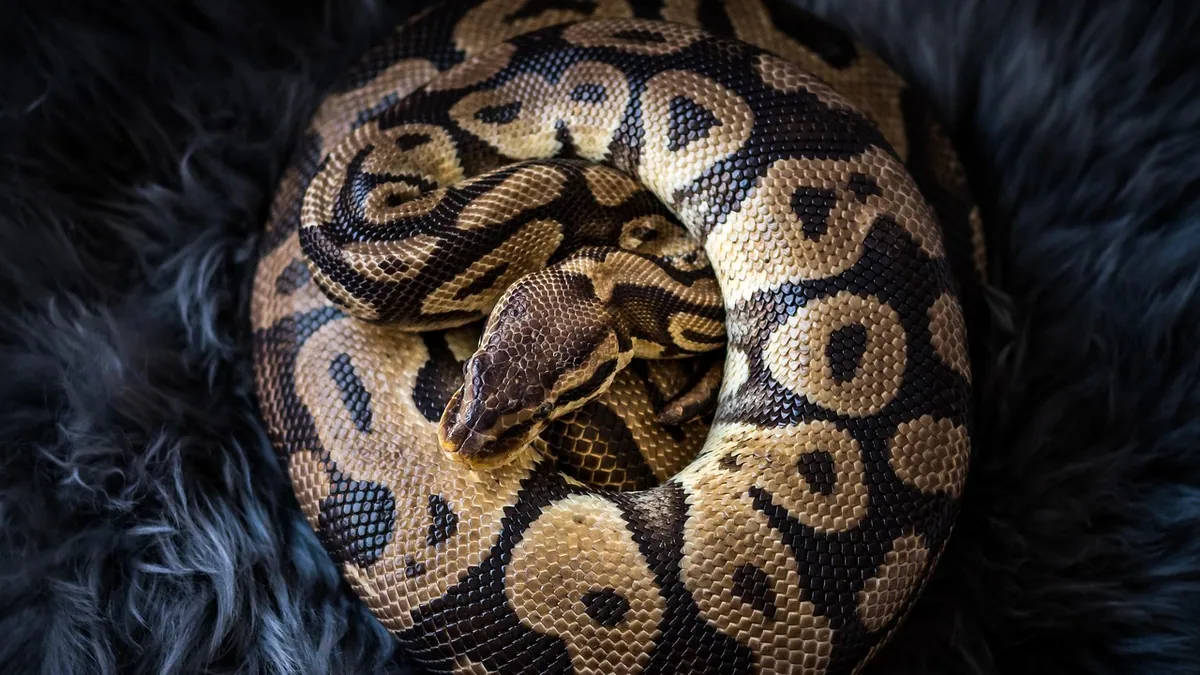
Why is my ball python cold? In most cases, it is not. A ball python is an ectotherm, which means it relies on its environment to control its body temperature instead of generating heat internally the way a dog or a person does. Cool skin is the normal state for a snake that has been resting on the cool side of its enclosure, and it is not a sign of illness by itself.
This article is educational and is not a substitute for veterinary diagnosis or treatment.
Quick Answer
- A ball python feeling cool to your hand is expected. Your skin is roughly 98 F, so a healthy snake at its preferred temperature will always feel cool by comparison.
- Reptiles depend on behavioral thermoregulation, meaning they move between warm and cool zones to hold their body temperature where they want it [1].
- What matters is not how the snake feels to you but whether your enclosure gives it a proper warm zone, a proper cool zone, and a way to move between them.
- A snake that feels cold and is also limp, unresponsive, or unable to right itself needs a veterinarian right away.
- If you are unsure, measure the enclosure with a digital thermometer or infrared temp gun before you assume anything is wrong.
What "Cold to the Touch" Actually Looks Like
When owners say their ball python feels cold, they usually mean the snake's skin feels cooler than their own hand. That is the baseline for a reptile. Body temperature in snakes tracks the environment closely, and field studies show that air temperature has a direct, positive effect on a snake's body temperature [1]. A snake in a cool hide will be cool. A snake that just came off a heat mat will feel warm.
Normal signs in a healthy ball python include:
- Skin that feels cool or room temperature to the touch
- A snake that is alert, flicks its tongue, and moves normally when handled
- A snake that uses both the warm and cool sides of the enclosure over a 24 hour period
- A snake that eats on schedule and passes stool normally
- A snake that hides most of the day, which is typical for this species
Abnormal signs that go with a cold feel include:
- A snake that is limp, floppy, or slow to respond
- A snake that cannot lift its head or right itself when placed on its back
- A snake that has stopped eating for weeks
- A snake that sits on the heat source constantly and never moves away
- A snake with labored breathing, mucus around the mouth or nose, or wheezing
That last group points toward a health problem, not a temperature problem. If your ball python feels cold and also shows any of those signs, treat it as a medical issue.
Why Is My Ball Python Cold? The Main Causes
There are two broad reasons a ball python feels cold. Either the enclosure is not giving it enough heat, or the snake is sick and no longer thermoregulating the way it should. Use the table below to sort out which one you are dealing with.
| Cause | Typical clues | How urgent |
|---|---|---|
| Normal ectotherm behavior | Snake is alert, eating, using both sides of the enclosure | Not urgent |
| Enclosure too cool overall | Both warm and cool side read low on a thermometer, snake stays on the heat source | Fix today |
| Broken or unplugged heat source | Heat mat or bulb is off, no temperature gradient, snake feels uniformly cool | Fix today |
| Snake is avoiding the heat | Hides on the cool side constantly, may be too hot on the warm side | Check temps today |
| Respiratory infection | Wheezing, mucus, open mouth breathing, plus a cold feel | See a vet soon |
| Hypothermia from prolonged cold exposure | Limp, unresponsive, no righting reflex, cool to the touch | Emergency now |
| Recent shipping or a power outage | Snake arrived cool, or the room lost heat | Warm slowly, monitor |
The Normal Explanation
Ball pythons are ectotherms, and ectotherms do not hold a fixed internal temperature the way mammals do. They warm up by basking or resting on a heat source and cool down by moving away. Research on snake thermal biology confirms that reptiles rely on behavioral thermoregulation to keep body temperature in a range that supports digestion, immune function, and normal activity [1]. A cool snake that is behaving normally is simply a snake that is currently in its cool phase.
The Enclosure Explanation
If your ball python feels cold and stays cold no matter where it is in the tank, the enclosure is probably not warm enough. This is the most common real problem. Heat sources fail, thermostats drift, room temperatures drop in winter, and a heat mat that worked in July may not keep up in January. A snake that cannot reach its preferred temperature range will often stop eating and become sluggish.
The Health Explanation
A sick snake may stop thermoregulating normally. Snakes with food in their stomachs tend to hold higher body temperatures than snakes that have not eaten, and shedding phase also shifts body temperature [1]. When a snake is ill, those normal patterns break down. A ball python with a respiratory infection may sit in the cool zone, feel cold, and breathe with its mouth open. If you see breathing changes along with a cold feel, read our guide to Ball Python Respiratory Infections: Symptoms, Humidity Control, and Veterinary Care and call your vet.
Red Flags That Make This an Emergency
Most cold-feeling ball pythons are fine. A few are not. Get emergency veterinary care now if your snake:
- Is limp and does not respond when you touch it or pick it up
- Cannot right itself when gently placed on its back
- Has no tongue flick and does not react to movement near its head
- Was exposed to freezing or near-freezing temperatures for any length of time
- Has been without a working heat source for more than a day in a cold room
These signs suggest true hypothermia, meaning the body temperature has dropped low enough that normal function is failing. Warming a hypothermic snake too fast at home can cause its own problems, so this is a case for a veterinarian instead of a DIY fix.
Call your veterinarian the same day if your snake:
- Feels cold and has stopped eating for more than two weeks
- Has mucus, bubbles, or crust around the nostrils or mouth
- Makes a wheezing or clicking sound when breathing
- Has a burn, wound, or retained shed that is not coming off
For burns specifically, see Ball Python Care: Thermal burns treatment and enclosure correction. For shedding problems, see Ball Python Stuck Shed Help.
Safe Things You Can Do at Home While You Wait
If your snake is alert and behaving normally but feels cool, start by measuring instead of guessing.
- Check the warm side and the cool side with a digital thermometer or an infrared temp gun. Do not rely on the dial gauge stuck to the glass, since those are often inaccurate.
- Confirm the heat source is actually on. Check the plug, the thermostat setting, and the bulb or mat itself.
- If the enclosure is too cool, raise the room temperature or add a safe overhead heat source with a thermostat. Never place an unregulated heat rock or heat mat directly against the snake.
- Give the snake a hide on both the warm and cool ends so it can choose its temperature.
- Leave the snake alone. Handling a cool snake repeatedly pulls it away from the heat it needs.
Do not soak a cold snake in warm water. Do not put it under a hot lamp to warm it quickly. Do not use a hair dryer or heating pad on a snake. Slow, controlled warming in a properly set enclosure is safer than any quick fix.
If your snake is limp or unresponsive, skip the home steps and go to the vet.
What Your Veterinarian Will Check and Test
A reptile veterinarian will start with a full history. Expect questions about enclosure size, heat sources, thermostat settings, measured temperatures on both sides, humidity, diet, and the last time the snake ate or shed.
The physical exam usually includes:
- Body temperature measurement, often using a cloacal reading, which is the standard way to estimate internal temperature in reptiles [2]
- Weight and body condition scoring
- Examination of the mouth and nostrils for signs of respiratory infection
- Skin check for burns, mites, wounds, or retained shed
- Neurologic check for righting reflex, tongue flick, and response to handling
Depending on what the exam shows, your vet may recommend blood work, a fecal exam, or imaging. If a respiratory infection is suspected, treatment may include antibiotics, and the dose is calculated from your snake's weight and health status instead of a standard number. Our article on Ball Python Care: Respiratory Infection Symptoms & Antibiotic Protocol explains what that process looks like.
Prevention and Monitoring
The best way to stop worrying about a cold ball python is to stop relying on how it feels and start relying on numbers.
- Keep a digital thermometer on the warm side and another on the cool side, and check both daily.
- Use a thermostat on every heat source. This protects your snake from burns and keeps temperatures stable.
- Log your readings. A simple notebook or phone note helps you spot a failing heat mat before your snake does.
- Check your equipment monthly. Heat mats, bulbs, and thermostats do wear out.
- Watch your snake's behavior. A ball python that suddenly stops using the warm side, or never leaves it, is telling you something about the enclosure.
- Keep a backup heat source and a plan for power outages, especially in winter.
One more point about temperature stability. A meta analysis of ectotherm physiology found that reptiles and fish show greater sensitivity to temperature variation than some other groups, which may leave them more vulnerable when temperatures swing [3]. That does not mean your ball python needs a perfectly constant temperature, since wild snakes experience daily and seasonal shifts [1]. It does mean that wild swings in your enclosure are worth correcting. Stable, measured temperatures support better digestion, immune function, and overall health.
Limitations and When to Contact a Veterinarian
This article cannot tell you whether your specific snake is healthy. Only a veterinarian who examines your ball python can do that. Individual cases need a veterinarian, and the guidance here is general.
Use these timing rules:
- Emergency now: limp, unresponsive, no righting reflex, or known exposure to freezing temperatures.
- Same day: labored breathing, mucus or bubbles from the nose or mouth, a burn, or a snake that has been cold and off food for more than two weeks.
- Routine visit: a snake that feels cool but is otherwise acting normally, eating, and shedding well, yet you cannot get the enclosure temperatures into a good range despite adjustments.
If you are ever unsure which category you are in, call your veterinarian and describe what you see. A phone call is cheap. Waiting on a sick snake is not.
Frequently Asked Questions
Should my ball python feel cold?
Yes, in most cases. A ball python is an ectotherm, so its body temperature follows its surroundings, and it will feel cooler than your hand even when it is perfectly healthy. If the snake is alert, eating, and moving normally, a cool feel is not a problem.
Is my ball python cold if it stays on the cool side all day?
Not necessarily, but it is worth checking your temperatures. A snake that never uses the warm side may be avoiding a spot that is too hot, or it may simply prefer the cool hide. Measure both sides with a digital thermometer before you change anything.
Can a ball python get too cold in a normal house?
Yes, if the enclosure loses heat. Room temperature alone is often below what a ball python needs to digest food and fight off illness. This is why a thermostat controlled heat source and daily temperature checks matter, especially in winter.
How do I warm up a cold ball python safely?
Fix the enclosure first. Raise the ambient temperature gradually and make sure the warm side is working and regulated by a thermostat. Do not use hot water, hair dryers, or direct high heat. If the snake is limp or unresponsive, go to a veterinarian instead of warming it at home.
Does a cold ball python mean it is sick?
Not by itself. A cold feel is normal for a reptile. It becomes a concern when it comes with other signs, such as wheezing, mucus, refusal to eat, or a snake that cannot right itself. Those combinations point to illness and need veterinary care.
Related Articles
- Ball Python Respiratory Infections: Symptoms, Humidity Control, and Veterinary Care
- Ball Python Care: Thermal burns treatment and enclosure correction
- Ball Python Care: Respiratory Infection Symptoms & Antibiotic Protocol
- Ball Python Stuck Shed Help
- Ball Python Care and Enclosure Setup
- Why Does My Leopard Gecko Feel Cold?
- Why Is My Ball Python So Active or Not Active?
- Is My Ball Python Hungry? Feeding Cues and Schedules
References
- Thermal biology characteristics of the Caspian whipsnake (Dolichophis caspius, Gmelin, 1789) under natural and laboratory conditions. Journal of comparative physiology. B, Biochemical, systemic, and environmental physiology, 2026.
- Validating infrared thermography for non-invasive estimation of internal body temperature in hatchling Mojave desert tortoises. Conservation physiology, 2026.
- Unresponsive to change: Ectotherms fail to adjust physiology to daily temperature variation. Philosophical transactions of the Royal Society of London. Series B, Biological sciences, 2026.