Average Age of a Cat: Lifespan and Care Factors
By Dr. Zubair Khalid, DVM, MS, PhD ·
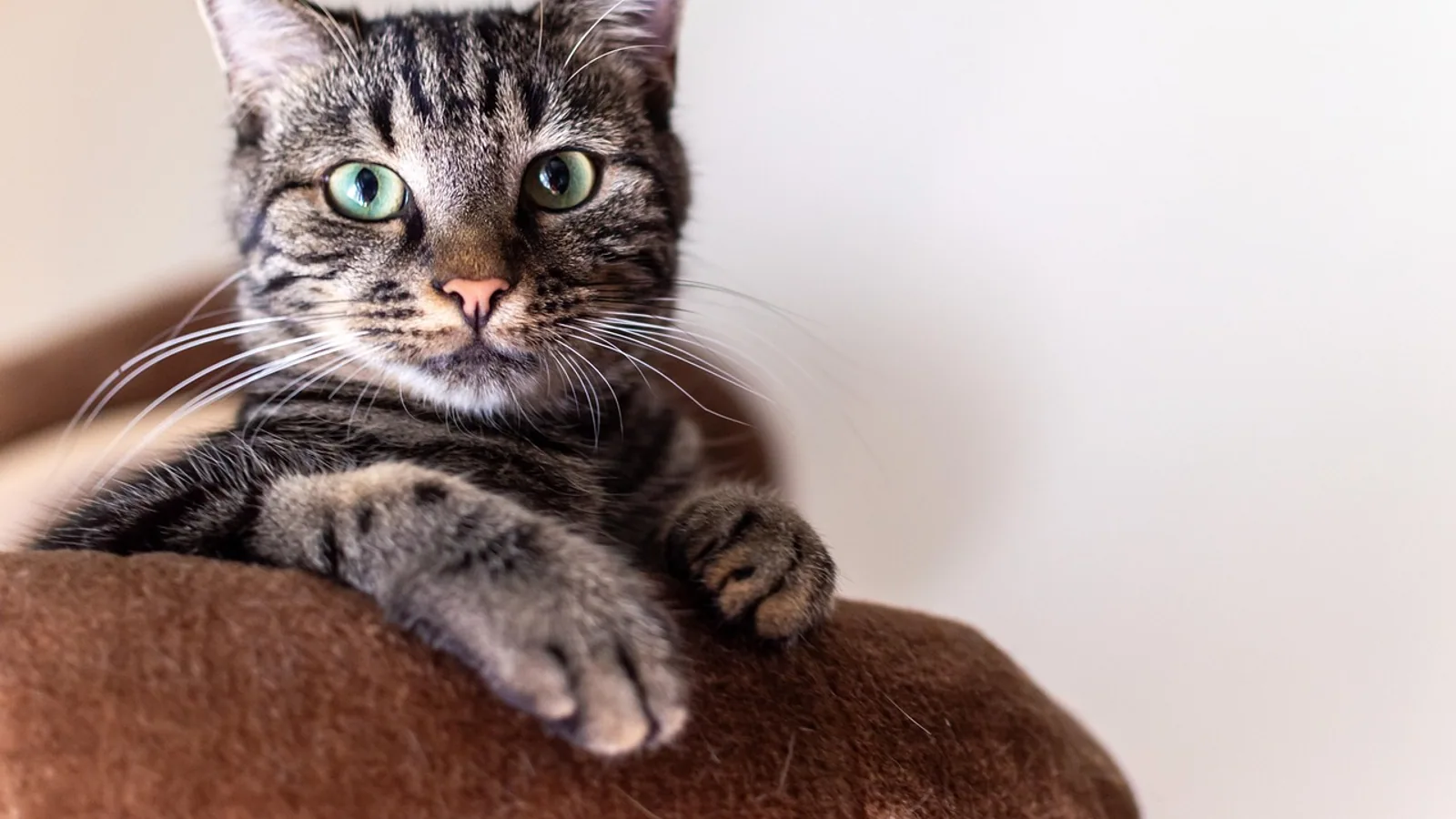
The average cat lifespan is 12 to 18 years for cats kept indoors, and roughly 5 to 10 years for cats with unrestricted outdoor access. Neutered cats live longer than intact cats, and female cats tend to outlive males. Large population studies put the overall life expectancy of cats under veterinary care at about 11.7 to 11.8 years, a figure pulled down by outdoor trauma, infectious disease, and early deaths that indoor cats largely avoid [1][2][3].
That gap between the overall average and the indoor average is the single most useful fact in this article. Most of the years a cat loses are not lost to old age. They are lost to preventable causes, and the biggest single lever an owner controls is whether the cat roams free.
This guide covers the average age of a cat by lifestyle, a cat-to-human age conversion chart, the diseases that most often shorten feline lives, and the practical steps that add healthy years.
This article is educational and is not a substitute for veterinary diagnosis or treatment.
At a Glance: What Determines How Long a Cat Lives
| Factor | Effect on lifespan | What you can do |
|---|---|---|
| Indoor-only lifestyle | Supports the 12 to 18 year range | Keep the cat indoors or in a secure enclosure [4] |
| Unrestricted outdoor access | Drops expected lifespan toward 5 to 10 years | Supervise outdoor time or build a catio |
| Neutered status | Neutered cats live significantly longer than intact cats [1][5] | Discuss timing of spay or neuter with your veterinarian |
| Sex | Females outlive males by roughly 1.3 years at birth in UK data [2] | Nothing modifiable, but useful for expectations |
| Body condition | Obesity is linked to shorter life expectancy [3] | Keep the cat at a lean body condition score |
| Dental disease | Present in 84% of aging cats in a longitudinal cohort [6] | Schedule dental checks and follow through on treatment |
| Chronic kidney disease | A leading cause of death in older cats [7] | Twice-yearly senior bloodwork |
| Hyperthyroidism | Common in aging cats and manageable when caught early | Annual to twice-yearly thyroid screening after age 8 |
| Retroviral status | FeLV markedly shortens life, FIV shortens it less [8] | Test new cats and keep infected cats indoors |
| Parasite prevention | Heartworm and other infections shorten life [9] | Year-round prevention per your veterinarian |
What "Average Age" Actually Means for a Cat
Three different numbers get called the average age of a cat, and they measure different things.
The first is life expectancy at birth. This is the average number of years a kitten born today would live if current death rates stayed the same. For UK companion cats, life expectancy at age 0 is 11.74 years [2]. A large US clinical dataset produced a similar figure of 11.18 years for cats overall and 11.12 years for mixed-breed cats [3].
The second is mean age at death. In a UK study of 7,708 cats receiving veterinary care, the overall mean lifespan was 11.83 years [1]. A South Korean study of cats with recorded death dates found a mean age at death of 1,965 days, which is about 5.4 years, a much lower figure that reflects a population with heavy outdoor exposure and infectious disease [5].
The third, and the one most owners actually want, is the expected lifespan of a cat living in a protected indoor home. That number is higher than any population average, because population averages include cats killed by cars, fights, and infectious disease. A prospective longitudinal study that followed 209 aging cats with regular veterinary examinations reported a median life expectancy of 15.2 years [6]. That cohort represents cats receiving consistent preventive care, which is closer to the indoor pet experience than a national death registry.
So when you read that the average lifespan of a cat is 12 to 18 years indoors, that range is a reasonable planning figure for a cared-for indoor cat. The 11.7-year population figures are what happens when you average in every cat, including those with no preventive care at all.
Why Indoor and Outdoor Lifespans Differ So Sharply
A UK cohort study that tracked 2,444 pet cats through their first eight years of life found that the most common cause of death before age 9 was road traffic accident, accounting for 45.6% of deaths [10]. For kittens under one year, road traffic accidents caused 61.2% of deaths, with feline infectious peritonitis at 11.9% and other trauma at 7.5% [10]. In young adults aged one to six years, road traffic accidents still caused 49.6% of deaths [10].
Those are deaths of young cats. They are not the slow decline of old age. They are the reason a cat with outdoor access has a shorter expected lifespan than a cat kept inside, and they are almost entirely preventable by controlling outdoor access.
The Australian and New Zealand veterinary guidelines on feline immunodeficiency virus make the same point from an infectious disease angle. They recommend that all pet cats be kept exclusively indoors, or with secure outdoor access such as cat enclosures or secure gardens, precisely to minimize exposure to FIV [4]. Unrestricted roaming exposes cats to fights, which is the main route of FIV transmission, as well as to traffic, other cats, and wildlife.
The Oldest Verified Cat
The oldest verified cat lived to 38 years. That figure sits far outside any population average and should be read as an outlier, not a target. It does show that the feline body can sustain an unusually long life under favorable conditions, but the realistic planning range for a well-cared-for indoor cat remains 12 to 18 years.
Cat Age to Human Age Conversion
The familiar rule of thumb that one cat year equals seven human years is inaccurate, especially in the first two years. Cats mature far faster than that early in life and then slow down.
A widely used conversion chart looks like this:
| Cat age | Human equivalent | Life stage |
|---|---|---|
| 1 year | 15 years | Adolescent to young adult |
| 2 years | 24 years | Adult |
| 3 years | 28 years | Adult |
| 4 years | 32 years | Adult |
| 5 years | 36 years | Adult |
| 6 years | 40 years | Mature adult |
| 7 years | 44 years | Mature adult |
| 8 years | 48 years | Senior |
| 9 years | 52 years | Senior |
| 10 years | 56 years | Senior |
| 11 years | 60 years | Senior |
| 12 years | 64 years | Senior |
| 13 years | 68 years | Geriatric |
| 14 years | 72 years | Geriatric |
| 15 years | 76 years | Geriatric |
| 16 years | 80 years | Geriatric |
| 17 years | 84 years | Geriatric |
| 18 years | 88 years | Geriatric |
| 19 years | 92 years | Geriatric |
| 20 years | 96 years | Geriatric |
The pattern is 15 human years for the first cat year, 24 for the second, then roughly 4 additional human years for each additional cat year. This is a communication tool, not a biological measurement. Its practical value is that it reframes a 10-year-old cat as a 56-year-old adult rather than an elderly animal, and it flags that a 14-year-old cat is in the human equivalent of the early 70s, where screening becomes more valuable.
Using the Conversion Chart in Practice
The chart matters most for scheduling. A cat reaches the human equivalent of the mid-40s at age 7 and the mid-50s at age 10. That is when age-related disease starts showing up in bloodwork and examinations, even when the cat looks fine at home.
A longitudinal study of aging cats found that most cats in the cohort developed at least one abnormality on veterinary examination, and 84% developed two or more conditions during the study period [6]. Multimorbidity was the norm, not the exception. Dental disease appeared in 84% of cats, orthopedic abnormalities in 82%, and heart murmurs in 59% [6].
Those numbers explain why the conversion chart is useful. A cat at the human equivalent of 56 is at an age where a human would expect regular screening. The same logic applies to the cat.
The Diseases That Most Often Shorten a Cat's Life
Obesity
Obesity is the most modifiable risk factor an owner controls. In a large US clinical dataset, obese cats had a significantly lower life expectancy at birth than cats at a healthy weight [3]. The effect is large enough that it shows up in population-level survival analysis.
Cat owners respond strongly to this information. In a survey of 1,095 cat owners, impact on life expectancy was the most important factor encouraging owners to pursue weight management for an obese cat, rated more important than food cost, future quality of life, mobility, or diabetes risk [11]. When a veterinarian frames weight loss in terms of years gained, owners are more likely to act.
Obesity also appears as a common diagnosis in breed-level veterinary data. In a study of Ragdoll cats under primary veterinary care, obesity was recorded in 6.91% of the sampled cats, making it one of the most common specific disorders in that population [7].
The practical target is a lean body condition. Your veterinarian can assign a body condition score at each visit and tell you the target weight. Weight loss in cats needs veterinary supervision because cats that lose weight too quickly can develop hepatic lipidosis, a serious liver condition.
Dental Disease
Dental disease is the most prevalent condition found in aging cats. In the longitudinal aging study, 84% of cats had dental disease recorded over the study period [6]. In the Ragdoll cohort, dental disorders were the most common disorder group at 14.52%, with periodontal disease alone recorded in 8.84% of cats [7].
Dental disease matters for lifespan because it is painful, it interferes with eating, and it is a source of chronic inflammation. It is also one of the most treatable conditions in veterinary medicine. A cat with severe periodontal disease that receives proper dental treatment under anesthesia often eats better, behaves better, and is more comfortable within days.
According to AAHA dental care guidelines, professional dental evaluation under anesthesia with dental radiographs is the standard for assessing periodontal disease, because most of the tooth and bone involvement is below the gumline and cannot be seen on a visual exam alone. Home care with veterinary toothbrushes and pet-safe toothpaste slows recurrence between professional cleanings.
Chronic Kidney Disease
Kidney disease is a leading cause of death in older cats. In the Ragdoll mortality data, kidney disorder was the most common cause of death at group level, accounting for 21.18% of deaths [7].
Chronic kidney disease in cats is typically progressive. The goal of management is to slow progression and maintain quality of life. Early detection through bloodwork and urine testing allows intervention before the cat is clinically ill. This is the main reason senior cats should have bloodwork at least once a year, and twice a year after age 10.
Hyperthyroidism
Hyperthyroidism is one of the most common endocrine diseases of older cats. It causes weight loss despite a good appetite, increased activity, and sometimes vomiting or diarrhea. It is manageable with medication, dietary management, radioiodine therapy, or surgery, depending on the cat and the owner's preferences.
Because hyperthyroidism can mask or worsen kidney disease, your veterinarian will typically check kidney values alongside thyroid values and monitor both during treatment. A cat diagnosed with hyperthyroidism often needs recheck bloodwork within a few weeks of starting treatment and then every few months once stable.
Heart Disease
Heart murmurs were found in 59% of cats in the aging cohort [6]. Not every murmur means significant heart disease, but murmurs in older cats warrant investigation with echocardiography.
Owners of cats with heart disease prioritize quality of life over quantity. In a survey of 239 owners of cats with heart disease, concern over pet suffering was significantly greater than concern over life expectancy, and 93% of owners were willing to trade survival time for good quality of life [12]. Appetite, owner interaction, sleep patterns, and litter box habits were the parameters owners considered most important when assessing quality of life [12].
That finding shapes how veterinarians approach heart disease in cats. The goal is not just to extend life but to preserve the behaviors that make the cat's life worth living.
Infectious Disease: FeLV, FIV, and Heartworm
Feline leukemia virus has a major impact on lifespan. In a UK sanctuary cohort, median life expectancy was 160.3 months (about 13.4 years) for uninfected cats, 149.1 months (about 12.4 years) for FIV-positive cats, 41.5 months (about 3.5 years) for FeLV-positive cats, and 74.2 months (about 6.2 years) for cats positive for both viruses [8]. Both infections significantly reduced longevity, though the reduction was less marked for FIV [8]. Lymphoma was strongly associated with FeLV, and oral disease was significantly linked to FIV [8].
Progressive FeLV infection is especially severe. In a Brazilian cohort, the median survival time after FeLV diagnosis was 30 days for cats with progressive infection [13]. Cats with regressive infection did not show the same reduction in survival [13].
Heartworm is a less obvious threat. A study of feline heartworm infection found that of 43 asymptomatic infected cats followed over time, 34 (79%) self-cured and 9 (21%) died [9]. The probability of death increased significantly with age at diagnosis [9]. Because cats are not natural heartworm hosts, the disease behaves differently than in dogs, but it is still a real risk for cats with mosquito exposure.
Retroviral Testing and Prevention
The Australian and New Zealand FIV guidelines recommend FIV testing of any in-contact cats and keeping all pet cats indoors or in secure outdoor enclosures [4]. Point-of-care antibody tests can distinguish infected from vaccinated cats, and PCR testing is not recommended as a screening procedure because a negative result does not rule out infection [4].
For FeLV, therapeutic vaccination of already-infected cats does not improve their status, quality of life, or life expectancy, so prevention through testing and vaccination of uninfected cats is the practical strategy [14].
Lifestyle Factors: Indoor, Outdoor, and Everything Between
Indoor-Only Cats
Indoor-only cats avoid traffic, fights, infectious disease exposure, and most toxins. They also get less exercise and less mental stimulation unless the owner provides it. The 12 to 18 year range assumes an indoor cat with good preventive care, appropriate weight management, and regular veterinary screening.
Indoor cats still need parasite prevention. Mosquitoes come inside. Fleas can arrive on clothing or on other pets. Heartworm prevention is recommended for indoor cats in endemic areas because mosquito exposure happens indoors.
Outdoor-Access Cats
Cats with unrestricted outdoor access face the full list of hazards: cars, other cats, dogs, wildlife, poisons, and infectious disease. The 5 to 10 year range reflects those risks. The UK cohort data showing road traffic accidents as the leading cause of death in cats under 9 years old is the clearest evidence for this [10].
Secure Outdoor Access
The middle path is a secure enclosure, a catio, or a supervised harness walk. The FIV guidelines explicitly endorse secure outdoor access as a way to reduce infectious disease exposure while still providing outdoor enrichment [4]. This approach captures much of the benefit of outdoor time without most of the risk.
Neutered Status
Neutered cats live longer than intact cats. The UK data shows neutered and spayed cats generally exhibit longer lifespans than entire cats, with tom cats having the shortest lifespan and spayed females living the longest [1]. The South Korean data confirms that spayed or neutered cats lived significantly longer than intact cats [5].
The reasons are straightforward. Neutered cats roam less, fight less, and are not exposed to the trauma and infectious disease that come with mating behavior. Spaying also eliminates the risk of pyometra and reduces mammary cancer risk when performed early.
Sex Differences
Female cats live longer than male cats. In the UK life table analysis, female cats had a life expectancy at birth of 12.51 years compared with 11.18 years for males, a difference of 1.33 years [2]. The authors attributed the difference to higher trauma rates and health issues among males [1]. This is not something an owner can change, but it is useful context when interpreting lifespan figures for a male cat.
Breed and Breeding Status
Mixed-breed cats tend to outlive purebred cats. In the UK data, moggies (mixed-breed cats) outlived both pure and cross-bred cats [1]. In the longitudinal aging study, pedigree cats had approximately double the hazard of mortality compared with mixed-breed cats [6].
Breed-level life expectancy varies widely. In the UK life table analysis, Burmese and Birman cats had the longest life expectancy at birth among the analyzed breeds, at 14.42 and 14.39 years respectively, while Sphynx cats had the shortest at 6.68 years [2]. Ragdoll cats had a median age at death of 12.85 years in a separate study [7]. These breed figures reflect the populations studied and should not be applied to an individual cat without veterinary context.
How to Extend a Cat's Healthy Years
Step 1: Control Outdoor Access
Keep the cat indoors or provide secure outdoor access. This single change removes the leading cause of death in young and middle-aged cats [4][10]. If your cat already goes outside, transition gradually with a secure enclosure or supervised time.
Step 2: Manage Weight Actively
Ask your veterinarian for a body condition score at every visit and a target weight. Weigh the cat at home monthly if possible. Feed measured portions rather than free-feeding, and use food puzzles or scatter feeding to increase activity. Owners respond best to weight conversations framed around life expectancy, so ask your veterinarian directly how much time the extra weight is likely costing [11].
Step 3: Commit to Dental Care
Schedule a professional dental evaluation when your veterinarian recommends it. Dental disease affects 84% of aging cats, and it is one of the most treatable conditions in feline medicine [6]. Home brushing with pet-safe toothpaste slows recurrence. Dental treats and water additives are adjuncts, not substitutes for professional cleaning.
Step 4: Screen for Kidney Disease and Hyperthyroidism
Start annual bloodwork and urine testing at middle age, and move to twice-yearly testing after age 10. Kidney disease and hyperthyroidism are both common in older cats and both are more manageable when caught early [6][7]. Early detection is the main reason senior screening exists.
Step 5: Test for Retroviruses and Prevent Parasites
Test new cats for FeLV and FIV before introducing them to resident cats. Keep infected cats indoors to protect them and other cats [4]. Use year-round parasite prevention as recommended by your veterinarian, including heartworm prevention for cats with mosquito exposure [9].
Step 6: Feed an Age-Appropriate Diet
Nutrition for aging cats is an active area of research. A recent review notes that there are no official guidelines for senior or geriatric cats, and veterinary recommendations for energy, protein, fat, and water are largely extrapolated from adult cat requirements [15]. Where research exists, it points to benefits from enriched diets and targeted supplementation for cognitive function, longevity, and intestinal health, but the evidence base remains limited [15].
The practical takeaway is to feed a complete and balanced diet appropriate for your cat's life stage and body condition, and to adjust as your veterinarian recommends. Senior cats often need more protein, not less, but the optimal level is not firmly established [15].
Step 7: Provide Environmental Enrichment
Indoor cats need stimulation to stay mentally and physically active. Scratching posts, climbing structures, interactive play, and window perches all help. Enrichment supports the behaviors owners value most in quality-of-life assessments: appetite, interaction, sleep, and litter box habits [12].
Step 8: Keep Preventive Care Current
According to AAHA wellness guidelines, adult cats benefit from at least annual veterinary examinations, with more frequent visits for seniors. Vaccination schedules, parasite prevention, and screening tests should be tailored to the individual cat's risk factors. Cats are masters at hiding illness, so the physical examination often catches problems the owner has not noticed.
Common Mistakes That Shorten a Cat's Life
Letting the cat roam free. This is the single largest modifiable risk. Road traffic accidents alone caused 45.6% of deaths in a UK cohort of cats under 9 years old [10].
Free-feeding dry food. Free-feeding makes weight management nearly impossible. Measured meals are the foundation of body condition control.
Skipping dental care. Dental disease is present in 84% of aging cats, and many owners do not realize their cat is in pain [6]. Cats with dental pain often keep eating, which hides the problem.
Skipping senior bloodwork. Kidney disease and hyperthyroidism are common and silent in early stages [6][7]. Waiting for symptoms means waiting until organ damage is advanced.
Assuming indoor cats do not need parasite prevention. Indoor cats still encounter mosquitoes, fleas, and other parasites. Heartworm infection occurs in indoor cats [9].
Delaying neutering. Neutered cats live longer than intact cats [1][5]. Delaying neutering extends the period of roaming, fighting, and reproductive risk.
Ignoring weight loss in an older cat. Weight loss in a senior cat is a clinical sign, not normal aging. It warrants a veterinary visit with bloodwork.
Troubleshooting: When Something Changes
The cat is drinking more water. Increased water intake can signal kidney disease, diabetes, or hyperthyroidism. Schedule bloodwork and a urinalysis.
The cat is losing weight with a good appetite. This pattern is classic for hyperthyroidism. It can also occur with diabetes or gastrointestinal disease. Bloodwork will narrow it down.
The cat has bad breath or drools. Dental disease is the most likely cause. A veterinary dental evaluation under anesthesia with radiographs is the standard for diagnosis [6].
The cat is slowing down or sleeping more. Orthopedic abnormalities were found in 82% of aging cats in one cohort [6]. Arthritis is common and treatable. Ask your veterinarian about pain management options.
The cat is vomiting more than occasionally. Vomiting is not normal in cats. It can indicate kidney disease, hyperthyroidism, gastrointestinal disease, or other conditions.
The cat is hiding more. Hiding is a common sign of pain or illness in cats. Any new hiding behavior warrants a veterinary visit.
Welfare and Safety Points
Quality of life matters as much as length of life. In the survey of owners of cats with heart disease, 93% were willing to trade survival time for good quality of life, and concern over suffering outweighed concern over life expectancy [12]. That is a reasonable framework for any chronic condition in an older cat.
The parameters owners identified as most important for quality of life were appetite, owner interaction, sleep patterns, and litter box habits [12]. Tracking those four things gives you a practical quality-of-life gauge at home. A cat that eats, interacts, sleeps normally, and uses the litter box comfortably is generally doing well. A cat that stops doing any of those things needs veterinary attention.
Welfare also includes the cat's environment. Indoor cats need enrichment to avoid boredom and stress. Multi-cat households need enough resources (litter boxes, food stations, resting spots) to prevent social tension. Stress affects health, and chronic stress in cats is associated with behavioral and medical problems.
Limitations and When to Contact a Veterinarian
Individual cats vary. Population averages describe groups, not individuals. Your cat's expected lifespan depends on genetics, lifestyle, preventive care, and luck. A veterinarian who examines your cat regularly can give you a more specific picture than any table.
Contact a veterinarian promptly if your cat shows any of the following:
- Weight loss, especially with a normal or increased appetite
- Increased thirst or urination
- Decreased appetite lasting more than 24 hours
- Vomiting more than once or twice in a week
- Diarrhea lasting more than 24 hours
- Difficulty breathing, open-mouth breathing, or coughing
- Sudden weakness, collapse, or inability to use the hind legs
- Bad breath, drooling, dropping food, or chewing on one side
- New hiding, aggression, or withdrawal from interaction
- Straining to urinate, especially in male cats (this is an emergency)
- Any lump that is growing, changing, or bleeding
- Seizures or disorientation
For senior cats, schedule a veterinary visit at least every six months. Early detection of kidney disease, hyperthyroidism, dental disease, and heart disease allows treatment that preserves quality of life and may extend it.
Frequently Asked Questions
What is the average lifespan of an indoor cat?
The average lifespan of an indoor cat is 12 to 18 years with good preventive care. A longitudinal study of aging cats under regular veterinary care reported a median life expectancy of 15.2 years [6].
How long do outdoor cats live?
Outdoor cats with unrestricted access typically live 5 to 10 years. Road traffic accidents are the leading cause of death in young cats, accounting for 45.6% of deaths before age 9 in one UK cohort [10].
Do neutered cats live longer?
Yes. Neutered and spayed cats live significantly longer than intact cats, and tom cats have the shortest lifespan of any group [1][5]. Neutering reduces roaming, fighting, and reproductive disease risk.
How do I convert cat years to human years?
The first cat year equals about 15 human years, the second brings the total to 24, and each additional cat year adds roughly 4 human years. A 10-year-old cat is roughly equivalent to a 56-year-old human.
What is the oldest a cat has ever lived?
The oldest verified cat lived to 38 years. That is far beyond the normal range and represents an extreme outlier rather than a realistic target.
What diseases most commonly shorten a cat's life?
Chronic kidney disease, hyperthyroidism, dental disease, obesity, heart disease, and retroviral infections are the conditions most often linked to shortened lifespan in cats [6][7][3][8].
Can I extend my cat's life?
Yes. Keeping the cat indoors or in secure outdoor access, maintaining a lean body weight, treating dental disease, screening for kidney and thyroid disease, and keeping preventive care current are the steps most strongly supported by evidence [6][11][4].
How often should an older cat see a veterinarian?
Senior cats should have a veterinary examination at least every six months, with bloodwork and urine testing at least annually and often twice yearly. Early detection of common senior diseases improves management options [6][7].
Related Articles
- What Is a Vet Visit Cost for a Dog? Average Prices and Factors
- How Much Does a Vet Visit Cost for a Cat? Average Prices and Factors
- Macaw Lifespan: Factors Affecting Longevity in Captivity
- Equine Lifespan: Factors Influencing Longevity in Horses
- Weimaraner Lifespan Diet and Preventive Care Guide
- Newfoundland Lifespan Diet and Preventive Care Guide
- When Do Chickens Start Laying Eggs? Age Chart
- Normal Pulse in Dogs: Heart Rate Ranges by Size
- How Long Do Hamsters Live? Lifespan by Species
Sources
- Life expectancy of cats in Britain: moggies and mollies live longer.
- Life tables of annual life expectancy and risk factors for mortality in cats in the UK.
- Life expectancy tables for dogs and cats derived from clinical data.
- Feline immunodeficiency virus (FIV) infection in domestic pet cats in Australia and New Zealand: Guidelines for diagnosis, prevention and management.
- Life expectancy and survival analysis for companion dogs and cats in Seoul, South Korea.
- Patterns of morbidity, multimorbidity, and mortality in aging cats: findings from seven years of the Cat Prospective Ageing and Welfare Study.
- Demography, common disorders, cause-specific mortality and life expectancy of Ragdoll cats under primary veterinary care during 2019 in the UK.
- Twenty-year lifetime histories of FIV- and FeLV-infected cats in a sanctuary in the UK indicate an effect of retroviral infection on longevity.
- Feline heartworm (Dirofilaria immitis) infection: a statistical elaboration of the duration of the infection and life expectancy in asymptomatic cats.
- Mortality and life table analysis in a young cohort of pet cats in the UK.
- Information about life expectancy related to obesity is most important to cat owners when deciding whether to act on a veterinarian's weight loss recommendation.
- Perceptions of quality of life and priorities of owners of cats with heart disease.
- Survival analysis and clinical abnormalities in cats with progressive or regressive feline leukemia virus (FeLV) infection in Brazil.
- No benefit of therapeutic vaccination in clinically healthy cats persistently infected with feline leukemia virus.
- EXPRESS: What Goes in the Bowl? Evidence-Based Nutrition for Ageing Domestic Cats.