Normal Pulse in Dogs: Heart Rate Ranges by Size
By Dr. Zubair Khalid, DVM, MS, PhD ·
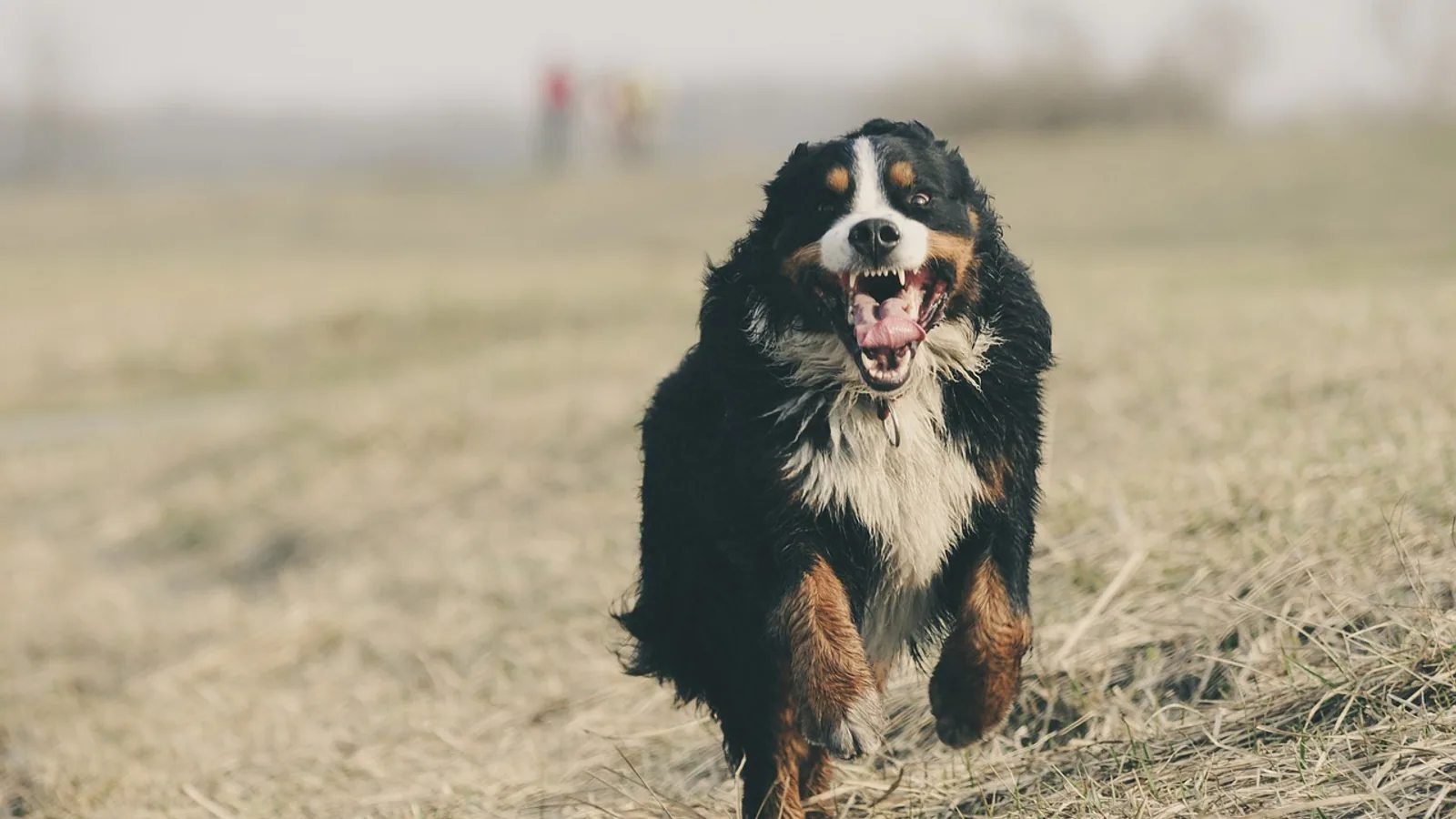
The normal pulse in a dog is the number of arterial pressure waves felt per minute, and it should equal the number of heartbeats heard through the chest wall. At rest, most healthy adult dogs have a heart rate between roughly 60 and 160 beats per minute (bpm), with toy breeds at the high end of that range and giant breeds at the low end.
Heart rate is one of the four classic vital signs, alongside temperature, respiratory rate, and mucous membrane color. It is the fastest vital sign to measure, it changes within seconds of stress or pain, and it gives an immediate read on whether the cardiovascular system is coping or failing. A dog with a normal pulse is not automatically healthy, but a dog with a wildly abnormal pulse needs attention now.
This article is educational and is not a substitute for veterinary diagnosis or treatment.
What "Normal Pulse" Actually Means
The pulse you feel under your fingers is not the heartbeat itself. It is the pressure wave that travels down the arteries each time the left ventricle ejects blood into the aorta. Because the wave is generated by ventricular contraction, the pulse rate normally matches the heart rate beat for beat. When the two numbers disagree, the heart is generating beats that are too weak or too early to push a detectable wave into the periphery, a finding called a pulse deficit.
Two terms get used loosely in practice. Heart rate is the number of ventricular contractions per minute, best confirmed by listening to the heart or reading an electrocardiogram (ECG, a recording of the heart's electrical activity). Pulse rate is the number of palpable arterial waves per minute. In a healthy dog they are identical. In an arrhythmia (an abnormal heart rhythm) they can diverge, and that divergence is clinically meaningful.
Resting heart rate is the value that matters for screening. A dog standing in an exam room is rarely at true rest. Fear, the smell of other animals, and handling all raise sympathetic tone and push the rate up. The most representative resting values now come from wearable monitors worn at home over days, not from a single clinic measurement.
Why Heart Rate Matters in Clinical Practice
Heart rate is a proxy for cardiac output, which is the product of heart rate and stroke volume (the volume of blood ejected per beat). When stroke volume falls, the body compensates by raising heart rate to maintain delivery of oxygen to tissues. That compensation is why a fast resting pulse can signal anemia, pain, fever, shock, dehydration, or primary heart disease. A slow pulse can signal a conduction problem in the heart, a drug effect, or a metabolic issue.
Heart rate also influences how the heart itself is assessed. In a study of 122 healthy dogs, left ventricular fractional shortening, fractional area change, and ejection fraction (all measures of how forcefully the heart squeezes) showed weak negative correlations with body weight, meaning larger dogs tended to have slightly lower fractional shortening values [1]. Heart rate is a recognized confounder in echocardiographic measurement, which is one reason reference intervals are stratified by body size rather than applied uniformly.
Finally, heart rate is not a single fixed number even in one healthy dog. A large international study of 703 apparently healthy dogs monitored with a biometric device for a median of 189 days found that both heart rate and respiratory rate decreased early in life, then stabilized, with a slight rise in older dogs [2]. Both were lower at night than during the day, and heart rate and respiratory rate showed opposite seasonal patterns in dogs living in the Northern Hemisphere [2]. Normal, in other words, is a moving target across the day, the year, and the lifespan.
Size-Based Resting Heart Rate Ranges
Body size is the single strongest predictor of resting heart rate in dogs. Small animals have higher metabolic rates per kilogram and lose heat faster, so they run faster heart rates to meet oxygen demand. This pattern holds across mammals and is why a Chihuahua and a Great Dane should not be judged against the same number.
The table below gives practical resting ranges by size category. These are the ranges used for clinical screening in awake, calm dogs.
| Size category | Typical examples | Resting heart rate (bpm) |
|---|---|---|
| Toy | Chihuahua, Yorkshire Terrier, Pomeranian | 120 to 160 |
| Small | Beagle, Cocker Spaniel, Shih Tzu | 100 to 140 |
| Medium | Border Collie, Australian Shepherd, Bulldog | 80 to 120 |
| Large | Labrador Retriever, German Shepherd, Golden Retriever | 60 to 100 |
| Giant | Great Dane, Mastiff, Newfoundland | 60 to 90 |
These are resting ranges. Any dog that is excited, frightened, in pain, or recently exercised will read higher, sometimes dramatically higher. Exercise physiology data show the expected pattern: in eight healthy adult large-breed dogs, heart rate rose during treadmill walking and returned toward baseline within 15 to 60 seconds after the walk stopped [3]. A value taken during or immediately after activity is not a resting value.
Ambulatory ECG data add useful context. In 44 healthy dogs monitored over 24 hours, reference intervals for minimum, maximum, and mean heart rate were 15 to 42 bpm, 194 to 294 bpm, and 50 to 93 bpm respectively [4]. The minimum values reflect the long pauses of sinus arrhythmia, the normal speeding and slowing of the heart with the respiratory cycle. The maximum values reflect bursts of excitement or exertion. A dog can therefore have a heart rate of 250 bpm for a few seconds and still be entirely normal. This is why a single elevated reading in an excited dog is not diagnostic of anything.
A separate 24-hour study of dogs older than 7 years found that rates above 160 bpm were uncommon, occurring less than 1 percent of the time, and that dogs spent about 26 percent of the day between 70 and 90 bpm [5]. That study also showed how much the method of calculation matters: when instantaneous heart rate was used, 15 percent of the day registered below 50 bpm, but when a rolling average was used, only 0.2 percent did [5]. Long sinus pauses look alarming instantaneously and disappear when averaged.
What About Respiratory Rate?
Respiratory rate is often recorded alongside pulse. The same 703-dog wearable study that characterized heart rate also characterized respiratory rate and found the same broad patterns: higher in young dogs, lower at night, and influenced by season [2]. A commonly taught resting reference for dogs is roughly 15 to 30 breaths per minute, counted as chest wall movements with the dog asleep or calmly resting. Persistent resting respiratory rates above 30 breaths per minute in a dog at home warrant a veterinary call, particularly in a dog with known heart disease.
How to Take a Dog's Pulse
There are two reliable methods: palpation of a peripheral artery and auscultation of the chest. Palpation is faster and needs no equipment. Auscultation is more accurate and is the method used in clinical studies.
Femoral Artery Palpation
The femoral artery runs along the medial (inner) surface of the thigh. It is the easiest pulse to feel in most dogs.
- Have the dog standing or lying comfortably on its side. A standing dog is usually easiest.
- Place your index and middle fingers flat against the inner thigh, high up where the leg meets the body wall, in the groin area.
- Press gently and move your fingertips in small circles until you feel a distinct tap-tap-tap under your fingers. This is the arterial pressure wave, not your own pulse.
- Count the beats for 15 seconds, then multiply by 4. For a more accurate value, count for 30 seconds and multiply by 2.
- Repeat once to check consistency.
Use the pads of two fingers, never your thumb. Your thumb has its own palpable pulse and you will end up counting yourself.
Auscultation of the Left Chest
Auscultation means listening with a stethoscope. It is the reference method for heart rate and is the technique used in published studies of canine heart rate measurement [6].
- Place the stethoscope bell or diaphragm on the left side of the chest, at the point of maximal intensity. This is roughly where the elbow meets the chest wall when the front leg is flexed back, at about the fifth intercostal space.
- Listen for the two-part "lub-dub" of each cardiac cycle. Count each lub-dub as one beat, not two.
- Count for 15 seconds and multiply by 4, or count for 30 seconds and multiply by 2.
- Note the rhythm as well as the rate. A healthy dog often has sinus arrhythmia, a normal speeding and slowing with breathing.
Auscultation has known limits. A study of heart rate estimation in a dog with chronic atrial fibrillation (a chaotic, irregular rhythm) found that only 30 percent of test subjects gave accurate estimates over a 15-second count, and accuracy was strongly tied to clinical experience [7]. In irregular rhythms, longer counting periods and confirmation by ECG are more reliable.
Matching Pulse to Heart Rate
After you have both numbers, compare them. In a healthy dog, the femoral pulse rate and the auscultated heart rate should be identical. If you hear 120 beats but feel only 100 pulses, there is a pulse deficit of 20. A pulse deficit suggests that some ventricular contractions are not producing a strong enough pressure wave to reach the femoral artery, which points toward an arrhythmia. This is a reason to pursue an ECG rather than to simply recheck the pulse later.
Automated and Device-Based Measurement
Pulse oximeters report a pulse rate alongside oxygen saturation. A study of fingertip pulse oximeters in anesthetized dogs found that the limits of agreement for pulse rate were acceptable for only 2 of 7 devices tested, meaning most consumer-grade units were not reliable for pulse rate in that setting [8]. Home wearable monitors are a different technology and have been used successfully in large-scale canine studies [2], but any device reading should be confirmed by palpation or auscultation when a clinical decision depends on it.
When Values Are Abnormal
A single number out of range is not a diagnosis. It is a trigger to look at the whole dog.
Tachycardia (Fast Heart Rate)
Tachycardia is a resting heart rate above the expected range for the dog's size. Sustained rates above 160 bpm in a calm, resting dog are worth investigating. Common non-cardiac causes include pain, fear, fever, anemia, dehydration, and shock. Cardiac causes include arrhythmias such as atrial fibrillation and ventricular tachycardia. A study of dogs naturally infected with acute canine monocytic ehrlichiosis found significantly higher mean heart rate and reduced heart rate variability compared with healthy controls, reflecting a shift toward sympathetic dominance during systemic illness [9]. This illustrates a general principle: systemic disease commonly shows up first as an elevated resting heart rate.
Bradycardia (Slow Heart Rate)
Bradycardia is a resting heart rate below the expected range. A rate below 60 bpm in a large or giant breed dog is a red flag, particularly if the dog is weak or collapsing. Causes include high vagal tone (common and benign in athletic dogs at rest), conduction block within the heart, hypothermia, and drug effects. Sedative and anesthetic drugs reliably slow the heart. A study of medetomidine-vatinoxan sedation in healthy dogs found significant reductions in heart rate along with reductions in blood pressure and multiple measures of systolic function [10]. Drug-induced bradycardia is expected and monitored, not a sign of disease.
Red Flags That Need Immediate Attention
These findings should prompt an urgent veterinary visit:
- A sustained resting heart rate above 160 bpm in a calm dog
- A resting heart rate below 60 bpm in a large or giant breed dog
- Weakness, lethargy, or exercise intolerance
- Collapse or fainting (syncope)
- Pale, white, or blue-tinged gums
- A pulse deficit, where the pulse rate is clearly lower than the heart rate
- Labored breathing or a resting respiratory rate persistently above 30 breaths per minute at home
Pale gums combined with a fast, weak pulse suggests poor perfusion and possible shock. Collapse with an irregular or very slow pulse suggests a rhythm disturbance. Both are emergencies.
Clinical Relevance, Limitations and Common Mistakes
Heart rate is easy to measure and easy to measure badly. The most common error is taking a value in an excited dog and treating it as a resting value. A dog that has just been lifted onto an exam table, restrained, and approached with a stethoscope is not at rest. The 24-hour data make this clear: normal dogs routinely hit 200 bpm or more in short bursts [4].
The second common error is counting heart sounds incorrectly. Each cardiac cycle produces two sounds, S1 and S2, often described as lub-dub. Counting both sounds doubles the reported rate. Count cycles, not sounds.
The third error is using the wrong reference range. A 140 bpm resting rate is normal in a toy breed and elevated in a Great Dane. Size-based interpretation is not optional.
The fourth error is assuming a normal heart rate rules out heart disease. Dogs with early or compensated cardiac disease frequently have normal resting heart rates. Conversely, a normal heart rate in a stressed, painful dog may actually represent an inadequate response. Heart rate is one data point among many.
The fifth error is relying on a consumer device without confirmation. Pulse oximeter pulse rates were unreliable for most tested units in anesthetized dogs [8]. Confirm any device reading by palpation or auscultation before acting on it.
Finally, remember that normal varies with time of day, season, age, and activity. The 703-dog wearable study documented all of these effects [2]. A single reading is a snapshot. Trends over days are more informative than any one number.
Individual animals vary, and any specific concern about a dog's heart rate, rhythm, or perfusion should be evaluated by a veterinarian who can examine the whole patient.
Quick Review
- Normal resting heart rate in dogs ranges from about 60 to 160 bpm, with toy breeds fastest and giant breeds slowest.
- The femoral pulse is felt on the inner thigh. Count for 15 seconds and multiply by 4, or 30 seconds and multiply by 2.
- Auscultation over the left chest at the point of maximal intensity is the reference method for heart rate.
- Pulse rate should equal heart rate. A pulse deficit suggests an arrhythmia.
- Sinus arrhythmia (speeding and slowing with breathing) is normal in dogs.
- Sustained rates above 160 bpm or below 60 bpm in a large dog, plus weakness, collapse, or pale gums, are red flags.
- Normal resting respiratory rate is roughly 15 to 30 breaths per minute in a calm dog.
Frequently Asked Questions
What is a normal heart rate for a dog?
A normal resting heart rate for an adult dog is roughly 60 to 160 beats per minute, with the exact range depending on body size. Toy breeds sit at the high end and giant breeds at the low end.
How do I take my dog's pulse at home?
Place two fingers on the inner surface of the thigh, high in the groin, and feel for a regular tap under your fingertips. Count for 15 seconds and multiply by 4, or count for 30 seconds and multiply by 2.
Should my dog's pulse match the heart rate?
Yes. In a healthy dog, the pulse rate and the heart rate should be identical. If the heart rate is clearly higher than the pulse rate, that is a pulse deficit and should be evaluated by a veterinarian.
Is a heart rate of 180 in a dog too high?
It depends on the situation. A calm, resting dog at 180 bpm is above the expected range and should be checked. A dog that is excited, frightened, or just finished playing can normally reach that rate for short periods.
What is a normal respiratory rate for a dog?
A normal resting respiratory rate for a dog is roughly 15 to 30 breaths per minute. Count chest movements while the dog is asleep or calmly resting. A persistent rate above 30 at home is worth a veterinary call.
When should I worry about my dog's slow heart rate?
A resting heart rate below 60 bpm in a large or giant breed dog is a red flag, especially if the dog is weak, lethargic, or collapsing. Athletic dogs can have low resting rates, so the whole clinical picture matters.
Related Articles
- How to Check Your Cat's Heart Rate and Pulse at Home
- How to Monitor Your Senior Dog's Heart Rate at Home
- Average peer review time by field
- Pulse Oximetry in Veterinary Patients: Limitations and Troubleshooting
- What Is a Vet Visit Cost for a Dog? Average Prices and Factors
- How Much Does a Vet Visit Cost for a Cat? Average Prices and Factors
- Urine Specific Gravity: What It Means and Normal Ranges
- Anatomical Heart: Structure and Chambers
Sources
- Echocardiographic quantitation of left heart size and function in 122 healthy dogs: A prospective study proposing reference intervals and assessing repeatability.
- Resting heArt and respIratory rates in dogs in their natural environment: new insights from a long-term, international, prospective study in a COhort of 703 dogs using a biometric device for LongitudinaL non-invasive cARdiorespiratory monitoring (the AI-COLLAR study).
- Heart Rate Changes Before, During, and After Treadmill Walking Exercise in Normal Dogs.
- Twenty-four hour ambulatory electrocardiography in healthy dogs: reference intervals and measurement variability.
- Instantaneous and averaged heart rate profiles: Developing strategies for programming pacing rates in dogs.
- Echocardiography, a non-invasive method for the investigation of heart morphology and function in laboratory dogs: 1. Method and reference values for M-mode parameters.
- Accuracy of heart rate obtained by auscultation in atrial fibrillation.
- Repeatability and accuracy of fingertip pulse oximeters for measurement of hemoglobin oxygen saturation in arterial blood and pulse rate in anesthetized dogs breathing 100% oxygen.
- Conventional and Holter Electrocardiographic Assessment of Dogs Infected Naturally With Acute Canine Monocytic Ehrlichiosis.
- Medetomidine-vatinoxan (Zenalpha) results in reduction of systolic function, blood pressure, and heart rate with prolongation of electrocardiographic intervals in healthy dogs.