Tobramycin Eye Drops for Dogs: Ulcers and Infections
By Dr. Zubair Khalid, DVM, MS, PhD ·
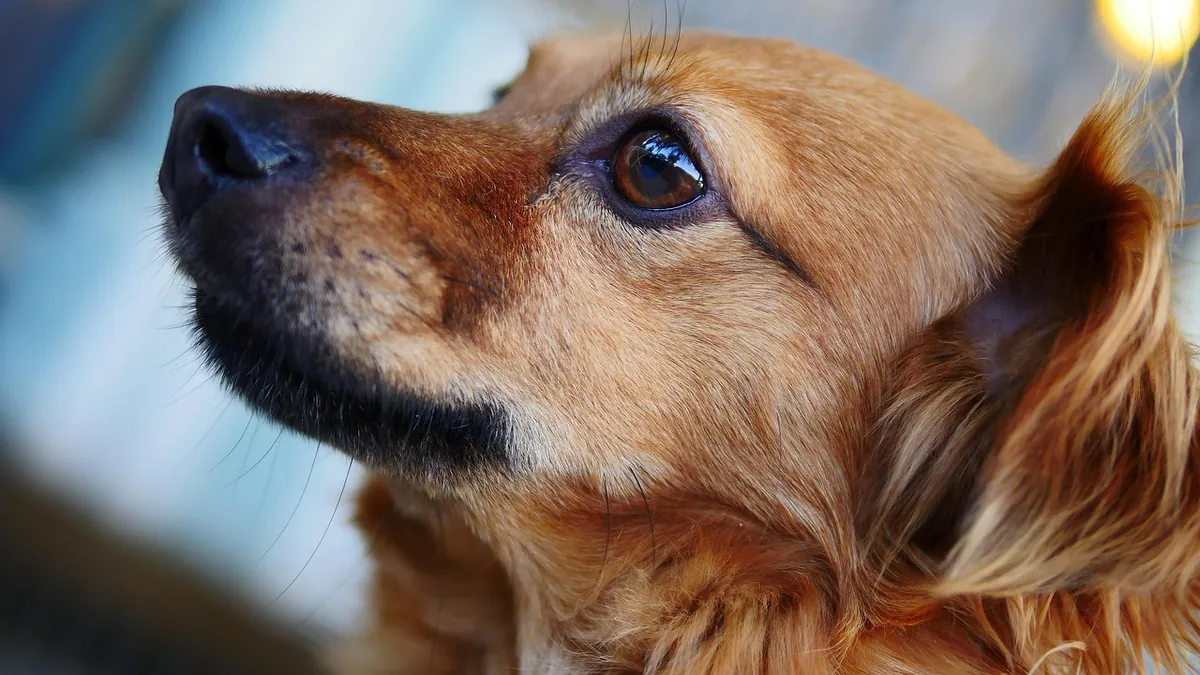
Tobramycin is an antibiotic eye drop that veterinarians use to treat bacterial infections and to prevent infection in corneal ulcers in dogs. It kills certain bacteria on the surface of the eye, but it does nothing for a scratch, a viral problem, or a dry eye. Because giving the wrong drop to an eye with a corneal ulcer can make the damage worse, tobramycin for dogs eye ulcer care should always start with a veterinarian's exam and a fluorescein stain.
This article is educational and is not a substitute for veterinary diagnosis or treatment.
Quick Answer
- Tobramycin is a prescription aminoglycoside antibiotic drop. It treats bacterial eye infections and helps prevent infection in superficial corneal ulcers [1][2].
- A fluorescein stain must come first. It shows whether the clear surface of the eye is broken, and that changes which drops are safe to use.
- Most superficial corneal ulcers heal with a topical broad-spectrum antimicrobial plus treatment for the reflex uveitis (eye inflammation) that comes with them [2].
- Never use a leftover antibiotic or a steroid-containing drop on a squinting eye. Steroids can worsen an infected or deep ulcer.
- Give the drop exactly as your veterinarian prescribes, keep the follow-up recheck, and call the clinic if the eye gets worse instead of better.
What Tobramycin Is and What Veterinarians Use It For
Tobramycin is an antibiotic that belongs to the aminoglycoside family. It works against many gram-negative and gram-positive bacteria, and it is available as a topical ophthalmic solution made specifically for eyes [1]. Topical antimicrobials have real advantages over systemic antibiotics in the eye. They deliver a much higher drug concentration right where the infection is, they cause fewer whole-body side effects, and they are less likely to drive antibiotic resistance than the same drug given by mouth [1].
Veterinarians reach for tobramycin in a few common situations:
- Bacterial conjunctivitis. The tissues lining the eyelids and the white of the eye can become infected, and a topical antibiotic drop is a standard treatment.
- Bacterial keratitis. This is an infection of the cornea itself, the clear front window of the eye. It is painful and can scar the eye if it is not treated promptly.
- Corneal ulcers. When the surface of the cornea is broken, bacteria can invade the exposed tissue. A broad-spectrum topical antimicrobial is used to prevent that infection while the cornea heals [2].
One thing to understand about corneal ulcers in dogs: infection is only part of the problem. Ulcers often involve proteolytic enzymes, including matrix metalloproteinases and collagenases, that chew away at the cornea and can push it toward perforation. Antibiotics address the bacteria but do not stop that enzyme-driven tissue destruction, which is why veterinarians often add other treatments such as autologous serum [3].
Why the Fluorescein Stain Comes First
A fluorescein stain is a dye your veterinarian puts on the eye. Under a blue light, any area where the corneal surface is missing lights up green. This test tells your vet whether the cornea is intact or ulcerated, and how deep the damage goes.
That single piece of information decides everything that follows. If the cornea is intact, certain medications are reasonable. If the cornea is ulcerated, those same medications can be dangerous. A corticosteroid drop, for example, suppresses healing and can allow an infection to destroy the cornea. This is why no one should ever hand you a bottle of eye drops for a squinting dog without staining the eye first.
If your dog has discharge and you are not sure whether it is normal or a sign of infection, read Dog Eye Discharge: Normal or Infection? before you reach for anything in your medicine cabinet.
How Tobramycin Works
Tobramycin kills bacteria by interfering with the way they build proteins. Without working protein machinery, the bacteria cannot maintain themselves and they die. This is a bactericidal effect, meaning the drug actively kills the organisms instead of simply stopping their growth [1].
Two practical points follow from that mechanism:
It only works on bacteria. Tobramycin has no effect on viruses, fungi, or the immune-mediated causes of eye inflammation. If your dog's eye problem is not bacterial, the drop will not help, and delaying the correct treatment can let the real problem progress.
It only works where it touches. Eye drops sit on the surface of the eye for a limited time before tears wash them away. That is why veterinarians prescribe frequent dosing at first and why ointments, which stay in contact longer, are sometimes chosen for certain drugs [4]. The drug has to be present on the cornea long enough to do its job.
Bacterial resistance is a real concern with any antibiotic. In one study of dogs with corneal ulcers, 67% of affected eyes grew bacteria, most of them gram-positive, and the isolates were most sensitive to ciprofloxacin, followed by tobramycin [5]. In another study of dogs with bacterial keratitis, the most common organisms were Staphylococcus species, Streptococcus species, Pseudomonas species, and Escherichia coli [6]. Susceptibility patterns vary by region and by patient, which is one reason your veterinarian may choose to culture the eye instead of guess.
Dosing Basics for Tobramycin Ophthalmic for Dogs
Your veterinarian decides the dose, the frequency, and the duration. There is no single correct schedule for every dog, because the right plan depends on how deep the ulcer is, how much infection is present, how much the eye is inflamed, and what other drops are being used. Follow the label your clinic gives you and do not adjust it on your own.
A few general rules apply to almost every case:
- Wash your hands before and after handling the eye or the bottle.
- Do not touch the dropper tip to the eye, the eyelid, or your fingers. A contaminated tip can introduce new bacteria.
- Give the whole course. Stopping early because the eye looks better can allow the infection to return.
- Space multiple drops apart. If your dog is on more than one eye medication, wait several minutes between products so the first one is not simply washed out by the second.
How to Actually Get Drops Into a Squinting Dog
A painful eye is a hard target. Dogs squint, pull away, and clamp their eyelids shut, and the more you chase them, the more they resist. A few techniques make this much easier.
Use the pocket method. Rest your hand on the top of your dog's head with the bottle ready. With your other hand, gently pull the upper eyelid up to create a small pocket between the lid and the eyeball. Aim the drop into that pocket, not at the center of the eye. When your dog blinks, the drop spreads across the surface.
Approach from behind or the side. Many dogs flinch when a hand comes straight at their face. Coming in published veterinary research and behind the head is less threatening.
Have a helper if you can. One person holds the head steady and offers a treat while the other places the drop. A lick mat with peanut butter or a smear of canned food on a plate can occupy your dog during the process.
Never force the eyelids open. If the eye is badly ulcerated, pressing on the globe can be painful and, in rare cases, harmful. If you truly cannot get the drop in, call your veterinarian. There are alternatives, including ointments and injectable medications.
For a step-by-step walkthrough, see How to Give Your Dog Eye Drops or Ointment Without a Struggle.
What to Do About a Missed Dose
If you miss a dose, give it as soon as you remember, unless it is almost time for the next one. In that case, skip the missed dose and go back to your regular schedule. Do not double up to make up for a missed dose. If you are missing doses often because the eye is too painful to treat, tell your veterinarian. That is useful information about how your dog is responding.
Side Effects of Tobramycin for Dogs Eye Drops
Most dogs tolerate tobramycin drops well. The most common complaints are local and mild. Still, some reactions matter more than others.
| Side effect | How common or serious | What to do |
|---|---|---|
| Stinging or burning right after the drop | Common, mild | Wait a moment. Most dogs settle within seconds. A treat afterward helps. |
| Increased redness or squinting after the drop | Common, usually mild | Note whether it fades within a few minutes. If it worsens each day, call your vet. |
| Mild swelling or itching around the eye | Uncommon, mild to moderate | Stop the drop and call your veterinarian for guidance. |
| Allergic reaction with facial swelling, hives, or difficulty breathing | Rare, serious | This is an emergency. Seek veterinary care immediately. |
| Worsening pain, cloudiness, or a new bulge on the eye | Uncommon, serious | Stop the drop and contact your veterinarian the same day. This can signal a deepening ulcer. |
| No improvement after several days of treatment | Uncommon, serious | Call your veterinarian. The diagnosis or the drug choice may need to change. |
Aminoglycoside drops are generally well tolerated on the surface of the eye, which is part of why they are used topically instead of systemically [1]. The bigger risk in most cases is not the drug itself but a delay in recognizing that the ulcer is getting deeper.
Who Should Not Take It and Drug Interactions
Tobramycin is not right for every eye. Your veterinarian will weigh these factors:
- An intact cornea with no bacterial infection. If there is no ulcer and no bacterial component, an antibiotic drop may be unnecessary.
- A deep stromal ulcer, descemetocele, or iris prolapse. These are surgical emergencies or near-emergencies. A drop alone will not stabilize them, and referral to an ophthalmologist should be considered to decide whether surgery is needed to save the eye or the vision [2].
- A fungal or viral cause. Tobramycin will not touch either one.
- Known sensitivity to aminoglycosides. A previous reaction to tobramycin, gentamicin, or neomycin is a reason to choose a different drug.
Interactions to Know About
Corticosteroids. This is the interaction that matters most. Corticosteroid-antibiotic combination drops are common in veterinary eye care, but corticosteroids can change how well antibiotics work against ocular bacteria. In laboratory testing, exposure to fluorometholone increased the minimum inhibitory concentration for several antibiotics against Staphylococcus pseudintermedius, including tobramycin, meaning the bacteria became harder to kill [7]. Never add a steroid drop to an ulcerated eye unless your veterinarian specifically prescribes it after staining the eye.
Other topical eye medications. When two drops go in back to back, the second can wash out the first. Space them apart.
Systemic antibiotics. If your dog is already on an oral antibiotic for another problem, tell your veterinarian. It affects the overall plan.
If you are tempted to use something you already have at home, read Can You Give Your Dog Human Eye Drops for Red or Irritated Eyes? first. Many human drops contain ingredients that are unsafe for a dog's eye.
Overdose and When to Call for Help
Overdose with eye drops is uncommon, but it can happen if a dog chews open a bottle or if far too much is instilled at once. Because so little of a topical eye drop is absorbed into the body, serious systemic toxicity from normal use is unlikely [1]. The greater concern is the eye itself, since a large volume of medication or a contaminated bottle can irritate the surface.
If you suspect your dog swallowed the contents of a tobramycin bottle, or if you are unsure how much was ingested, call your veterinarian or a pet poison control service right away. Have the bottle with you so you can read the concentration and the volume.
If your dog has facial swelling, hives, vomiting, or trouble breathing after a dose, treat it as an emergency and go to the nearest veterinary hospital.
Limitations and When to Contact a Veterinarian
Tobramycin is a tool, not a diagnosis. It cannot tell you what is wrong with the eye, and it cannot fix a problem it was not meant to treat. Individual cases need a veterinarian who can examine the eye, stain the cornea, and recheck it as it heals.
Contact your veterinarian the same day if:
- Your dog's eye is more painful, more red, or more squinty after starting the drops.
- You see a new cloudy area, a white spot, or a bulge on the eye.
- Your dog is pawing at the face or rubbing the eye against furniture.
- You cannot get the drops in at all.
- Your dog has not improved after a few days of treatment.
Go to an emergency clinic now if:
- The eye looks like it is rupturing, or you see tissue protruding from it.
- Your dog suddenly cannot see, bumps into things, or holds the eye completely closed.
- There is heavy bleeding, a penetrating injury, or a chemical exposure.
- Your dog has facial swelling, hives, or difficulty breathing.
Schedule a routine recheck if:
- The eye looks better but the course is not finished.
- Your veterinarian asked to re-stain the eye to confirm healing.
- You have questions about how long to continue treatment.
For any injury involving redness, swelling, or discharge, see Dog Eye Injury: Redness, Swelling, or Discharge? so you know what warrants an urgent visit.
Frequently Asked Questions
Can I use tobramycin for dogs eye drops without a vet visit?
No. Tobramycin is a prescription antibiotic, and using it without a diagnosis risks treating the wrong problem or masking a serious one. A fluorescein stain is the only way to know whether the cornea is ulcerated, and that result determines whether an antibiotic drop is even appropriate.
How long does a corneal ulcer take to heal in dogs?
Most superficial ulcers that get proper treatment and are caught early heal within about a week, though the exact timeline depends on the size, depth, and cause. Ulcers that are detected late, complicated by other eye disease, or treated with inadequate antimicrobials can progress instead of healing [2]. Your veterinarian will recheck the eye instead of assume it has healed.
Can tobramycin make an eye ulcer worse?
The drop itself does not usually worsen an ulcer, but using it without a proper diagnosis can delay the right treatment. The bigger risk is combining it with a corticosteroid drop, which can suppress healing and allow infection to spread. Corticosteroids can also reduce how well tobramycin works against some ocular bacteria [7].
Is tobramycin the best antibiotic for a dog's eye infection?
Not always. Susceptibility varies by organism and by region. In one study of canine corneal ulcers, isolates were most sensitive to ciprofloxacin, followed by tobramycin [5]. In a study of canine bacterial keratitis, amikacin showed the highest susceptibility rate among the antibiotics tested [6]. Your veterinarian picks based on the exam, and sometimes on a culture.
What if my dog's eye looks better before the drops are finished?
Finish the course your veterinarian prescribed unless they tell you otherwise. Stopping early can allow the infection to return, and a partially healed ulcer can still be fragile. Keep the recheck appointment so the cornea can be stained again and confirmed healed.
Related Articles
- How to Give Your Dog Eye Drops or Ointment Without a Struggle
- Dog Eye Goop Drops
- Can You Give Your Dog Human Eye Drops for Red or Irritated Eyes?
- Dog Eye Discharge: Normal or Infection?
- Dog Eye Injury: Redness, Swelling, or Discharge?
- Dog Anti Itch Ear Drops
- Tobramycin for Dogs: Side Effects and What to Watch For
- Tobramycin for Dogs and Cats: Uses, Doses, and Safety
- Tobramycin for Dogs: Dosage and How Many Days to Use
References
- Antimicrobial Use in Animals - Pharmacology. Merck Veterinary Manual.
- Deep Stromal Corneal Ulcers, Descemetocele, and Iris Prolapse in Small Animals - Emergency Medicine and Critical Care. Merck Veterinary Manual.
- Anticollagenase Therapy for Canine Corneal Ulcers: A Narrative Review of Mechanisms, Efficacy, and Clinical Implementation. Veterinary ophthalmology, 2026.
- Ocular Pharmacokinetics of Topical Chloramphenicol in Dogs: Effects of Concentration and Vehicle Formulation. Journal of veterinary pharmacology and therapeutics, 2026.
- Identification and antimicrobial susceptibility of bacteria isolated from corneal ulcers and healthy eyes of canines in Ibagué-Tolima, Colombia. Frontiers in veterinary science, 2026.
- Bacterial isolates and antibiotic sensitivity in canine bacterial keratitis in Korea. Veterinary ophthalmology, 2026.
- Fluorometholone-antibiotic interactions in canine ocular bacteria: in vitro susceptibility changes in common corneal infection pathogens. Frontiers in veterinary science, 2026.