Omeprazole for Cats: Uses, Kidney Disease, and Surgery
By Dr. Zubair Khalid, DVM, MS, PhD ·
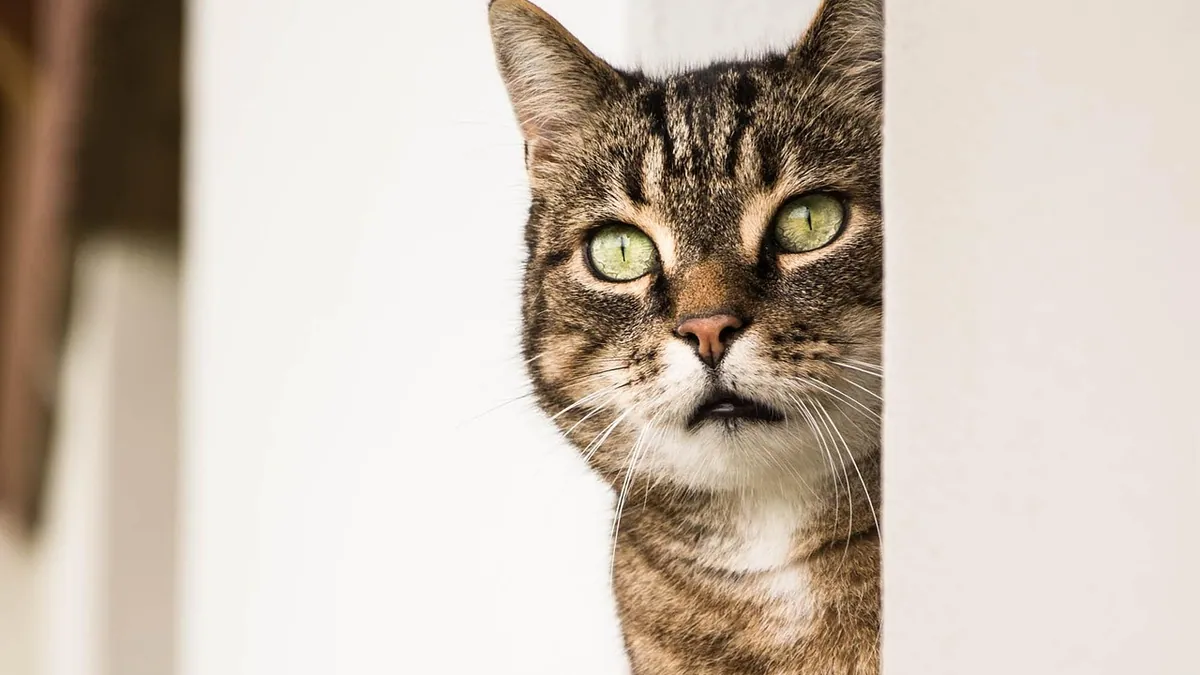
Omeprazole for cats uses centers on reducing stomach acid when a cat has true acid-related disease, such as esophagitis or gastroduodenal ulceration. It is not a routine drug for every vomiting cat, and it is not a pain reliever or a general stomach soother. Your veterinarian decides whether your cat actually needs it after examining the cause of the symptoms.
This article is educational and is not a substitute for veterinary diagnosis or treatment.
Quick Answer
- Omeprazole is a proton pump inhibitor (PPI) that strongly suppresses stomach acid, and it is reserved for cats with confirmed or strongly suspected acid-related disease, not for mild or occasional vomiting [1].
- Acid-related disorders like esophagitis and gastroduodenal ulceration are uncommon in cats, so many cats prescribed acid suppressants may not need them [1].
- In cats, omeprazole has been studied at 1 mg/kg given by mouth every 12 hours for 10 days in a drug interaction study, but your veterinarian sets the actual dose and duration [2].
- Give omeprazole on an empty stomach when possible, because food in the stomach reduces how well the drug is absorbed. Ask your veterinarian for the exact timing that fits your cat's schedule.
- Never start, stop, or change the dose on your own, and never give a human omeprazole product without veterinary guidance.
What Omeprazole Is and What Veterinarians Use It For
Omeprazole belongs to a drug class called proton pump inhibitors. These drugs shut down the tiny acid pumps inside the stomach lining cells, which cuts acid production far more than antacids or H2 blockers can. In cats, that power is both the benefit and the risk.
The clearest accepted use is treating acid-related damage. Esophagitis (inflammation of the esophagus from acid reflux) and gastroduodenal ulceration are uncommon in cats, but when they happen they can cause severe illness, and targeted acid suppression is part of treatment [1]. Your veterinarian may also use omeprazole when a cat has a condition that raises ulcer risk, such as certain cancers, severe stress, or long-term steroid or anti-inflammatory use.
One newer area of interest is Giardia. A study of 48 naturally infected cats compared omeprazole at 1 mg/kg per day for 7 days against metronidazole, secnidazole, and placebo, looking at fecal cyst shedding and clinical signs [3]. This is early research, and it does not mean omeprazole has replaced standard Giardia treatment. If your cat has Giardia, follow your veterinarian's plan.
Omeprazole is also sometimes discussed for cats with chronic kidney disease (CKD). CKD often causes nausea, vomiting, and poor appetite, and owners frequently ask whether acid suppression will help. The honest answer is that acid suppression helps only when excess stomach acid is truly part of the problem. CKD nausea has many drivers, including uremic toxins and dehydration. If your cat has CKD and is not eating well, the more reliable path is a kidney-friendly diet and targeted medical care. These articles explain the nutrition side in detail: What Cat Food Is Best For Kidney Disease and Chronic Kidney Disease in Cats. For cats in later stages, Treatment For Kidney Failure In Older Cats covers the broader treatment picture.
Omeprazole for Cats Before Surgery
Pre-surgery use is another common question. Some veterinarians prescribe omeprazole before anesthesia, especially if a cat has a history of reflux, vomiting, or a known ulcer. The logic is simple: an empty stomach plus reduced acid may lower the risk of acid injury to the esophagus during anesthesia.
There is no single standard rule that every cat needs omeprazole before surgery. Your surgical team weighs the cat's history, the procedure, and other medications. If your cat is already on omeprazole, tell the surgeon and the anesthesia team, and ask whether to give the morning dose on surgery day. Never give extra doses to "cover" a missed one before surgery.
How Omeprazole Works
Stomach acid is made by pumps in specialized cells. Omeprazole blocks those pumps directly and permanently for the life of each pump, so acid production stays low until the cell builds new pumps. That is why the effect lasts longer than the drug stays in the blood.
Because the block is so thorough, omeprazole changes the stomach environment in ways that matter. Less acid can mean better healing for ulcers and less pain from reflux. It can also mean changes in how other drugs are absorbed and how the body handles certain compounds.
One cat-specific interaction is worth knowing. In a study of 10 healthy cats, giving clopidogrel (a blood thinner) together with omeprazole at 1 mg/kg every 12 hours for 10 days changed platelet function test results [2]. If your cat takes clopidogrel for a heart condition or clot risk, do not add omeprazole without asking your veterinarian first.
Dosing Basics for Cats
Your veterinarian calculates the dose from your cat's weight, diagnosis, and other health problems. Do not use a dose from a website, a friend, or a previous pet. In research settings, cats have received omeprazole at 1 mg/kg by mouth every 12 hours for 10 days [2], and naturally infected cats received 1 mg/kg per day for 7 days in a Giardia study [3]. Those are study protocols, not home dosing instructions.
How It Is Given
Omeprazole for cats usually comes as a capsule, a compounded liquid, or a flavored chew. Capsules and enteric-coated products should be swallowed, not crushed, unless your veterinarian says otherwise. If your cat is hard to pill, ask about a compounded form made for cats.
Timing With Food
Timing matters. Omeprazole works best when it reaches the stomach before a big meal, because food delays absorption. Many veterinarians ask owners to give the dose about 30 minutes before a meal, or at least on a mostly empty stomach. If your cat grazes all day, that is hard to control. In that case, give the dose at the most consistent quiet time you can manage, and tell your veterinarian how your cat actually eats. Do not skip doses just because the timing is imperfect.
Missed Doses
If you miss a dose, give it when you remember, unless it is almost time for the next one. Then skip the missed dose and continue on schedule. Never double up. If you are unsure, call your veterinarian's office. They would rather answer a quick question than treat an overdose.
Side Effects
Most cats tolerate omeprazole well when the dose and duration are appropriate. Still, any drug that strongly suppresses acid can cause problems, and long courses deserve extra caution.
| Side effect | How common or serious | What to do |
|---|---|---|
| Vomiting, diarrhea, or appetite change | Uncommon, usually mild | Note the timing and call your veterinarian if it lasts more than a day or two |
| Hiding, drooling, or resistance to the pill | Common with any oral medicine | Ask about a compounded liquid or flavored form |
| Stomach upset from acid rebound after stopping | Possible after long use | Do not stop suddenly on a long course without asking your veterinarian |
| Kidney changes (concern raised in other species) | Not confirmed in cats | Report increased drinking, urination, or lethargy right away |
| Drug interaction with clopidogrel | Documented in healthy cats | Never combine without veterinary approval [2] |
The kidney question deserves a direct answer. In humans, omeprazole has been linked to acute interstitial nephritis and acute kidney injury, and a horse study looked for early urinary markers of kidney injury during omeprazole treatment [4]. No horses in that study showed clinical signs of renal injury [4]. There is no evidence that omeprazole causes kidney disease in cats, but if your cat already has CKD, your veterinarian will monitor kidney values and weigh the benefit against the risk. That is one reason omeprazole should not be used casually in cats with kidney disease.
Long-term use also raises questions about nutrient absorption and hormone changes. A study of healthy dogs on omeprazole for 60 days found no significant change in cobalamin (vitamin B12) levels, which agrees with earlier findings in cats [5]. Gastrin levels were also measured in that study [5]. These findings are reassuring but do not mean lifelong use is harmless. Ask your veterinarian to review the plan every few months.
Who Should Not Take It and Drug Interactions
Omeprazole is not right for every cat. Your veterinarian may avoid it or use it with extra caution if your cat:
- Has known kidney disease, especially advanced CKD, because monitoring needs are higher
- Takes clopidogrel, because the combination changes platelet function in cats [2]
- Takes other acid suppressants, since stacking them is rarely justified
- Has a suspected foreign body, blockage, or toxin exposure, because acid suppression can mask or worsen the real problem
- Is pregnant, nursing, or very young, since safety data are limited
The broader lesson from veterinary practice is that acid suppressants are overprescribed. A study of omeprazole prescribing in dogs at a veterinary teaching hospital found overprescribing is common, and the authors noted potential harmful gastrointestinal and non-gastrointestinal consequences [6]. The same caution applies to cats. A review of gastroprotectants in cats notes that these drugs are among the most misused classes in veterinary and human medicine, and that very few studies evaluate their efficacy in cats [1]. If your cat has been on omeprazole for months without a clear diagnosis, it is reasonable to ask your veterinarian whether it is still needed.
Overdose and When to Call for Help
An overdose means more than the prescribed amount, a dose given too often, or a cat chewing into a pill bottle. Signs can include vomiting, drooling, diarrhea, wobbliness, or unusual sleepiness. Some cats show no signs at all, but that does not mean it is safe to wait.
If you think your cat ate omeprazole or received too much, call your veterinarian or a pet poison hotline right away. Have the product name, strength, number of pills or amount of liquid, and your cat's weight ready. Do not induce vomiting unless a veterinarian tells you to.
Limitations and When to Contact a Veterinarian
Omeprazole treats acid. It does not treat cancer, kidney failure, pancreatitis, foreign bodies, or infections. If your cat's signs do not improve on treatment, the diagnosis is probably wrong or incomplete. Individual cases need a veterinarian who can examine your cat and run tests.
Contact your veterinarian the same day if your cat:
- Vomits more than two or three times in a day
- Refuses food for more than 24 hours
- Shows pain when you touch the belly
- Has black, tarry stools or vomit that looks like coffee grounds
- Seems weak, wobbly, or much sleepier than usual
Go to an emergency clinic now if your cat:
- Collapses, has trouble breathing, or has a seizure
- Vomits blood or passes large amounts of blood
- Ate a large number of omeprazole pills or an unknown amount
- Has a swollen, painful abdomen that keeps getting worse
Schedule a routine visit if your cat:
- Has been on omeprazole for weeks or months without a recheck
- Is due for bloodwork to monitor kidney values or other organs
- Needs a refill and you are not sure the drug is still helping
Frequently Asked Questions
Can I give my cat human omeprazole?
Only if your veterinarian specifically tells you to and gives you the exact dose. Human products come in strengths made for people, and cutting or compounding them at home can easily deliver the wrong amount. Your veterinarian can also prescribe a cat-friendly form that is easier to dose accurately.
Does omeprazole help cats with kidney disease?
It may help if your cat has true acid-related stomach problems on top of kidney disease, but it does not treat kidney disease itself. CKD nausea has many causes, and diet and other medical care usually matter more. Ask your veterinarian whether acid suppression is actually part of your cat's plan.
Should my cat take omeprazole before surgery?
Sometimes, but not always. Your surgical team decides based on your cat's history of reflux, vomiting, or ulcers. Tell them every medication your cat takes, including omeprazole, and follow their instructions about the morning of surgery.
How long can a cat stay on omeprazole?
The length depends on the diagnosis. Short courses are common for ulcers or reflux, while longer use needs regular rechecks. Ask your veterinarian to set a stop date or a review date when the prescription starts.
What if my cat vomits right after the dose?
Do not give another dose. Wait until the next scheduled time and call your veterinarian to report it. If vomiting happens often after dosing, your cat may need a different form or a different treatment plan.
Related Articles
- What Cat Food Is Best For Kidney Disease
- What Is A Good Cat Food For Kidney Disease
- Treatment For Kidney Failure In Older Cats
- Chronic Kidney Disease in Cats
- Can You Give Your Dog Omeprazole for Acid Reflux?
- Chronic Kidney Disease CKD in Cats: Stage 1-4 Renal Management Guide
- Omeprazole for Cats: Side Effects and OTC Safety
- Famotidine for Cats With Kidney Disease: Safe or Not?
- Pepcid for Cats With Kidney Disease or IBD
References
- Rational use of gastroprotectants in cats: An evidence-based approach. Journal of feline medicine and surgery, 2024.
- The effect of concurrent clopidogrel and omeprazole administration on clopidogrel metabolism and platelet function in healthy cats. Journal of veterinary internal medicine, 2024.
- Omeprazole as a Novel Treatment Option for Giardiasis in Cats. Veterinary medicine and science, 2026.
- Effects of omeprazole therapy administered via different routes on urinary parameters and selected interleukins in horses with equine gastric ulcer syndrome. Journal of equine veterinary science, 2026.
- Prospective Randomized Controlled Clinical Trial of the Long-Term Effects of Omeprazole on Healthy Dogs. Animals : an open access journal from MDPI, 2024.
- Prevalence and appropriateness of omeprazole prescription in dogs at a veterinary teaching hospital before and after the publication of the ACVIM consensus statement on the rational administration of gastrointestinal protectants. Frontiers in veterinary science, 2024.