Olive Leaf: Benefits and Safety for Pets
By Dr. Zubair Khalid, DVM, MS, PhD ·
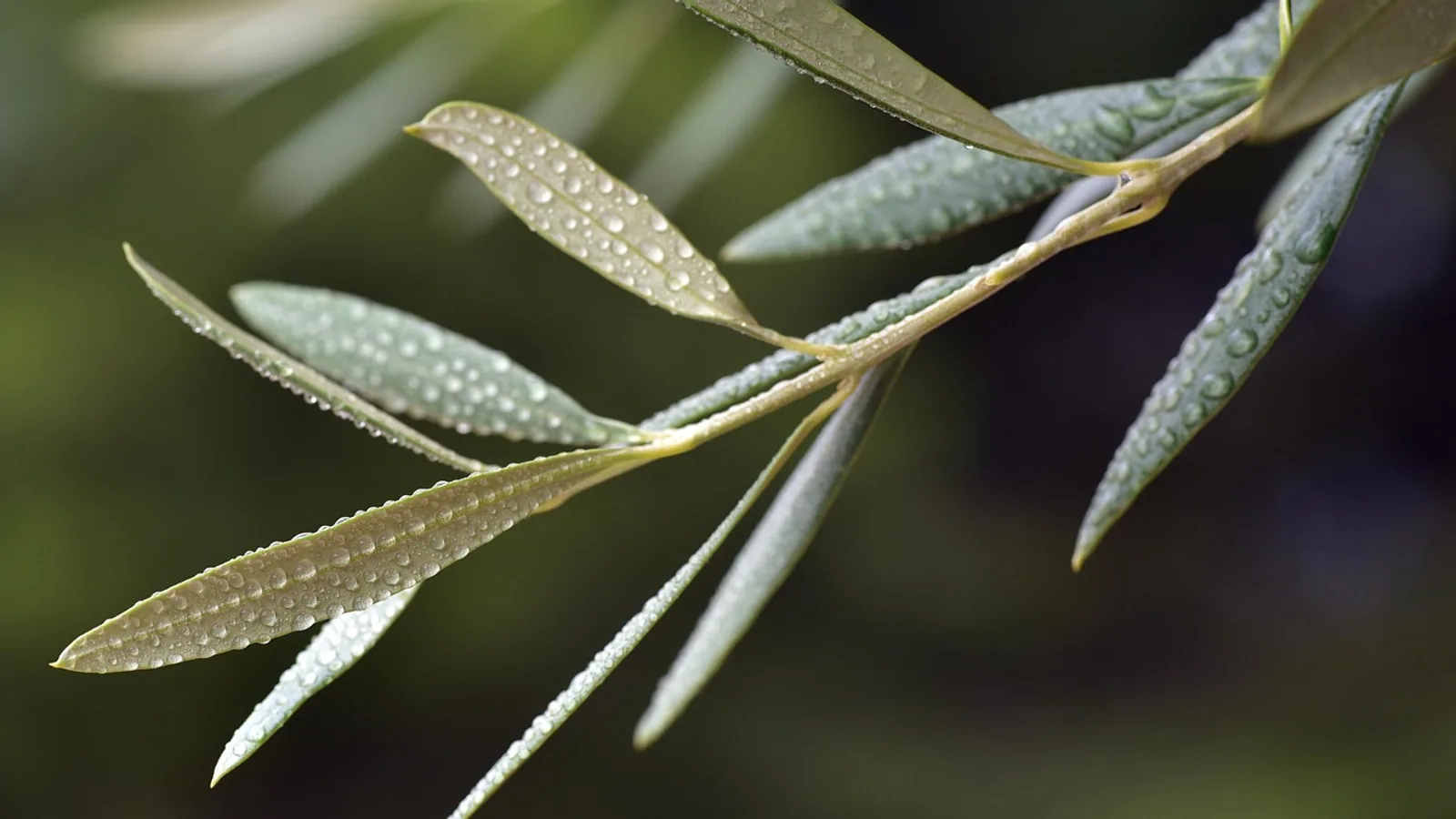
Olive leaf is the dried or extracted leaf of the olive tree, Olea europaea L. It is sold as a dietary supplement for people and, increasingly, as a pet supplement marketed for immune support, blood sugar control, dental and skin health, and general antioxidant support. Olive leaf is not an approved veterinary drug in the United States. It has no FDA-approved animal drug application, no established dose for dogs or cats, and no veterinary label reviewed for safety in pets. The evidence base in dogs and cats is thin. Most of what is known comes from laboratory work in cell cultures, feeding trials in poultry, sheep, and fish, and rodent models of diabetes, with a small number of human clinical trials. This article reviews what the active compounds are, what the evidence actually shows, how the supplement is given, what side effects and interactions have been reported, and which animals should not receive it.
This article is educational and is not a substitute for veterinary diagnosis or treatment.
At a Glance
| Feature | Detail |
|---|---|
| Active compounds | Oleuropein, hydroxytyrosol, and related polyphenols, plus elenolic acid in some standardized extracts [1][2] |
| Regulatory status | Dietary supplement in the United States. Not an FDA-approved veterinary drug. No approved animal dose |
| Common label forms | Capsules, tablets, powders, tinctures, and standardized extracts (for example, extracts standardized to a percentage of oleuropein or elenolic acid) [1][3] |
| Species on the label | Most products are labeled for human use. Pet-labeled products exist but are not reviewed as animal drugs |
| Minimum age or weight on the label | Varies by product. Human products typically carry adult human labeling |
| How it is given | Orally, by mouth, usually mixed into food or given as a capsule or tablet [3] |
| How fast it works | Not established in dogs or cats. Human and animal studies use treatment periods of weeks to months [4][5] |
| How long it lasts | Not established. Effects in human trials were measured after 14 to 24 weeks of daily use [4][5] |
| Prescription or over the counter | Over the counter. No veterinary prescription required |
| Main safety concerns | Gastrointestinal upset and possible hypoglycemia, based on case reports and human trial data [4][3] |
| Key interactions | Antidiabetic drugs, antihypertensive drugs, and immunosuppressants, based on pharmacology and human data [4][5][3] |
What Olive Leaf Is and What It Is Marketed For
Olive leaf supplements are made from the leaves of the olive tree. The leaves are a byproduct of olive oil and table olive production, and they contain a family of phenolic compounds that has attracted research interest for decades [2]. The two compounds discussed most often are oleuropein, the bitter glycoside that gives olive leaf its characteristic taste, and hydroxytyrosol, a smaller phenolic molecule formed when oleuropein breaks down [2].
VCA Animal Hospitals lists olive leaf as a supplement used in pets, and notes that it is not a drug and has not been evaluated by the FDA for safety or effectiveness in animals [3]. That distinction matters. A supplement can be sold without proof that it works, without a defined dose for the species it is given to, and without the manufacturing controls that apply to approved veterinary drugs.
Marketers promote olive leaf for a wide range of uses in pets. Common claims include:
- Immune support and "natural antibiotic" activity
- Blood sugar support in diabetic pets
- Blood pressure support
- Antioxidant and anti-inflammatory support
- Dental, skin, and coat health
- General wellness and longevity
Each of these claims needs to be weighed against the actual evidence. In most cases, the evidence comes from species other than dogs and cats, from laboratory models rather than living animals, or from studies that were not designed to test the claim being made.
The Active Compounds: Oleuropein and Hydroxytyrosol
The phenolic content of olive leaf is the basis for nearly all of its proposed benefits. A review of the polyphenols in olive leaf describes oleuropein as the compound most closely associated with antioxidant, antihypertensive, hypoglycemic, hypocholesterolemic, and cardioprotective activity, along with an anti-inflammatory effect [2]. Hydroxytyrosol is the other major phenolic of interest, and it is often described alongside oleuropein in discussions of olive leaf bioactivity [2].
Different extracts contain different compounds at different concentrations. A standardized olive leaf extract tested against influenza virus in cell culture was characterized by high performance liquid chromatography and mass spectrometry, and its content of elenolic acid was determined separately [1]. An extract used in a fish study was analyzed by HPLC, and oleuropein, quercetin, and trans-ferulic acid were identified as its most prominent active components [6]. This variability is one of the central problems with olive leaf supplements. Two products labeled "olive leaf extract" can contain very different amounts of oleuropein, hydroxytyrosol, and other phenolics, and the label may not tell you which compounds are present or in what quantity.
For a pet owner, the practical consequence is that a study result obtained with one specific extract does not automatically apply to the bottle on the shelf. A product standardized to a stated percentage of oleuropein is not the same as a plain dried leaf powder, and neither is the same as the elenolic acid rich extract used in the antiviral study [1].
How Olive Leaf Is Thought to Work
Olive leaf polyphenols are proposed to act through several mechanisms. None of these mechanisms has been confirmed as the reason for a clinical benefit in dogs or cats.
Antioxidant activity
Oleuropein and hydroxytyrosol are antioxidants in laboratory assays. In a study of diabetic rabbits, oleuropein given at 20 mg/kg body weight for 16 weeks reduced malondialdehyde, a marker of oxidative stress, and restored several enzymatic and non-enzymatic antioxidant parameters toward normal values [7]. In diabetic rats, olive leaf extract treatment reduced malondialdehyde levels and increased superoxide dismutase and catalase activity in heart tissue [8]. These are rodent and rabbit findings. They show that olive leaf compounds can influence oxidative stress markers in laboratory animals, but they do not show that the same effect occurs in dogs or cats, or that it changes the course of any disease.
Effects on glucose and insulin
The hypoglycemic hypothesis for olive leaf is the most studied. Early work identified oleuropeoside as a compound with hypoglycemic activity in animals with alloxan-induced diabetes, and proposed two mechanisms: potentiation of glucose-induced insulin release and increased peripheral uptake of glucose [9]. A rat study using olive leaf extract at 200 and 400 mg/kg by gavage for 21 days examined diabetic complications through thiol disulfide homeostasis, a marker of oxidative stress [10]. Other rodent work has examined olive leaf extract in streptozotocin-induced diabetes, including effects on cardiac fibrosis and hypertrophy [11] and on inflammatory and apoptotic markers in heart tissue [8]. A study combining olive leaf extract with vanadium complexes tested the mixture in vitro for intestinal toxicity and hypoglycemic activity, with the goal of reducing the metal toxicity of the vanadium compounds [12].
The most relevant human evidence is mixed. A controlled trial of 500 mg olive leaf extract taken once daily for 14 weeks in 79 adults with type 2 diabetes found significantly lower HbA1c and fasting plasma insulin levels in the treated group, while postprandial insulin levels did not differ significantly between groups [5]. A later pilot randomized controlled trial, the ESOLED study, randomized 31 adults with type 2 diabetes to olive leaf extract or placebo for 24 weeks and found no statistically significant time-group interaction for HbA1c, diabetes-related distress, or health-related quality of life [4]. Participants receiving olive leaf extract showed greater improvement in insulin sensitivity than those on placebo, but the difference between groups over time was not significant [4]. Both trials reported that the extract was well tolerated [4][5].
Two human trials with different results is a familiar pattern in supplement research. The honest summary is that olive leaf extract may have a modest effect on glucose markers in some people, that the effect is not reliably reproduced, and that no equivalent trial has been done in dogs or cats.
Antimicrobial and antiviral activity in the laboratory
Olive leaf extracts have shown antimicrobial activity in laboratory settings. A standardized olive leaf extract rich in elenolic acid was tested against influenza virus in Madin-Darby Canine Kidney cells, a laboratory cell line, and showed dose-dependent neuraminidase inhibitor activity and preserved cell viability under viral infection when compared with oseltamivir [1]. This is an in vitro result. It does not mean olive leaf treats influenza in dogs, and the cell line used happens to be of canine kidney origin, which is a laboratory convenience rather than evidence of a canine clinical effect.
A separate study used olive leaf extract to biosynthesize nickel oxide nanoparticles and tested the resulting material for antiparasitic activity against adult ticks and antimicrobial activity against several bacteria and fungi [13]. The activity in that study belongs to the nanoparticles, not to olive leaf extract given to an animal.
Anti-inflammatory and analgesic activity
In rats, olive leaf extract produced dose-dependent analgesia in the tail-flick and hot-plate tests and reduced pain responses in both phases of the formalin test, and it potentiated the antinociceptive effect of morphine while blocking low-dose morphine-induced hyperalgesia [14]. These are rat experiments using injected extract. They are interesting for understanding the pharmacology of olive leaf, but they do not establish an oral analgesic dose for dogs or cats, and no veterinary pain guideline lists olive leaf as an analgesic.
What the Evidence Actually Shows
It helps to separate claims by the strength of the evidence behind them. The table below summarizes the state of the evidence for the most common olive leaf claims.
| Claim | Evidence level | What the evidence shows |
|---|---|---|
| Antioxidant activity | Laboratory and animal models | Reduces oxidative stress markers in diabetic rats and rabbits [8][7]. No dog or cat clinical data |
| Blood sugar lowering | Human trials with conflicting results, plus rodent models | One human trial found lower HbA1c and fasting insulin [5]. A later pilot trial found no significant difference from placebo [4]. Rodent studies show effects on glucose and oxidative markers [10][11][9] |
| Blood pressure lowering | Limited human and animal data | Olive leaf polyphenols are associated with antihypertensive activity in reviews [2]. A rat study found that olive leaf extract improved most metabolic syndrome signs but not elevated blood pressure [15] |
| Antimicrobial activity | In vitro only | Activity against influenza virus in a canine kidney cell line [1]. Nanoparticle study activity belongs to the nanoparticles [13] |
| Immune support | Fish and poultry studies | Immune parameter changes in streptococcal-infected rainbow trout given olive leaf extract with or without florfenicol [6]. Poultry studies show gut and meat quality effects [16][17][18] |
| Anti-inflammatory and pain relief | Rodent models | Analgesic and morphine-interaction effects in rats given injected extract [14]. No oral dog or cat data |
| Cancer treatment or cure | No supporting evidence | Not supported by any of the reviewed sources |
| Dental health | No supporting evidence | Not supported by any of the reviewed sources |
The pattern is consistent. Olive leaf has real biological activity in laboratory systems and in some animal models. It has not been shown in controlled studies to treat any disease in dogs or cats.
What Olive Leaf Does Not Cover
Olive leaf is not a substitute for any proven veterinary treatment. It does not replace insulin or other prescribed diabetes management in a diabetic pet. It does not replace antibiotics for a bacterial infection. It does not replace antiparasitic preventives. It does not replace vaccines. It does not treat cancer.
If a pet has a diagnosed condition, olive leaf should be discussed as an add-on question with the veterinarian managing that condition, not used as a replacement for the prescribed plan. Stopping or reducing a prescribed medication because a supplement is being given can cause serious harm, particularly with insulin, anticonvulsants, and immunosuppressants.
How Olive Leaf Is Given
Olive leaf supplements for pets are given by mouth. VCA Animal Hospitals describes olive leaf as an oral supplement [3]. Common forms include capsules, tablets, powders, and liquid extracts. Many owners open a capsule and mix the contents into food, or use a pet-specific powder or tincture.
There is no established dose of olive leaf for dogs or cats. The doses used in published animal studies are research doses given under controlled conditions, often by injection or gavage, and they cannot be translated into a safe or effective dose for a pet at home. A rat study used 200 mg/kg and 400 mg/kg by gavage [10]. A rat study of cardiac effects used 100, 200, and 400 mg/kg [11][8]. An early study identified activity of oleuropeoside at 16 mg/kg in animals [9]. None of these are dog or cat doses, and none should be used to calculate a dose for a pet.
The only responsible approach is to follow the dose printed on the specific product label, if the product has a pet label, and to confirm that dose with a veterinarian before giving it. If a product is labeled only for humans, it does not have a pet dose, and a veterinarian should be consulted before any use.
Giving it safely
A few practical points apply to any supplement given to a pet:
- Introduce one new supplement at a time so that any reaction can be traced to its source.
- Give it with food unless the label says otherwise, which reduces the chance of stomach upset.
- Record the start date, product name, lot number, and dose so that a veterinarian has accurate information if a problem develops.
- Do not combine multiple supplements with overlapping claims without veterinary review.
Side Effects and What to Do About Them
The most commonly reported problems with olive leaf in people are gastrointestinal. The ESOLED trial reported that olive leaf extract and placebo were both well tolerated, with no severe or serious adverse events in either group [4]. The earlier human trial also did not report serious adverse events [5]. These trials used specific standardized extracts at specific doses, so they do not guarantee the same tolerability for every product or for every pet.
VCA Animal Hospitals notes that olive leaf can cause gastrointestinal upset and that it may lower blood sugar [3]. In a pet, the signs to watch for include:
- Vomiting
- Diarrhea
- Reduced appetite
- Lethargy or weakness
- Signs consistent with low blood sugar, such as wobbliness, confusion, trembling, or collapse
If a pet vomits or has diarrhea after starting olive leaf, stop the supplement and contact a veterinarian. If a pet shows signs of low blood sugar, weakness, wobbliness, or collapse, treat it as an emergency and seek veterinary care immediately. Do not wait to see whether the signs resolve on their own.
Any suspected adverse reaction to a supplement can also be reported to the FDA through its safety reporting program for animal products. Reporting helps regulators track problems with products that are not reviewed before sale.
Which Animals Should Not Receive Olive Leaf
Olive leaf should not be given to the following groups without explicit veterinary guidance:
- Diabetic pets on insulin or oral hypoglycemic drugs. The combination could lower blood sugar more than intended [4][5][3].
- Pets on blood pressure medication. Olive leaf polyphenols are associated with antihypertensive activity, and combining them with a blood pressure drug could drop blood pressure too low [2].
- Pets on immunosuppressant drugs. Olive leaf has immunomodulatory effects in some animal models, and the interaction with immunosuppressive therapy is not well understood [6].
- Pregnant or nursing pets. There are no safety studies in pregnant or lactating dogs or cats.
- Very young pets. There are no safety or dose studies in puppies or kittens.
- Pets with kidney or liver disease. There are no safety studies in pets with organ dysfunction, and the kidney is involved in clearing supplement compounds.
- Pets scheduled for surgery. Because of possible effects on blood sugar and blood pressure, tell the surgical team about any supplement use before anesthesia.
Interactions
Three interaction categories deserve specific attention.
Antidiabetic drugs
This is the interaction with the most direct supporting evidence. Human trials of olive leaf extract measured effects on HbA1c, fasting insulin, and insulin sensitivity [4][5]. Rodent studies show effects on blood glucose and oxidative stress markers in diabetic animals [10][11][8][9]. A pet receiving insulin or an oral hypoglycemic drug and also receiving olive leaf could experience additive blood sugar lowering. The result could be hypoglycemia, which is a medical emergency. Any pet on diabetes medication should have olive leaf use cleared by the veterinarian managing the diabetes, with a plan for monitoring blood glucose.
Antihypertensive drugs
Olive leaf polyphenols are associated with antihypertensive activity in the human literature [2]. A rat study of metabolic syndrome found that olive leaf extract improved or normalized most cardiovascular, hepatic, and metabolic signs but did not lower elevated blood pressure [15]. The signal is mixed, but the theoretical interaction with blood pressure medication is real enough that it should be discussed with a veterinarian before combining them.
Immunosuppressants
Olive leaf extract altered cutaneous mucosal immune parameters and intestinal immune gene expression in streptococcal-infected rainbow trout, including effects on immunoglobulin and cytokine markers [6]. That is a fish study, not a dog or cat study, but it confirms that olive leaf compounds can influence immune signaling. For a pet on an immunosuppressant drug, the interaction is unpredictable and should be reviewed by the prescribing veterinarian.
Other considerations
Any supplement can interact with any drug through effects on absorption, metabolism, or clearance. Because olive leaf products vary widely in composition, the interaction risk varies with the product. The safest approach is to give the veterinarian a complete list of everything the pet receives, including supplements, and to update that list whenever something changes.
How Olive Leaf Compares With Other Options
For most of the conditions olive leaf is marketed for, there are proven alternatives that have been tested in dogs and cats and that carry defined doses and known safety profiles.
For diabetes, the proven approach is a prescribed insulin or oral hypoglycemic protocol, a controlled diet, and regular monitoring of blood glucose and HbA1c-type markers. Olive leaf is not a substitute for any of these.
For infection, the proven approach is a veterinary examination, appropriate diagnostics, and a prescribed antibiotic or antiviral if one is indicated. Olive leaf's antimicrobial data come from laboratory systems, not from treated dogs or cats [1].
For pain and inflammation, the proven approach is a veterinary pain assessment and a prescribed analgesic or anti-inflammatory plan. The rat analgesic data for olive leaf used injected extract and do not translate to an oral pet dose [14].
For general antioxidant support, several veterinary diets and supplements have been formulated with specific antioxidants and tested in dogs and cats. Olive leaf has antioxidant activity in laboratory assays and in rodent models [8][7], but it has not been tested as an antioxidant supplement in dogs or cats.
Questions to Ask a Veterinarian
Before starting olive leaf for a pet, bring these questions to the veterinarian:
- Does my pet have any condition that olive leaf could affect, such as diabetes or high blood pressure?
- Is my pet taking any medication that could interact with olive leaf, including insulin, blood pressure drugs, or immunosuppressants?
- Is there a specific product and dose you would recommend, or would you prefer we not use it?
- What signs of a bad reaction should I watch for, and when should I call you?
- Should we monitor blood glucose or blood pressure while my pet is on this supplement?
- How long should we try it before deciding whether it is helping?
- Are there proven alternatives for the problem I am trying to address?
- Should I stop the supplement before any planned surgery or procedure?
Limitations and When to Contact a Veterinarian
Individual pets respond differently to supplements, and the evidence for olive leaf in dogs and cats is limited. A veterinarian who knows the pet's history is the right person to decide whether a supplement is appropriate.
Contact a veterinarian promptly if any of the following occur:
- Vomiting, diarrhea, or loss of appetite after starting olive leaf
- Weakness, wobbliness, trembling, confusion, or collapse, which may indicate low blood sugar
- Any change in behavior, energy, or drinking and urination
- Worsening of the condition the supplement was meant to help
- Any new medication being started while the pet is on olive leaf, so that interactions can be reviewed
Seek emergency veterinary care immediately for collapse, seizures, severe weakness, or repeated vomiting. Do not attempt to manage these signs at home.
Frequently Asked Questions
Is olive leaf safe for dogs?
Olive leaf is generally tolerated in the human trials that have studied it, but it is not an approved veterinary drug and has no established safe dose for dogs [4][5][3]. It can cause gastrointestinal upset and may lower blood sugar, so it should be used only with veterinary guidance [3].
Is olive leaf safe for cats?
There are no published safety or dose studies of olive leaf in cats. Cats metabolize many plant compounds differently from dogs and people, so a supplement that is tolerated in dogs is not automatically safe for a cat.
Does olive leaf cure cancer in pets?
No. None of the reviewed evidence supports olive leaf as a cancer treatment. Pets with cancer should be managed by a veterinarian with proven therapies.
Can olive leaf replace insulin for a diabetic pet?
No. Olive leaf is not a substitute for prescribed diabetes treatment. Human trials of olive leaf extract showed conflicting effects on glucose markers, and no dog or cat trial has shown it can replace insulin [4][5].
Can I give olive leaf and insulin at the same time?
Only with veterinary approval and a monitoring plan. Combining olive leaf with insulin or an oral hypoglycemic drug could lower blood sugar more than intended and cause hypoglycemia [4][5][3].
Does olive leaf interact with blood pressure medication?
Olive leaf polyphenols are associated with antihypertensive activity, so combining them with blood pressure medication could lower blood pressure too much [2]. Discuss it with the prescribing veterinarian first.
What is the right dose of olive leaf for a dog or cat?
There is no established dose. Follow the dose on the specific pet product label if one exists, and confirm it with a veterinarian. Do not convert doses from rodent studies into a pet dose [10][11][9].
How long does olive leaf take to work in pets?
The onset of any effect in dogs or cats is not established. Human trials measured outcomes after 14 to 24 weeks of daily use [4][5]. If a veterinarian approves a trial, they should also set a review date to decide whether to continue.
Related Articles
- Pet Microchipping: Procedure, Registration, and Benefits
- Can Dogs Eat Strawberries Leaf
- Is Pet Insurance Worth It? A Cost-Benefit Analysis
- Can Dogs Eat strawberries? Vet Safety, Benefits & Hazards
- Can Dogs Eat watermelon? Vet Safety, Benefits & Hazards
- Can Dogs Eat blueberries? Vet Safety, Benefits & Hazards
- Is Olive Oil Good for Dogs? Benefits and Doses
- Can Dogs Eat Coconut? Benefits and Safety Limits
- Can Dogs Eat Squash? Types, Benefits, and Safety
Sources
- Anti-influenza virus activity of the elenolic acid rich olive leaf (Olea europaea L.) extract Isenolic(®).
- Polyphenols benefits of olive leaf (Olea europaea L) to human health.
- Olive Leaf - VCA Animal Hospitals
- Efficacy and safety of olive leaf extract (Olea europaea L.) for glycaemic control in adults with type 2 diabetes mellitus (ESOLED): A pilot randomised controlled trial.
- Olive leaf extract as a hypoglycemic agent in both human diabetic subjects and in rats.
- Cutaneous mucosal immune-parameters and intestinal immune-relevant genes expression in streptococcal-infected rainbow trout (Oncorhynchus mykiss): A comparative study with the administration of florfenicol and olive leaf extract.
- Hypoglycemic and antioxidant effect of oleuropein in alloxan-diabetic rabbits.
- Anti-inflammatory, anti-oxidant and anti-apoptotic effects of olive leaf extract in cardiac tissue of diabetic rats.
- Hypoglycemic activity of olive leaf.
- Antidiabetic effect of olive leaf extract on streptozotocin-induced diabetes mellitus in experimental animals.
- Cardiac hypertrophy and fibrosis were attenuated by olive leaf extract treatment in a rat model of diabetes.
- Antidiabetic potential of vanadium complexes combined with olive leaf extracts: a viable approach to reduce metal toxicity.
- High Antiparasitic and Antimicrobial Performance of Biosynthesized NiO Nanoparticles via Wasted Olive Leaf Extract.
- Olive (Olea europaea L.) leaf extract elicits antinociceptive activity, potentiates morphine analgesia and suppresses morphine hyperalgesia in rats.
- Olive leaf extract attenuates cardiac, hepatic, and metabolic changes in high carbohydrate-, high fat-fed rats.
- Effects of dietary supplementation of an oleuropein-enriched olive leaf extract on performance, carcass characteristics, intestinal health, foot pad parameters and meat quality of broilers.
- Effects of Enriched-in-Oleuropein Olive Leaf Extract Dietary Supplementation on Egg Quality and Antioxidant Parameters in Laying Hens.
- Effects of Dietary Supplementation of a Resin-Purified Aqueous-Isopropanol Olive Leaf Extract on Meat and Liver Antioxidant Parameters in Broilers.