Ofloxacin for Dogs: Uses, Side Effects, and Diarrhea
By Dr. Zubair Khalid, DVM, MS, PhD ·
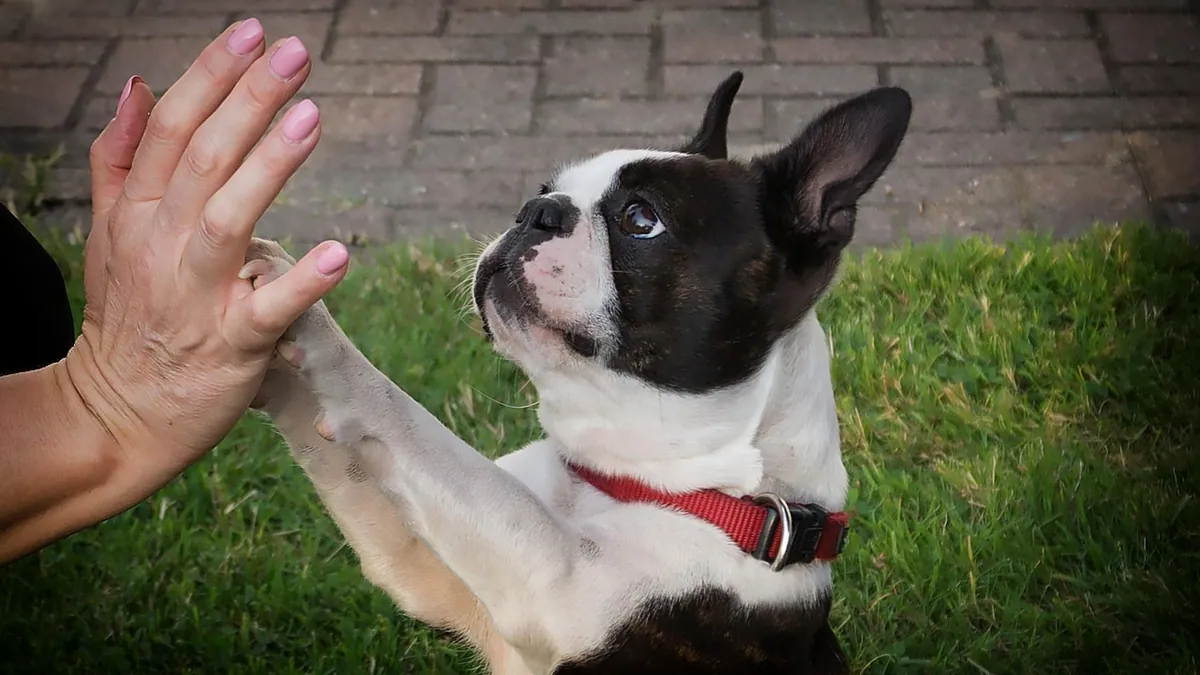
Ofloxacin for dogs side effects most often involve the digestive tract, and diarrhea is one of the most common problems owners notice during treatment. This antibiotic is sometimes prescribed for specific bacterial infections in dogs, but it is not a routine first choice for every case. This article is educational and is not a substitute for veterinary diagnosis or treatment.
Quick Answer
- Ofloxacin is a human-labeled antibiotic that veterinarians sometimes use off-label in dogs for certain bacterial infections, including some skin infections.
- Diarrhea, vomiting, and appetite loss are the most likely side effects, since antibiotics commonly upset the digestive system [1].
- Never give your dog ofloxacin left over from your own prescription or from a previous pet illness. Your veterinarian must confirm the infection and calculate the dose.
- Give the medication exactly as prescribed, and call your veterinarian if diarrhea is severe, bloody, or lasts more than a day or two.
- If your dog eats a large amount of ofloxacin by accident, call your veterinarian or Pet Poison Helpline right away [2].
What Is Ofloxacin and What Do Veterinarians Use It For?
Ofloxacin belongs to the fluoroquinolone class of antibiotics. These drugs kill bacteria by interfering with the enzymes bacteria need to copy their DNA. In human medicine, ofloxacin is used for a range of bacterial infections. In dogs, veterinarians may prescribe it off-label when a culture shows the bacteria are susceptible and other options are not a good fit.
One area where ofloxacin has been studied in dogs is skin infection. Canine pyoderma, a common bacterial skin condition, is often caused by Staphylococcus pseudintermedius, and some strains are methicillin-resistant and form biofilms that make treatment difficult [3]. In laboratory testing against these resistant biofilms, ofloxacin was more effective than gentamicin at reducing bacterial survival, and combining it with EDTA improved the effect further [3]. That does not mean ofloxacin is right for every skin infection. It means veterinarians have a reason to consider it in selected, stubborn cases.
Ofloxacin is not the same as other antibiotics you may have heard of, and it is not interchangeable with them. If your dog was prescribed a different antibiotic and you are seeing digestive upset, our guide to antibiotic side effects in dogs covers what to expect.
How Ofloxacin Works
Ofloxacin is bactericidal, which means it kills bacteria instead of just stopping their growth. It targets two bacterial enzymes involved in DNA replication. When those enzymes are blocked, the bacteria cannot repair or copy their genetic material, and they die.
Because ofloxacin works only on bacteria, it will not help with viral, fungal, or parasitic causes of illness. That is one reason veterinarians prefer to confirm a bacterial infection before prescribing it. Using antibiotics when they are not needed drives resistance, and resistant bacteria can pass between pets and people in close-contact households [4]. Owners also play a direct role here, since how antibiotics are stored and used at home affects resistance patterns in the community [5]. If your dog has diarrhea and no confirmed bacterial infection, antibiotics may not be the answer at all, which is the focus of our article on antimicrobial stewardship in canine diarrhea.
Dosing Basics for Dogs
Who decides the dose
Your veterinarian decides the dose. Ofloxacin is not approved for dogs by the FDA, so there is no standard pet label dose you can look up. Your veterinarian calculates the amount based on your dog's weight, the infection being treated, kidney and liver function, and other medications your dog takes. Never adjust the dose on your own, and never split a human tablet to guess at a pet dose.
How it is given
Ofloxacin is given by mouth, usually as a tablet. Many veterinarians recommend giving it with a small amount of food to reduce stomach upset, unless your veterinarian tells you otherwise. Follow the instructions on the label exactly, including how many times per day and how many days total. Finish the full course even if your dog seems better after a few days. Stopping early can let the infection return and can encourage resistant bacteria.
What to do about a missed dose
If you miss a dose, give it as soon as you remember, unless it is almost time for the next one. In that case, skip the missed dose and go back to your regular schedule. Do not double up to make up for a missed dose. If you are unsure, call your veterinarian's office for guidance.
Ofloxacin for Dogs Side Effects
Gastrointestinal upset is the most common side effect of antibiotics in pets, and it can show up as vomiting, diarrhea, or loss of appetite [1]. That matches what most owners report with ofloxacin. Some dogs also seem tired or off their food for the first day or two.
| Side effect | How common or serious | What to do |
|---|---|---|
| Diarrhea | Common with antibiotics, usually mild to moderate [1] | Keep giving the medication unless your vet says to stop. Offer water, and call your vet if it is bloody, very watery, or lasts more than 1 to 2 days |
| Vomiting | Common, usually mild [1] | Give the next dose with food if your vet agrees. Call your vet if vomiting repeats or your dog cannot keep water down |
| Loss of appetite | Common, usually mild [1] | Try a bland, familiar meal. Call your vet if your dog refuses food for more than 24 hours |
| Tiredness or low energy | Less common | Note the timing and call your vet if it is marked or getting worse |
| Neurologic signs such as wobbliness, twitching, or seizures | Uncommon but serious, and more likely with overdose [2] | Stop the medication and contact a veterinarian or an emergency clinic right away |
| Allergic reaction such as facial swelling, hives, or trouble breathing | Rare but serious | This is an emergency. Seek veterinary care immediately |
Ofloxacin for Dogs Diarrhea: What to Do
Diarrhea during antibiotic treatment is frustrating, but it is usually not a reason to panic. Antibiotics can shift the normal balance of bacteria in the gut, and the result is looser stools [1]. Here is a practical approach.
Keep the medication going unless your veterinarian tells you to stop. Stopping an antibiotic partway through can leave the infection undertreated.
Make sure your dog keeps drinking. Small, frequent offers of water help. If your dog is vomiting too, watch for signs of dehydration such as tacky gums, sunken eyes, or unusual lethargy.
Offer a bland, easy-to-digest meal if your veterinarian approves it. Many vets suggest small portions of plain cooked chicken and rice for a day or two, then a gradual return to the regular diet.
Do not reach for human diarrhea medications on your own. Some are unsafe for dogs, and some interact with antibiotics. Our guide to over-the-counter diarrhea medicine for dogs explains which options are safe and which are not. If you prefer home support, natural remedies for diarrhea in dogs covers gentle options, but check with your vet first.
Ask your veterinarian about probiotics. Probiotic use is growing in veterinary medicine as a way to support gut health during and after antibiotic treatment, and researchers are actively studying canine-specific strains for safety and tolerance in the digestive tract [6]. A vet-recommended product is a better choice than a random human supplement.
If the diarrhea is severe, bloody, or comes with vomiting, fever, or pain, call your veterinarian the same day. Our article on what to do when your dog has diarrhea after starting antibiotics walks through the decision points step by step.
Who Should Not Take Ofloxacin and What Interacts With It
Ofloxacin is not right for every dog. Tell your veterinarian about your dog's full medical history before you start, especially any of the following.
- Young, growing dogs. Fluoroquinolones can affect developing cartilage in growing animals, so veterinarians generally avoid them in puppies.
- Dogs with kidney or liver disease. Ofloxacin is cleared by the body in ways that can be affected by organ function, so the dose may need adjustment.
- Dogs with a known allergy to fluoroquinolones.
- Dogs with a history of seizures or neurologic disease, since neurologic side effects are possible [2].
- Pregnant or nursing dogs, unless your veterinarian decides the benefit outweighs the risk.
Drug interactions matter too. Antacids, calcium supplements, and other products containing metal ions can bind ofloxacin in the gut and reduce how much your dog absorbs. Theophylline and some other medications can interact with fluoroquinolones. Give your veterinarian a complete list of everything your dog takes, including supplements and flea and tick products.
Overdose and When to Call for Help
An overdose of antibiotics can cause problems that range from mild stomach upset to serious metabolic and nervous system effects, including seizures and death [2]. Signs of overdose can include vomiting, diarrhea, wobbliness, twitching, and seizures [2].
If your dog ate more ofloxacin than prescribed, or chewed into a bottle, do not wait for symptoms. Call your veterinarian or Pet Poison Helpline right away. Have the medication bottle with you so you can tell them the strength of the tablets and roughly how many your dog may have eaten. Quick action matters most with this class of drug.
Limitations and When to Contact a Veterinarian
This article cannot tell you whether your dog's specific symptoms are from the medication, the infection, or something else entirely. Only your veterinarian can examine your dog, review the history, and decide what to do. Individual cases need a veterinarian's judgment.
Call your veterinarian the same day if your dog has diarrhea that is bloody or very watery, vomiting that will not stop, refuses to eat for more than 24 hours, seems painful in the belly, or is much more tired than usual.
Go to an emergency clinic now if your dog has a seizure, collapses, has trouble breathing, develops facial swelling or hives, or you know or suspect a large overdose [2].
Schedule a routine recheck if the diarrhea is mild and improving, or if your dog finished the antibiotic but the original problem is not fully resolved. A recheck lets your veterinarian confirm the infection cleared and decide whether any follow-up is needed.
Frequently Asked Questions
Can I give my dog my own ofloxacin?
No. Human ofloxacin tablets are not dosed for dogs, and the wrong amount can cause harm. Your veterinarian needs to confirm the infection is bacterial and calculate a dose based on your dog's weight and health.
How long does ofloxacin diarrhea last in dogs?
Mild antibiotic-related diarrhea often settles within a day or two, but it can last as long as the course of treatment. If it is bloody, severe, or lasts beyond a couple of days, call your veterinarian.
Should I stop the antibiotic if my dog has diarrhea?
Do not stop on your own. Call your veterinarian first. In many cases the medication should continue with supportive care, but your vet may switch drugs if the reaction is significant.
Are probiotics safe to give with ofloxacin?
Ask your veterinarian before starting any probiotic. Canine-specific strains are being studied for safety and tolerance in the gut, and a vet can recommend a product that fits your dog's situation [6].
What should I do if my dog vomits right after taking ofloxacin?
Call your veterinarian for advice. Do not give another dose to replace it unless your vet tells you to, since a second dose on top of the first can lead to too much medication.
Related Articles
- What Are the Side Effects of Antibiotics in Dogs?
- Antimicrobial Stewardship in Canine Diarrhea: When Antibiotics Are Not the Answer
- What to Do If Your Dog Has Diarrhea After Starting Antibiotics
- Natural Remedy Diarrhea In Dogs
- Dog Diarrhea Medicine: Over-the-Counter Options and Safety
- Probiotics For Dogs Gut Health Side Effects
- Ofloxacin for Dogs: Dosage
- Ofloxacin and Tobramycin for Dog Ears and Eyes
- Tobramycin for Dogs: Side Effects and What to Watch For
References
- Can Antibiotics Give My Dog Diarrhea. Pet Poison Helpline.
- Antibiotic Overdose in Pets. Pet Poison Helpline.
- EDTA potentiates gentamicin and ofloxacin antibacterial activity against biofilms of methicillin-resistant Staphylococcus pseudintermedius derived from canine superficial pyoderma. Veterinary microbiology, 2026.
- The effect of pet dog exposure on gut antibiotic resistome and microbiome of their owners. Journal of hazardous materials, 2026.
- Knowledge and practice regarding antibiotic usage in dogs among pet owners in a district in South India. Journal of infection in developing countries, 2026.
- Lactic acid bacteria: potentials in canine formulas for puppies. Veterinary research communications, 2025.