Ofloxacin for Cats: Eye and Ear Uses and Side Effects
By Dr. Zubair Khalid, DVM, MS, PhD ·
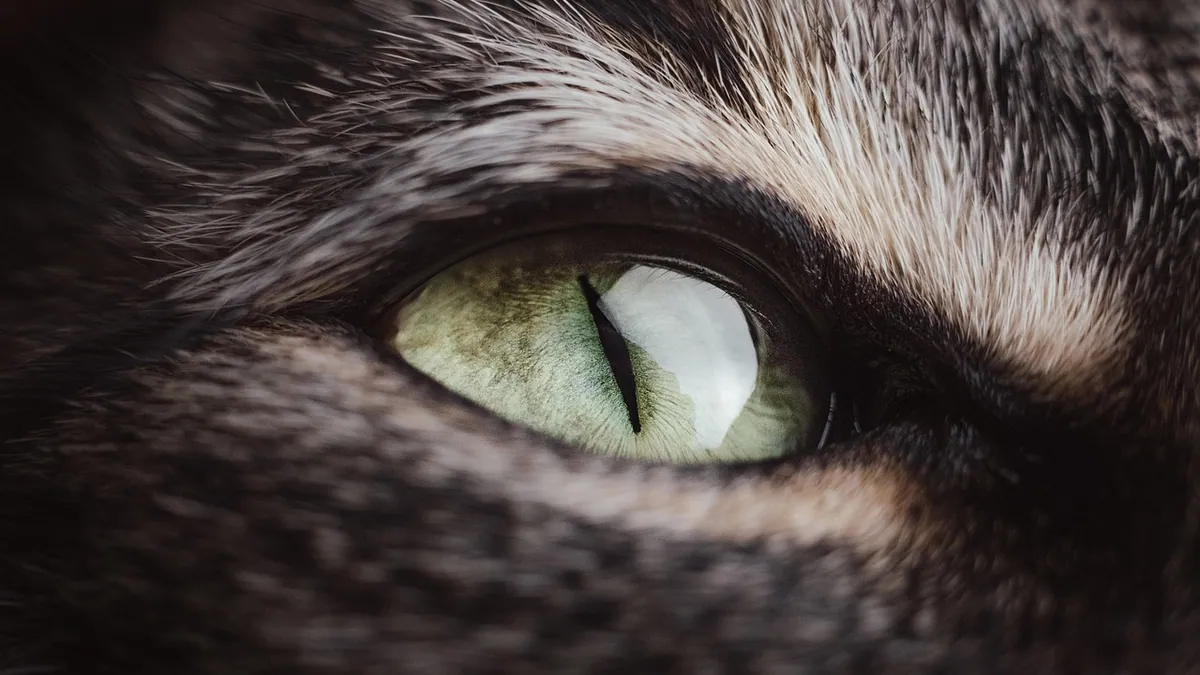
Ofloxacin for cats eyes is a prescription antibiotic drop that veterinarians use to treat bacterial conjunctivitis, corneal ulcers, and some ear infections. It kills bacteria on contact but does nothing for viral, fungal, or allergic eye problems, so a vet visit comes first. This article is educational and is not a substitute for veterinary diagnosis or treatment.
Quick Answer
- Ofloxacin is a fluoroquinolone antibiotic sold as an ophthalmic solution. Vets prescribe it for bacterial eye infections and sometimes for infected ears.
- It only works on bacteria. If your cat has watery eyes from allergies, herpesvirus, or a scratch, the drops will not fix the problem.
- Never use leftover ofloxacin from a previous pet or a human prescription. The dose and the diagnosis both matter.
- Give the full course your vet prescribes, even after the eye looks normal. Stopping early lets bacteria survive and regroup.
- Call your vet if you see swelling, hives, vomiting, diarrhea, or if the eye gets worse in the first 24 to 48 hours.
What Ofloxacin Is and What Veterinarians Use It For
Ofloxacin belongs to the fluoroquinolone family of antibiotics. In cats, the fluoroquinolones approved for systemic use are enrofloxacin and marbofloxacin, which entered the U.S. market in 1990 and 2001 [1]. Ofloxacin is not approved as an oral drug for cats, but the ophthalmic solution is widely used off-label on the surface of the eye and in the ear canal.
Your vet may reach for ofloxacin for cats eye drops when the problem is a bacterial infection. Common examples include bacterial conjunctivitis, infected corneal ulcers, and blepharitis with a bacterial component. The drop form keeps the drug mostly at the site of infection, which limits how much reaches the rest of the body.
Vets also use ofloxacin for cats ears in some cases. A bacterial otitis externa, meaning an infection of the outer ear canal, can respond to antibiotic drops. Ear infections in cats often have more than one cause, though. Yeast, ear mites, allergies, and polyps are common too. If the vet only treats bacteria and misses the yeast or the mite, the ear will keep bothering your cat.
One more point about the eye. Ofloxacin treats infection, not the underlying reason the eye got infected. If your cat has conjunctivitis from feline herpesvirus or from an allergy, antibiotics alone will not solve it. You can read more about sorting out those causes in What To Use For Conjunctivitis In Cats.
How Ofloxacin Works
Fluoroquinolones kill bacteria by blocking two enzymes the bacteria need to copy their DNA. Without working enzymes, the bacteria cannot reproduce, and the infection fades as your cat's immune system clears what is left.
This mechanism explains two practical facts. First, ofloxacin kills bacteria instead of just slowing them down, which is why it can work quickly on a simple surface infection. Second, bacteria can develop resistance to it. That is why vets want a diagnosis before handing over the bottle and why finishing the course matters.
There is also a broader concern about resistance in this drug class. A 2026 analysis of feline bacterial isolates suggested that the current breakpoints used to judge whether a bug is susceptible to enrofloxacin and marbofloxacin may be too high. Under revised breakpoints, some isolates that once tested susceptible could now test resistant [1]. In plain terms, these drugs are not unlimited. Using them only when a vet confirms a bacterial infection helps keep them working for cats who truly need them.
Dosing Basics for Ofloxacin Eye Drops
Who decides the dose
Your veterinarian does. There is no safe at-home dose for ofloxacin in cats, and the right amount depends on your cat's weight, the diagnosis, and how severe the infection is. Follow the label exactly. If the label and your memory disagree, call the clinic.
How to give the drops
Wash your hands first. Hold the bottle tip without touching your cat's eye, because a contaminated tip can reinfect the eye. Rest your hand on your cat's head so the bottle moves with any head turn. Pull the upper lid up gently to form a small pocket, squeeze one drop in, and let go. Do not touch the eyeball with the bottle.
For ear use, lift the ear flap, place the drops in the canal, then massage the base of the ear for a few seconds. Your cat will shake its head. That is expected. Wipe away what flies out with a clean tissue.
A second person makes this much easier. One holds the cat wrapped in a towel with the head steady, the other gives the medicine. Treats right after help too.
What to do about a missed dose
Give the missed dose when you remember, unless it is almost time for the next one. In that case, skip it and go back to the normal schedule. Never double up to catch up. If you miss doses often, tell your vet, because the infection may not clear.
How long treatment lasts
Your vet sets the length. Simple bacterial conjunctivitis may clear in about a week. A corneal ulcer or a deep infection can take longer. Keep going until the vet says stop, even if the eye looks perfect on day three.
Side Effects of Ofloxacin for Cats
Most cats tolerate ophthalmic ofloxacin well. The drug stays mostly on the surface of the eye, so body-wide effects are uncommon. That said, some cats react, and a few reactions need a call.
| Side effect | How common or serious | What to do |
|---|---|---|
| Brief stinging or squinting right after the drop | Common, mild | Wait a minute. If it passes, continue as directed. |
| Redness or swelling of the eyelid or conjunctiva | Uncommon, could signal irritation or allergy | Stop the drops and call your vet the same day. |
| Hives, facial swelling, trouble breathing | Rare, emergency | Stop the drops and go to an emergency clinic now. |
| Vomiting | Uncommon, usually mild | Call your vet if it happens more than once or your cat stops eating. |
| Diarrhea | Uncommon with eye drops, more likely if the drug is swallowed or given by mouth | Call your vet if it lasts more than a day or comes with lethargy. |
| Decreased appetite or low energy | Uncommon | Call your vet the same day. |
The diarrhea question comes up a lot. When a cat gets eye drops, a little runs down the tear duct into the throat and gets swallowed. That small amount rarely causes gut upset. If your cat has been on oral antibiotics instead, diarrhea is a more realistic concern. Antibiotics can shift the gut bacteria that keep digestion steady. In a 30-day study of fish exposed to ofloxacin, researchers found liver and intestinal damage along with changes to the gut microbiota [2]. Fish are not cats, and that study used water exposure, not eye drops. Still, it is a reminder that antibiotics can affect the gut, so loose stool during treatment deserves a phone call instead of a shrug.
If your cat is on other medications, some of them carry their own side effect lists. Allergy drugs, steroids, seizure medicines, and itch medications all have their own profiles. You can compare notes in Cat Allergy Medication Side Effects: What to Watch For and What Are the Side Effects of Seizure Medication in Cats?.
Side effects that mean stop and call
Stop the drops and call your vet if you see any of these:
- The eye gets more red, more swollen, or more painful after starting treatment.
- Your cat paws at the eye constantly or holds it shut.
- A cloudy spot appears on the cornea.
- Your cat stops eating or seems depressed.
- You see hives, swelling around the face, or any trouble breathing. This one is an emergency.
Who Should Not Take Ofloxacin and What Interacts With It
Ofloxacin ophthalmic solution is not for every cat. Tell your vet about all of these before you start:
- A known allergy to fluoroquinolones. A previous reaction to any drug in this family is a reason to choose something else.
- A corneal ulcer that has not been checked. Some eye medicines can slow healing or cause harm on an open ulcer. Your vet needs to stain the eye first.
- A ruptured eardrum. If the eardrum is torn, drops placed in the ear can reach the middle ear. Your vet should examine the ear before you put anything in it.
- Pregnancy or nursing. Your vet will weigh the risks and benefits.
- Kittens. Young animals are handled differently, and the vet will decide if this drug is appropriate.
Drug interactions with eye drops are limited because so little reaches the bloodstream. The bigger interaction risk comes from other eye drops used at the same time. If your cat is on more than one eye medicine, ask your vet about spacing and order. Some drops should go in first, and some should wait several minutes so the first one is not washed away.
Do not mix in human eye drops, herbal rinses, or home remedies without asking. Some of them sting, some carry preservatives that irritate a healing eye, and some can make an ulcer worse.
Overdose and When to Call for Help
An overdose from eye drops is unlikely, but it can happen if a cat chews open a bottle or if a child gives extra drops. Signs to watch for include vomiting, drooling, wobbliness, and loss of appetite.
If you think your cat swallowed ofloxacin or received far too much, call your veterinarian or an animal poison control hotline right away. Have the bottle with you so you can read the strength and the amount involved. Do not wait for symptoms to appear before you call.
If the eye itself looks worse after an accidental extra dose, rinse the eye gently with plain saline or lukewarm water and call the clinic.
Limitations and When to Contact a Veterinarian
Ofloxacin is a tool, not a cure-all. It cannot fix a viral infection, an allergy, a foreign body, a tumor, or a scratch that keeps getting reinjured. It also cannot fix an ear infection that is driven by yeast or mites. If your cat is not improving on the drops, the diagnosis may need a second look.
Call your vet the same day if:
- The eye or ear looks worse after 24 to 48 hours of treatment.
- Your cat is squinting, pawing, or holding the eye closed more than before.
- You see discharge that turns yellow or green, or a new cloudy spot on the eye.
- Your cat vomits, has diarrhea that lasts more than a day, or stops eating.
- You cannot get the drops in and doses are being missed.
Go to an emergency clinic now if:
- Your cat has trouble breathing, hives, or swelling of the face or throat.
- The eye bulges, bleeds, or looks ruptured.
- Your cat suddenly cannot see or bumps into furniture.
- Your cat collapses, has a seizure, or is unresponsive.
Schedule a routine recheck if the eye looks better but your cat still squints sometimes, or if the infection keeps coming back. Repeat infections often point to an underlying problem like allergies, herpesvirus, or a blocked tear duct.
Every cat is different, and only your veterinarian can examine your cat, run the right tests, and choose the right treatment. If something feels off, make the call. That is what the clinic is there for.
Frequently Asked Questions
Can I use ofloxacin eye drops on my cat without a prescription?
No. Ofloxacin is a prescription antibiotic, and using it without a diagnosis can delay the right treatment. If your cat has a viral infection or an allergy, the drops will not help and the real problem will keep going. Always have a vet look at the eye first.
How fast should ofloxacin work on a cat eye infection?
Many simple bacterial infections start to improve within a few days of starting the drops. If you see no change at all after 48 hours, or the eye looks worse, call your vet. Slow response can mean the diagnosis is wrong or the bacteria are resistant.
Can ofloxacin eye drops cause diarrhea in cats?
It is uncommon, but possible. A small amount of the drop drains into the throat and gets swallowed, and some cats react to that with loose stool. If diarrhea lasts more than a day or comes with vomiting or lethargy, call your vet.
Is ofloxacin safe for kittens?
Only if your veterinarian prescribes it after an exam. Young cats handle drugs differently, and the vet will decide whether this medicine is appropriate or whether another option is safer. Never guess the dose for a kitten.
What should I do if I miss a dose of my cat's eye drops?
Give it when you remember, unless the next dose is almost due. In that case, skip the missed dose and continue on schedule. Do not give two doses at once. If you keep missing doses, tell your vet so the plan can be adjusted.
Related Articles
- Cat Allergy Medication Side Effects: What to Watch For
- Cat Prednisolone for Allergies: Side Effects and Safe Use
- What Are the Side Effects of Seizure Medication in Cats?
- What Are the Side Effects of Apoquel for Cats?
- What To Use For Conjunctivitis In Cats
- Cat Eye Conjunctivitis Treatment
- Ofloxacin for Cats: Dosage and Duration
- Neomycin and Tobramycin Eye Drops for Cats: What's Safe
- Enrofloxacin for Cats: Dosage, Side Effects, and Safety
References
- The Need for a Revision of Fluoroquinolone Breakpoints for Interpretation of Antimicrobial Susceptibility Testing of Feline Bacterial Isolates. Journal of veterinary pharmacology and therapeutics, 2026.
- Combined Toxicity of Ofloxacin and Sulfamethoxazole at Environmentally Relevant Concentrations in Mosquitofish: Histopathological Damage, Oxidative Stress, and Gut Microbiota Alterations. Toxics, 2026.