Milbemycin vs Ivermectin for Dogs: Which Is Safer?
By Dr. Zubair Khalid, DVM, MS, PhD ·
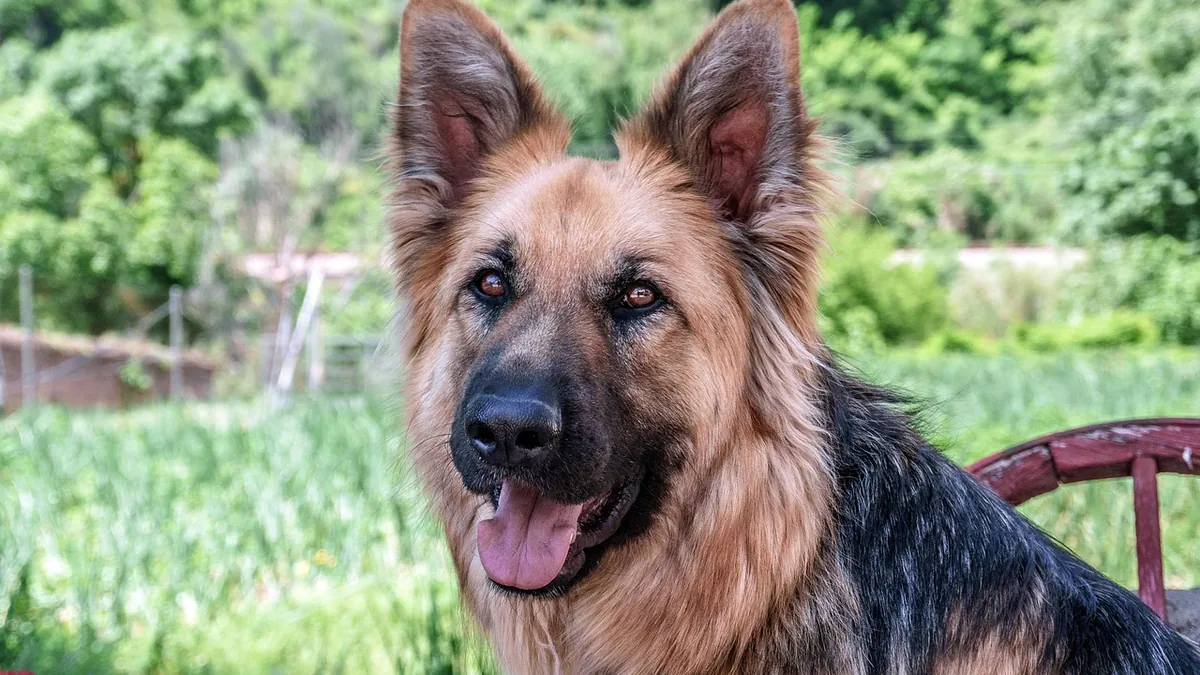
Milbemycin and ivermectin are closely related parasite drugs, and both are used in heartworm prevention for dogs. The main safety difference comes down to genetics: ivermectin can cause serious neurological toxicity in dogs with an MDR1 gene mutation, while milbemycin is generally tolerated by those same dogs at preventive doses. When owners ask about milbemycin vs ivermectin for dogs, the honest answer is that neither is "bad," but ivermectin carries a genetic risk that milbemycin largely avoids.
This article is educational and is not a substitute for veterinary diagnosis or treatment.
Quick Answer
- Both drugs kill parasites by overstimulating the parasite's nervous system, and both are used as monthly heartworm preventives in dogs [1].
- Ivermectin is the higher-risk choice for herding breeds and any dog with an MDR1 gene mutation, because the drug can cross into the brain and cause neurological damage, seizures, or death [2].
- Milbemycin oxime is widely used in combination parasite products and is generally considered the safer option for MDR1-affected dogs at label doses.
- Never give your dog an ivermectin product made for livestock, and never guess a dose. Your veterinarian sets the dose based on your dog's weight, health, and MDR1 status.
- If your dog shows wobbling, drooling, dilated pupils, tremors, or seizures after any parasite medication, call a veterinarian or poison control right away [3].
What These Medicines Are and What Veterinarians Use Them For
Ivermectin is a macrocyclic lactone, a class of drugs proven active against a wide range of parasites in veterinary medicine [1]. It is the primary ingredient in some heartworm preventive drugs, and it is also used to treat and prevent many parasitic diseases [2]. In dogs, ivermectin has been used for conditions like demodicosis (Demodex mange), where prolonged treatment remains an effective and cost-effective option in some situations [4].
Milbemycin oxime is another macrocyclic lactone. It appears in combination products, including one paired with afoxolaner that treats fleas, ticks, and intestinal nematodes in dogs [5]. In heartworm treatment protocols, a macrocyclic lactone (which can include either drug) is now a standard addition alongside melarsomine and doxycycline [6].
So the two drugs overlap a lot. The practical difference for you as an owner is not what they treat. It is who can safely take them.
How Milbemycin and Ivermectin Work
Both drugs work the same basic way. They act on glutamate-gated chloride channels in invertebrates, which causes neuromuscular paralysis in the parasite [1]. In plain terms, the drug jams the parasite's nervous system until the parasite can no longer move or feed.
The problem is that this target is not perfectly selective. In most dogs, ivermectin stays out of the brain because a normal MDR1 gene makes a pump protein that pushes the drug back out. Dogs born with an MDR1 mutation do not make that pump correctly. The medication can cross the blood-brain barrier and cause neurological damage, which can also lead to death [2].
That single genetic difference explains most of the safety gap between these two drugs.
Dosing Basics: Who Decides, How It Is Given, and Missed Doses
Your veterinarian decides the dose. There is no safe way for an owner to calculate a dose at home, especially with ivermectin, where the margin between a preventive dose and a toxic dose depends on the dog's MDR1 status and body weight.
Heartworm prevention with ivermectin is typically given orally at a minimum of 6 mcg/kg in the protocols described in the veterinary literature [7]. That number is a research reference point, not a dosing instruction for your dog. Your veterinarian will choose the exact product and amount.
Milbemycin oxime is given as part of combination chewable products, and in field studies dogs were treated once and rechecked about two and four weeks later for parasites [5]. Again, follow the label and your veterinarian's plan, not a number from an article.
If you miss a dose, call your veterinary clinic. Heartworm prevention works on a monthly schedule, and the right fix depends on how late you are and what product you use. Do not double up to catch up unless your veterinarian tells you to.
If your dog vomits after taking a preventive, do not assume the dose was absorbed. Ask your veterinarian whether to redose. For dogs with repeated vomiting, see Canine Vomiting: Therapeutic Management and Antiemetic Selection.
Side Effects: Common vs Serious
| Side effect | How common or serious | What to do |
|---|---|---|
| Mild stomach upset (vomiting, soft stool, drooling) | Uncommon and usually mild with preventives at label doses | Withhold food briefly if advised, watch closely, call your vet if it continues past a day |
| Reduced tear production (dry eye risk) | Found in a study of 128 dogs given systemic ivermectin, with tear production dropping significantly at 36 hours after treatment [8] | Ask your vet about tear testing if your dog has red, dull, or squinting eyes |
| Wobbling, unsteadiness, dilated pupils | Serious. Neurologic signs from ivermectin can start 4 to 12 hours after ingestion, with slower signs appearing over 2 to 3 days [3] | Call your veterinarian or poison control now |
| Tremors, seizures, coma | Serious and potentially fatal, especially in MDR1-affected dogs [2][9] | Emergency care immediately |
| Death | Rare but reported with ivermectin neurotoxicity [2][9] | Emergency care immediately |
One detail worth knowing: even at recommended doses, ivermectin may predispose susceptible dogs to subclinical dry eye, so quantitative tear testing is advisable in dogs on long-term treatment [8]. That is a quiet problem owners often miss until the eyes look irritated.
Who Should Not Take Ivermectin, and What Interacts With It
Dogs with the MDR1 mutation
This is the big one. Herding breeds are more likely to carry the MDR1 gene mutation, and for those dogs, ivermectin can cross into the brain and cause neurologic damage [2]. The old rule of thumb in veterinary practice is "white feet, do not treat," which flags breeds known to be sensitive [3][2].
If you own a herding breed or a mixed breed with herding ancestry, ask your veterinarian about MDR1 testing before starting any ivermectin product. Milbemycin is the more sensible default in that group.
Dogs exposed to livestock dewormers
Dogs can ingest ivermectin by eating the feces of animals treated for parasite control, including sheep and horses [2]. If your dog has access to a farm, barn, or pasture where livestock are dewormed, that exposure matters. Tell your veterinarian.
Drug interactions
Your veterinarian will review everything your dog takes, including other parasite preventives, before combining products. Do not stack multiple macrocyclic lactone products on your own.
Overdose and When to Call for Help
Ivermectin toxicity can produce encephalopathy, seizures, coma, and death, and these severe neurotoxic events show up in real-world reports even though controlled studies in healthy volunteers found the drug generally well tolerated [9]. That gap between controlled trials and real life is exactly why MDR1 status and accurate dosing matter so much.
If you suspect an overdose or your dog ate a livestock ivermectin product, treat it as an emergency. Call your veterinarian or an animal poison control hotline immediately. Do not wait for symptoms, because neurologic signs can take hours to appear [3].
Bring the product packaging with you. The concentration and formulation change the risk a lot, and your veterinarian needs that information to treat your dog.
If your dog is having a seizure, keep him away from stairs and furniture, do not put your hands in his mouth, and get to an emergency clinic now.
Limitations and When to Contact a Veterinarian
No article can tell you whether your specific dog should take milbemycin or ivermectin. That decision needs your dog's weight, age, breed background, MDR1 status, other medications, and heartworm test results. Individual cases need a veterinarian.
Call the same day if your dog has vomiting that will not stop, drooling, dilated pupils, wobbling, or unusual sleepiness after a parasite medication [3].
Go to an emergency clinic now for tremors, seizures, collapse, or trouble breathing. These are signs of serious neurologic toxicity [2][9].
Schedule a routine visit if your dog has been on long-term ivermectin and you notice red, dull, or squinting eyes, which can point to reduced tear production [8].
Ask before you switch products. If you want to move from an ivermectin preventive to a milbemycin product, or the other way around, your veterinarian should confirm timing and testing first.
Frequently Asked Questions
Is milbemycin safer than ivermectin for dogs?
For dogs with the MDR1 mutation, yes. Milbemycin is generally tolerated at preventive doses in those dogs, while ivermectin can cross the blood-brain barrier and cause neurologic damage or death [2]. For dogs with normal MDR1 function, both drugs have long safety records when dosed correctly.
Which dog breeds are sensitive to ivermectin?
Herding breeds are most likely to carry the MDR1 gene mutation that causes ivermectin sensitivity [2]. The classic veterinary saying is "white feet, do not treat," which flags the breeds at risk [3][2]. Mixed breeds with herding ancestry can carry the mutation too, so testing is the reliable answer.
Can ivermectin cause seizures in dogs?
Yes. Ivermectin can induce seizures in dogs, and the risk is highest in dogs with the MDR1 mutation [2]. Severe neurotoxic events including seizures, coma, and death have been reported in real-world use [9]. If your dog seizes after a dose, that is an emergency.
Can my dog take milbemycin and ivermectin together?
Do not combine them on your own. Both are macrocyclic lactones, and stacking them increases the total drug exposure without a clear benefit. Your veterinarian decides whether any combination is appropriate for your dog.
Does ivermectin affect my dog's eyes?
It can. In a study of 128 dogs, systemic ivermectin significantly reduced tear production at 36 hours after treatment, and the authors suggested tear testing for dogs on this drug [8]. If your dog's eyes look dry, red, or painful, have them checked.
What should I do if my dog ate ivermectin meant for livestock?
Call a veterinarian or animal poison control immediately, even if your dog seems fine. Neurologic signs can start within 4 to 12 hours, and slower signs can take 2 to 3 days to appear [3]. Bring the product label with you so the clinic knows the concentration.
Do I need an MDR1 test before starting heartworm prevention?
Ask your veterinarian. Testing is most useful if you own a herding breed or a mixed breed with herding ancestry and you are considering an ivermectin product [2]. If your dog is already on milbemycin, many veterinarians are comfortable continuing without testing, but that call belongs to your vet.
If your dog is being treated for a skin or ear infection at the same time, ask how parasite preventives fit with the rest of the plan. For background on how veterinarians choose antibiotics for skin cases, see Antibiotic Stewardship in Canine Skin Infections: Choosing Wisely and Antimicrobial Stewardship in Canine Pyoderma: From Empiric to Culture-Guided Therapy. Dosing decisions in general follow the same principle: weight, health status, and the specific drug, which is why owners should never adjust a dose at home. For a closer look at how veterinarians calculate doses, see Antibiotic Dosage Calculation for Dogs: A Practical Guide.
Related Articles
- Can Dogs Eat Nutmeg? Myristicin CNS Toxicity
- Antibiotic Dosage Calculation for Dogs: A Practical Guide
- Canine Vomiting: Therapeutic Management and Antiemetic Selection
- Antibiotic Stewardship in Canine Skin Infections: Choosing Wisely
- Antimicrobial Stewardship in Canine Pyoderma: From Empiric to Culture-Guided Therapy
- Amoxicillin Dog Cat Dose: Broad-Spectrum Antibiotic Weight-Based Guide
- Milbemycin for Dogs: Dose, Uses, and Side Effects
- Ivermectin and Selamectin for Dog Heartworm Prevention
- Ivermectin for Dogs With Mange: Does It Work?
References
- Ivermectin in veterinary medicine: a narrative review of antiparasitic efficacy, resistance evolution, antiviral evidence, and One Health implications. Frontiers in veterinary science, 2026.
- Ivermectin Seizures in Dogs. Pet Poison Helpline.
- Understanding the Symptoms and. Pet Poison Helpline.
- Pharmacokinetics and Efficacy Assessment of Long-Term Ivermectin Treatment in Canine Demodicosis: Drug Disposition and Clinical Outcomes Relationship. Journal of veterinary pharmacology and therapeutics, 2026.
- Efficacy of afoxolaner or a combination of afoxolaner and milbemycin oxime against fleas, ticks, lice and/or intestinal nematodes in dogs naturally infested in two urban areas in Brazil. Parasites & vectors, 2026.
- A retrospective comparison of two-dose and three-dose melarsomine, with doxycycline and a macrocyclic lactone, in 1246 shelter dogs. Parasites & vectors, 2026.
- Blocking Dirofilaria immitis transmission by treatment of heartworm microfilaremic dogs with doxycycline. Parasites & vectors, 2026.
- Systemic Ivermectin Administration Reduces Aqueous Tear Production and Affects Ocular Surface Health in Clinically Healthy Dogs. Veterinary ophthalmology, 2026.
- Ivermectin Toxicity in Humans and Animals: Clinical Spectrum, Mechanisms, and Management. Journal of applied toxicology : JAT, 2026.