Milbemycin and Ivermectin for Cats: What to Know
By Dr. Zubair Khalid, DVM, MS, PhD ·
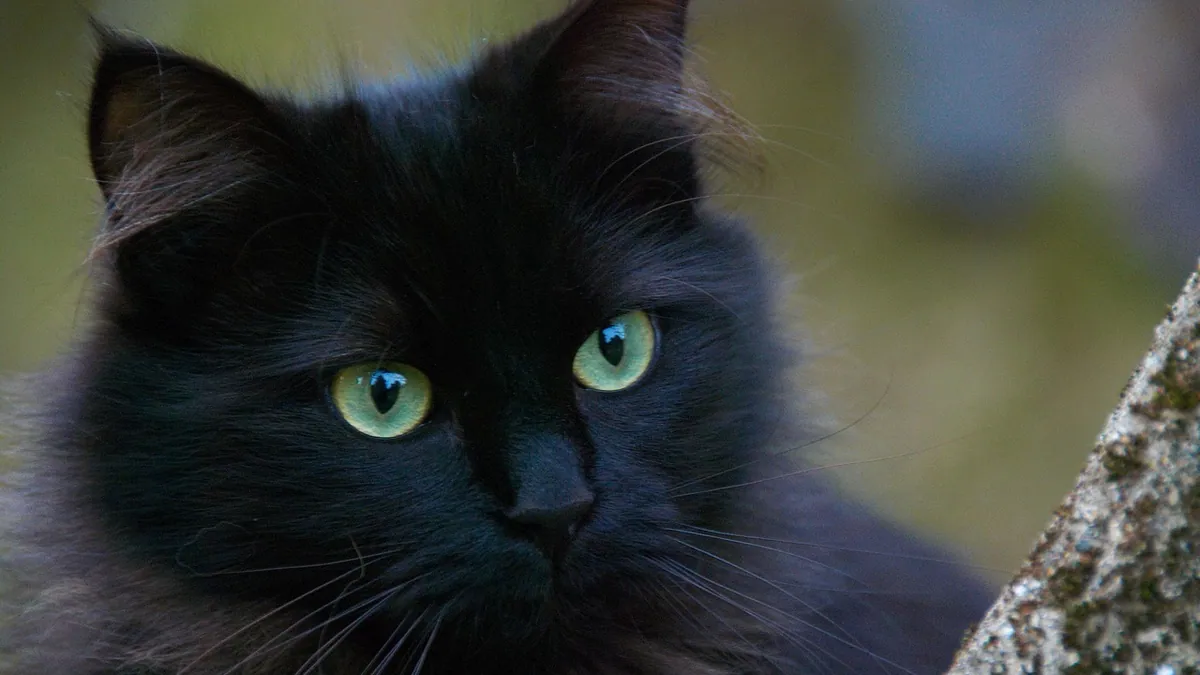
Milbemycin and ivermectin for cats belong to the same drug family, but they are not interchangeable. Milbemycin oxime is formulated and dosed for cats in approved parasite preventives, while ivermectin is much easier to get wrong in cats because of how their bodies handle it. The difference matters most for cats with a common genetic mutation that affects drug clearance.
This article is educational and is not a substitute for veterinary diagnosis or treatment.
Quick Answer
- Both drugs are macrocyclic lactones, a family of antiparasitics that includes the avermectins (ivermectin, selamectin, eprinomectin) and the milbemycins (milbemycin oxime, moxidectin) [1][2].
- Milbemycin oxime is used in cats as part of approved broad-spectrum parasite preventives, often combined with praziquantel, and its blood levels in cats have been measured in pharmacokinetic research [3].
- Ivermectin is not approved at the same easy, owner-friendly doses for cats, and cats are more sensitive to avermectin neurotoxicity than dogs [1][4].
- Cats with two copies of the MDR1 mutation (ABCB11930_1931del TC) are at high risk of severe neurologic signs from avermectin products, and 81% of eprinomectin toxicosis cases in one 2024 case series were homozygous for this mutation [1].
- Never give your cat a parasite product labeled for dogs, livestock, or people. Ask your veterinarian which product and dose fit your cat.
What Milbemycin and Ivermectin Are and What Veterinarians Use Them For
Milbemycin oxime (MBO) and ivermectin are both antiparasitic drugs in the avermectin family. They kill or paralyze certain worms, mites, and insects by interfering with nerve signaling in the parasite. In veterinary practice, milbemycin oxime is commonly paired with praziquantel in cat products to cover a broad range of internal parasites, and researchers have developed methods to measure both drugs in cat plasma after dosing [3].
Ivermectin has legitimate uses in cats, including some mite infestations, but it is usually given under veterinary direction at a carefully calculated dose. It is also widely sold for livestock and dogs, which is where many cat poisonings start. If you are researching ear mite treatment specifically, see Ivermectin Cat Ear Mites.
The two drugs are not equivalent in cats. Milbemycin oxime has an approved, studied place in feline parasite prevention [3]. Ivermectin's margin of safety in cats is narrower, and avermectin neurotoxicity is a recognized risk, especially with products that are not labeled for cats [1][4].
How These Drugs Work in a Cat's Body
Avermectins work by opening channels in parasite nerve and muscle cells, which causes paralysis and death of the parasite. The same channels exist in mammals, but in a healthy animal the drug is kept out of the central nervous system by a pump called P-glycoprotein, which is coded by the MDR1 gene (also called ABCB1).
When that pump works normally, most of the drug stays out of the brain. When it does not work, drug accumulates in the brain and neurologic signs appear. This is the core reason ivermectin and related drugs can be dangerous in cats.
Cats appear to be more sensitive than dogs to macrocyclic lactone neurotoxicity. In a 2024 case series, 26 of 27 cats with neurologic adverse effects after labeled-dose avermectin products were linked to eprinomectin, and 21 of those 26 (81%) were homozygous for the MDR1 mutation [1]. That does not mean every avermectin product is equally risky. Pharmacovigilance data on topically applied macrocyclic lactone products, including eprinomectin, showed comparable neurologic safety reporting across the topical products studied [2]. The pattern suggests that route, formulation, dose, and genetics all interact.
Milbemycin oxime behaves differently in the body depending on formulation. In dogs, oral milbemycin oxime tablets reached a peak blood concentration of 0.33 ± 0.07 µg/mL at about 2.47 hours, with an absolute bioavailability of about 51% [5]. A nanoemulsion version reached a much higher peak of 8.87 ± 1.88 µg/mL [5]. Formulation changes how much drug gets into the bloodstream, which is one reason you should never split, crush, or repurpose a product on your own.
Dosing Basics for Cats
Your veterinarian decides the dose. There is no safe owner-calculated dose of ivermectin for a cat, and even approved milbemycin products are dosed by the manufacturer for a specific weight range. Do not borrow a dose from a dog product, a livestock product, or an online chart.
How it is given depends on the product. Some feline parasite preventives are flavored oral tablets or chews. Others are topical spot-on products applied to the skin between the shoulder blades. Follow the label and your veterinarian's instructions exactly. If the product is a topical, part the fur so the liquid reaches skin, and keep your cat from grooming the area until it dries.
For a missed dose, the general rule is to give it when you remember if it is still close to the scheduled time. If it is almost time for the next dose, skip the missed one and resume the normal schedule. Do not double up. Call your veterinarian if you are unsure, especially with a topical product that may have partially washed off.
Never combine parasite products without asking your veterinarian first. Many heartworm and flea products contain overlapping macrocyclic lactones, and stacking them can push the total dose higher than intended.
Side Effects: What Is Common and What Is Serious
Most cats tolerate appropriately dosed milbemycin products well. Mild stomach upset, drooling, or a brief change in appetite can happen. Serious neurologic signs are the main concern with avermectins, and they are more likely with ivermectin, eprinomectin, and other products used off-label or at the wrong dose [1][4].
| Side effect | How common or serious | What to do |
|---|---|---|
| Mild vomiting, drooling, or soft stool | Uncommon and usually mild | Watch for 24 hours. Call your vet if it continues or your cat stops eating. |
| Sleepiness or mild wobbliness | Uncommon, potentially serious | Stop the product and call your veterinarian the same day. |
| Dilated pupils, unsteady walk, weakness | Serious, classic signs of avermectin toxicosis [4] | This is an emergency. Go to a veterinary hospital now. |
| Trouble swallowing or a drooping tongue (glossal paresis) | Serious and characteristic of eprinomectin toxicosis [4] | Emergency care is needed, and your cat may need nutritional support that bypasses the mouth [4]. |
| Tremors, seizures, collapse, coma | Life-threatening | Emergency care immediately. |
There is no antidote for avermectin toxicosis [4]. Treatment is supportive and can be prolonged. Intravenous lipid emulsion may not help cats that are homozygous for the MDR1 mutation [4]. Drugs that depress the central nervous system or that are themselves P-glycoprotein substrates can make toxicosis worse or last longer and should be avoided during treatment [4]. If your cat is on other medications, including something like Gabapentin For Cats, tell the emergency veterinarian everything your cat receives.
Who Should Not Take These Drugs and What Interacts With Them
Cats with a known MDR1 mutation are the highest-risk group. If your cat has had a severe neurologic reaction to any avermectin, do not give another one without a veterinarian's approval. MDR1 genotyping can provide supportive evidence when toxicosis is suspected [4], and it can also help you plan future parasite prevention.
Other groups that need extra caution include:
- Kittens and very small cats, because small body size makes dosing errors larger in effect.
- Cats with liver or kidney disease, since drug clearance may be altered.
- Cats already receiving another avermectin, such as a heartworm preventive plus a flea product.
- Cats receiving drugs that are P-glycoprotein substrates or central nervous system depressants, which can worsen or prolong toxicosis [4].
Collies and related herding breeds are famous for MDR1 mutations, and one study looked at whether milbemycin oxime is safe in homozygous MDR1-deficient collie dogs. In that study, dogs given milbemycin oxime alone at roughly 4.7 times the maximum recommended therapeutic dose showed only mild adverse effects, while dogs given afoxolaner alone or afoxolaner plus milbemycin oxime showed no significant adverse reactions [6]. This is dog data, not cat data, and it does not mean you can dose a cat freely. It does suggest that milbemycin oxime has a wider safety margin than some other drugs in this family when the dose is controlled.
If your cat is also on antibiotics or other medications, review the full list with your veterinarian. A weight-based antibiotic reference such as Amoxicillin Dog Cat Dose: Broad-Spectrum Antibiotic Weight-Based Guide can help you understand how vets calculate doses, but it does not replace your vet's plan. And never give human pain relievers to a cat. See Can Cats Have Tylenol? for why that is dangerous.
Overdose and When to Call a Veterinarian or Poison Control
If you think your cat received too much ivermectin, milbemycin, or any avermectin product, call for help right away. Do not wait for symptoms.
- ASPCA Animal Poison Control Center: (888) 426-4435
- Pet Poison Helpline: (855) 764-7661
Have the product name, the strength, the amount given, the time it was given, and your cat's weight ready. Bring the packaging with you if you go to a clinic.
Signs of avermectin toxicosis can start within hours and include dilated pupils, unsteady walking, weakness, and trouble swallowing [4]. Blood work is often normal in these cases, so the diagnosis depends heavily on the history you provide [4]. That makes your timeline and product details extremely valuable to the treating veterinarian.
If your cat is already showing neurologic signs, go to an emergency hospital now. Do not try to induce vomiting at home unless a veterinarian tells you to.
Limitations and When to Contact a Veterinarian
This article covers general principles. Your cat's age, weight, health conditions, other medications, and genetic status all change the risk and the right product. Individual cases need a veterinarian who can examine your cat and review the exact product.
Contact your veterinarian the same day if your cat has mild vomiting, drooling, sleepiness, or a change in appetite after a parasite product.
Go to an emergency hospital immediately if you see dilated pupils, wobbliness, weakness, trouble swallowing, tremors, or seizures. These are red flags for avermectin toxicosis [4].
Schedule a routine visit if you want to switch parasite preventives, if you are unsure whether your current product covers what your cat needs, or if you want to discuss MDR1 testing. If your cat has digestive upset after a deworming product, ask your vet whether a probiotic is appropriate. A comparison like Probiotic Supplements for Cats: Fortiflora vs Proviable Comparison can help you ask better questions, but your vet should make the call.
Frequently Asked Questions
Can I give my cat ivermectin for parasites?
Only if your veterinarian prescribes it and calculates the dose for your cat. Ivermectin is not a casual over-the-counter dewormer for cats, and avermectin neurotoxicity is a real risk, especially in cats with the MDR1 mutation [1][4]. Never use a livestock or dog product on your cat.
Is milbemycin safer than ivermectin for cats?
Milbemycin oxime has an approved, studied role in feline parasite prevention and appears to have a wider safety margin when dosed correctly [3][6]. Ivermectin is more prone to dosing errors and is linked to more reported neurotoxicity in cats. That said, any avermectin can cause problems in a susceptible cat.
What are the first signs of avermectin toxicity in a cat?
Dilated pupils, an unsteady walk, generalized weakness, and trouble swallowing are typical early signs [4]. These can progress to tremors or seizures. If you see any of them after a parasite product, treat it as an emergency.
Do all cats need MDR1 testing before parasite prevention?
No. Most cats do fine on appropriately dosed, approved products. Testing is most useful if your cat has had a neurologic reaction to an avermectin, if you know the breed line carries the mutation, or if your veterinarian wants extra information before choosing a product [4].
Can I use a dog parasite preventive on my cat?
No. Dog products often contain higher drug amounts, different active ingredients, or both. Giving a dog product to a cat can cause serious toxicity, and the dose cannot be safely adjusted at home. Ask your veterinarian for a cat-specific product instead.
Related Articles
- Ivermectin Cat Ear Mites
- Gabapentin For Cats
- Amoxicillin Dog Cat Dose: Broad-Spectrum Antibiotic Weight-Based Guide
- Can Cats Have Tylenol?
- Probiotic Supplements for Cats: Fortiflora vs Proviable Comparison
- Drug Interactions with Antidiabetic Medications in Dogs and Cats
- Milbemycin Drops for Cats: Dosing and Safety
- Ivermectin for Cats: Dosage, Safety and Alternatives
- Milbemycin Oxime for Cats: Dose, Safety, and Side Effects
- Intestinal Parasites in Dogs and Cats: Identification, Symptoms, and Treatment Options
References
- Avermectin-induced neurotoxicity and mortality reported more commonly in cats homozygous for ABCB11930_1931del TC after application of eprinomectin- versus selamectin-containing products. Journal of the American Veterinary Medical Association, 2025.
- Topically administered macrocyclic lactone products, including eprinomectin, demonstrate comparable neurological safety in cats based on pharmacovigilance data. Journal of the American Veterinary Medical Association, 2026.
- Development and validation of an LC-MS/MS method for the simultaneous quantification of milbemycin oxime and praziquantel in plasma: application to a pharmacokinetic study in cats. Frontiers in veterinary science, 2023.
- Management of Eprinomectin Neurotoxicosis in Cats. Journal of veterinary emergency and critical care (San Antonio, Tex. : 2001), 2026.
- Pharmacokinetics of Milbemycin Oxime in Pekingese Dogs after Single Oral and Intravenous Administration. Veterinary medicine and science, 2025.
- Safety of oral afoxolaner formulated with or without milbemycin oxime in homozygous MDR1-deficient collie dogs. Journal of veterinary pharmacology and therapeutics, 2022.