Keppra XR for Cats: Is Extended Release Safe or Useful?
By Dr. Zubair Khalid, DVM, MS, PhD ·
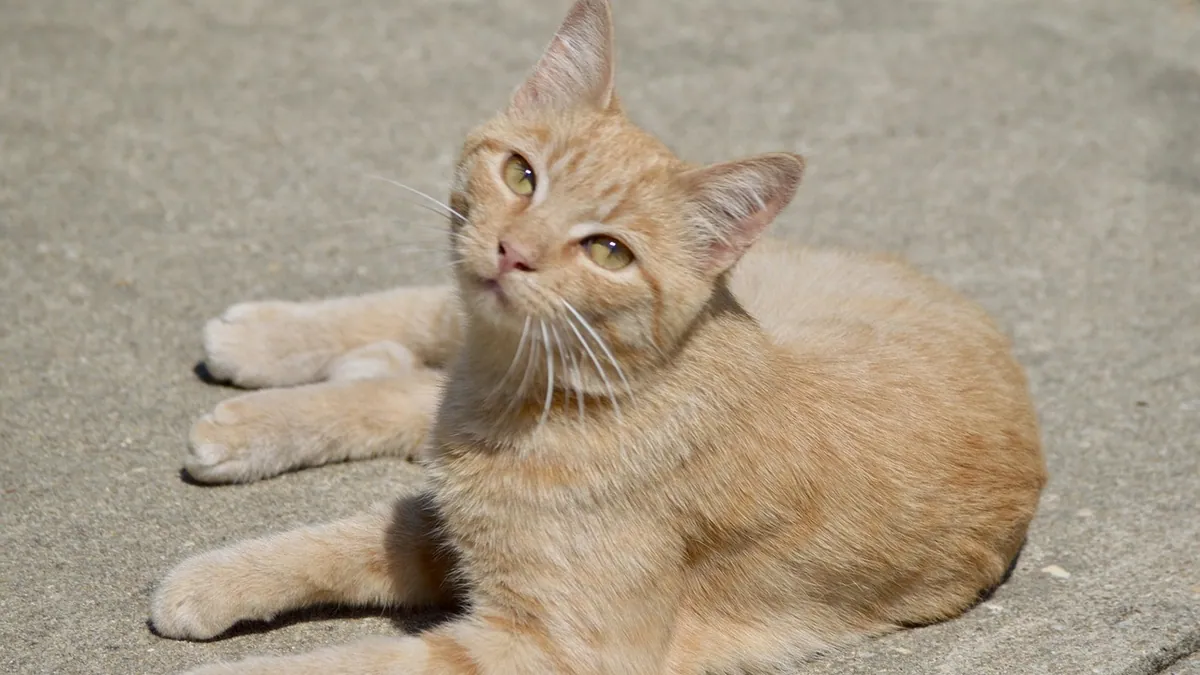
Keppra XR for cats is not a formulation veterinarians typically reach for. The extended-release tablet is designed for human dosing schedules and does not split or absorb predictably in a cat’s digestive tract. If you have Keppra XR at home and are wondering whether you can give it to your cat, the short answer is no, not without a veterinarian telling you to do so and calculating the dose for your cat.
This article is educational and is not a substitute for veterinary diagnosis or treatment.
Quick Answer
- Keppra XR (extended-release levetiracetam) is not commonly prescribed for cats because the tablet cannot be split accurately and releases drug in a way that does not match how cats absorb and clear levetiracetam.
- Immediate-release levetiracetam is the form veterinarians use in cats, and it is often dosed multiple times a day.
- Never give your cat a human Keppra XR tablet based on guesswork. Your veterinarian calculates the dose from your cat’s weight and health status.
- If your cat has a seizure emergency or you gave the wrong medication by mistake, call your veterinarian or a pet poison control hotline right away.
- If you have leftover Keppra XR, keep it out of reach of pets and ask your veterinarian how to dispose of it safely.
What Is Keppra XR and What Do Veterinarians Use It For?
Levetiracetam is an anticonvulsant medication. In human medicine it is sold under the brand name Keppra, and it comes in two main forms: an immediate-release tablet or liquid, and an extended-release tablet, often labeled Keppra XR. The extended-release version is designed to dissolve slowly so a person can take it once or twice a day instead of several times a day.
In cats, levetiracetam is used to help control seizures. It may be used alone or alongside other anticonvulsants. It is also sometimes used in cats with certain neurologic conditions where seizures or abnormal brain activity are a concern. One case report described a cat with neurologic feline infectious peritonitis that was treated with levetiracetam at 20 mg/kg every 8 hours as part of a broader treatment plan [1]. That dose and schedule came from the treating veterinarians, not from a label, and it reflects how carefully seizure drugs are managed in cats.
The extended-release form is a different product. Its behavior in the body depends on the tablet staying intact and dissolving at a controlled rate. Cats are small, and their doses are often a fraction of a human dose. That makes an extended-release tablet a poor fit for most feline patients.
How Levetiracetam Works in Cats
Levetiracetam works in a way that is different from many older seizure medications. It binds to a specific protein in the brain that helps regulate how nerve cells release signaling chemicals. By calming excessive nerve signaling, it raises the threshold for a seizure to start and spread.
The drug is known for having fewer drug interactions than some other anticonvulsants, which is one reason veterinarians like it. It is also generally well tolerated in cats when the dose is set correctly.
The catch is timing. Levetiracetam is cleared from the body fairly quickly in cats, which is why immediate-release levetiracetam is often given two or three times a day. An extended-release tablet is meant to smooth out those peaks and valleys over a longer window. In a cat, that longer window does not line up well with how the drug is absorbed and eliminated.
Pharmacokinetic studies in cats show that absorption, peak blood levels, and elimination half-life vary a lot depending on the drug and the route of administration. For example, one study of an oral antiviral in cats found a mean elimination half-life of about 11.4 hours with wide variation between individual cats [2]. Another study of a spot-on parasite product in cats found slow absorption with peak concentrations appearing roughly 10 to 18 days after dosing [3]. These examples show why drug behavior in cats cannot be assumed from human data. The same principle applies to levetiracetam formulations.
Dosing Basics for Levetiracetam in Cats
Who Decides the Dose
Your veterinarian decides the dose. There is no safe way for an owner to convert a human Keppra XR tablet into a cat dose at home. The dose depends on your cat’s weight, kidney function, other medications, seizure frequency, and whether your cat is on a second anticonvulsant.
How It Is Given
Immediate-release levetiracetam is usually given by mouth as a tablet, a compounded liquid, or a capsule made by a compounding pharmacy. Some veterinarians use a transdermal gel that is rubbed on the inner ear, though absorption by that route is not well established in veterinary research and your veterinarian will decide if it is appropriate.
Extended-release tablets should not be crushed, split, or dissolved unless your veterinarian specifically instructs you to do so. Crushing an extended-release tablet dumps the whole dose at once, which defeats the purpose of the formulation and can cause side effects.
What to Do About a Missed Dose
If you miss a dose, do not double up. Call your veterinarian or your veterinary pharmacy for instructions. For seizure medications, timing matters, and your veterinarian may want you to give the next dose at the normal time or adjust the schedule. Never give two doses close together to make up for a missed one.
If your cat is being treated for a condition that causes fluid buildup in the body, such as certain heart or liver problems, your veterinarian may also be watching for effusion. You can read more about that in Monitoring Effusion Recurrence and Management in Dogs and Cats.
Side Effects of Levetiracetam in Cats
Most cats tolerate levetiracetam well when the dose is right. Side effects tend to be dose related and often improve when the dose is adjusted.
| Side effect | How common or serious | What to do |
|---|---|---|
| Sleepiness or sedation | Common, usually mild | Note the time of day it happens and tell your veterinarian at the next visit |
| Wobbliness or unsteady walking | Common, usually mild to moderate | Keep your cat away from stairs and high surfaces, call your veterinarian if it does not improve |
| Decreased appetite | Less common | Offer favorite foods, call your veterinarian if your cat stops eating for more than 24 hours |
| Vomiting or drooling | Less common | Give with a small amount of food if your veterinarian approves, call if it repeats |
| Agitation or unusual behavior | Uncommon | Call your veterinarian, this may mean the dose is too high |
| Severe weakness, collapse, or trouble breathing | Rare but serious | Emergency visit right away |
If your cat is on more than one medication, ask your veterinarian how the drugs interact. Some combinations can increase sedation or affect how quickly each drug is cleared.
Who Should Not Take Levetiracetam and What Interacts With It
Cats with certain kidney problems may need a lower dose or a different dosing schedule because the drug is cleared by the kidneys. Your veterinarian may recommend blood work before starting levetiracetam and periodically afterward.
Cats with liver disease also need careful monitoring, though levetiracetam is generally considered easier on the liver than some older anticonvulsants.
Drug interactions are possible. Tell your veterinarian about every medication, supplement, and flea or tick product your cat receives. Even topical products can be absorbed and affect how the body handles other drugs. One study found that when two antiparasitic drugs were given together intravenously, the exposure to one increased while the other decreased, showing that interactions can happen even with products applied to the skin [3]. If you use a spot-on flea product, check the guide at Revolution Plus for Cats: Selamectin Sarolaner Feline Dose Guide and tell your veterinarian what you use.
Never give your cat a medication that was prescribed for another pet or a person. Keppra XR is a human product, and its tablet strength is not designed for cats.
Overdose and When to Call a Veterinarian or Poison Control
If your cat accidentally eats a Keppra XR tablet, or if you gave a dose that was too large, call for help right away. Do not wait for symptoms to appear.
Signs of too much levetiracetam can include heavy sedation, severe wobbliness, vomiting, drooling, or difficulty staying awake. In serious cases, a cat may have trouble breathing or become unresponsive.
Call your veterinarian first. If they are closed, call a pet poison control hotline. Have the tablet strength, the number of tablets, and your cat’s weight ready. Do not induce vomiting unless a veterinarian tells you to.
If your cat is having a seizure that lasts more than a few minutes, or has repeated seizures without recovering in between, that is an emergency. Go to the nearest emergency veterinary hospital.
Limitations and When to Contact a Veterinarian
Individual cats respond differently to seizure medications, and your veterinarian needs to see your cat to make treatment decisions. This article cannot tell you what dose is right for your cat.
Contact your veterinarian the same day if:
- Your cat seems more sedated than usual after a dose.
- Your cat is wobbling or having trouble walking.
- Your cat vomits after a dose or refuses food.
- You missed a dose and are not sure what to do.
- You gave a dose that may have been too high.
Go to an emergency hospital now if:
- Your cat has a seizure lasting longer than a few minutes.
- Your cat has more than one seizure in a short period.
- Your cat is having trouble breathing.
- Your cat is unresponsive or cannot be woken up.
- Your cat collapsed.
Schedule a routine visit if:
- Your cat’s seizure control seems to be getting worse.
- You are running low on medication and need a refill.
- You want to discuss whether a different formulation would work better for your cat.
If your cat is also being treated for a serious illness that affects hydration or blood pressure, fluid balance matters. Your veterinarian may refer to fluid therapy principles like those in Fluid Therapy Guidelines for Dogs and Cats: A Practical Update.
Frequently Asked Questions
Can I give my cat Keppra XR?
No, you should not give your cat Keppra XR unless your veterinarian specifically tells you to and calculates the dose. Extended-release tablets are hard to split accurately and do not release the drug in a way that matches how cats absorb and clear levetiracetam. Giving a human tablet on your own can lead to side effects or poor seizure control.
What is the difference between Keppra and Keppra XR for cats?
Keppra immediate-release is the form veterinarians use in cats, and it is usually given two or three times a day. Keppra XR releases the drug slowly over a longer period, which is designed for human once or twice daily dosing. Cats clear levetiracetam quickly, so the extended-release design does not fit their needs.
How often do cats need levetiracetam?
Most cats on immediate-release levetiracetam need it two or three times a day. Your veterinarian sets the exact schedule based on your cat’s weight, kidney function, and seizure pattern. Do not change the schedule on your own.
What happens if I miss a dose of my cat’s seizure medication?
Do not double the next dose. Call your veterinarian or your veterinary pharmacy for guidance. For seizure medications, the timing of doses matters, and your veterinarian may want you to give the next dose at the usual time or adjust the plan.
Is levetiracetam safe for cats with kidney disease?
Levetiracetam is cleared by the kidneys, so cats with kidney disease may need a lower dose or a different schedule. Your veterinarian will likely check blood work before starting the drug and monitor it over time. Never adjust the dose yourself based on how your cat seems to feel.
If you have Keppra XR at home and your cat is having seizures, the safest step is to call your veterinarian before giving anything. They can confirm the right medication, the right form, and the right dose for your cat.
Related Articles
- Monitoring Effusion Recurrence and Management in Dogs and Cats
- Fluid Therapy Guidelines for Dogs and Cats: A Practical Update
- Revolution Plus for Cats: Selamectin Sarolaner Feline Dose Guide
- Orphaned Kitten Feeding Guide: KMR Formula and Aspiration Prevention
- Cat Flea Treatment Safe For Cats
- Tick Prevention for Cats: What's Safe and Effective?
- Keppra Dosage for Cats : Vet Dosing Guide
- Keppra Side Effects in Cats: What Owners Should Watch For
- Zonisamide vs Phenobarbital or Keppra for Cats
References
- Navigating neurological re-emergence in feline infectious peritonitis: challenges and insights from GS-441524 and remdesivir treatment. JFMS open reports, 2025.
- Comparing the pharmacokinetics of GS-441524 after intravenous and oral administration of remdesivir in New Zealand cats with feline infectious peritonitis. Journal of feline medicine and surgery, 2026.
- Pharmacokinetics, Absolute Bioavailability, and Nonlinear Topical Absorption of a Fluralaner-Moxidectin Spot-On Formulation in Cats. Veterinary sciences, 2026.