Zonisamide vs Phenobarbital or Keppra for Cats
By Dr. Zubair Khalid, DVM, MS, PhD ·
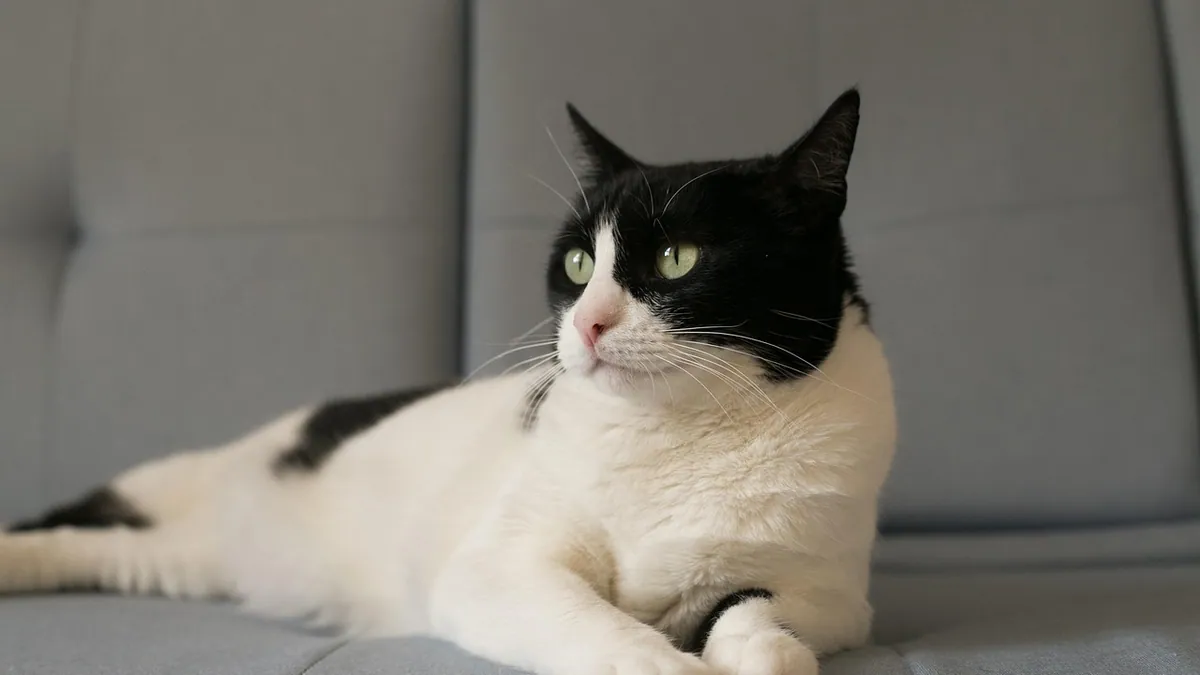
Zonisamide vs phenobarbital for cats is a fair question to bring to your veterinarian, because all three major seizure medicines work differently, cost differently, and require different monitoring. Phenobarbital has the longest track record in cats, zonisamide is often used when phenobarbital fails or causes problems, and levetiracetam (often called Keppra) is favored for its safety and few drug interactions. No single drug is best for every cat, so the right choice depends on seizure pattern, other health conditions, and your ability to monitor and medicate.
This article is educational and is not a substitute for veterinary diagnosis or treatment.
Quick Answer
- Phenobarbital is the most studied first-line seizure medicine in cats and produced a large drop in seizure frequency in a recent trial, but it can cause blood cell changes and requires regular blood work [1][2].
- Zonisamide reduced seizures by a median of about one seizure per month in a 2024 study of 57 cats, and it can be used alone or added to phenobarbital [3].
- Levetiracetam (Keppra) has minimal drug interactions and is well tolerated, but its role as a first-choice single drug in cats is still being sorted out [4].
- All three drugs are given by mouth, and your veterinarian calculates the dose from your cat's weight and health, not from a general chart.
- Never stop or change a seizure medicine suddenly. Sudden withdrawal can trigger severe or clustered seizures.
What These Medicines Are and What Veterinarians Use Them For
Seizures in cats can come from idiopathic epilepsy (epilepsy with no identifiable cause) or from structural problems such as brain disease, prior trauma, or metabolic issues. Anti-seizure medicines do not cure the underlying problem. They reduce how often seizures happen and how severe they are.
Phenobarbital is a long-established anti-seizure drug and is commonly used as a first-line treatment for recurrent seizures in cats [2]. It is inexpensive and familiar to most veterinarians.
Zonisamide is a newer anti-seizure drug. A 2024 multicenter study of 57 cats with a history of seizures found that zonisamide lowered seizure frequency whether it was used alone or alongside other medicines [3]. In a Japanese referral hospital review, three cats received zonisamide as their only anti-seizure drug, and two of them reached the treatment goal of fewer than one seizure every three months [5].
Levetiracetam, which many owners know by the brand name Keppra, has a mechanism of action distinct from other anti-seizure drugs. It has excellent oral absorption, predictable (linear) kinetics, and minimal drug interactions, and serious side effects are rarely reported in dogs or cats [4]. Because of that safety profile, it is often chosen when a cat has liver problems, a portosystemic shunt, or is already on several other medications [4].
How Each Drug Works
Phenobarbital calms overactive brain electrical activity by enhancing the effect of GABA, the brain's main inhibitory chemical. This slows the spread of seizure activity.
Zonisamide works through more than one pathway. It blocks certain sodium and calcium channels in nerve cells and has some effect on GABA signaling. That mix of actions may help cats whose seizures are not fully controlled by phenobarbital alone [3].
Levetiracetam works by binding to a specific synaptic vesicle protein, which is a completely different target from phenobarbital and zonisamide [4]. Because it does not rely on liver enzymes the way phenobarbital and zonisamide do, it tends to play well with other drugs [4].
Dosing Basics for Cats
Who decides the dose?
Your veterinarian does. Dosing depends on your cat's weight, kidney and liver function, other medicines, and how often seizures occur. Do not adjust the dose on your own, and do not use a dose meant for a dog.
How is it given?
All three drugs are given by mouth, usually as a pill or liquid, on a set schedule. Phenobarbital and zonisamide are typically given once or twice daily. Levetiracetam is often given three times daily because it clears quickly, though your veterinarian may choose a different schedule.
What about a missed dose?
If you miss a dose, give it when you remember unless it is almost time for the next one. In that case, skip the missed dose and go back to your normal schedule. Never double up to make up for a missed pill. If you miss more than one dose, call your veterinarian the same day.
Blood levels and monitoring
Phenobarbital and zonisamide both benefit from periodic blood testing. Your veterinarian may check drug levels along with liver values and a complete blood count. You can read more about how and why these tests are timed in Therapeutic Monitoring of Antiepileptic Drugs in Dogs and Cats.
One important interaction: in dogs, adding zonisamide to phenobarbital caused phenobarbital blood levels to rise in 9 of 10 dogs, and in 5 dogs the level climbed above the range linked to liver toxicity, requiring a phenobarbital dose reduction [6]. This finding comes from dogs, not cats, but it is a good reason your veterinarian will want to recheck phenobarbital levels after adding zonisamide.
Common and Serious Side Effects
| Side effect | How common or serious | What to do |
|---|---|---|
| Sleepiness, wobbliness, unsteady walking | Common when starting or after a dose increase, usually mild | Call your vet if it does not improve within a few days or your cat cannot walk or eat |
| Increased appetite, weight gain, thirst, urination | Common with phenobarbital | Mention it at your next visit, watch weight and litter box habits |
| Blood cell changes (low neutrophils, low white cells, low platelets, anemia) | Common in cats on phenobarbital. In one study, 76.8% of 69 cats had a drop in at least one blood cell type, most often mild to moderate [2] | Keep scheduled blood work appointments. Report pale gums, bleeding, or repeated infections right away |
| Vomiting, poor appetite, diarrhea | Possible with any of these drugs | Call your vet if it lasts more than a day or your cat stops eating |
| Liver enzyme changes | Possible with phenobarbital and zonisamide | Detected on routine blood work, which is why monitoring matters |
| Severe sedation, collapse, difficulty breathing | Uncommon but serious | Emergency visit right away |
| Sudden worsening or clustering of seizures | Can happen if a dose is missed or a drug is stopped abruptly | Emergency visit right away |
Levetiracetam stands out for how rarely serious side effects are reported across species, and it is generally well tolerated even in cats with other medical problems [4]. That does not mean it is risk-free, so still report any behavior change to your veterinarian.
If your cat needs help eating while adjusting to a new medicine, ask your veterinarian whether an appetite stimulant is appropriate. General information is available in Mirtazapine Appetite Stimulant: Dose for Cats and Dogs Guide.
Who Should Not Take These Drugs and What Interacts With Them
Cats with significant liver disease need careful thought before starting phenobarbital or zonisamide, since both are processed through the liver. Zonisamide is mainly broken down by liver enzymes, which is why its clearance speeds up when it is combined with phenobarbital [6].
Cats with kidney disease also need caution, because zonisamide and levetiracetam are cleared partly by the kidneys. Your veterinarian may adjust the dose or choose a different drug.
Levetiracetam has minimal drug-drug interactions, which makes it a practical option for cats already taking other medications [4]. Phenobarbital is the opposite. It revs up liver enzymes and can change how many other drugs are handled by the body, so always tell your veterinarian about every medicine, supplement, and flea product your cat receives.
Never combine seizure medicines or add over-the-counter products without asking your veterinarian first. Some supplements and human medications can lower seizure thresholds or interact with these drugs.
Overdose and When to Call a Veterinarian or Poison Control
If your cat eats extra pills, chews a bottle, or gets a double dose by mistake, treat it as an emergency. Signs of too much seizure medicine include extreme sleepiness, staggering, vomiting, dilated pupils, slow breathing, and collapse.
Call your veterinarian or an animal poison control hotline right away. In the United States, you can reach the ASPCA Animal Poison Control Center at (888) 426-4435 or the Pet Poison Helpline at (855) 764-7661. Have the pill bottle, the strength, and your best guess at how many pills were taken.
Do not wait for symptoms to appear before calling. With phenobarbital in particular, overdose can depress breathing and consciousness, and early treatment matters.
Limitations and When to Contact a Veterinarian
Every cat responds differently, and no article can tell you which drug fits your cat. That decision needs a veterinarian who knows your cat's seizure history, blood work, and other conditions.
Contact your veterinarian the same day if your cat becomes very sleepy, stops eating, vomits repeatedly, seems weak, or has more seizures than usual.
Go to an emergency clinic now if a seizure lasts longer than a few minutes, if seizures happen back to back without recovery in between, if your cat has trouble breathing, or if your cat cannot stand or respond to you after a seizure.
Keep routine visits for blood work on schedule. Monitoring is how problems get caught early, before they become emergencies. For cats on phenobarbital, that includes watching for the blood cell changes reported in 76.8% of cats in one study, even though most of those changes were mild or moderate [2].
Frequently Asked Questions
Is zonisamide or phenobarbital better for cats?
Neither is universally better. Phenobarbital has stronger published evidence as a first-line drug in cats, while zonisamide is often chosen when phenobarbital does not control seizures well enough or causes side effects. Your veterinarian will weigh seizure control against monitoring needs and your cat's overall health.
Can zonisamide and phenobarbital be used together in cats?
Yes, they are sometimes combined. In one review, two of three cats on both drugs reached the goal of fewer than one seizure every three months, while one did not respond [5]. Because adding zonisamide can raise phenobarbital levels, your veterinarian will likely recheck blood work after the change [6].
How does Keppra compare to zonisamide for cats?
Levetiracetam (Keppra) is valued for its safety and minimal drug interactions, while zonisamide offers a different mechanism that may help when other drugs fall short [3][4]. Levetiracetam is often dosed more frequently during the day, which some owners find harder to manage. The right pick depends on your cat's other conditions and your daily routine.
Will my cat need blood tests on these medicines?
Yes, blood tests are expected, especially with phenobarbital and zonisamide. Testing checks drug levels, liver values, and blood cell counts so your veterinarian can catch problems early. Levetiracetam generally needs less intensive monitoring because of its safety profile [4].
Can I stop my cat's seizure medicine if the seizures stop?
No. Seizures often stop because the medicine is working, and stopping it suddenly can cause seizures to return, sometimes worse than before. Any change in dose or drug should be planned and supervised by your veterinarian. If cost or side effects are a concern, say so, because there may be another option, including a different drug or a lower dose with monitoring.
Related Articles
- Mirtazapine Appetite Stimulant: Dose for Cats and Dogs Guide
- Gabapentin For Cats
- Therapeutic Monitoring of Antiepileptic Drugs in Dogs and Cats
- Probiotic Supplements for Cats: Fortiflora vs Proviable Comparison
- Zonisamide Seizure Dogs: Modern Anti-Seizure Dose and Liver Safety
- Snakebite Copperhead vs Rattlesnake: Canine Antivenin and Swelling Rescue
- Zonisamide for Cats: Dosage and Side Effects
- Phenobarbital Side Effects in Cats and Monitoring
- Transdermal and Liquid Meds for Cats: Zonisamide and Benazepril
References
- Antiseizure monotherapy with imepitoin or phenobarbital in feline idiopathic epilepsy: a multicenter, single-blinded, randomized and placebo-controlled study. Frontiers in veterinary science, 2026.
- A retrospective evaluation of phenobarbital-induced hematologic changes in 69 cats. Veterinary clinical pathology, 2023.
- A retrospective study of the efficacy of zonisamide in controlling seizures in 57 cats. Journal of veterinary internal medicine, 2024.
- A review of the pharmacology and clinical applications of levetiracetam in dogs and cats. Journal of veterinary emergency and critical care (San Antonio, Tex. : 2001), 2024.
- Evaluation of antiseizure medications including zonisamide in feline idiopathic epilepsy at a referral hospital in Japan. Open veterinary journal, 2023.
- The effect of oral zonisamide treatment on serum phenobarbital concentrations in epileptic dogs. Frontiers in veterinary science, 2024.