Hydrocortisone for Cat Bites and Wounds: Is It Safe?
By Dr. Zubair Khalid, DVM, MS, PhD ·
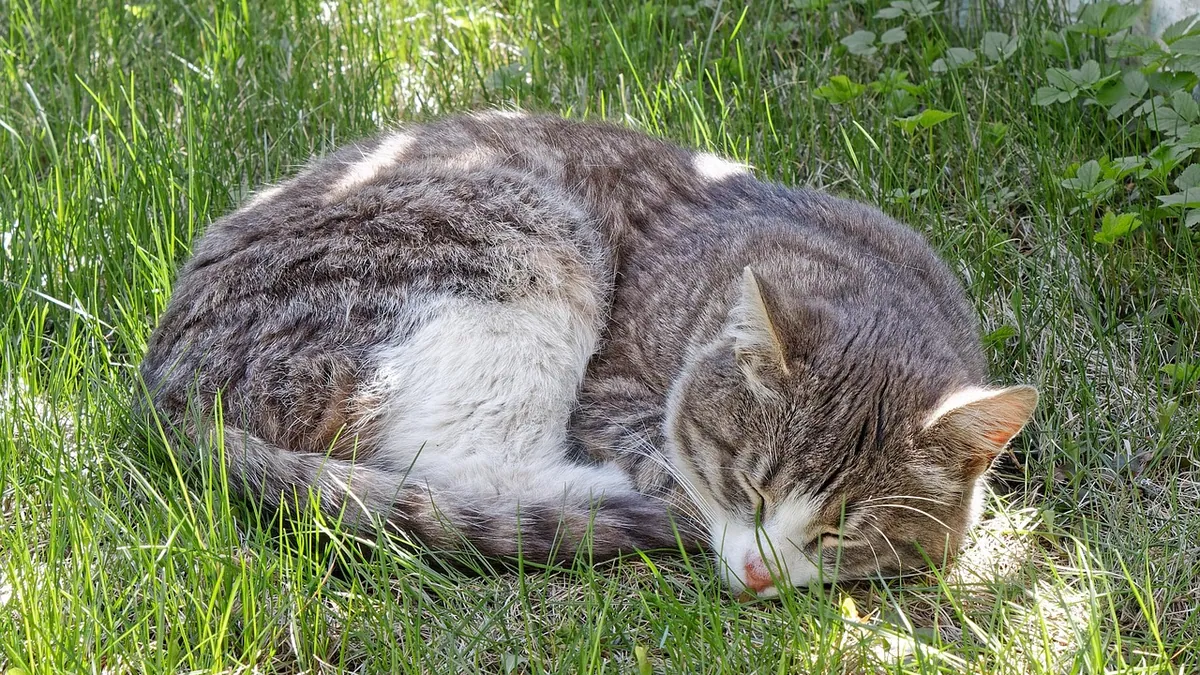
Hydrocortisone for cat bite wounds is usually the wrong choice. Cat bites inject bacteria deep into tissue, and hydrocortisone suppresses the local immune response that fights those bacteria, so an infection can spread faster and an abscess can form sooner. Steroid creams belong to a short list of human medicines you should not reach for when a cat bites another cat or a person.
This article is educational and is not a substitute for veterinary diagnosis or treatment.
Quick Answer
- Do not put hydrocortisone or any steroid cream on a cat bite wound. Steroids calm inflammation but also blunt the immune response, which is the opposite of what a contaminated puncture wound needs.
- Cat bites are high risk for deep infection. A person bitten by a cat can go from a clean-looking wound to a spreading, hot, red infection with fever within hours, even after washing the wound and starting antibiotics quickly [1].
- Cat bite infections are often polymicrobial, meaning several types of bacteria grow together. One reported case required surgical debridement, a skin graft, and targeted antibiotics to save a limb after a cat bite [2].
- Some cat bite wounds become chronic and fail to heal with ordinary antibiotics. A cat with draining wounds from an old bite wound was eventually diagnosed with an unusual mycobacterial infection that took 24 weeks of treatment to resolve [3].
- What actually helps is prompt professional wound care, drainage of any abscess, and antibiotics chosen by a veterinarian. Keep the wound clean, prevent your cat from licking it, and call your vet the same day.
What Hydrocortisone Is and What Veterinarians Use It For
Hydrocortisone is a mild corticosteroid. It lowers inflammation by quieting immune cell activity in the tissue where it is applied. Veterinarians do use topical steroids in cats for specific skin and eye conditions, but those uses are narrow and chosen on purpose.
One example is eosinophilic keratitis, an inflammatory eye condition in cats. In a study of 28 cats with this condition, topical corticosteroids controlled the disease in 15 of 17 cats (88%) by the last follow-up visit, compared with 6 of 11 cats (55%) treated with a topical calcineurin inhibitor [4]. That is a case where a veterinarian deliberately applies a steroid to an inflamed surface, with a diagnosis in hand and follow-up exams scheduled.
A bite wound is a completely different situation. The problem in a bite wound is bacteria, not an allergic or autoimmune reaction. Suppressing inflammation there works against your cat.
How Hydrocortisone Works and Why That Matters for a Bite
Hydrocortisone works by reducing the movement and activity of immune cells in the treated area. Swelling, redness, heat, and pain all come partly from those immune cells doing their job. Turn that response down and the surface looks calmer.
That calm surface is misleading. Cat teeth are thin and sharp. They punch small holes through skin and push bacteria into deeper tissue, where the wound closes over quickly. The bacteria that live in a cat's mouth then multiply in a warm, low-oxygen pocket. A steroid applied on top of that pocket can reduce the local defense that would normally wall off and clear the bacteria.
Human medicine treats bite wounds with the opposite approach. A case report of a complicated dog bite wound in a patient who took cortisone for rheumatoid arthritis described the wound as a serious challenge because of the high risk of infection and slow healing. Treatment combined surgical debridement, broad-spectrum antibiotics, and a skin graft [5]. The lesson carries over to cats. Infection control comes first, and anything that suppresses immunity makes that harder.
Dosing Basics for Hydrocortisone in Cats
Who decides the dose
A veterinarian decides. There is no safe at-home dose of hydrocortisone for a cat bite wound, because the correct treatment for a bite is not a steroid at all. If your cat has a diagnosed skin condition that a veterinarian is treating with a topical steroid, follow that prescription exactly.
How it is given
Topical steroids are applied thinly to the affected skin, usually after cleaning the area, and often with a barrier so your cat cannot lick it off. Never apply a steroid to an open, draining, or puncture wound unless your veterinarian specifically tells you to.
What to do about a missed dose
If your cat is on a prescribed topical steroid for a diagnosed condition and you miss an application, apply the next dose at the normal time. Do not double up. If you are unsure whether a wound is infected, stop the steroid and call your veterinarian.
Side Effects of Steroid Creams on Cats
| Side effect | How common or serious | What to do |
|---|---|---|
| Local skin thinning or delayed healing | Uncommon with short courses, more likely with repeated use | Stop the product and have the wound checked |
| Worsening infection, spreading redness, new swelling | Serious and the main concern with bite wounds | Call your veterinarian the same day |
| Abscess formation under the treated skin | Serious, common in untreated bite wounds | Needs veterinary drainage and antibiotics |
| Your cat licking the cream off and swallowing it | Possible with any topical product | Use an Elizabethan collar and call your vet if a large amount is ingested |
| Signs of systemic steroid exposure (increased thirst, appetite, or urination) with prolonged use | Uncommon with mild topicals, more likely with stronger or long-term steroids | Report to your veterinarian |
If your cat is scratching a wound until it bleeds, that is its own problem and may need a different plan. See Cat Scratching Until Bleeding: Emergency or Manageable?.
Who Should Not Get Hydrocortisone and What Interacts With It
Do not use hydrocortisone on a cat with any of the following:
- An open, draining, or puncture wound, including any suspected cat bite
- A known or suspected bacterial or fungal skin infection
- A cat that is already on oral steroids such as prednisolone, unless the veterinarian managing both prescriptions approves
- A cat with diabetes, because steroids can raise blood sugar
- A cat with a weakened immune system or a chronic illness
Drug interactions matter most with systemic steroids. If your cat takes prednisolone for allergies or an autoimmune condition, adding a topical steroid on top can increase total steroid exposure. For background on how veterinarians use that drug, see Cat Prednisolone for Allergies: Side Effects and Safe Use and Prednisolone for Cats: Feline Safe Steroid Dose and Autoimmune.
Overdose and When to Call for Help
A cat that licks a small amount of hydrocortisone cream off its skin usually has mild stomach upset at most. A cat that eats a tube of cream is a different situation and needs a call to poison control or your veterinarian right away.
Call your veterinarian or a pet poison hotline if your cat:
- Swallowed a large amount of cream
- Is vomiting, drooling, or lethargic after exposure
- Has a bite wound that is swelling, draining, or getting more painful
If you are not sure whether a bite wound is infected, do not wait for it to declare itself. Cat bite infections can progress quickly. One veterinary professional described cleaning the wound well, being examined and started on oral antibiotics within two hours, and still developing spreading redness, heat, and a low-grade fever by bedtime that sent her to the emergency room [1].
What Actually Helps a Cat Bite Wound
For a bite on your cat
- Call your veterinarian the same day. Bite wounds need to be examined, and many need to be clipped, cleaned, and drained.
- Do not apply steroid creams, antibiotic ointments meant for people, or home remedies to the puncture.
- Watch for an abscess. A soft, warm, painful swelling that appears days after a bite is a classic abscess and needs veterinary drainage.
- Keep your cat indoors and away from the cat that bit it while the wound heals.
- Follow the full antibiotic course if one is prescribed, even after the wound looks better.
For a bite on you
- Wash the wound with soap and running water right away.
- Go to urgent care or your physician promptly. Do not try to manage a cat bite at home [1].
- Tell the provider it was a cat bite, because the bacteria involved are specific and the antibiotic choice matters.
Cat bite wounds can also carry less common organisms. A cat with draining wounds from an old bite failed to respond to standard antibiotics and was eventually found to have a mycobacterial infection that required a tailored drug combination and 24 weeks of treatment [3]. That is unusual, but it shows why a wound that does not heal needs a real diagnosis, not more cream.
For a deeper look at how these infections develop and how they are managed, see Cat Bite Infection: Comprehensive Veterinary Reference Guide.
Limitations and When to Contact a Veterinarian
This article covers general principles. Your cat's wound needs to be seen by a veterinarian, because the right treatment depends on the depth of the wound, the location, your cat's health, and whether infection has already started.
Contact your veterinarian the same day if you see:
- A puncture wound, even a small one that looks clean
- Swelling, warmth, or redness around the wound
- Any drainage, especially pus or fluid with an odor
- Limping or reluctance to move the affected limb
- Your cat not eating or hiding more than usual
Go to an emergency clinic now if you see:
- A wound that will not stop bleeding
- A wound over the chest, belly, eye, or throat
- Trouble breathing, collapse, or severe weakness
- A rapidly spreading red area, especially with fever
- A wound that exposes muscle, bone, or a joint
Schedule a routine visit if a wound healed but left a lump, a bald patch, or a spot your cat keeps licking. A wound that has not healed after a reasonable course of antibiotics needs a recheck and possibly a culture, not another round of guessing [3].
Frequently Asked Questions
Can I put hydrocortisone on a cat bite wound?
No. Hydrocortisone suppresses the local immune response, and a cat bite is a contaminated puncture wound that depends on that response to keep bacteria contained. Using a steroid there can let infection spread faster and make an abscess more likely.
What should I put on a cat bite wound instead?
For a bite on your cat, nothing at home beyond keeping the area clean, and call your veterinarian. For a bite on yourself, wash with soap and running water and seek medical care promptly. Bite wounds need professional cleaning, possible drainage, and antibiotics, not a topical cream.
How fast can a cat bite become infected?
Very fast. One account described a bite that was cleaned immediately, examined, and treated with oral antibiotics within two hours, yet still produced spreading redness, heat, and a low-grade fever by that evening [1]. Treat any cat bite as urgent from the start.
Can a cat bite wound take months to heal?
Sometimes. A cat with draining bite wounds that did not respond to standard antibiotics was diagnosed with an unusual mycobacterial infection and needed 24 weeks of targeted treatment before full remission [3]. A wound that keeps draining or will not close needs a veterinary workup.
Are steroid creams ever safe for cats?
Yes, in specific diagnosed conditions and under veterinary direction. Topical corticosteroids are used for inflammatory eye disease in cats, and one study found they controlled eosinophilic keratitis in most treated cats by the last follow-up [4]. The difference is a diagnosis, a treatment plan, and follow-up exams, none of which apply to a fresh bite wound.
Related Articles
- Cat Bite Infection: Comprehensive Veterinary Reference Guide
- Cat Prednisolone for Allergies: Side Effects and Safe Use
- Tick Prevention for Cats: What's Safe and Effective?
- Cat Scratching Until Bleeding: Emergency or Manageable?
- Prednisolone for Cats: Feline Safe Steroid Dose and Autoimmune
- Cat Flea Treatment Safety
- Hydrocortisone Cream for Cats: Safe Uses and Risks
- Cat Bite Treatment: Antibiotics and Pain Relief Explained
- Cat Skin Ointment and Wound Care: Safe Options
- Bartonella henselae (Cat Scratch Disease): A Comprehensive Veterinary Reference
References
- Cat Bites - Not To Be Taken Lightly. Pet Poison Helpline.
- Polymicrobial Pasteurella multocida-Anaerobic Coinfection Followhing a Cat Bite: Limb Salvage Through Metagenomic Next-Generation Sequencing-Guided Diagnosis and Multidisciplinary Management. Clinical case reports, 2026.
- Feline Cutaneous Mycobacteriosis Caused by Mycobacterium farcinogenes: The First Case Report from Asia. Animals : an open access journal from MDPI, 2026.
- Initial Outcomes Following Treatment With Topical Corticosteroids or Topical Calcineurin Inhibitors in Cats With Eosinophilic Keratitis. Veterinary ophthalmology, 2026.
- The use of intact fish skin grafts in the treatment of acute complicated bite wounds: a case report. Journal of surgical case reports, 2026.