How Long Can a Cat Stay on Steroids? Duration and Risks
By Dr. Zubair Khalid, DVM, MS, PhD ·
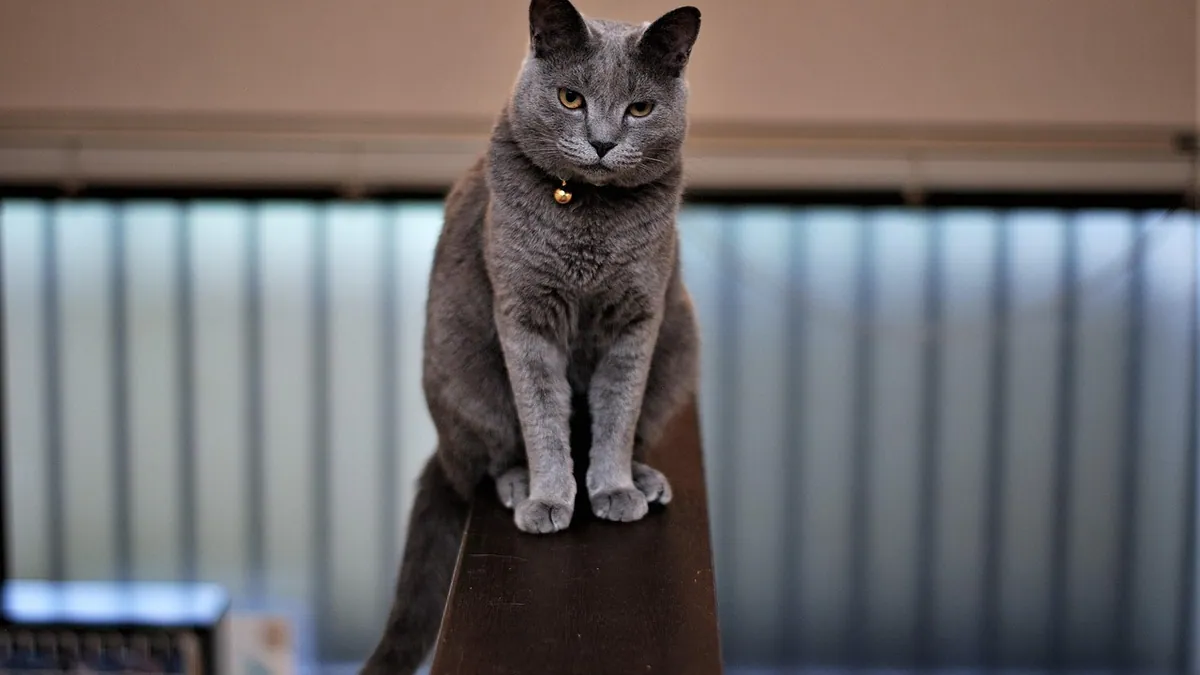
How long a cat can take steroids depends on why the cat is taking them. Some cats need a short course of a few days to a few weeks, while others stay on a low dose for months or years to control a chronic disease. There is no single safe time limit, so the answer for your cat has to come from your veterinarian.
This article is educational and is not a substitute for veterinary diagnosis or treatment.
Quick Answer
- Short courses (days to a few weeks) are common for sudden inflammation, allergic flares, or certain eye conditions, and many cats improve within about two to three weeks [1].
- Long-term use (months to years) is sometimes needed for immune-mediated disease, severe allergies, or inflammatory conditions, and the goal is usually the lowest dose that keeps symptoms controlled [2][3].
- Never stop a steroid suddenly after more than a few days of use. Your veterinarian will design a taper (a gradual dose reduction) to let your cat's body restart its own cortisol production safely.
- Cats usually tolerate steroids better than dogs do, but serious problems like gastrointestinal ulcers, diabetes, and infections can still happen [4][5].
- Any new vomiting, black or tarry stool, weakness, heavy drinking and urination, or trouble breathing needs a call to your veterinarian right away.
What Steroids Are and What Veterinarians Use Them For
When veterinarians say "steroids," they usually mean glucocorticoids, a class of drugs that includes prednisolone, prednisone, dexamethasone, and related medications. These are not the same as anabolic steroids used by some human athletes.
Glucocorticoids are powerful anti-inflammatory and immune-suppressing drugs. Veterinarians prescribe them for a wide range of problems in cats, including:
- Allergic skin disease and itching
- Asthma and other airway inflammation
- Inflammatory bowel disease
- Immune-mediated hemolytic anemia, where the immune system destroys red blood cells [3]
- Certain eye conditions, such as eosinophilic keratitis [1]
- Sudden inflammatory or painful conditions, such as some spinal or joint problems
In one study of cats with eosinophilic keratitis, a painful corneal condition, cats treated with topical corticosteroids improved in a median of about 19 days, and 88% of those cats had their disease controlled at a median follow-up of 91 days [1]. That is an example of a condition where steroid treatment may be needed for weeks to months, not days.
How Steroids Work in a Cat's Body
Cats produce their own cortisol from the adrenal glands every day. Cortisol helps regulate blood sugar, blood pressure, immune response, and the stress response. Steroid medications mimic cortisol, but at much higher levels than the body normally makes.
At anti-inflammatory doses, steroids calm the immune system and reduce swelling, redness, and itching. At higher immune-suppressing doses, they can slow the immune system enough to stop it from attacking the cat's own tissues, which is why they are first-line treatment for conditions like immune-mediated hemolytic anemia [3].
The catch is that when a cat takes steroids for more than a short time, the adrenal glands sense the extra hormone and cut back on their own production. If the medication stops abruptly, the cat may not have enough cortisol to handle stress, which can cause a dangerous crisis. That is the main reason tapering matters.
How Long Can a Cat Take Steroids? Short-Term vs Long-Term Use
This is the question most owners really want answered, and the honest answer is that duration is set by the disease, the response, and the side effects.
Short-term use
Short courses typically last from a few days to a few weeks. Your veterinarian may prescribe a steroid for a sudden allergic reaction, a flare of asthma, or a brief inflammatory episode. In many cases, the dose is reduced over several days or weeks and then stopped.
Some conditions need longer than owners expect. In the eye study above, the median time to improvement was about two to three weeks, and many cats were still on treatment at the three-month mark [1]. So "short-term" can still mean a month or more.
Long-term use
Long-term use means months to years. This is common for chronic allergic skin disease, inflammatory bowel disease, asthma that will not stay controlled otherwise, and immune-mediated conditions.
In a study of cats with allergic itching treated with a non-steroidal immune-modulating drug, the median treatment duration was 15.5 months, and in half the cats the maintenance dose could be cut by at least half, usually after about 15 days [2]. That pattern (find the lowest effective dose and stay there) is the same principle veterinarians apply to long-term steroid use.
In cats with immune-mediated hemolytic anemia, most cats received prednisolone as part of treatment, and two cats achieved sustained remission off all treatment for 4.2 years and 1.9 years [3]. Others relapsed, sometimes while still on immunosuppressive medication [3]. This shows why long-term steroid plans are individualized and why follow-up blood work matters.
What determines the length of treatment
Your veterinarian will consider:
- The specific diagnosis
- How quickly and completely your cat responds
- Whether the condition is curable or only controllable
- Side effects and blood test changes
- Whether a steroid-sparing drug can be added so the steroid dose can be lowered
If your cat is also being monitored for urinary or kidney issues during treatment, these articles explain what to watch for: How Long Can A Cat Safely Go Without Urinating and How Many Days Can A Cat Go Without Peeing.
Dosing Basics: Who Decides, How It Is Given, and Missed Doses
Your veterinarian decides the dose, the form, and the schedule. Steroids for cats come as tablets, liquid, injectables, and topical preparations such as eye drops [1]. The dose is calculated from your cat's weight, the condition being treated, and how your cat has responded so far. Never adjust the dose on your own.
Give the medication exactly as prescribed, with or without food as directed. If your cat vomits right after a dose, call your veterinarian for advice instead of giving a second dose on your own.
For a missed dose, the general rule is to give it when you remember if it is almost time for the next dose, skip the missed dose and continue the normal schedule. Do not double up. Confirm this with your veterinarian, because some conditions require tighter timing.
Tapering rules for cats on steroids
A steroid taper is a planned, gradual reduction in dose, usually over days to weeks or longer. Tapers are used because the adrenal glands need time to resume normal cortisol production.
Rules that apply to almost every taper:
- Never stop suddenly after more than a few days of steroid use.
- Follow the exact schedule your veterinarian gives you, even if your cat looks completely normal.
- Do not restart a steroid later without asking, even if the original symptoms come back.
- Expect the taper to be slower if your cat has been on steroids for months or at high doses.
- Tell your veterinarian about any stress, surgery, illness, or travel during the taper, because the dose may need to be adjusted.
If your cat's symptoms return during a taper, call your veterinarian. Do not increase the dose on your own.
Side Effects of Steroids in Cats
Cats often handle steroids better than dogs, but side effects still happen, and some are serious. The table below separates the common from the concerning.
| Side effect | How common or serious | What to do |
|---|---|---|
| Increased appetite, thirst, and urination | Very common, usually mild | Keep fresh water available and monitor litter box habits |
| Weight gain, pot belly, muscle wasting | Common with long-term use | Ask your vet about the lowest effective dose and diet |
| Mild blood test changes (cholesterol, liver enzymes, blood sugar) | Common and often temporary | Continue the medication and recheck blood work as scheduled [2] |
| Behavior changes (restlessness, irritability) | Uncommon to occasional | Report to your veterinarian, dose may need adjusting |
| Gastrointestinal ulcers or perforation | Uncommon but life-threatening, especially with NSAIDs or high doses [4] | Emergency care if you see vomiting, black stool, or a painful abdomen |
| Diabetes or worsened blood sugar control | Serious, more likely with long-term use | Watch for heavy drinking and urination, contact your vet [5] |
| Increased risk of infection | Serious, more likely with immune-suppressing doses | Call your vet for fever, lethargy, or non-healing wounds |
| Blood cell and platelet changes | Usually mild and transient in long-term treated cats [2] | Routine blood work catches these early |
One study of cats on long-term immune-modulating medication found that blood test changes were mild and often transient, including high cholesterol, raised liver enzymes or creatinine, and high blood sugar [2]. Another study described cats that developed full-thickness gastrointestinal ulcers after receiving NSAIDs, corticosteroids, or both, and the duodenum was the most common site of perforation [4]. That is why veterinarians are cautious about combining steroids with NSAIDs.
If your cat has diabetes, steroid use can push blood sugar dangerously high. A study of diabetic cats in a hyperglycemic crisis found no difference in survival between cats with ketoacidosis and cats with a nonketotic hyperosmolar state, but both groups were critically ill [5]. If your diabetic cat is started on steroids, close monitoring is essential.
Who Should Not Take Steroids and What Interacts With Them
Steroids are not right for every cat. Your veterinarian may avoid or use them with extreme caution if your cat has:
- Diabetes mellitus or poorly controlled blood sugar
- Active infection, especially fungal or certain viral infections
- Gastrointestinal ulcers or a history of them
- Heart disease, kidney disease, or high blood pressure
- A known allergy to the specific steroid
Drug interactions matter too. The most important one for cat owners to know is the combination of steroids with non-steroidal anti-inflammatory drugs (NSAIDs). That combination was linked to severe gastrointestinal ulceration in cats [4]. Tell your veterinarian about every medication, supplement, and topical product your cat receives, including flea treatments and over-the-counter products.
If your cat is older or has other health conditions, lifespan and monitoring questions often come up. This guide may help: How Long Do Cats Live? Indoor, Outdoor and Senior Cat Lifespan Guide.
Overdose and When to Call a Veterinarian or Poison Control
If your cat eats extra steroid tablets or gets an extra dose, call your veterinarian or a pet poison control hotline right away. Have the medication name, strength, and an estimate of how much was swallowed.
Two options in the United States:
- ASPCA Animal Poison Control Center: (888) 426-4435
- Pet Poison Helpline: (855) 764-7661
Signs of a serious reaction or overdose can include vomiting, weakness, collapse, rapid breathing, or a racing heart. Do not wait to see if symptoms appear.
Limitations and When to Contact a Veterinarian
Every cat is different, and the right duration and dose for your cat can only be set by your veterinarian who knows the diagnosis and history.
Call your veterinarian the same day if you see:
- Vomiting, diarrhea, or refusal to eat
- Increased thirst and urination that is much worse than before
- Lethargy or hiding
- A missed dose or a dose given twice by mistake
Go to an emergency clinic now if you see:
- Black, tarry, or bloody stool
- A swollen, painful abdomen
- Collapse, severe weakness, or trouble breathing
- Seizures or sudden blindness
Schedule a routine visit if your cat has been on steroids for more than a few weeks and has not had recent blood work, or if you are running low on medication and need a refill and a plan for the next step.
Frequently Asked Questions
Can I stop my cat's steroids if she seems better?
No, do not stop suddenly if your cat has been on steroids for more than a few days. Feeling better usually means the drug is working, not that the disease is gone. Stopping abruptly can cause a dangerous drop in your cat's own cortisol production.
How do I know if my cat is having a bad reaction to steroids?
Watch for vomiting, black stool, extreme thirst, weakness, or behavior changes. Mild appetite and thirst increases are expected, but anything severe or sudden is not. Call your veterinarian if you are unsure.
Will my cat need blood tests while on steroids?
Yes, most cats on long-term steroids need periodic blood work. This checks blood sugar, liver and kidney values, and blood cell counts. Your veterinarian will set the schedule based on your cat's dose and health.
Can steroids make my cat's existing condition worse?
They can worsen diabetes, high blood pressure, and some infections. They can also mask signs of other illness. Tell your veterinarian about all of your cat's health conditions before starting treatment.
Is there an alternative if my cat cannot stay on steroids long term?
Sometimes. Your veterinarian may add a steroid-sparing medication so the steroid dose can be reduced. In one study, cats with allergic itching were managed long term with a non-steroidal drug, and many needed half the starting dose or less over time [2]. Ask your veterinarian whether a steroid-sparing option fits your cat's diagnosis.
Related Articles
- How Long Can A Cat Safely Go Without Urinating
- How Long Can A Cat Live Without Peeing
- How Long Can A Healthy Cat Go Without Peeing
- How Many Days Can A Cat Go Without Peeing
- How Long Do Cats Live? Indoor, Outdoor and Senior Cat Lifespan Guide
- How Long Can A Male Cat Go Without Peeing
- How Long Can a Cat Stay on Prednisolone? Long-Term Risks
- Is Cortisone Safe for Cats? Steroid Use Explained
- How Long Can a Cat Take Onsior? Safe Duration Explained
References
- Initial Outcomes Following Treatment With Topical Corticosteroids or Topical Calcineurin Inhibitors in Cats With Eosinophilic Keratitis. Veterinary ophthalmology, 2026.
- Long-term oclacitinib administration for the control of feline allergic pruritus: A retrospective study of 14 client-owned cats. The Canadian veterinary journal = La revue veterinaire canadienne, 2025.
- Clinical Findings, Treatment and Long-Term Outcome in 37 Cats with Non-Associative Immune-Mediated Hemolytic Anemia: A Retrospective Observational Study of Two Treatment Cohorts. Animals : an open access journal from MDPI, 2026.
- Surgical repair of steroidal and non-steroidal anti-inflammatory drug-associated full-thickness gastrointestinal ulcers in 10 cats. Journal of feline medicine and surgery, 2026.
- Retrospective Evaluation of Prognostic Variables and Overall Survival Associated With Nonketotic Hyperosmolar Hyperglycemia in Diabetic Cats: 29 Cases (2000-2020). Journal of veterinary emergency and critical care (San Antonio, Tex. : 2001), 2025.