Is Cortisone Safe for Cats? Steroid Use Explained
By Dr. Zubair Khalid, DVM, MS, PhD ·
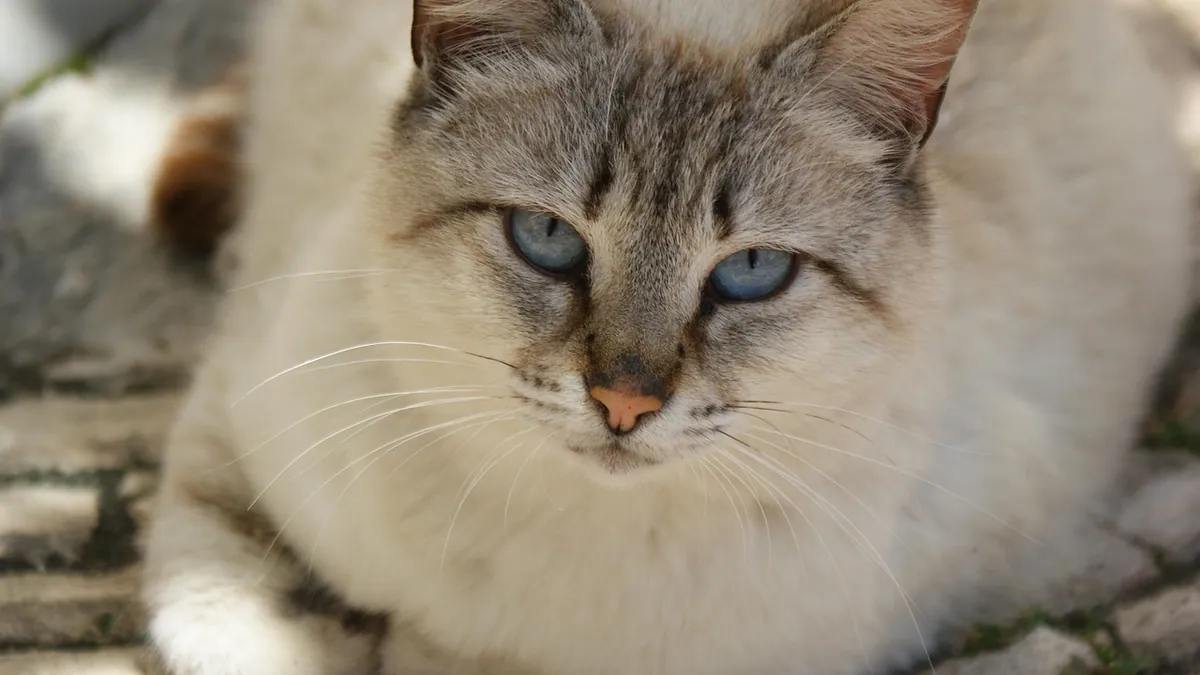
Yes, cortisone-type steroids can be safe for cats when a veterinarian prescribes them for a specific condition and monitors your cat closely. The catch is that "cortisone" means different things in human medicine and veterinary medicine, and cats handle these drugs differently than people and dogs do. Giving your cat a steroid product made for humans, without veterinary guidance, is where real harm can happen.
This article is educational and is not a substitute for veterinary diagnosis or treatment.
Quick Answer
- Veterinarians rarely use cortisone itself in cats. They usually prescribe other corticosteroids such as prednisolone or dexamethasone, chosen for the specific problem being treated [1].
- Cats metabolize many steroids differently than dogs and people, so a dose that helps a cat could be unsafe for a dog, and a human product is never a substitute for a prescribed feline dose.
- Steroids are used for allergic, inflammatory, immune-mediated, and some eye conditions, and topical forms can work well for certain eye diseases [2].
- Steroids are not risk-free. Cats given steroids (sometimes along with NSAIDs) have developed serious gastrointestinal ulcers, including perforations that required surgery [3].
- Never give your cat a leftover human cortisone cream, pill, or injection. Call your veterinarian first, every time.
What Is Cortisone and What Do Veterinarians Use It For?
Cortisone is a corticosteroid, a drug that mimics cortisol, a hormone your cat's body makes naturally. In people, cortisone is often used in creams, injections, and pills for joint pain, skin rashes, and inflammation.
In cats, veterinarians mostly reach for other corticosteroids. Dexamethasone is a long-acting synthetic corticosteroid with minimal mineralocorticoid action, and it is used in feline medicine for inflammation and surgical recovery support [1]. Prednisolone is another common choice, and it is the typical long-term replacement drug for cats with hypoadrenocorticism, a rare endocrine disorder where the adrenal glands do not make enough cortisol [4].
So when an owner asks "is cortisone safe for cats," the honest answer is that the question is usually about a whole family of steroid drugs, not one product. What matters is which steroid, what dose, what form (pill, injection, topical, eye drop), and what condition is being treated.
Veterinarians prescribe corticosteroids for:
- Allergic skin disease and itching
- Inflammatory bowel and other gastrointestinal inflammation
- Asthma and other airway inflammation
- Immune-mediated diseases where the body attacks its own tissues
- Certain eye conditions, including eosinophilic keratitis, an inflammatory corneal disease [2]
- Adrenal insufficiency, where the body cannot make enough of its own cortisol [4]
Topical steroids are not automatically gentler than pills. In one study of cats with eosinophilic keratitis, 61% were treated with a topical corticosteroid and 39% with a topical calcineurin inhibitor. Initial response times were similar (median 19 days for steroids versus 16 days for the other drug), but disease control at the last follow-up was more often achieved with topical corticosteroids (88% of cats) than with the calcineurin inhibitor (55%) [2]. That tells you topical steroids can be effective, and also that they still need a diagnosis and a treatment plan.
If your cat has been prescribed prednisolone, our guide to Prednisolone for Cats: Feline Safe Steroid Dose and Autoimmune walks through how dosing works in practice.
How Corticosteroids Work in a Cat's Body
Corticosteroids calm inflammation and suppress parts of the immune system. They do this by changing how genes are read inside cells, which is why the effects build over days instead of minutes.
Cats are unusual in how they process these drugs. Their liver enzymes handle steroids differently than a dog's or a person's, and cats are generally more sensitive to some steroid side effects while tolerating others better. This is one reason your veterinarian will not simply scale down a human dose or copy a dog's prescription.
Steroids also interact with the body's stress and reproductive hormones. Research in domestic cats measured fecal glucocorticoid, progesterone, and testosterone metabolites in females before mating and during three months of lactation. Higher relative glucocorticoid metabolite levels were linked to fewer surviving kittens, and progesterone metabolites rose alongside glucocorticoid and testosterone metabolites [5]. That study is about natural hormones, not medication, but it shows how tightly steroid hormones are tied to reproduction and stress in cats. It is one more reason steroid use in a pregnant or nursing cat needs a veterinarian's direct involvement.
For a deeper look at how these drugs behave in feline patients, see Corticosteroid Therapy in Feline Diseases: Special Considerations.
Dosing Basics: Who Decides, How It Is Given, and Missed Doses
Who decides the dose
Your veterinarian does. The dose depends on your cat's weight, the condition being treated, the specific steroid chosen, and whether the drug is given by mouth, by injection, or on the skin or eye. No dose chart in an article can replace that calculation.
One useful comparison: cats with hypoadrenocorticism generally need higher maintenance doses of glucocorticoid replacement than dogs do [4]. That is a good example of why feline dosing is its own thing.
How it is given
- By mouth: Usually a pill or liquid, often with food to reduce stomach upset.
- By injection: Given in the clinic, often for fast or long-acting effect. Dexamethasone is a long-acting synthetic corticosteroid [1].
- Topical: Creams, gels, or eye drops. Eye steroids are prescribed for specific diagnoses such as eosinophilic keratitis [2].
- Replacement therapy: For adrenal insufficiency, long-term oral prednisolone is the typical approach [4].
What to do about a missed dose
Call your veterinarian's office and ask. Do not double up to make up for a missed dose unless your vet tells you to. If your cat vomits a pill shortly after taking it, that also counts as a question for your vet, not a reason to re-dose on your own.
Never stop a steroid suddenly without veterinary guidance. Long courses can suppress your cat's own cortisol production, and stopping abruptly can make your cat sick.
Side Effects of Steroids in Cats
Some side effects are expected and manageable. Others are emergencies. This table separates them.
| Side effect | How common or serious | What to do |
|---|---|---|
| Increased appetite, thirst, and urination | Common with systemic steroids | Mention it at the next visit. Keep fresh water available. |
| Weight gain, pot-belly look | Common with longer courses | Track your cat's weight and report changes. |
| Behavior changes (restlessness, hiding, irritability) | Fairly common | Note the timing and tell your vet. Dose changes may help. |
| Vomiting, diarrhea, or black tarry stool | Serious | Call your veterinarian the same day. Black stool can mean bleeding in the gut. |
| Gastrointestinal ulcer or perforation | Uncommon but life-threatening | Emergency care now. In one review, 10 cats needed surgery for full-thickness GI ulcers after recent NSAID and/or corticosteroid use, and the duodenum was the most common perforation site [3]. |
| Poor wound or intestinal healing | Possible with high or long dosing | Your vet weighs this risk before surgery. Dexamethasone has been studied in cats after intestinal surgery for exactly this reason [1]. |
| Masking or worsening of infection | Possible | Report new sneezing, eye discharge, or lethargy. |
| Adrenal suppression from long-term use | Possible | Never stop a long course abruptly. Your vet will taper it. |
| Diagnostic interference | Real concern | Steroids can interfere with testing for adrenal disease, so an ACTH stimulation test should be done before starting glucocorticoid treatment [4]. |
A few notes on that table. The ulcer risk is the one that sends cats to surgery, and it climbs when steroids are combined with NSAIDs like meloxicam or carprofen [3]. If your cat is on both, ask your veterinarian whether that combination is still necessary and whether a stomach protectant is appropriate.
Also, steroid side effects can look like other diseases. A cat on steroids who suddenly drinks and urinates much more may be developing diabetes or kidney issues, not simply reacting to the drug. That is a routine visit, not a wait-and-see.
For allergy-related steroid use specifically, see Cat Prednisolone for Allergies: Side Effects and Safe Use.
Who Should Not Take Corticosteroids, and What Interacts With Them
Corticosteroids are used carefully or avoided in cats with:
- Active infections, especially fungal infections, because steroids suppress the immune response that fights them.
- Diabetes mellitus, since steroids can raise blood sugar.
- Heart disease or high blood pressure, because steroids can cause fluid retention.
- Gastrointestinal ulcers or a history of them, given the perforation risk seen in cats after steroid and NSAID use [3].
- Pregnancy or nursing, because steroid hormones are tied to reproductive and lactational outcomes in cats and the effects of medication in this group are not well established [5].
- Suspected adrenal disease that has not been tested yet, because steroids interfere with the ACTH stimulation test used to diagnose hypoadrenocorticism [4].
Drug interactions to tell your veterinarian about:
- NSAIDs (meloxicam, carprofen, and similar). This combination raises the risk of serious GI ulcers in cats [3].
- Other steroids, including human creams, nasal sprays, or joint injections you may not think of as "medicine."
- Diabetes medications, since steroid effects on blood sugar can change insulin needs.
- Any supplement or herbal product, even if it seems harmless.
If your cat has an eye condition and you are also using other topical products, ask before combining anything. Our article on Can You Use Povidone Iodine On Cats covers why "it's just a topical" is not always a safe assumption.
Overdose and When to Call for Help
If your cat ate your cortisone cream, chewed open a pill bottle, or received a dose that seems too high, treat it as an emergency. Call your veterinarian or an animal poison control hotline right away. Have the product container with you so you can read the exact drug name, strength, and amount.
Signs that need immediate attention after a possible overdose include vomiting, drooling, weakness, collapse, tremors, a swollen abdomen, or unusual breathing. Do not wait to see if symptoms appear. Steroid overdose effects can be delayed.
If your cat is already on a prescribed steroid and develops vomiting, diarrhea, black stool, or refuses to eat, that is also a same-day call. GI ulcers in cats on steroids and NSAIDs have required surgery, and the cats in that review were hospitalized for a median of six days [3]. Early treatment is better than waiting.
Limitations and When to Contact a Veterinarian
This article cannot tell you whether your specific cat should be on a steroid, at what dose, or for how long. Those decisions depend on your cat's diagnosis, lab work, weight, other medications, and response to treatment. Only your veterinarian can make them.
Call the same day if your cat:
- Vomits repeatedly or has diarrhea
- Has black, tarry, or bloody stool
- Stops eating or drinking
- Seems weak, wobbly, or unusually quiet
- Develops new eye or nasal discharge while on steroids
Go to an emergency clinic now if your cat:
- Collapses or cannot stand
- Has trouble breathing
- Has a swollen, painful, or rigid abdomen
- Has a seizure or severe tremors
- May have eaten a human steroid product or an unknown amount of medication
Schedule a routine visit if your cat:
- Drinks and urinates more than usual
- Is gaining weight or developing a pot belly
- Seems restless, irritable, or hides more
- Is nearing the end of a steroid course and you need a taper plan
Never stop a long steroid course on your own, and never start one without a diagnosis. If you are unsure whether a symptom is related to the medication, call and ask. Veterinary staff would much rather answer a quick question than treat a preventable emergency.
Frequently Asked Questions
Can I give my cat human cortisone cream?
No. Human cortisone creams are formulated for human skin and human absorption, and your cat will likely lick the area and swallow some of it. Cats also metabolize steroids differently than people. Ask your veterinarian for a feline-appropriate product instead.
Are steroids safe for cats long term?
They can be, but long-term use carries real risks, including adrenal suppression, blood sugar changes, and gastrointestinal problems. Cats with hypoadrenocorticism need lifelong glucocorticoid replacement, usually with oral prednisolone [4]. Your veterinarian will weigh the benefit against the risk and monitor your cat with regular checkups and lab work.
Do steroid side effects in cats go away?
Many common effects, such as increased appetite, thirst, and urination, improve as the dose is lowered or the course ends. Serious effects like GI ulcers do not resolve on their own and need treatment [3]. Report any new symptom to your veterinarian instead of waiting for it to pass.
Can steroids make my cat's existing infection worse?
Yes, that is a known risk. Steroids suppress parts of the immune system, which can allow infections to worsen or become harder to detect. Tell your veterinarian about any current or recent infections before your cat starts a steroid.
What should I do if my cat misses a steroid dose?
Call your veterinarian's office for instructions. Do not give a double dose to catch up, and do not stop the medication entirely without guidance. If your cat vomited the dose soon after taking it, mention that too, since it may change what your vet recommends.
Related Articles
- Prednisolone for Cats: Feline Safe Steroid Dose and Autoimmune
- Cat Prednisolone for Allergies: Side Effects and Safe Use
- Corticosteroid Therapy in Feline Diseases: Special Considerations
- Can Cats Eat Catnip? Nepetalactone and Safe Use Guide
- Can You Use Povidone Iodine On Cats
- What Human Medications Are Safe for Cats? A Vet's Guide to OTC Options
- Prednisolone for Cats: Uses, Doses, and Cancer Care
- Weaning a Cat Off Prednisolone Safely
- How Long Can a Cat Stay on Steroids? Duration and Risks
References
- Comparison of N-Acetyl cysteine and dexamethasone in enterotomy in cats. Open veterinary journal, 2026.
- Initial Outcomes Following Treatment With Topical Corticosteroids or Topical Calcineurin Inhibitors in Cats With Eosinophilic Keratitis. Veterinary ophthalmology, 2026.
- Surgical repair of steroidal and non-steroidal anti-inflammatory drug-associated full-thickness gastrointestinal ulcers in 10 cats. Journal of feline medicine and surgery, 2026.
- Feline hypoadrenocorticism: Emerging insights into clinical features, diagnosis, and treatment. Schweizer Archiv fur Tierheilkunde, 2026.
- Faecal Steroid Metabolite Profiles and Reproductive Outcomes in Domestic Cat (Felis catus). Animals : an open access journal from MDPI, 2026.