FortiFlora for Cats: Ingredients and How to Use It
By Dr. Zubair Khalid, DVM, MS, PhD ·
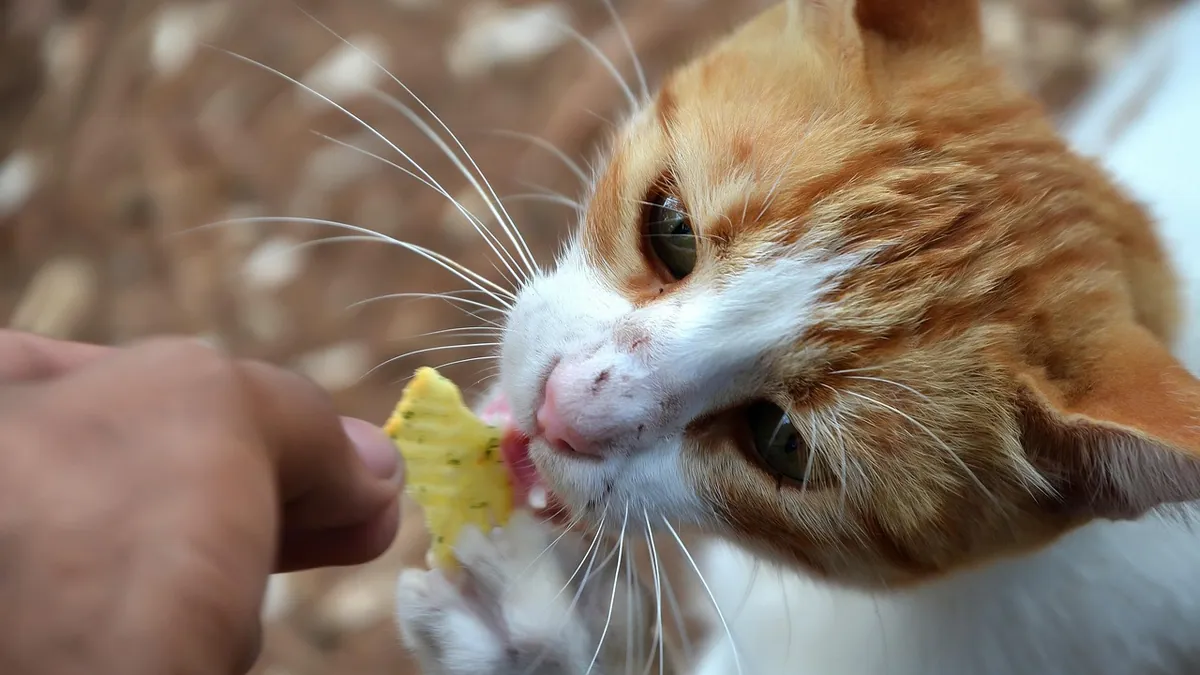
Probiotics for cats are sold as powders, capsules, and chews, and FortiFlora is one of the most familiar names in that group. If you want to know what is actually inside the packet, the fortiflora for cats ingredients list is short: a single freeze-dried bacterial strain plus a few vitamins, minerals, and flavoring agents. This article is educational and is not a substitute for veterinary diagnosis or treatment.
Quick Answer
- The active ingredient is a single probiotic strain, Enterococcus faecium SF68, not a blend of several bacteria.
- Each packet also contains vitamins and minerals used as carriers and nutritional support, plus a flavoring that makes the powder palatable to most cats.
- The label states the guaranteed live bacteria count per packet, and that number only holds if you store the product correctly.
- You sprinkle the powder on food, and your veterinarian decides whether your cat needs it and for how long.
- A probiotic is a supplement, not a drug, so it does not treat the cause of vomiting, diarrhea, or weight loss on its own.
What FortiFlora Is and What Veterinarians Use It For
FortiFlora is a nutritional supplement marketed for cats and dogs. It is not a prescription drug, and it does not require a diagnosis to purchase. Veterinarians still recommend it in specific situations, usually as support instead of as a stand-alone treatment.
The most common reasons a veterinarian suggests a probiotic for a cat include:
- Soft stool or intermittent diarrhea, especially after a diet change, boarding, or a stressful move
- Recovery after a course of antibiotics, which can disturb the normal gut bacteria
- Kittens or adult cats with sensitive digestion that flares with changes in routine
- Cats on long-term medications that affect appetite or stool quality
Gut bacteria matter to feline health in ways researchers are still mapping. A large genomic survey of cat feces identified 24 core bacterial species and two distinct gut enterotypes, which suggests that individual cats carry meaningfully different microbial communities [1]. Diet also shifts those communities. In one study of healthy cats fed four different prescription diets, a renal diet was linked to higher levels of Bifidobacterium, while a low-carbohydrate diet was linked to higher levels of Adlercreutzia, Collinsella, and Slackia [2]. That context helps explain why a probiotic is usually one part of a plan that also includes the right food. If you are rethinking your cat's diet at the same time, see Cat Food Ingredients.
FortiFlora for Cats Ingredients: What Is Actually in the Packet
The ingredient list is short compared with many pet supplements. Here is how to read it.
The probiotic strain
The active bacterial ingredient is Enterococcus faecium SF68. This is a single, defined strain instead of a mixture. That matters because different probiotics behave differently in the gut, and a product with one strain cannot be assumed to work like a product with three or five.
Research on feline probiotics is still catching up to the canine side. A study of complex probiotics containing Bacillus strains in domestic cats found that supplementation increased bacterial diversity and raised the relative abundance of beneficial groups such as Clostridium, Bacteroides, Phocaeicola, and Ruminococcus, while lowering opportunistic pathogens including Escherichia and Corynebacterium [3]. That study used different organisms than FortiFlora, so it does not prove anything about Enterococcus faecium specifically, but it shows the gut community can shift with oral probiotics.
A separate placebo-controlled trial in weaned kittens tested Saccharomyces cerevisiae var. boulardii CNCM I-1079, a yeast instead of a bacterium. Over seven weeks, including a vaccination, a housing change, and a diet transition, fecal scores stayed optimal for 12 of 20 supplemented kittens compared with 8 of 20 controls [4]. Again, this is a different organism, but it supports the general idea that a defined probiotic can help stabilize digestion during stressful events.
The carriers and added nutrients
Beyond the bacteria, the powder contains vitamins and minerals that appear on the label as nutritional additives. These are present in small amounts and are not intended to meet your cat's full vitamin or mineral needs. They function partly as carriers for the freeze-dried bacteria and partly as mild nutritional support. Do not count on a probiotic packet to correct a deficiency. That requires a diet formulated for your cat's life stage and health status.
Flavoring
FortiFlora contains a flavoring agent that gives it a savory, appealing smell. This is why many cats eat it willingly when it is mixed into food. It is also why some cats will lick a plate clean one day and refuse the same food the next. Cats are individuals about aroma.
How FortiFlora Works
Probiotics are live microorganisms. When your cat swallows them, some survive the trip through stomach acid and reach the small and large intestine, where they can interact with the resident bacterial community.
The proposed benefits fall into a few categories:
- Supporting the balance of normal gut bacteria
- Competing with less helpful organisms for space and nutrients
- Interacting with the gut lining and local immune tissue
- Helping stool consistency during periods of stress or dietary change
These effects are generally modest and supportive. A probiotic does not kill a bacterial infection, does not remove a foreign body, and does not correct a food allergy. If your cat has a real gastrointestinal disease, the probiotic is at best an add-on.
The feline gut is also host-adapted in ways that matter for product design. A culture-based and genomic atlas of the cat gut microbiome recovered nearly 3,000 bacterial isolates and prioritized more than 100 candidate probiotic species, with several feline-derived isolates showing acid and bile tolerance and activity against Escherichia coli in the lab [1]. That work points toward probiotics built specifically for cats, which is a different approach from using a strain originally studied in other species.
How to Give FortiFlora to a Cat
This is the part owners ask about most, and the good news is that it is simple.
Dosing basics
Your veterinarian decides the dose. The amount depends on your cat's weight, age, health conditions, and the reason the probiotic was suggested. Do not borrow a dose from a dog, a kitten, or another cat in the house. If your veterinarian gave you a specific amount and schedule, follow that exactly.
How to administer the powder
- Open one packet and sprinkle the full contents onto your cat's food.
- Mix it in gently. You do not need to stir vigorously.
- Offer the food right away. A moist food works better than dry kibble because the powder clings to it.
- If your cat eats only part of the meal, do not try to force the rest. Offer a fresh portion at the next meal.
- Wash your hands after handling the powder, and keep the packet away from your own face.
Some cats will eat the powder straight from a small saucer. Others need it hidden in a spoonful of wet food. If your cat is on a prescription or homemade diet, check with your veterinarian before adding anything to the bowl. If you cook for your cat, these guides can help you keep the base diet balanced: Vet Recommended Homemade Cat Food Recipe and Vet Approved Homemade Cat Food Recipes For Indoor Cats.
Missed dose
If you forget a dose, give it when you remember, unless it is almost time for the next one. In that case, skip the missed dose and continue on schedule. Do not double up to make up for a missed packet.
Storage and viability
Live bacteria die over time, and heat, moisture, and light speed that up. Keep the packets in a cool, dry place, away from direct sun and away from the stove or a warm windowsill. Leave them in the original packaging until you use them. Do not open a packet and save half for later, because the powder loses viability once exposed to air and moisture. Check the expiration date and replace the product when it passes. If the powder looks clumped, discolored, or smells spoiled, throw it out.
Side Effects
Most cats tolerate FortiFlora without any problem. When reactions happen, they are usually mild and short lived.
| Side effect | How common or serious | What to do |
|---|---|---|
| Mild gas or softer stool in the first days | Uncommon and usually mild | Keep the dose the same for a few days and watch. Call your veterinarian if it does not settle. |
| Refusing food with the powder mixed in | Common and not dangerous | Try a smaller amount of food, a different wet food, or ask your veterinarian about another form. |
| Vomiting after a dose | Uncommon | Stop the product and call your veterinarian. |
| Itching, hives, facial swelling, trouble breathing | Rare but serious | Stop the product and seek emergency veterinary care right away. |
| Diarrhea that gets worse or lasts more than a day or two | Uncommon but important | Stop the product and have your cat examined. |
A probiotic should not make your cat sicker. If it does, that is a reason to call, not a reason to wait it out.
Who Should Not Take It and Drug Interactions
FortiFlora is not appropriate for every cat. Talk to your veterinarian first if your cat:
- Is severely ill, dehydrated, or vomiting repeatedly
- Has a compromised immune system, including cats on chemotherapy or immunosuppressive drugs
- Has a central venous catheter or a serious underlying disease
- Is a very young kitten or a senior cat with multiple health problems
Live bacteria are generally avoided in severely immunocompromised patients because of the small risk of infection from the organism itself. That decision belongs to your veterinarian, who knows your cat's full history.
For interactions, the main practical point is timing. If your cat takes an oral antibiotic, do not mix the probiotic into the same bite of food at the same moment. Separate them by a few hours so the antibiotic has less chance to act on the probiotic bacteria. Ask your veterinarian how to space them for your cat's specific medication schedule.
Overdose and When to Call for Help
An accidental extra packet is unlikely to cause serious harm in a healthy cat, but it can cause stomach upset or loose stool. If your cat ate several packets at once, or chewed open and swallowed the packaging, call your veterinarian or a pet poison control service for guidance. Have the product packaging, your cat's weight, and the approximate amount eaten ready before you call.
Signs that need immediate attention include repeated vomiting, a swollen or painful abdomen, collapse, difficulty breathing, or a seizure. These are emergencies. Do not wait for an office to open.
Limitations and When to Contact a Veterinarian
A probiotic is supportive care. It does not diagnose or cure anything, and it cannot replace a proper workup when a cat is genuinely unwell. Individual cases need a veterinarian who can examine your cat, ask about the full history, and run tests if needed.
Contact your veterinarian the same day if your cat:
- Has diarrhea with blood or black, tarry stool
- Vomits more than two or three times in a day
- Stops eating or drinking
- Seems painful when you touch the belly
- Has a stool change that lasts more than 24 to 48 hours
Go to an emergency clinic now if your cat:
- Is straining to vomit with nothing coming up
- Is weak, wobbly, or unresponsive
- Is breathing fast or with an open mouth
- Has a known exposure to a toxic plant or household chemical
For plant exposures, this list is a useful starting point: What Plants And Flowers Are Toxic To Cats.
Schedule a routine visit if your cat has had soft stool on and off for weeks, is losing weight slowly, or has a dull coat and low energy. Chronic digestive signs often have a dietary or medical cause that a probiotic alone will not fix. Older cats deserve extra attention here, because nutritional research in senior felines is still limited and recommendations are often based on adult cat requirements [5]. If you are comparing products, this breakdown may help: Probiotic Supplements for Cats: Fortiflora vs Proviable Comparison.
Frequently Asked Questions
Can I give FortiFlora to my cat every day?
Yes, many cats take it daily for weeks or longer under veterinary guidance. Your veterinarian will set the duration based on why it was started and how your cat responds. If the original problem resolves, ask whether to continue or taper off.
Can I mix FortiFlora with warm food?
Avoid hot food, because heat can kill the live bacteria. Room temperature or slightly warm wet food is fine. Add the powder just before serving so it spends as little time exposed as possible.
Does FortiFlora help with vomiting?
It is not designed to stop vomiting. Vomiting has many causes, including hairballs, food sensitivity, foreign material, and metabolic disease, and it needs a diagnosis. If your cat vomits repeatedly, call your veterinarian instead of reaching for a supplement.
Can I use a dog version for my cat?
No. Products formulated for dogs may contain different strains, different amounts, and different additives. Use a product labeled for cats, and ask your veterinarian which one fits your cat's situation.
How long does an open packet stay good?
Use it right away. Once the powder is exposed to air and moisture, the live bacteria begin to lose viability. Do not save a partial packet for the next meal, and do not pre-mix powder into a large batch of food to use over several days.
Related Articles
- Cat Food Ingredients
- Probiotic Supplements for Cats: Fortiflora vs Proviable Comparison
- What Plants And Flowers Are Toxic To Cats
- Vet Recommended Homemade Cat Food Recipe
- Vet Approved Homemade Cat Food Recipes For Indoor Cats
- What Plants Can Be Toxic To Cats
- FortiFlora for Dogs: Dosage, Uses and Side Effects
- Cosequin for Cats: Ingredients and What They Do
- Dasuquin for Cats: Dosage, Ingredients, and Side Effects
References
- Genome-resolved and culture-based atlas of the feline gut microbiome enables host-adapted probiotic development. NPJ biofilms and microbiomes, 2026.
- Comparison of the effects of four commercially available prescription diet regimens on the fecal microbiome in healthy cats. The Journal of veterinary medical science, 2026.
- The Gut Microbiome and Metabolome of Domestic Cats Were Altered by the Oral Administration of Complex Probiotics. Biology, 2026.
- A placebo-controlled study of the effects of Saccharomyces cerevisiae var. boulardii CNCM I-1079 probiotic on faecal quality, microbiota and immunity in weaned kittens. Animal microbiome, 2026.
- EXPRESS: What Goes in the Bowl? Evidence-Based Nutrition for Ageing Domestic Cats. Journal of feline medicine and surgery, 2026.